

A good fish and shellfish recipe solves the weeknight dinner problem without a pile of pans. This one builds a light tomato-white-wine broth, then layers firm white fish, shrimp, and mussels so each piece cooks in its own time. You get a briny, garlicky skillet that tastes like a coastal dinner but takes about 35 minutes start to finish.
The method keeps delicate proteins from overcooking by adding them in stages. A swordfish sear uses a similar staged heat approach if you want to compare techniques. What you end up with is a single dish with three seafood textures and a broth worth soaking up with bread. Making this fish and shellfish at home is surprisingly straightforward once you know the key steps.
Why You’ll Love These Fish And Shellfish
- One pan means minimal cleanup and maximum flavor concentration in the broth.
- Staged cooking keeps white fish flaky, shrimp snappy, and mussels tender.
- The broth doubles as a sauce, so no extra gravy or reduction is needed.
- It scales easily for two or six by adjusting seafood weights by 100g increments.
Ingredients You’ll Need
- 400g firm white fish (cod or halibut), cut into 4cm chunks
- 300g large shrimp, peeled and deveined, tails left on
- 500g fresh mussels, scrubbed and debearded
- 2 tbsp olive oil
- 1 small fennel bulb, thinly sliced
- 4 garlic cloves, minced
- 150ml dry white wine
- 400g canned chopped tomatoes
- 250ml fish stock
- 2 tbsp chopped fresh parsley
- 1 tsp lemon zest
- Salt and black pepper to season
Ingredient Substitutions
Firm white fish: Replace the cod with an equal weight of salmon fillet for a richer, fattier result. Salmon holds together better under simmering but adds an oily mouthfeel that changes the broth from lean to rounded. Drop the fish stock to 200ml since salmon renders some fat, and check doneness at 3 minutes earlier than cod. The fish and shellfish works well for weeknight cooking when time is limited.




Dry white wine: Use 150ml of bottled clam juice plus 1 tbsp lemon juice if you avoid alcohol. The broth loses the sharp fermented edge but gains a cleaner seawater note that suits mussels. You may need medium-low heat a minute longer to drive off the lemon acidity before adding tomatoes. Storing leftover fish and shellfish correctly keeps it tasting good for days.
Fresh mussels: Swap for 300g clams if mussels are unavailable, keeping the same scrub-and-soak prep. Clams take roughly 2 minutes longer to open and release more sand, so rinse twice in cold water. Discard any that stay shut after the full steam time. For the best results with this fish and shellfish, read through all the steps before starting.
Fennel bulb: Substitute 1 leek, white part only, sliced thin, for a milder allium sweetness. Leek softens faster than fennel and won’t give the anise note, so add a pinch of celery seed if you want backbone. Cook it 2 minutes longer to break down the firmer layers. If you enjoyed this, our recipe courses is worth trying next.
Step-by-Step Instructions
- Warm 2 tbsp olive oil in a 30cm deep skillet over medium heat. Add sliced fennel and cook 5 minutes until softened but not browned, stirring twice.
- Stir in 4 minced garlic cloves and cook 1 minute until fragrant, keeping the pan at medium heat so the garlic does not scorch.
- Pour in 150ml white wine and scrape the base with a wooden spoon; simmer 3 minutes until the sharp smell fades and liquid reduces by a third.
- Add 400g chopped tomatoes and 250ml fish stock, then bring to a gentle bubble over medium-high heat. Season with salt and pepper.
- Nestle 400g white fish chunks into the broth, reduce to medium-low heat, and cook 6 minutes until the fish turns opaque at the edges.
- Add 300g shrimp in a single layer and 500g mussels around them; cover with a lid and steam 5 minutes until shrimp are pink and mussels open.
- Finish with 2 tbsp parsley and 1 tsp lemon zest off the heat. Discard any mussels that did not open before serving.
Pro Tips
Buy mussels the day you cook them and keep them over ice; open shells that don’t close when tapped are dead and should be tossed before they hit the pan. A simple seafood technique guide covers temperature control if you’re new to staged poaching.
Cut white fish into equal 4cm chunks so they finish in the same window; ragged sizes mean some bits turn chalky while others stay raw. Pat shrimp dry before adding so the broth doesn’t cool and stall the steam.
Deglaze with wine at medium heat and actually scrape the fond loose, since that browned layer is where the savory depth lives. Skipping this leaves the broth flat even with good stock.
Rest the skillet uncovered for 2 minutes after heat-off so the fish firms slightly and the shrimp stop cooking from residual warmth. Serve from the pan to keep everything hot.
Common Mistakes to Avoid
Adding all seafood at once is the fastest way to rubber shrimp and raw centers; mussels need steam while fish needs gentle poach, so stage them as written. Use the lid only for the final steam step.
Overcrowding the skillet drops the temperature and boils the fish instead of poaching it, leaving a stringy texture. If your pan is under 30cm, cook in two batches or scale the recipe by a third.
Skipping the mussel scrub lets grit land in the broth and ruins the last bites. Debeard and rinse under cold running water, then check again after the shells open.
Serving Suggestions
Spoon the skillet over toasted sourdough to catch the tomato-wine broth, or pair with garlic shrimp pasta on the side for a heavier table. A simple cucumber salad cuts the salt and keeps the meal bright.
For a wine match, pour the same dry white you cooked with; the broth and glass share the same acid line. Avoid oaked reds, which mute the shellfish sweetness and fight the tomato.
Storage and Reheating
Remove mussels from the broth before chilling, since they toughen and shed sand-fine grit when stored wet; keep fish, shrimp, and broth in an airtight container up to 3 days. Reheat the broth and fish gently on medium-low heat to 60°C internal, then add shrimp just to warm.
Freeze the broth and white fish alone for up to 2 months; shrimp and mussels don’t survive freezing with good texture, so add fresh ones on reheating. Never leave the cooked skillet out beyond 2 hours at room temperature.
Recipe Variations
Spicy Tomato Version
Add 1 tsp crushed red pepper with the garlic and use fire-roasted tomatoes instead of plain. The broth turns warm and smoky, and the heat balances the mussel sweetness without hiding the wine. Serve with crusty bread to dull the burn.
Coconut Broth Swap
Replace fish stock and tomatoes with 400ml coconut milk and 1 tbsp curry paste for a Southeast-Asian lean. The seafood steams in a creamy base that pairs better with rice than bread; cut the wine to 100ml to avoid curdling. Check pad thai for a compatible side noodle.
Grilled Finish
Poach the fish and shrimp in the broth, then slide the skillet under a hot grill for 3 minutes to lightly brown the tops. Mussels go in after grilling so they don’t dry. You get a crispy salmon-style top without a second pan.
Shellfish-Only Skillet
Drop the white fish and double the shrimp and mussels for a pure shellfish plate that cooks 4 minutes faster. Use gravy technique only if you want a thicker pour, though the broth is leaner as written. This version suits low-carb eaters who skip the bread.
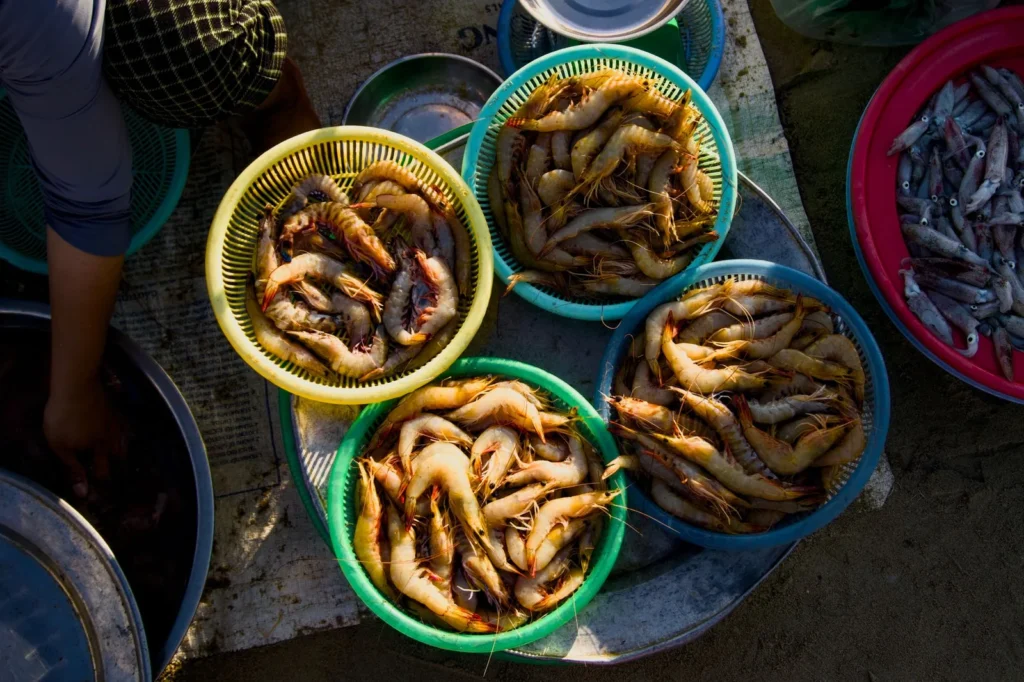

Fish And Shellfish
Description
This single-skillet fish and shellfish dish builds a light tomato-white-wine broth then layers firm white fish, shrimp, and mussels so each cooks in its own time. You get three seafood textures and a sauce-worthy broth with minimal cleanup in about 35 minutes.
Ingredients
Instructions
-
Warm oil and soften fennel
Warm 2 tbsp olive oil in a 30cm deep skillet over medium heat. Add the sliced fennel and cook for 5 minutes, stirring twice, until softened but not browned and translucent at the edges.
-
Cook garlic briefly
Stir in the 4 minced garlic cloves and cook for 1 minute at medium heat until fragrant. Keep the pan at medium so the garlic does not scorch and turn bitter.
-
Deglaze with wine
Pour in 150ml white wine and scrape the base with a wooden spoon to loosen the fond. Simmer for 3 minutes until the sharp alcoholic smell fades and the liquid reduces by about a third.
-
Add tomatoes and stock
Add 400g chopped tomatoes and 250ml fish stock, then bring to a gentle bubble over medium-high heat. Season with salt and pepper to taste and keep it lightly bubbling.
-
Poach white fish
Nestle the 400g white fish chunks into the broth, reduce to medium-low heat, and cook for 6 minutes. The fish is done when it turns opaque at the edges and flakes at 63°C internal temperature.
-
Steam shrimp and mussels
Add the 300g shrimp in a single layer and 500g mussels around them, then cover with a lid and steam for 5 minutes. Shrimp should be pink and mussels open; seafood is safe at 63°C internal.
-
Finish with herbs
Off the heat, finish with 2 tbsp parsley and 1 tsp lemon zest. Discard any mussels that did not open before serving to avoid food safety risks.
-
Rest and serve
Rest the skillet uncovered for 2 minutes after heat-off so fish firms slightly and shrimp stop cooking from residual warmth. Serve directly from the pan to keep everything hot.
Nutrition Facts
Servings 4
- Amount Per Serving
- Calories 320kcal
- % Daily Value *
- Total Fat 11g17%
- Saturated Fat 2g10%
- Cholesterol 145mg49%
- Sodium 620mg26%
- Total Carbohydrate 14g5%
- Dietary Fiber 3g12%
- Sugars 6g
- Protein 34g68%
* Percent Daily Values are based on a 2,000 calorie diet. Your daily value may be higher or lower depending on your calorie needs.
Note
- Storage: Remove mussels from broth before chilling; keep fish, shrimp, and broth in an airtight container up to 3 days. Reheat gently to 63°C internal.
- Pro tip: Buy mussels the day you cook and keep over ice; tap open shells that don't close and toss dead ones before cooking. A salmon technique helps compare staged heat.
- Safety: Never leave the cooked skillet out beyond 2 hours at room temperature to prevent bacterial growth.
- Make ahead: Cut white fish into equal 4cm chunks so they finish in the same window and avoid chalky bits.
