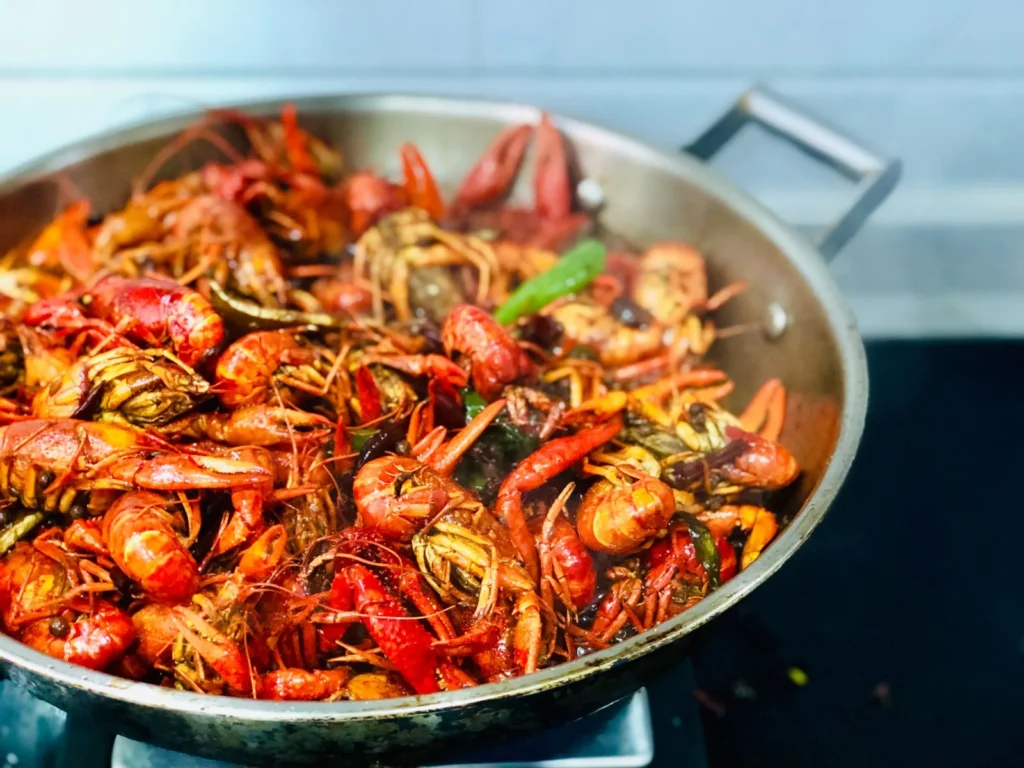

A good homemade cajun seasoning recipe gives you control over heat, salt, and smoke without the fillers found in store jars. You stir together a short list of ground spices and get a balanced blend that works on chicken, shrimp, potatoes, and roasted vegetables. This version leans on smoked paprika and cayenne for depth rather than pure burn.
Making the blend yourself means you can scale it, tweak the chili level, and skip anti-caking additives. The mix keeps its aroma for months in a sealed jar, so you always have a pinch ready for a weeknight skillet. Below you’ll find exact ratios, swaps, and ways to use the finished seasoning. If you enjoyed this, our disclosure is worth trying next. Making this homemade cajun seasoning at home is surprisingly straightforward once you know the key steps.
Why You’ll Love These Homemade Cajun Seasoning
- Balanced heat from cayenne paired with sweet smoked paprika, not one-note spice.
- Zero added salt unless you choose to include it, so you season dishes to your own taste.
- Costs a fraction of small jars at the grocery and uses spices you likely own.
- Mixes in under five minutes with a single bowl and a whisk.
- Flexible enough for blackened fish, roasted corn, or a creamy dip base.
Ingredients You’ll Need
- 3 tbsp smoked paprika — the base color and smoky tone.
- 2 tbsp sweet paprika — softens the smoke and adds red color.
- 1 tbsp garlic powder — savory backbone, not raw bite.
- 1 tbsp onion powder — rounds out the allium note.
- 1 tbsp ground black pepper — mild heat and texture.
- 1 tbsp dried oregano — earthy, slightly bitter herb layer.
- 1 tbsp dried thyme — classic Cajun herb for savory depth.
- 1 tsp cayenne pepper — adjustable chili heat; start low.
- 1 tsp white pepper — sharp, clean heat without color speckle.
- 1 tsp celery seed, crushed — subtle bitter celery note.
- 1 tsp salt (optional) — add only if you want a ready-salted blend.
Ingredient Substitutions
Smoked paprika: Replace with an equal amount of additional sweet paprika plus 1 tsp of liquid smoke powder if you have it. Without smoke, the blend loses its campfire tone and reads closer to a generic chili powder. The color stays bright red but the background flavor turns flatter, so boost oregano by 1 tsp to compensate. The homemade cajun seasoning works well for weeknight cooking when time is limited.
Cayenne pepper: Use 2 tsp of crushed red pepper flakes ground fine in a spice grinder for a coarser, fruitier heat. Flakes carry seeds that bite harder, so use half the amount by volume at first. The texture turns slightly gritty, which works on roasted potatoes but not in a fine dusting for eggs. Storing leftover homemade cajun seasoning correctly keeps it tasting good for days.
White pepper: Swap with an extra 1 tsp of black pepper if you don’t keep white on hand. The blend will show dark specks and taste a touch more woody, but the heat level stays similar. Skip this if you want a clean red appearance on light foods like mayonnaise swirls. For the best results with this homemade cajun seasoning, read through all the steps before starting.
Celery seed: Replace with 2 tsp of finely minced dried celery leaf or 1 tsp of celery salt (then cut added salt). Seed gives a slow bitter pop; leaves taste greener and fade faster in storage. Adjust salt separately so the mix doesn’t turn too salty.
Dried thyme: Use an equal amount of dried marjoram for a milder, sweeter herb note. Marjoram lacks thyme’s slight lemon edge, so add a pinch of dried lemon peel if available. The blend becomes friendlier to chicken and less typical of strict Louisiana labels. For another easy option, check out our nepa recipe.
Step-by-Step Instructions
- Measure all spices into a medium bowl. Use a medium bowl so you have room to stir without spilling fine powder.
- Crush the celery seed with a spoon against the bowl side until broken but not dust. This releases oil that whole seed keeps locked in.
- Whisk the mixture for 1 minute until the color looks even and no clumps remain. Even distribution prevents hot pockets of cayenne.
- Taste a tiny pinch on a plain cracker to check heat. If too sharp, add 1 more tsp of sweet paprika to soften.
- Transfer to a dry glass jar with a tight lid. Label with the date so you track freshness over the next months.
Pro Tips
Buy whole spices and grind them the same day for a brighter aroma, since pre-ground jars lose scent after six months on a shelf. A spice storage guide from Simply Recipes explains ideal containers and away-from-light rules.
Scale the batch by weight if you cook in volume; a kitchen scale removes guesswork between tablespoon packs. Use the blend within 4 months for peak smell before oils turn stale.
Toast the paprikas in a dry pan over medium-low heat for 30 seconds before mixing to deepen smoke. Let them cool fully so they don’t clump from residual warmth.
Keep a small shaker of the unsalted version at the stove and a salted jar for finishing fries. Separate blends stop you from over-salting early in cooking.
Common Mistakes to Avoid
Using only cayenne for heat makes the mix one-dimensional and harsh; balance it with black and white pepper for layered burn. The fix is the ratio above, not more chili.
Storing in a wet spoon or near the stove steam cakes the powder into a brick. Always use a dry scoop and keep the jar off the heat source.
Skipping the taste test means you might overshoot cayenne for your crowd. Fix by blending a second mild batch and combining rather than starting over.
Serving Suggestions
Rub 1 tbsp over chicken thighs before fried proteins to build a blackened crust. The sugar-free blend won’t scorch as fast as sweet barbecue rubs.
Stir a teaspoon into noodle dishes for a warm background note that cuts richness. A little goes far because the thyme and oregano carry through broth.
Dust roasted potato wedges or corn with the mix and finish with lime. The acid brightens the smoke and makes the salt optional version still pop.
Storage and Reheating
The dry blend keeps in an airtight container at room temperature for up to 4 months before aroma fades. Refrigeration isn’t needed and can invite moisture if the seal isn’t perfect.
If you mix the seasoning into a wet marinade, treat it as a fresh item and refrigerate for up to 2 days. Discard any raw-meat marinade left at room temperature beyond 2 hours.
There’s no reheating for the dry spice itself, but dishes made with it should reach 74°C / 165°F internally when they contain poultry or pork. Label jars so old batches don’t outlast their scent.
Recipe Variations
Low-Sodium Version
Omit the optional salt entirely and rely on the pepper and herb notes for flavor. You’ll need to salt finished dishes separately, but the blend stays friendly for low-sodium diets. Expect a cleaner spice taste with no brine edge.
Extra Hot Batch
Double the cayenne to 2 tsp and add 1 tsp of ground chipotle for smoky ferocity. The chipotle adds a dark sweetness that keeps the heat from feeling thin. Use this on bold meats rather than delicate fish.
Herb-Heavy Blend
Increase oregano and thyme by 1 tbsp each and drop white pepper to ½ tsp. The result reads more like a Creole herb mix with gentle warmth. It suits crusty bread dips and roasted vegetables.
Smoky Sweet Option
Add 1 tsp of brown sugar and keep smoked paprika at full level for a grill-ready rub. The sugar helps caramelize on creamy pasta toppings but watch heat so it doesn’t burn. This version pairs well with pork shoulder.