

Easy Pugliese Bread Recipe
There’s a certain magic that happens when a few simple ingredients—flour, water, yeast, and salt—come together in just the right way. This, precisely, is the Pugliese Bread secret. It’s truly more than just a loaf; it’s an experience.
Hailing from the sun-drenched region of Puglia, Italy, this bread is not just food; it’s a culinary tradition. Think of the sound of a perfect crust crackling, the rich aroma that fills your kitchen, and the sheer delight of tearing off a fresh piece.
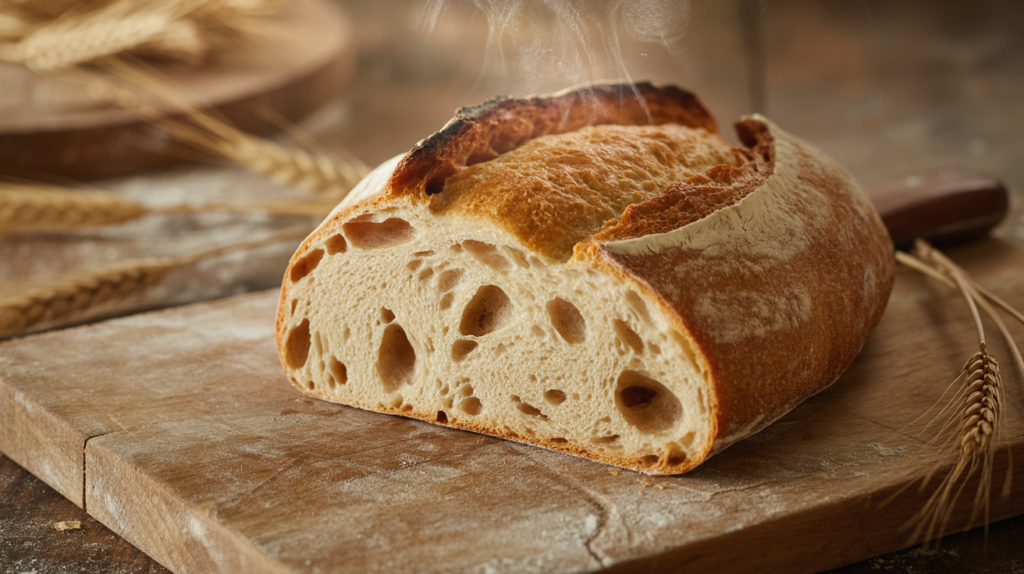
It embodies the very essence of rustic Italian baking, focusing on natural fermentation and high-hydration dough. This process is key to achieving that uniquely light and open interior structure.




If you’ve been searching for a bread with a truly professional crumb structure and a flavor depth that goes beyond the average loaf, this is your discovery. Mastering this bake is a deeply rewarding experience for any home cook.
If you want to explore related ways to infuse rich flavor into your breads, you can check out this recipe:: Best Lard Bread Recipe.
Best Ingredients for Pugliese Bread
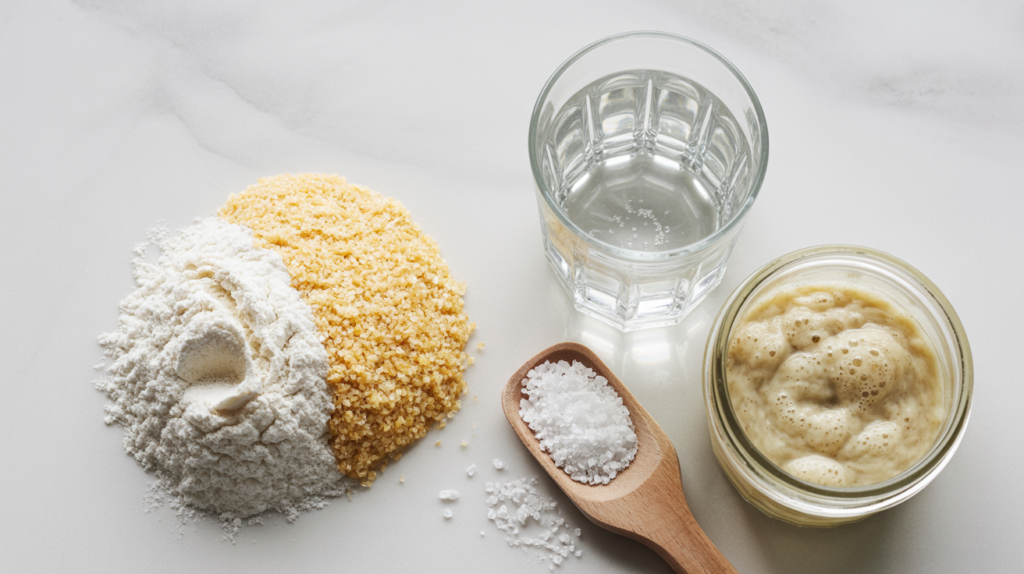
The quality of your final loaf is entirely dependent on the quality of the starting materials. For true Pugliese Bread, simplicity is key, but the right choices make all the difference to the final product.
The foundation is the flour. Traditional recipes often call for a mix of hard wheat flours, sometimes incorporating semola di grano duro rimacinata. This semolina blend contributes to the bread’s signature golden hue and a subtly nutty flavor.
Here are the essential ingredient choices:
- High-Quality Flour: Use bread flour with a high protein content for the best rise and structure, often labeled as ‘Type 0’ in Italy.
- Mineral Water: Filtered water is recommended, as its quality affects the dough’s hydration and the final texture.
- Natural Yeast or Sourdough: The best loaves use a natural starter (lievito madre), adding incredible depth and complexity to the flavor profile.
- Sea Salt: Use fine-grain sea salt to ensure it dissolves completely and distributes evenly throughout the dough.
Choosing a premium, organic artisan flour will quickly elevate your Pugliese Bread from a good loaf to an absolutely unforgettable one.
Taste & Texture Highlights
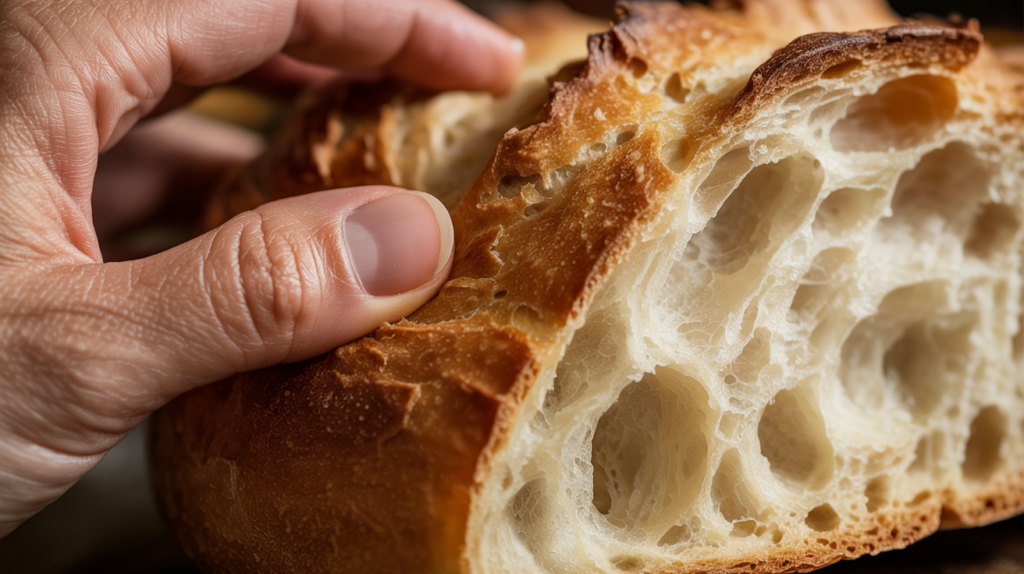
The most defining characteristic of Pugliese Bread is the stark contrast between its exterior and interior. This difference is the true mark of a masterful bake.
The crust is everything you want: deeply golden, thick, and satisfyingly crunchy. It shatters slightly when you press it, releasing that incredible yeasty, caramelized aroma.
But it’s the inside, the crumb, that steals the show. The interior is light, thanks to the high hydration and long fermentation.
Key texture and flavor points:
- Airy, Open Crumb: The interior is full of large, irregular holes (alveoli), a hallmark of high hydration.
- Moist and Tender: Despite the open structure, the crumb remains incredibly moist and soft, perfect for absorbing olive oil.
- Complex Flavor: The taste is subtly sweet from the long-fermented dough, often featuring a pleasingly tangy undertone.
- Chewy Mouthfeel: The texture provides a delightful resistance when eaten, as it is both springy and chewy.
The harmony between the robust, crackling crust and the delicate, airy crumb is what elevates Pugliese Bread to legendary status.
Flavor Combinations That Work
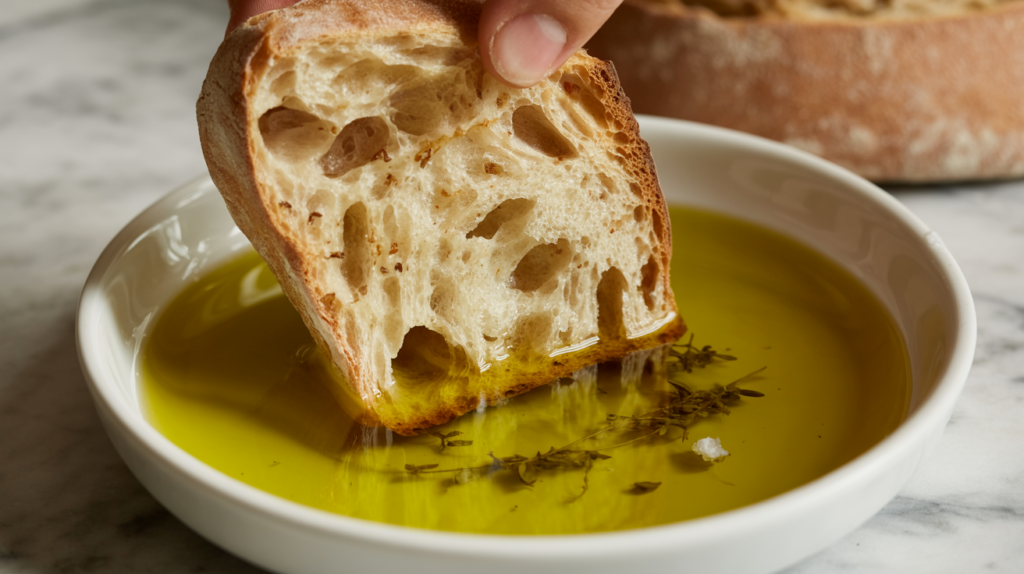
Because of its versatile flavor profile, Pugliese Bread is the ideal companion for almost any Italian meal. Its subtle tanginess complements rich, savory, and sweet flavors equally well.
It is particularly famous for its ability to soak up liquids without falling apart, making it the perfect dipping bread.
Classic ways to enjoy it:
- Olive Oil Dipping: Simply dip it in high-quality, robust extra virgin olive oil, perhaps seasoned with sea salt and dried oregano.
- Savory Mop-up: Use thick slices to mop up the last bit of a rich, slow-cooked ragu or a vibrant zesty pesto.
- Bruschetta Base: Its sturdy crust makes it an excellent choice for a rustic bruschetta, piled high with tomatoes, garlic, and basil.
- Caprese: It’s the ultimate vessel for fresh mozzarella and vine-ripened tomatoes.
This is a bread designed to be a partner to other flavors, enhancing them beautifully without dominating the plate.
Health Benefits of Pugliese Bread
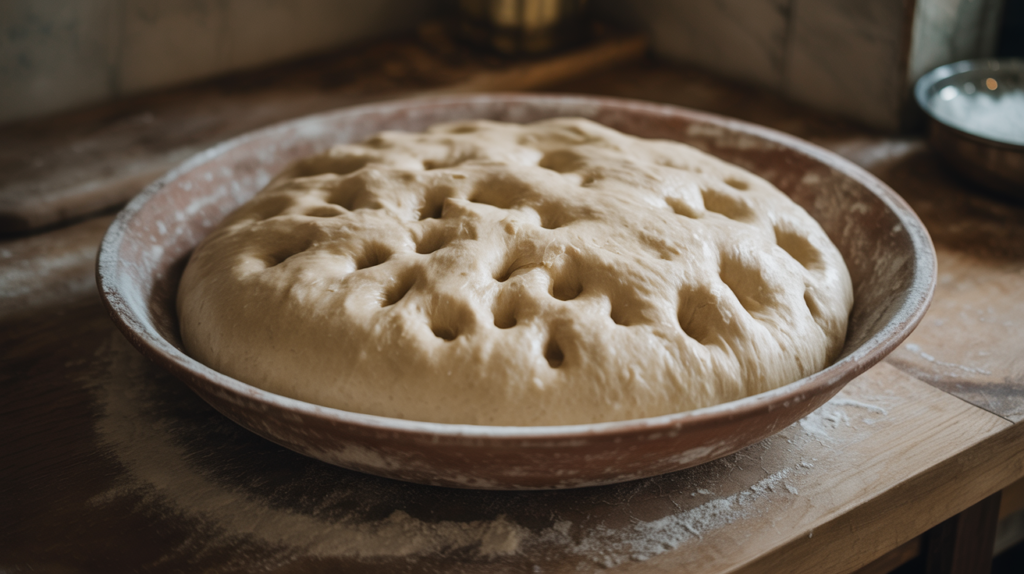
While often seen as a simple indulgence, Pugliese Bread offers surprising nutritional benefits. This is especially true when made using traditional methods and high-quality ingredients. It’s a clean food you can feel good about.
The long fermentation process, particularly with a natural sourdough starter, is beneficial for several reasons:
- Improved Digestibility: The slow rise helps break down starches and phytic acid, making the bread easier to digest.
- Low-Fat Content: Authentic Pugliese Bread is traditionally made without added fats like butter or oil.
- Sustained Energy: As a quality complex carbohydrate, it provides sustained energy without the heavy feeling of denser breads.
- Micronutrients: It can be a source of essential nutrients like B vitamins and trace minerals found in enriched flours.
This bread perfectly embodies the Mediterranean philosophy of simple, whole, and delicious foods enjoyed mindfully.
Nutrition Facts & Calories
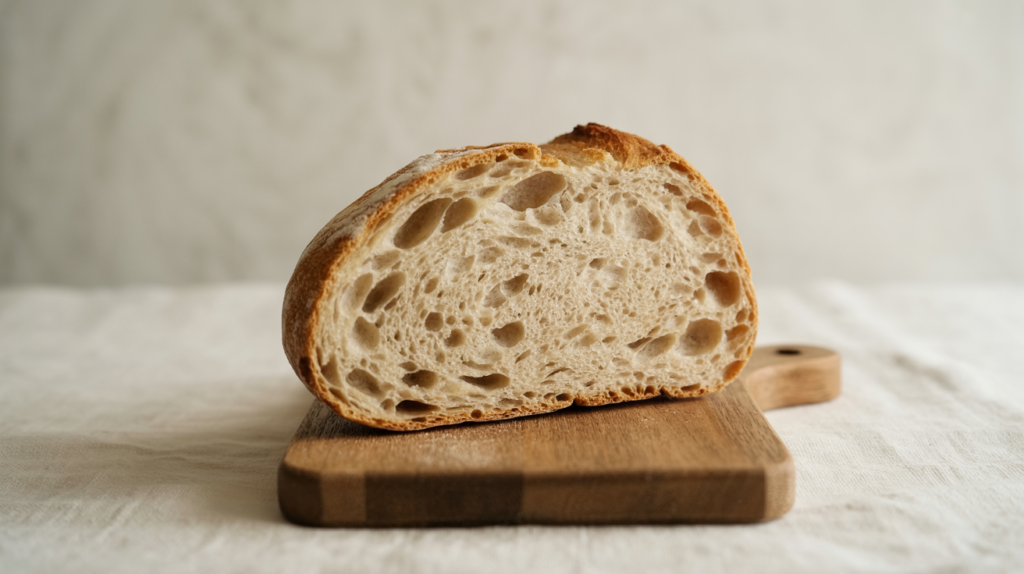
A typical slice of Pugliese Bread, weighing approximately 50 grams, offers a wholesome and satisfying balance of macronutrients. The bread remains a relatively lean choice.
Key nutritional approximations per 50-gram slice:
- Estimated Calories: Between 130 and 150 calories.
- Carbohydrates: Roughly 25 to 30 grams of total carbohydrates.
- Protein: A valuable 4 to 6 grams of protein.
- Total Fat: Exceptionally low, typically less than one gram.
- Dietary Fiber: Usually one to two grams, aiding in satiety.
Its high satiety level means a smaller portion is often enough to feel satisfied. This makes it a nutritionally sound addition to any balanced meal.
Quick Tips for Making Pugliese Bread
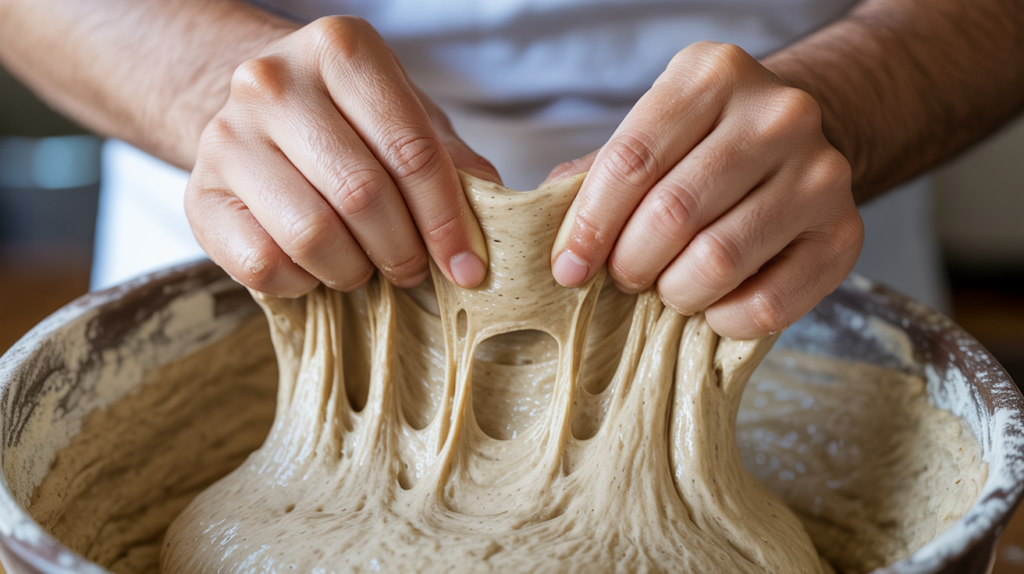
Achieving that perfect Pugliese Bread loaf requires a little finesse, especially with handling the very wet, high-hydration dough. Don’t be discouraged by the initial stickiness!
Follow these quick tips for a professional result:
- Don’t Fear the Stickiness: The dough will be exceptionally sticky. Work with a lightly oiled surface and wet hands instead of adding too much flour.
- Long, Slow Fermentation: Allow time for flavor. The open crumb comes from a slow, cool fermentation, often done overnight in the refrigerator.
- Steam is Essential: For that gorgeous, blistered crust, trap steam in the oven by using a Dutch oven or a tray of water on the bottom rack.
- Handle Gently: Once bulk fermentation is done, handle the dough as gently as possible during shaping to preserve the air bubbles.
These core principles will significantly increase your chances of baking a truly professional-quality loaf.
Serving Suggestions
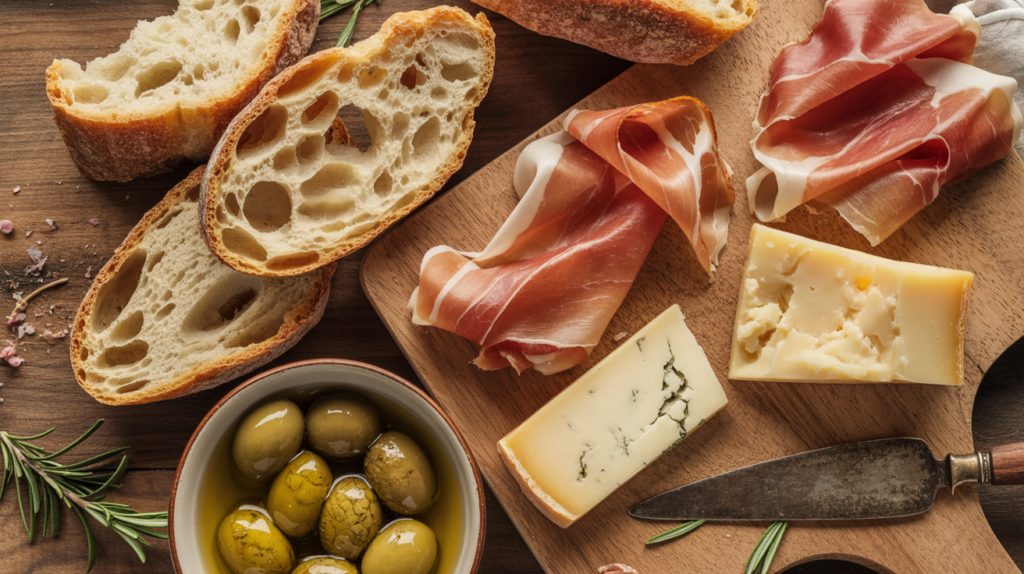
Pugliese Bread is an incredibly versatile bread that can anchor any course of a meal. Its neutral, complex flavor means it works beautifully from breakfast to dinner.
Serve it in diverse ways:
- Breakfast Toast: A thick slice, lightly toasted, perfect with eggs or drizzled with golden honey.
- Elevated Sandwich: The sturdy base for a sandwich with prosciutto, fresh arugula, and balsamic glaze.
- Soup Companion: The perfect side to a hearty minestrone soup or a rich seafood pasta dish.
- Appetizer Platter: Sliced and served with a platter of cured meats, aged cheeses, and marinated olives for a delightful aperitivo.
Its sturdy yet airy structure can stand up to heavy toppings while remaining light and appealing.
Perfect Pairings / Meal Ideas
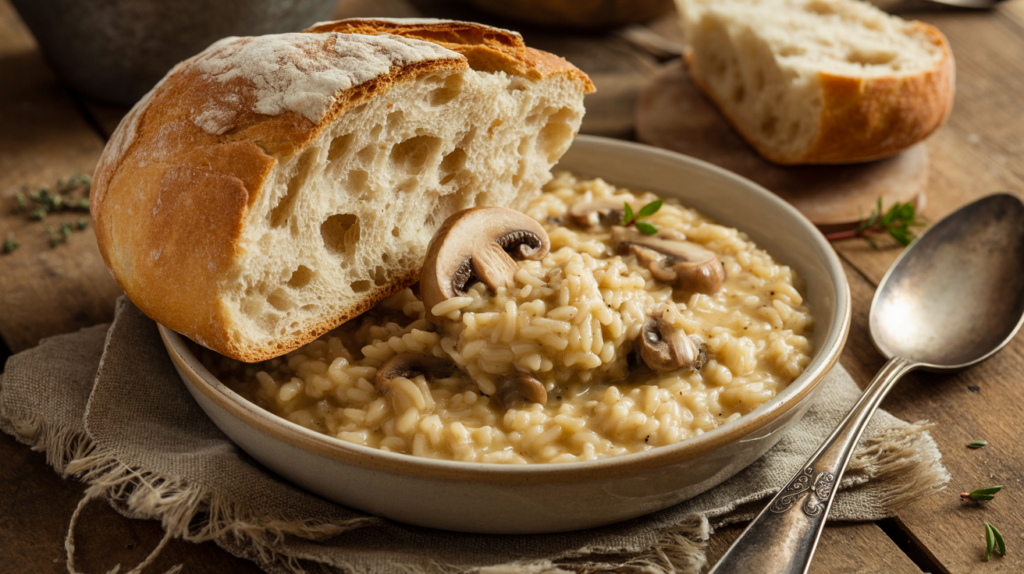
The Pugliese Bread is the missing piece to complete a truly authentic Italian culinary experience. Its mild tang and chewy texture are perfect complements to rustic dishes.
Great meal ideas that feature this bread:
- Fare La Scarpetta: Use the bread to mop up the sauce from dishes like Spaghetti alle Vongole or creamy mushroom risotto.
- Hearty Soups: It is an excellent foil for broth-based meals, such as a hearty Tuscan Bean Soup (Ribollita).
- Grilled Meats: A beautiful contrast when served alongside a Grilled Steak with Herb Butter.
- Panzanella: Use stale pieces to create the most flavorful Italian bread salad.
Think fresh, simple, and high-quality ingredients when pairing this exceptional bread.
Presentation Tips
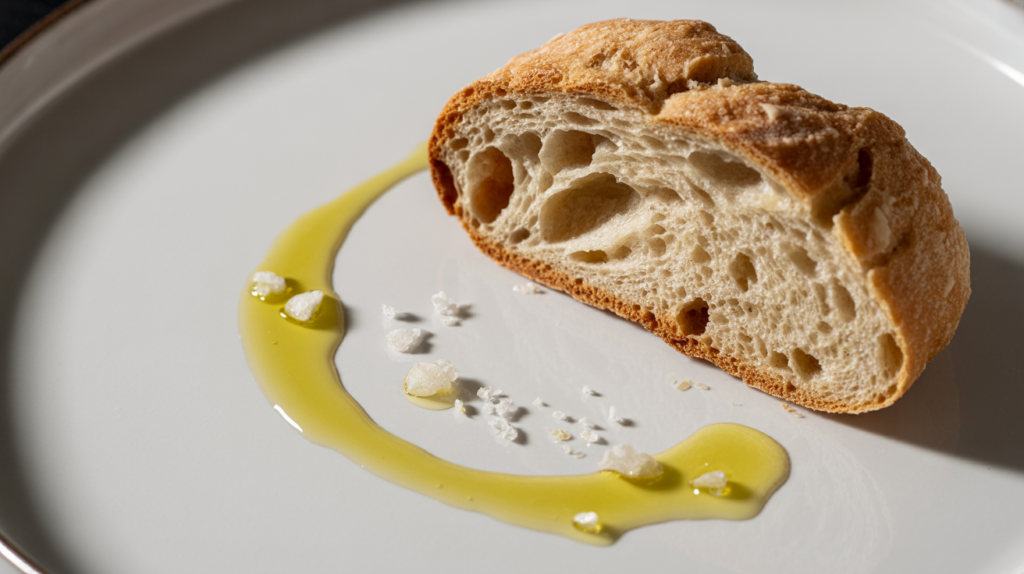
A freshly baked loaf of Pugliese Bread is naturally beautiful and requires very little adornment. Its large, rustic, and often slightly irregular shape is a statement piece in itself.
Tips for the best presentation:
- Rustic Whole Loaf: Present the whole, golden-crusted loaf on a wooden cutting board with a knife nearby for guests to slice themselves.
- Irregular Slices: Slice into thick, uneven pieces to proudly highlight the open, airy crumb structure.
- Simple Garnish: Drizzle the cut pieces with a single, glistening stream of premium extra virgin olive oil and a final sprinkle of flaky sea salt.
The presentation should always emphasize its rustic, artisanal nature—showcasing the contrast between the perfect crust and the beautifully irregular interior.
Pro Tips & Fun Facts
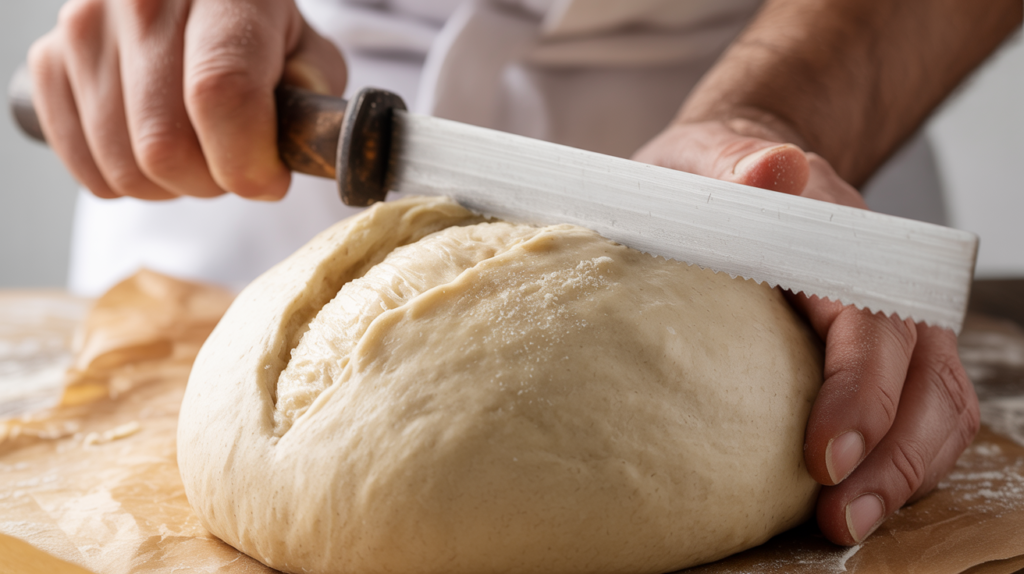
As you embark on your Pugliese Bread journey, here are a few expert tips and interesting facts to elevate your baking:
- The Slashing (Scoring): A gentle slash before baking helps the dough expand evenly and controls oven spring, resulting in a taller, better loaf.
- Sound Check: A perfectly baked loaf will sound distinctly hollow when tapped on the bottom, indicating a fully cooked interior.
- Bread Basket of Italy: Puglia is often called the ‘Bread Basket of Italy’ due to its rich grain cultivation.
- Size Matters: Authentic loaves are often very large to ensure moisture retention deep within the center for a longer-lasting freshness.
Embrace the imperfections of the dough; the unique shape and crumb are exactly what make Pugliese Bread so special and proudly human-made.
Why You Should Try Pugliese Bread
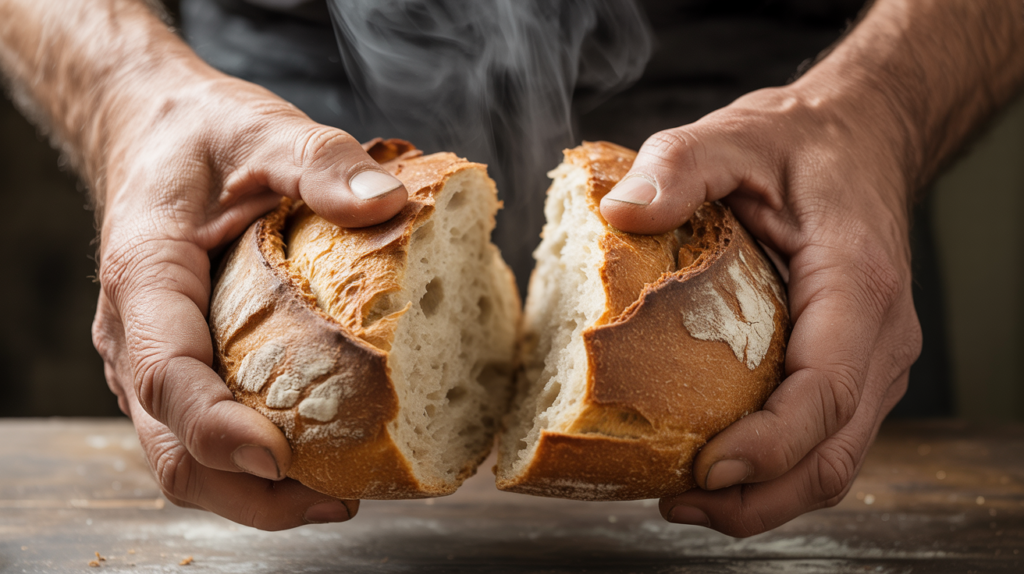
In a world full of mass-produced foods, there is profound satisfaction in creating something simple, authentic, and truly delicious with your own hands. This Pugliese Bread recipe offers that precise opportunity.
It’s more than just baking; it’s a practice in patience, hydration management, and fermentation science. The ultimate reward is a loaf that will astonish your friends and family with its intense flavor and incredible texture.
Baking this bread is a fantastic way to connect with Italian culinary history and bring the warm, rustic spirit of Puglia right into your own kitchen. You deserve to experience that perfect crunch and the silky, open crumb.
Are you ready to stop admiring and start baking?
If you liked this recipe, you may also enjoy…
- Best Best Lard Bread Recipe: Authentic Italian-American Bread with Prosciutto & Cheese Recipe
- Best Best Irish Brown Bread Recipe | Traditional Homemade Irish Soda Bread (Easy & Healthy) Recipe
- Best Best Banana Bread Recipe | Moist, Easy & Delicious Homemade Banana Loaf Recipe
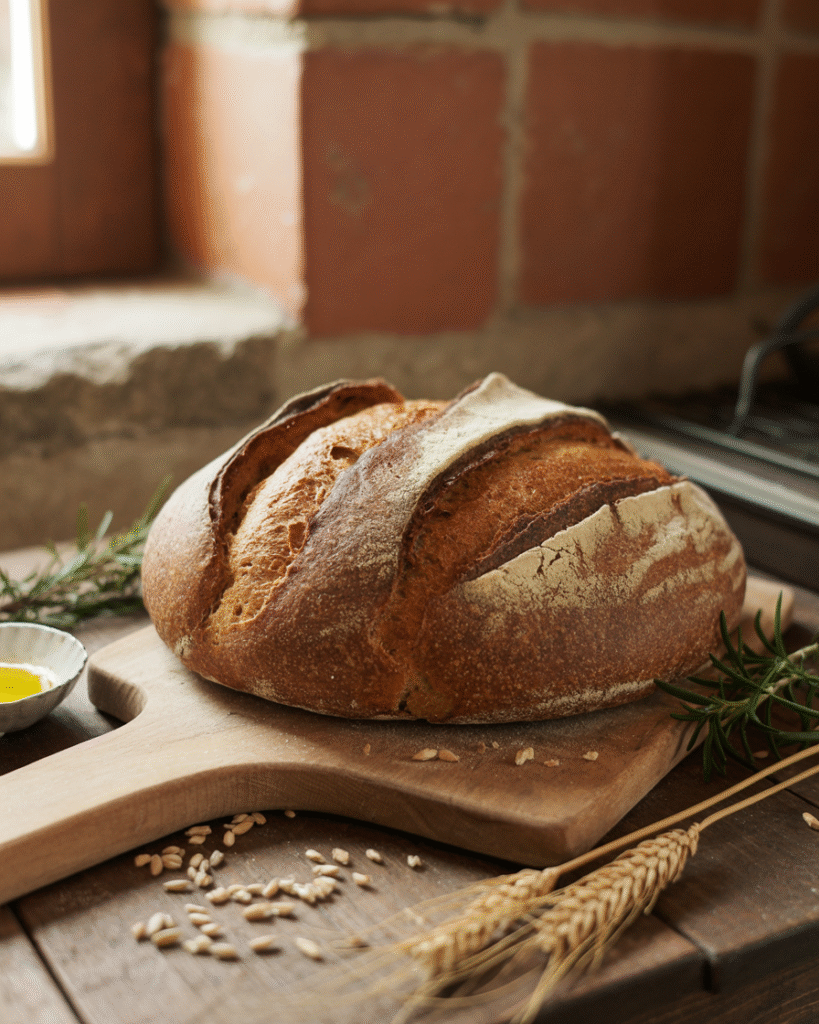

Best Authentic Pugliese Bread Recipe Rustic Italian
Description
A classic Italian bread with a history as rich as its taste, perfect for dipping in olive oil or pairing with your favorite cheese.
Ingredients
Optional Ingredients
Instructions
Dough Preparation
-
Mixing the Ingredients
In a large mixing bowl, combine 500g of bread flour, 10g of salt, 7g of dry yeast, and 350ml of warm water.
Mix until a shaggy dough forms, then knead on a floured surface for 10-15 minutes until smooth and elastic.
-
First Rise
Place the dough in a greased bowl, cover with a damp towel, and let it rise in a warm place for about 1-2 hours or until doubled in size.
This step is crucial for developing flavor and texture.
Shaping and Second Rise
-
Shaping the Loaf
Punch down the dough, shape it into a round loaf, and place it on a parchment-lined baking sheet.
You can also place the dough in a floured banneton for a traditional shape.
-
Second Rise
Cover the loaf with a damp towel and let it rise for another 1-2 hours until puffy.
This step helps the dough relax and rise for a lighter texture.
Baking the Bread
-
Preparation
Preheat the oven to 220°C (425°F) with a baking stone or upside-down baking sheet inside.
The preheated surface helps create a crisp crust.
-
Scoring and Baking
Score the top of the loaf with a sharp knife, mist with water, then bake for 25-30 minutes until golden brown and hollow-sounding when tapped on the bottom.
For extra crunch, place a pan with water on the bottom rack for steam.
Cooling and Enjoying
-
Cooling
Let the bread cool on a wire rack for at least 30 minutes before slicing.
Resist the temptation to cut into it while warm to allow for proper setting of the crumb.
-
Serving
Slice the bread and enjoy it warm with olive oil, balsamic vinegar, or your favorite Italian toppings.
This bread is perfect for dipping in soups, making sandwiches, or enjoying on its own.
Nutrition Facts
Servings 8
- Amount Per Serving
- Calories 180kcal
- % Daily Value *
- Sodium 380mg16%
- Total Carbohydrate 34g12%
- Dietary Fiber 2g8%
- Sugars 1g
- Protein 6g12%
- Calcium 10 mg
- Iron 2 mg
* Percent Daily Values are based on a 2,000 calorie diet. Your daily value may be higher or lower depending on your calorie needs.
Note
- For a crispier crust, place a shallow pan with hot water in the oven while baking.
- Experiment with different types of flour like semolina for a unique flavor and texture.
- To achieve a more open crumb structure, increase the hydration level slightly.
- Don't rush the rising process; allow the dough to ferment slowly for better flavor development.
- Dust the bread with flour before scoring to create beautiful patterns on the crust.
- Let the bread cool completely on a wire rack before slicing to prevent it from becoming gummy.
- This bread is perfect for dipping in olive oil, pairing with cheese, or making sandwiches. Enjoy!
