

A thai yellow chicken curry is a gentle, coconut-based stew built on turmeric-heavy yellow curry paste, sliced chicken thigh, and a short list of softening vegetables. This version keeps the sauce creamy without cream and gets dinner on the table in about 40 minutes using one pan. You get a balanced, mildly spiced meal that reheats well and pairs with plain rice.
The paste does the heavy lifting here. Turmeric, cumin, and coriander give the dish its golden color and rounded earthiness, while coconut milk smooths the edges so the heat stays low. Because the chicken thighs simmer rather than sear hard, they stay juicy even if you walk away for a minute. If you enjoyed this, our mini chocolate gateau is worth trying next. Making this thai yellow chicken curry at home is surprisingly straightforward once you know the key steps.
Why You’ll Love These Thai Yellow Chicken Curry
- One pan, minimal cleanup, and a sauce that thickens on its own as it simmers.
- Chicken thigh stays tender and absorbs the spiced coconut broth better than breast.
- The flavor is mild enough for kids but easy to spice up with extra chili.
- Leftovers hold their texture in the fridge and freeze without splitting.
Ingredients You’ll Need
- 2 tbsp neutral oil – helps the paste fry and bloom before liquid goes in.
- 3 tbsp yellow curry paste – the base spice mix; use a prepared Thai brand.
- 1.5 lb boneless chicken thigh, sliced into 1-inch strips – higher fat means no dry meat.
- 1 can (14 oz) coconut milk, full fat – gives body and a soft finish.
- 1 cup chicken stock – loosens the sauce so it coats rather than clumps.
- 1 medium onion, sliced – sweetens as it cooks down.
- 2 medium potatoes, peeled and cubed (1-inch) – soak up sauce and add bite.
- 1 red bell pepper, sliced – color and light sweetness at the end.
- 1 cup green beans, trimmed – snap and freshness against the rich base.
- 1 tsp fish sauce – salt and depth without tasting fishy.
- 1 tsp sugar – balances acidity from the coconut and stock.
- 8 leaves Thai basil – added off heat for aroma.
Ingredient Substitutions
Yellow curry paste: Replace with 3 tbsp of a vegan paste made without shrimp if you avoid shellfish. The color stays the same but the background umami drops, so add an extra 1/2 tsp salt. Expect a cleaner, slightly brighter taste and no fishy note in the finish. The thai yellow chicken curry works well for weeknight cooking when time is limited.


Chicken thigh: Use 1.5 lb chicken breast cut into strips if that is what you have. Breast cooks faster and dries sooner, so reduce the simmer after adding it to 10 minutes. The texture will be firmer and less rich than thigh. Storing leftover thai yellow chicken curry correctly keeps it tasting good for days.
Coconut milk: Swap for 1 cup evaporated milk plus 1/2 cup water to cut fat. The sauce thins and can scorch if left on medium-low heat too long, so stir more often. Flavor loses the tropical roundness but stays creamy. For the best results with this thai yellow chicken curry, read through all the steps before starting.
Fish sauce: Use 1 tsp soy sauce for a vegetarian-friendly salt source. You lose the fermented depth and the sauce tastes slightly sweeter. Add a pinch of salt if the soy is low sodium.
Step-by-Step Instructions
- Warm 2 tbsp neutral oil in a wide pan over medium heat and stir in 3 tbsp yellow curry paste for 2 minutes until it smells toasted and darkens a shade.
- Add sliced onion and chicken thigh strips; cook 5 minutes stirring so the meat loses pink on the outside and the onion softens at the edges.
- Pour in the can of coconut milk and 1 cup chicken stock, then add cubed potato. Bring to a gentle simmer over medium-low heat and cook 15 minutes until potato is fork-tender.
- Drop in red bell pepper and green beans, then stir in fish sauce and sugar. Simmer 5 minutes more until beans are bright and crisp-tender.
- Turn off the heat and fold in Thai basil so it wilts from residual warmth without going black. The sauce should coat a spoon and look glossy.
Pro Tips
Fry the paste in oil before any liquid hits the pan. This step wakes up the dried spices and prevents a raw, chalky taste in the final curry sauce.
Cut potato small and even so it cooks inside the short simmer window. Large chunks stay hard while the chicken overcooks, throwing off the whole bowl.
Keep the simmer gentle after adding coconut milk. A hard boil makes the fat separate; see simmering techniques for pan control cues.
Taste at the end and adjust with a few drops of fish sauce, not salt alone. The fermented note reads as ‘complete’ in a way plain sodium does not.
Common Mistakes to Avoid
Adding coconut milk to a cold pan with un-fried paste leaves a sharp turmeric bite. Always bloom the paste in oil first so the spices mellow.
Crowding the pan with frozen green beans drops the temperature and turns them gray. Add them last and keep the heat steady so they stay green.
Skipping the sugar reads as flat even when salt is right. The small spoonful offsets coconut acidity and makes the noodle balance logic carry over to rice.
Serving Suggestions
Spoon the curry over jasmine rice to catch the sauce. A side of light dessert works if you want a cool close after the warm bowl.
Add a quick cucumber salad with rice vinegar on the side for crunch. The acid cuts the coconut and keeps the plate from feeling heavy.
Storage and Reheating
Pack leftovers in an airtight container and refrigerate for up to 3 days. The sauce thickens cold but loosens with heat.
Freeze for up to 2 months in a flat bag. Thaw overnight in the fridge before reheating to keep the chicken texture intact.
Reheat on medium-low heat to 165°F internal for the chicken, stirring once. Do not leave the cooked pot out beyond 2 hours. For another easy option, check out our new york white.
Recipe Variations
Seafood Swap
Replace chicken with 1 lb peeled shrimp added in the last 4 minutes of simmer. The curry turns lighter and cooks faster, so watch the sauce so it does not over-reduce.
Tofu Version
Use 1.5 lb firm tofu cubed and a vegan paste for a meat-free bowl. Press the tofu first so it holds shape and soaks sauce instead of breaking.
Extra Heat
Stir 1 tsp chili flakes with the paste at the start. The heat spreads through the coconut and stays warm rather than sharp on the tongue.
Potato-Free
Drop the potatoes and add 1 cup cubed eggplant. The vegetable breaks down and thickens the broth, giving a silkier finish without starch.
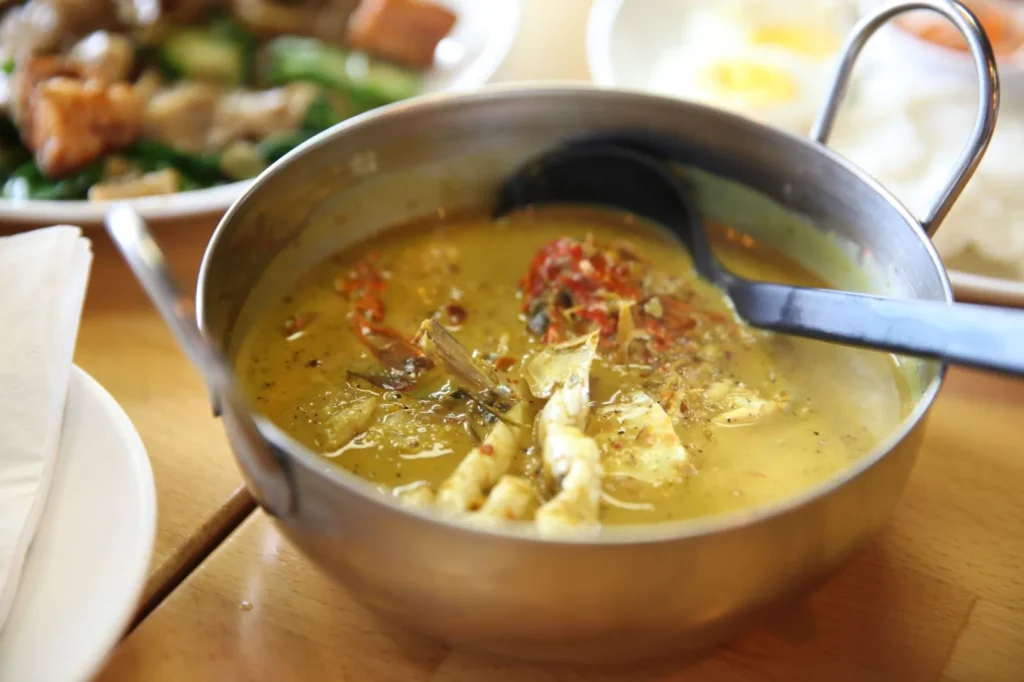

Thai Yellow Chicken Curry
Description
A gentle, coconut-based Thai yellow chicken curry built on turmeric-heavy paste, sliced chicken thigh, and softening vegetables. This one-pan dinner stays creamy without cream and gets on the table in about 40 minutes with a mildly spiced sauce that reheats well over plain rice.
Ingredients
Instructions
-
Bloom the curry paste
Warm 2 tbsp neutral oil in a wide pan over medium heat and stir in 3 tbsp yellow curry paste for 2 minutes until it smells toasted and darkens a shade. This frying step wakes up the dried spices and prevents a raw, chalky taste in the final sauce.
-
Cook onion and chicken
Add the sliced 1 medium onion and 1.5 lb boneless chicken thigh strips cut into 1-inch pieces to the pan. Cook for 5 minutes stirring so the meat loses pink on the outside and the onion softens at the edges, keeping the heat at medium.
-
Simmer coconut broth
Pour in the 1 can (14 oz) coconut milk and 1 cup chicken stock, then add the 2 medium potatoes peeled and cubed (1-inch). Bring to a gentle simmer over medium-low heat and cook 15 minutes until potato is fork-tender and the chicken reaches an internal temperature of 74°C (165°F).
-
Add vegetables and season
Drop in the 1 red bell pepper sliced and 1 cup green beans trimmed, then stir in 1 tsp fish sauce and 1 tsp sugar. Simmer 5 minutes more over medium-low until beans are bright and crisp-tender and the sauce looks glossy.
-
Fold in Thai basil
Turn off the heat and fold in 8 leaves Thai basil so it wilts from residual warmth without going black. The sauce should coat a spoon and look glossy, signaling the curry is ready to serve.
Nutrition Facts
Servings 4
- Amount Per Serving
- Calories 480kcal
- % Daily Value *
- Total Fat 32g50%
- Saturated Fat 22g111%
- Cholesterol 110mg37%
- Sodium 620mg26%
- Total Carbohydrate 22g8%
- Dietary Fiber 4g16%
- Sugars 6g
- Protein 28g57%
* Percent Daily Values are based on a 2,000 calorie diet. Your daily value may be higher or lower depending on your calorie needs.
Note
- Storage: Pack leftovers in an airtight container and refrigerate within 2 hours of cooking for up to 3 days; the sauce thickens cold but loosens with heat.
- Reheating: Reheat on medium-low heat to 74°C (165°F) internal for the chicken, stirring once, and do not reheat the same portion more than once.
- Pro tip: Always bloom the paste in oil first so spices mellow; for a shellfish-free base try our vegan paste recipe as a swap.
- Freezing: Freeze flat for up to 2 months and thaw overnight in the fridge before gentle reheating.
