

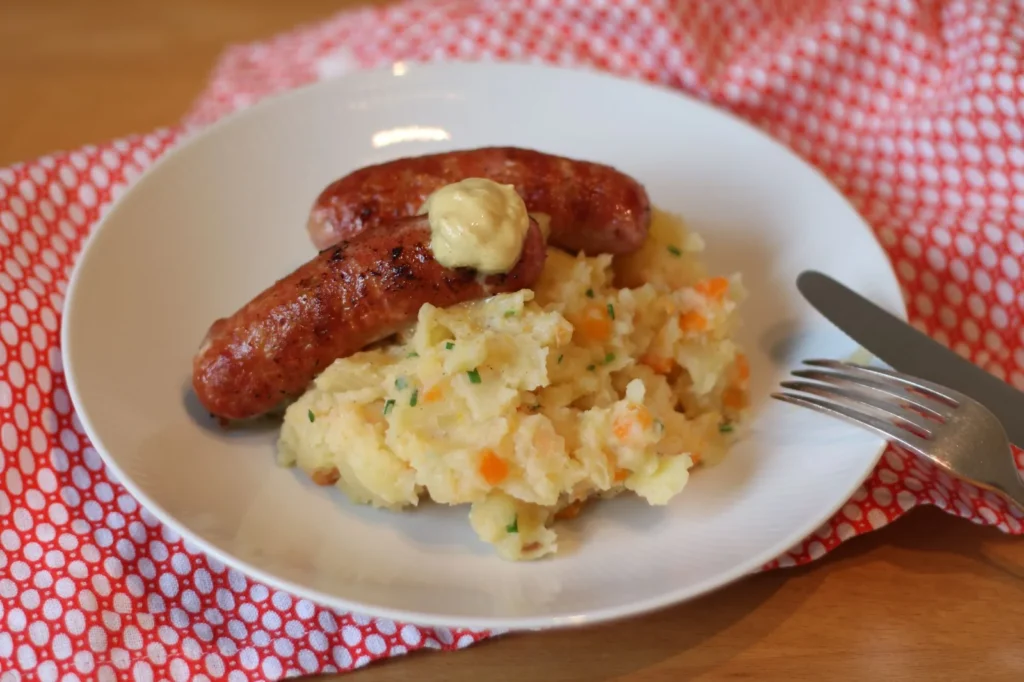
A swede mash rutabaga is a soft, buttery side dish built from the pale-yellow flesh of rutabaga, a root vegetable also called swede in parts of the UK. This version leans on a steady simmer and a rough mash so you keep a little texture instead of a gluey puree. You get a mildly sweet, earthy base that pairs with roasted meats or stands alone with a knob of butter.
The method below uses a standard pot and a hand masher, which keeps the prep honest and the cleanup small. We cover exact weights, doneness cues, and the few places where the mash turns watery or tough. If you have never cooked rutabaga before, the peel is thick and waxy, so a sharp peeler or small knife is non-negotiable. If you enjoyed this, our recipe search is worth trying next. Making this swede mash rutabaga at home is surprisingly straightforward once you know the key steps.
Why You’ll Love These Swede Mash Rutabaga
- Low effort: one pot, a peeler, and a masher get you a full side in about 40 minutes.
- Budget friendly: a single rutabaga weighs 800g–1kg and feeds four for a couple of dollars.
- Flexible: the base takes butter, cream, or olive oil without losing its structure.
- Make ahead: it reheats without separating if you add the fat after warming.
Ingredients You’ll Need
- 1 large rutabaga (about 900g), peeled and cut into 2cm cubes
- 600ml water
- 1 tsp fine salt, plus extra to finish
- 3 tbsp unsalted butter
- 2 tbsp double cream
- 1/4 tsp ground white pepper
- 1 tbsp chopped fresh chives
Ingredient Substitutions
Unsalted butter: Replace with 3 tbsp olive oil for a dairy-free mash with a fruitier edge. Olive oil keeps the mash looser and less glossy, so you lose some of the rounded mouthfeel butter gives. The flavor shifts toward peppery and green, which works with lamb but not with delicate fish. The swede mash rutabaga works well for weeknight cooking when time is limited.




Double cream: Use 3 tbsp whole milk plus 1 tsp cornstarch whisked in after mashing to keep body. Milk alone thins the mash and reduces the silky finish, while the starch restores some cling. Expect a lighter color and a shorter fridge life of about 3 days instead of 4. Storing leftover swede mash rutabaga correctly keeps it tasting good for days.
Ground white pepper: Swap for 1/4 tsp finely ground black pepper if you don’t mind specks. Black pepper is sharper and more piney, and it shows in the pale mash as small dark flecks. Use the same amount so the heat level stays even.
Chives: Replace with 1 tbsp chopped parsley for a grassier note and brighter green flecks. Parsley is less onion-like, so the finish is cleaner but missing the mild allium lift. Add it after mashing so the heat doesn’t dull the color.
Step-by-Step Instructions
- Peel the rutabaga with a sharp peeler, then cut into 2cm cubes so they cook at the same rate. Place in a 3-litre pot with 600ml water and 1 tsp salt.
- Set the pot on medium-high heat and bring to a boil with the lid off. Once boiling, drop to medium-low heat and simmer 25–30 minutes until a cube breaks with no resistance when pierced with a fork.
- Drain the cubes in a colander, letting them sit 2 minutes so surface steam escapes and the mash won’t water out. Return them to the dry pot off the heat.
- Mash with a hand masher until mostly smooth with a few small lumps remaining for texture. Stir in 3 tbsp butter, 2 tbsp cream, 1/4 tsp white pepper, and chives until the fat melts and the mash looks glossy and cohesive.
- Taste and add a pinch more salt if needed, then serve immediately or hold covered off heat for up to 10 minutes.
Pro Tips
Cut the cubes to a true 2cm size; halves that are too big stay crunchy in the center while the outside turns to pulp. A simple boiling method works best when the pieces are uniform.
After draining, shake the colander once so the rutabaga doesn’t steam itself into a soggy pile on the counter. Dry surface means the butter coats instead of sliding off.
Add the cream off the heat. Boiling cream in the mash can make it grainy as the fat splits from the liquid.
Save the peels and simmer them in the water for 10 minutes, then strain, if you want a deeper root flavor in the cooking liquid before adding the cubes.
Common Mistakes to Avoid
Using a food processor to blend the cooked rutabaga turns it into a sticky paste because the cell walls break fully. A hand masher leaves enough structure to stay scoopable.
Skipping the drain rest lets trapped steam condense back into the mash, giving a watery pool at the bottom of the bowl. The 2 minutes wait fixes it.
Adding cold butter straight from the fridge means uneven pockets of fat. Warm the butter 10 seconds in the microwave so it folds in cleanly.
Serving Suggestions
Spoon the mash next to egg-free meatballs for a weeknight plate that uses pantry staples. The sweetness balances a tomato or onion gravy.
For a brunch spread, pair with chorizo and eggs so the rich mash soaks up the paprika oil. Add a fried egg on top if you want more protein.
A side of sourdough focaccia gives a crisp contrast to the soft mash when you serve it as a light lunch.
Storage and Reheating
Cool the mash to room temperature within 2 hours, then store in an airtight container in the fridge for up to 4 days. Reheat in a pot on medium-low heat with a splash of milk, stirring until steaming hot throughout at 74°C internal.
The mash freezes for up to 2 months in a freezer bag laid flat. Thaw overnight in the fridge, then reheat as above and stir in 1 tbsp butter to bring back the sheen.
Recipe Variations
Garlic Version
Add 2 peeled garlic cloves to the water with the rutabaga cubes and mash them in with the rest. The garlic softens to a sweet paste, giving the swede mash rutabaga a mellow backbone without raw bite.
Cheesy Version
Stir 40g grated mature cheddar into the mash after the butter for a savory, stringy finish. The cheese firms the texture slightly as it cools, so serve immediately if you want it loose.
Mustard Version
Mix 1 tsp whole-grain mustard into the finished mash for a sharp, grainy contrast to the sweet root. It cuts the richness and pairs well with shrimp tapas on the side.
Herb Version
Replace chives with 1 tbsp each of chopped dill and parsley for a brighter, more aromatic bowl. The dill pushes the mash toward a Scandinavian profile that suits scotch eggs at a picnic.

Swede Mash Rutabaga
Description
A swede mash rutabaga is a soft, buttery side dish built from pale-yellow rutabaga flesh with a rough mash that keeps a little texture.
It is mildly sweet and earthy, pairing well with roasted meats or standing alone with a knob of butter.
Ingredients
Instructions
-
Peel and cube rutabaga
Peel the rutabaga with a sharp peeler, then cut into 2cm cubes so they cook at the same rate. The thick waxy peel requires a sharp tool and the uniform size prevents crunchy centers or pulpy outsides.
-
Boil rutabaga cubes
Place the cubes in a 3-litre pot with 600ml water and 1 tsp salt. Set the pot on medium-high heat with the lid off and bring to a boil.
-
Simmer until tender
Once boiling, drop to medium-low heat and simmer 25–30 minutes until a cube breaks with no resistance when pierced with a fork. This visual cue confirms the flesh is fully softened and ready to mash.
-
Drain and rest
Drain the cubes in a colander, letting them sit 2 minutes so surface steam escapes and the mash won't water out. Shake the colander once so the rutabaga doesn't steam itself into a soggy pile on the counter.
-
Return and mash
Return the drained cubes to the dry pot off the heat. Mash with a hand masher until mostly smooth with a few small lumps remaining for texture, avoiding a food processor which would make a sticky paste.
-
Stir in fat and season
Stir in 3 tbsp butter, 2 tbsp cream, 1/4 tsp white pepper, and chives until the fat melts and the mash looks glossy and cohesive. Add the cream off the heat so it does not grain as the fat splits from the liquid.
-
Taste and adjust
Taste and add a pinch more salt if needed to finish the seasoning. The mash should be cohesive and lightly seasoned at this point.
-
Serve or hold
Serve immediately or hold covered off heat for up to 10 minutes. Warm the butter 10 seconds in the microwave before use so it folds in cleanly without cold pockets.
Nutrition Facts
Servings 4
- Amount Per Serving
- Calories 210kcal
- % Daily Value *
- Total Fat 12g19%
- Saturated Fat 7g35%
- Cholesterol 35mg12%
- Sodium 480mg20%
- Total Carbohydrate 24g8%
- Dietary Fiber 5g20%
- Sugars 12g
- Protein 3g6%
* Percent Daily Values are based on a 2,000 calorie diet. Your daily value may be higher or lower depending on your calorie needs.
Note
- Storage: Cool the mash within 2 hours and keep in an airtight container in the fridge for up to 4 days.
- Make ahead: Reheat with a splash of milk on medium-low, stirring to 74°C internal, and do not reheat the same portion twice.
- Pro tip: Save peels and simmer in the water 10 minutes then strain for deeper root flavor before adding cubes, or see green smoothie bowl for a fresh pairing.
- Texture: Use a hand masher not a processor to keep the mash scoopable with small lumps.
