

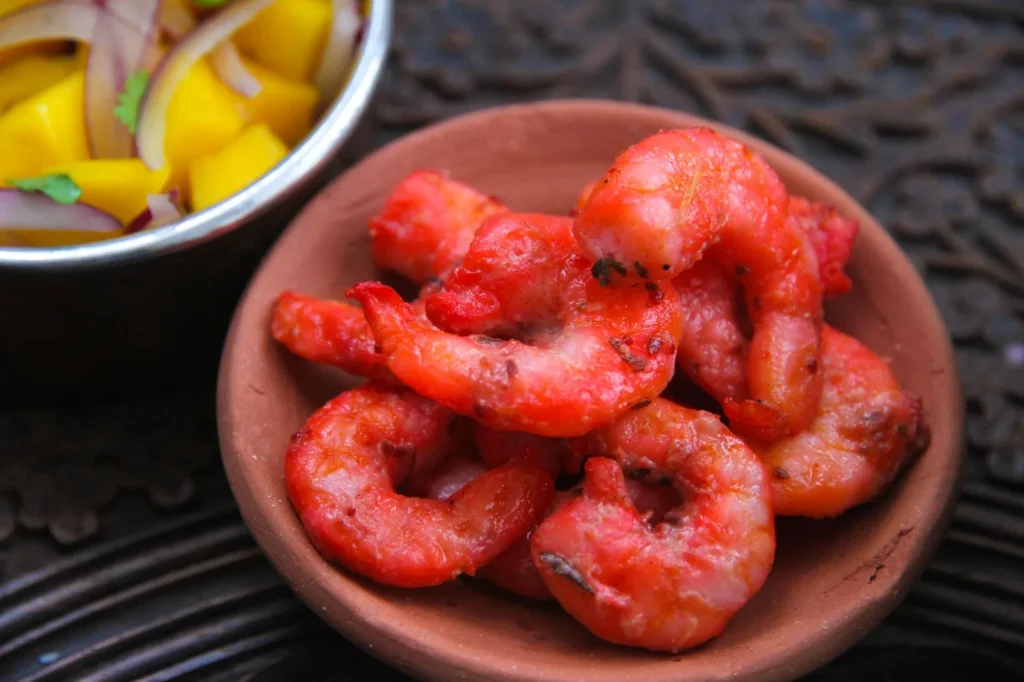
A sticky mango shrimp recipe gives you plump shrimp coated in a glossy, sweet-tangy mango glaze that clings to every bite. The sauce reduces on the stove until it thickens enough to coat a spoon, which keeps the shrimp from sitting in a watery puddle. You get a weeknight dinner that looks restaurant-style but uses one pan and about twenty minutes of active time.
The balance comes from ripe mango for natural sugar, rice vinegar for acid, and soy sauce for salt and depth. Cornstarch slurry at the end sets the glaze so it stays put instead of sliding off the shrimp. Serve it over plain rice or a pile of greens and you have a complete plate with minimal cleanup. If you enjoyed this, our sourdough discard focaccia is worth trying next. Making this sticky mango shrimp at home is surprisingly straightforward once you know the key steps.
Why You’ll Love These Sticky Mango Shrimp
- One pan, under 30 minutes from raw shrimp to plated dinner
- Real mango puree, not bottled syrup, so the sweetness tastes like fruit
- Sauce thickens to a lacquer-like coat that doesn’t run off
- Works over rice, noodles, or salad without changing the method
- Naturally dairy free, with easy gluten-free swap built in
Ingredients You’ll Need
- 1 lb large shrimp (21/25 count), peeled and deveined, tails on
- 2 ripe mangoes (about 1.5 cups peeled and cubed)
- 3 tbsp soy sauce (or tamari for gluten-free)
- 2 tbsp rice vinegar
- 2 tbsp honey
- 1 tbsp fresh ginger, grated
- 2 cloves garlic, minced
- 1 tbsp cornstarch mixed with 2 tbsp cold water
- 2 tbsp neutral oil (avocado or canola)
- 1/4 tsp red pepper flakes (optional)
- 2 scallions, sliced, for garnish
Ingredient Substitutions
Soy sauce: Replace with an equal amount of tamari to make the dish gluten free. Tamari is brewed without wheat, so the salt level stays close but the sauce looks slightly darker. You won’t need to change cook time or technique, though the final glaze reads a touch richer. The sticky mango shrimp works well for weeknight cooking when time is limited.





Honey: Use an equal volume of maple syrup if you want a vegan version. Maple brings a mild woodsy note that pairs with mango but lowers the sauce’s stickiness, so let it reduce 1 minute longer. The coat will be a bit looser but still clings when hot. Storing leftover sticky mango shrimp correctly keeps it tasting good for days.
Rice vinegar: Swap for apple cider vinegar in the same quantity if that’s what’s in your pantry. Apple cider vinegar is sharper and less clean on the finish, so cut the amount to 1.5 tbsp to avoid a sour edge. The color stays clear and no technique change is needed.
Neutral oil: Use sesame oil for a nuttier base, but only 1 tbsp mixed with 1 tbsp neutral oil to prevent burning. Sesame smokes at lower heat, so keep the sear at medium heat. The shrimp pick up a toasted aroma that suits the mango well. For another easy option, check out our irish jambon puff.
Step-by-Step Instructions
- Pat the shrimp dry with paper towels so they sear instead of steaming. Heat 1 tbsp oil in a 12-inch skillet over medium-high heat and add shrimp in a single layer. Cook 90 seconds per side until pink and opaque, then remove to a plate.
- Puree the mango cubes with soy sauce, rice vinegar, honey, ginger, garlic, and pepper flakes in a blender until smooth. This takes about 30 seconds and removes fiber chunks that would burn later.
- Lower the skillet to medium heat and add the remaining 1 tbsp oil. Pour in the mango puree and simmer 4 minutes, stirring, until it bubbles thickly and reduces by a third.
- Stir the cornstarch slurry once and pour into the sauce while whisking. Cook 1 minute until the glaze turns glossy and coats the back of a spoon.
- Return shrimp and any juices to the skillet and toss over medium-low heat for 2 minutes until each piece is fully lacquered. Top with scallions and garlic butter shrimp as a side if you like.
Pro Tips
Dry the shrimp thoroughly before they hit the pan; surface moisture drops the skillet temperature and yields gray, rubbery results instead of a light sear. A quick paper-towel blot is the difference between a sticky coat that holds and one that slides off.
Use mangoes that smell sweet at the stem and give slightly to pressure. Underripe fruit makes the sauce tart and thin, forcing a longer reduction that can scorch the sugars.
Whisk the cornstarch slurry right before adding it, since starch settles to the bottom of the cup within seconds. Pour it in a thin stream while stirring to avoid lumps that read as gritty in the final glaze.
For a deeper sear without overcooking, cook shrimp in two batches if your pan crowds. Read pan sauce technique if you want the science behind heat control. Crowding steams protein and blocks the browning you want under the mango coat.
Common Mistakes to Avoid
Adding cornstarch directly to the hot puree without mixing with cold water creates clumps that never dissolve. Always prep the slurry separately and stir it in off the heat for a few seconds before returning to the burner.
Overcooking shrimp past opaque-and-curled-tight makes them tough even after saucing. Pull them at just pink in step one; the second toss in glaze finishes them without further hardening.
Skipping the blend step and using mango chunks whole lets fibers catch on the pan bottom and burn. A smooth puree cooks evenly and gives the lacquer-like finish this dish needs. You might also like our image.
Serving Suggestions
Spoon the shrimp over steamed jasmine rice to catch the extra glaze, or lay them on a bed of shredded romaine for a warm-shrimp salad. A squeeze of lime over the top cuts the sweetness and brightens the plate.
Pair with dole whip smoothie for a tropical menu, or add hwachae as a cold fruit drink alongside. Both keep the mango theme without repeating the exact same flavor.
Storage and Reheating
Place leftovers in an airtight container and refrigerate for up to 3 days. Shrimp hold texture better when cooled before sealing, so don’t leave the pan out more than 2 hours total.
Reheat in a skillet over medium-low heat until the shrimp reach 145°F internal, about 3 minutes, to keep them safe and avoid rubber. Freezing changes the glaze to a separated state, so we don’t recommend it for this sticky mango shrimp recipe.
Recipe Variations
Spicy Version
Add 1 tsp sambal oelek with the garlic in the puree step for a chili-fruit heat that builds after the sweet hits. The glaze stays the same thickness but reads hotter, so serve with cooling cucumber slices on the side.
Grilled Shrimp
Thread raw shrimp on skewers and grill over medium-high heat for 2 minutes per side, then brush with finished mango glaze off the heat. You get light char notes under the same coat, with no skillet sear needed.
Coconut Base
Stir 3 tbsp coconut milk into the puree before reducing for a creamier, less sharp sauce. The extra fat lowers stickiness slightly, so simmer 1 minute longer; expect a softer, velvety finish over rice noodles.
Pineapple Swap
Replace one mango with an equal weight of ripe pineapple for a tangier, more acidic glaze. Pineapple reduces faster, so watch the pan at medium heat and pull it when it first coats the spoon to avoid caramel burn.

Sticky Mango Shrimp
Description
Plump shrimp are seared and tossed in a glossy mango glaze made from real fruit, soy, and rice vinegar. This dairy-free, one-pan dinner is ready in about 20 minutes of active time and pairs perfectly with rice or greens.
Ingredients
Instructions
-
Dry and prepare shrimp
Pat the shrimp dry with paper towels so they sear instead of steaming in the pan. Removing surface moisture helps the skillet stay hot and gives the shrimp a light sear rather than a gray, rubbery texture.
-
Sear shrimp in skillet
Heat 1 tbsp oil in a 12-inch skillet over medium-high heat and add shrimp in a single layer. Cook 90 seconds per side until pink and opaque with a light sear, then remove to a plate; pull them at just pink since they finish in the glaze.
-
Blend mango sauce
Puree the mango cubes with soy sauce, rice vinegar, honey, ginger, garlic, and pepper flakes in a blender until smooth. This takes about 30 seconds and removes fiber chunks that would burn later in the reduction.
-
Reduce mango puree
Lower the skillet to medium heat and add the remaining 1 tbsp oil. Pour in the mango puree and simmer 4 minutes, stirring, until it bubbles thickly and reduces by a third.
-
Add cornstarch slurry
Stir the cornstarch slurry once and pour into the sauce while whisking. Cook 1 minute until the glaze turns glossy and coats the back of a spoon without running off.
-
Coat shrimp in glaze
Return shrimp and any juices to the skillet and toss over medium-low heat for 2 minutes until each piece is fully lacquered. The shrimp should reach an internal temperature of 63°C / 145°F for safe seafood doneness.
-
Garnish and serve
Top the lacquered shrimp with sliced scallions before plating. Serve over steamed rice, noodles, or a bed of greens for a complete meal with minimal cleanup.
Nutrition Facts
Servings 4
- Amount Per Serving
- Calories 350kcal
- % Daily Value *
- Total Fat 12g19%
- Saturated Fat 2g10%
- Cholesterol 180mg60%
- Sodium 700mg30%
- Total Carbohydrate 30g10%
- Dietary Fiber 2g8%
- Sugars 22g
- Protein 25g50%
* Percent Daily Values are based on a 2,000 calorie diet. Your daily value may be higher or lower depending on your calorie needs.
Note
- Storage: Place leftovers in an airtight container and refrigerate for up to 3 days; cool before sealing and don't leave the pan out more than 2 hours total.
- Reheating: Reheat in a skillet over medium-low heat until shrimp reach 63°C / 145°F internal, about 3 minutes, to keep them safe and avoid rubber.
- Pro tip: Dry shrimp thoroughly and use ripe mangoes that give slightly to pressure for the best lacquer-like coat; check our garlic butter shrimp for another easy method.
- Slurry: Whisk cornstarch slurry right before adding and pour in a thin stream while stirring to avoid gritty lumps in the glaze.
