

A refined grains guide helps home cooks understand the white flour, white rice, and other milled products that have had the bran and germ removed. Knowing how these grains behave in the kitchen changes the texture of your bread, the structure of your pasta, and the crumb of your cakes. This refined grains guide breaks down the science and the practical swaps so you can cook with confidence.
Refined grains cook faster and give a lighter bite than whole grain counterparts because the fibrous outer layers are gone. That makes them useful for tender pastries, silky sauces, and fluffy steamed rice where a chewy bran would get in the way. You’ll learn when to reach for them and when a whole grain does a better job. Making this refined grains guide at home is surprisingly straightforward once you know the key steps.
The goal of this refined grains guide is to give you clear, tested information without myths. We cover ingredient lists, substitutions, storage, and variations so the knowledge sticks. Use it as a reference next time a recipe calls for all-purpose flour or white rice.







Why You’ll Love This Refined Grains Guide
- Explains the milling process in plain language so you know exactly what you’re buying.
- Lists realistic pantry amounts and shows how each grain performs in real recipes.
- Gives substitution ratios with honest tradeoffs for texture and moisture.
- Connects storage facts to food safety so leftovers stay safe.
- Offers variations for different diets without losing the core technique.
Ingredients You’ll Need
- 2 cups all-purpose flour (the base for most refined bakes; low protein around 10–11% gives tender crumb)
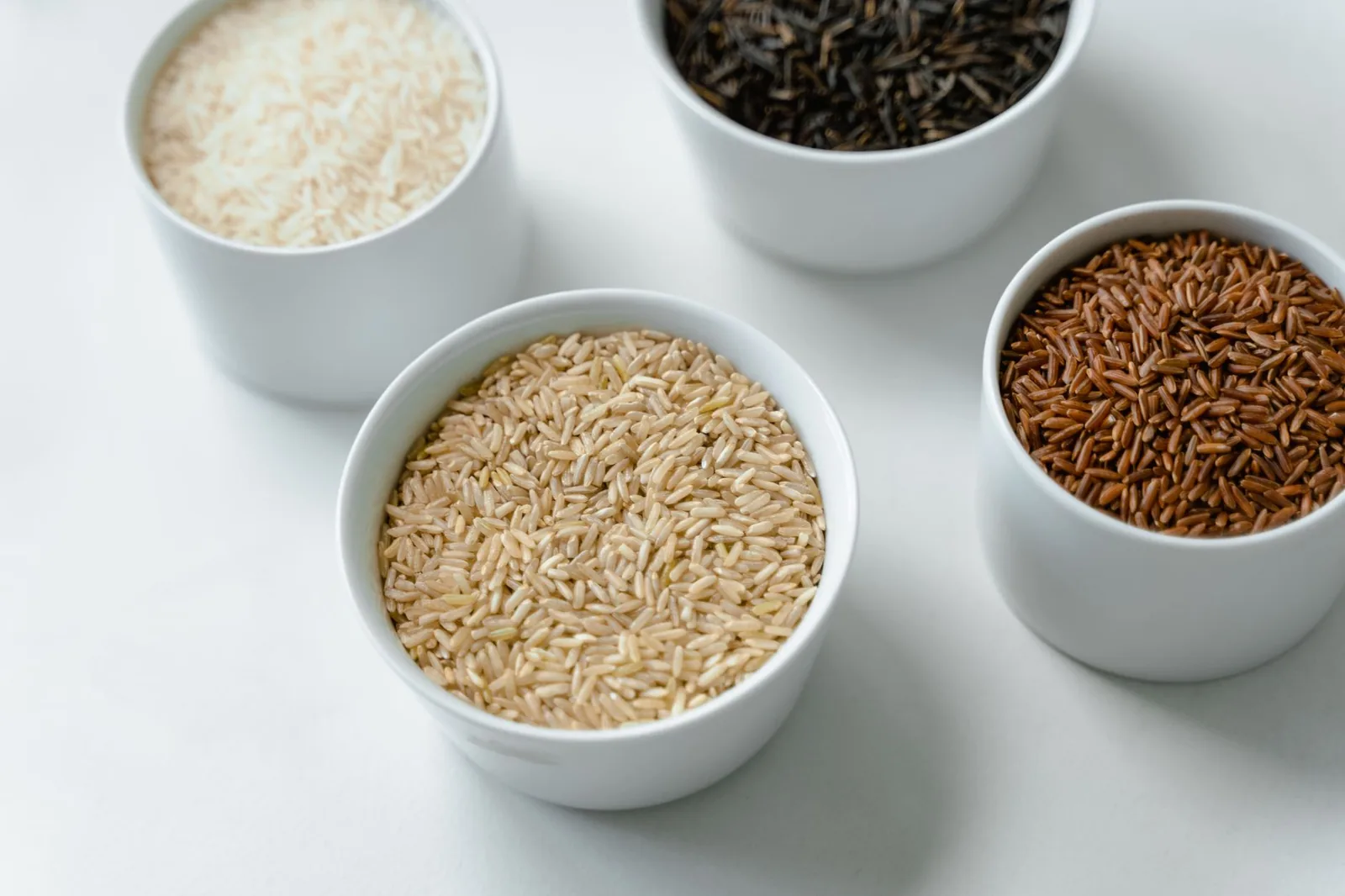
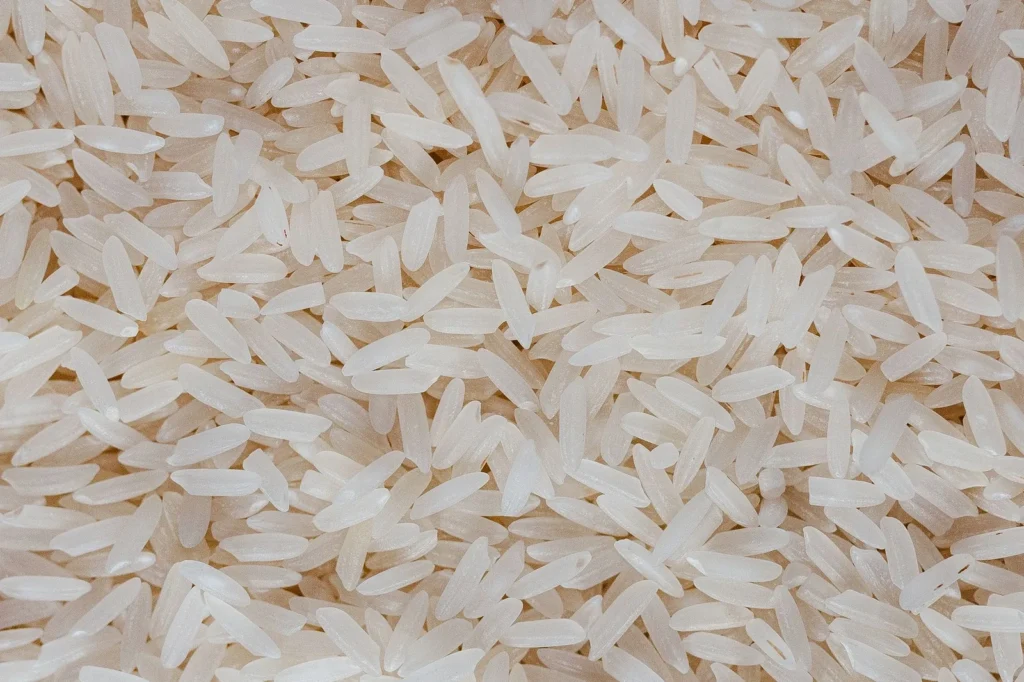
- 1 cup white rice (long-grain milled rice; cooks to separate, soft grains in about 15 minutes)
- 1/2 cup semolina flour (milled from durum wheat; adds bite to pasta and gnocchi)
- 1/4 cup cornstarch (pure refined starch; used to lighten textures and thicken sauces)
- 2 tbsp sugar (refined white sugar; controls browning and feeds yeast)
- 1 tsp salt (balances flavor in doughs and rice)
- 1/2 cup milk (adds moisture and protein to refined doughs)
- 2 tbsp neutral oil (prevents sticking and extends shelf life of cooked grains)
Ingredient Substitutions
All-purpose flour: Replace with an equal weight of cake flour for a more delicate sponge. Cake flour has lower protein and is chlorinated, so it absorbs more liquid and yields a finer crumb. You’ll notice less chew and a whiter crumb, which suits layer cakes but not rustic bread.
White rice: Use an equal volume of parboiled rice if you need grains that stay firmer after reheating. Parboiled rice is steam-treated before milling, so it retains more nutrients and resists mushiness. Expect a slightly yellow tint and a longer boil time of about 20 minutes.
Semolina flour: Swap with an equal weight of fine cornmeal for a gluten-free pasta alternative. Cornmeal lacks gluten, so the dough will be more fragile and needs egg to bind. The result is a softer noodle with a sweet corn note rather than wheaty bite.
Cornstarch: Replace with an equal amount of potato starch for sauce thickening. Potato starch gels at a lower temperature and turns clear, while cornstarch can cloud. Use it at the end of cooking to avoid breaking the slurry.
Neutral oil: Use melted butter in a 1:1 ratio for richer flavor in refined doughs. Butter contains water, so reduce milk by 1 tablespoon to keep hydration even. The baked item will brown faster due to milk solids.
Step-by-Step Instructions
- Measure 2 cups all-purpose flour and 1/2 cup semolina into a bowl; whisk with 2 tbsp sugar and 1 tsp salt on medium-low heat in a dry pan for 2 minutes to toast lightly and remove raw smell.
- Add 1/2 cup milk and 2 tbsp neutral oil to the flour mix; stir until a shaggy dough forms, then knead on medium-low heat bench for 8 minutes until smooth and golden and crispy edges appear when cooked test piece.
- Rinse 1 cup white rice under cold water until clear, then boil in 2 cups water on high heat for 5 minutes, cover and drop to medium-low heat for 10 minutes until grains are tender and water absorbed.
- Mix 1/4 cup cornstarch with 1/2 cup cold water to slurry; whisk into simmering sauce on medium heat for 3 minutes until it coats spoon and turns glossy.
- Rest dough under towel for 25–30 minutes so gluten relaxes; roll thin and cut as needed for pasta or flatbread.
- Cool cooked rice with 2 tbsp oil tossed on medium-low heat for 1 minute to keep grains separate before serving or storage.
Pro Tips
Store refined flour in an airtight container away from light to prevent rancid off-notes from residual germ oils. A cool pantry keeps it usable for up to 3 days once opened if humidity is low.
When baking with white rice, rinse until water runs clear to remove surface starch that causes clumping. This step gives you distinct grains instead of a sticky mass.
Use the natural food blog method of weighing flour for repeatable results instead of scooping, which compacts and adds up to 20% more per cup.
Toast semolina before mixing to deepen flavor; a 2 minutes dry pan toss on medium-low heat is enough and avoids burnt notes.
Rest cooked grains at room temp no more than 2 hours before chilling to block bacterial growth per food safety baseline.
Common Mistakes to Avoid
Overmeasuring flour by scooping the bag compresses it and yields dense bakes; spoon into cup and level instead. This single fix corrects most sunk muffins.
Boiling rice too hard after the initial 5 minutes bursts grains and makes paste; drop to medium-low heat and keep lid on.
Adding cornstarch slurry to a rolling boil causes lumps; pull pan to medium heat and whisk constantly for 3 minutes until smooth.
Skipping dough rest makes pasta springy and hard to roll; the 25–30 minutes window relaxes gluten so it stretches thin without snap-back.
Serving Suggestions
Pair steamed white rice with vegetable stir fry for a fast weeknight plate that balances the soft grain with crisp veg.
Slice the semolina flatbread and serve with italian broccoli as a side that uses the same cuisine family for cohesion.
Use refined flour cakes as base for energy bites if you want a higher protein snack after a light meal.
Offer a small aperitif spritz alongside refined grain crackers to contrast dry bubbles with starch sweetness.
Storage and Reheating
Keep cooked white rice in an airtight container in the fridge for up to 3 days; reheat to 165°F internal with a splash of water to steam through. Freeze extra portions for freeze for up to 2 months in flat bags.
Refined flour dough wrapped tight lasts up to 3 days chilled; bring to room temp 25–30 minutes before rolling. Do not leave out beyond 2 hours total.
Cornstarch-thickened sauce holds up to 3 days refrigerated; reheat on medium-low heat whisking to re-emulsify, not boil, to avoid thinning.
For leftovers with meat, reach for canned beef mix-ins and reheat the combined dish to 165°F before serving.
Recipe Variations
Enriched Dough Version
Add 1 egg and 2 tbsp butter to the flour mix for a richer bread. The crumb turns soft and cake-like, and bake time extends by 5 minutes at 180°C / 350°F. Expect a golden dome and shorter shelf life of up to 3 days.
Brown Rice Blend
Mix 1/2 cup white rice with 1/2 cup brown for chew and fiber while keeping lightness. Brown needs 25–30 minutes more simmer, so start it alone then add white at halfway. The bowl reads nutty with speckled grains.
Gluten-Free Pasta
Replace semolina with cornmeal and bind with 1 extra egg as noted in substitutions. Roll gently and cook 3 minutes in medium heat water; noodles are tender with corn sweetness. Serve vegan bulgogi on top for a full meal.
Quick Porridge
Simmer 1 cup white rice with 3 cups milk and 2 tbsp sugar for 25–30 minutes into a loose pudding. Stir on medium-low heat to avoid scald; finish with oil for sheen. This uses the refined grains guide ratio for a breakfast spin.
Herbed Flatbread
Knead 1 tsp dried oregano into dough before rest for aromatic bread. Bake at 180°C / 350°F 15 minutes until golden and crispy. Pair with rustic bread soup for texture contrast.

Refined Grains
Description
This refined grains guide walks you through working with all-purpose flour, white rice, semolina, and cornstarch to build tender bakes, fluffy rice, and silky sauces. It gives you tested substitutions, storage facts, and variations so you can cook with confidence.
Ingredients
Instructions
-
Toast Dry Flour Mix
Measure 2 cups all-purpose flour and 1/2 cup semolina flour into a bowl. Whisk with 2 tbsp sugar and 1 tsp salt in a dry pan over medium-low heat for 2 minutes to lightly toast and remove the raw smell; you should notice a faint nutty aroma and no raw flour scent when done.
-
Form And Knead Dough
Add 1/2 cup milk and 2 tbsp neutral oil to the flour mix and stir until a shaggy dough forms. Knead on a bench over medium-low heat for 8 minutes until smooth and golden with crispy edges appearing on a cooked test piece.
-
Boil White Rice
Rinse 1 cup white rice under cold water until the water runs clear, then boil it in 2 cups water over high heat for 5 minutes. Cover and drop to medium-low heat for 10 minutes until grains are tender and water is absorbed, showing separate soft grains.
-
Make Cornstarch Slurry
Mix 1/4 cup cornstarch with 1/2 cup cold water to form a slurry. Whisk it into a simmering sauce over medium heat for 3 minutes until it coats the spoon and turns glossy.
-
Rest Dough
Rest the dough under a towel for 25–30 minutes so the gluten relaxes. The dough should feel relaxed and stretch thin without snap-back when ready to roll.
-
Roll And Cut Dough
Roll the rested dough thin and cut as needed for pasta or flatbread. Aim for an even thin sheet that does not spring back during cutting.
-
Cool Cooked Rice
Toss the cooked rice with 2 tbsp oil over medium-low heat for 1 minute to keep grains separate. The grains should look glossy and distinct before serving or storage.
Nutrition Facts
Servings 4
- Amount Per Serving
- Calories 350kcal
- % Daily Value *
- Total Fat 12g19%
- Saturated Fat 4g20%
- Cholesterol 60mg20%
- Sodium 480mg20%
- Total Carbohydrate 38g13%
- Dietary Fiber 3g12%
- Sugars 6g
- Protein 22g44%
* Percent Daily Values are based on a 2,000 calorie diet. Your daily value may be higher or lower depending on your calorie needs.
Note
- Storage: Keep cooked white rice in an airtight container in the fridge for up to 3 days; reheat to 165°F internal with a splash of water to steam through.
- Weigh flour: Use the lard bread method of weighing flour for repeatable results instead of scooping, which compacts and adds up to 20% more per cup.
- Food safety: Rest cooked grains at room temp no more than 2 hours before chilling to block bacterial growth per food safety baseline.
- Toast semolina: Toast semolina before mixing in a dry pan on medium-low heat for 2 minutes to deepen flavor without burnt notes.
