

A good pork shoulder roast recipe turns a tough, fatty cut into meat that pulls apart with a fork and crisps at the edges. The secret is low heat over several hours so the connective tissue breaks down instead of seizing up. You get a main course that feeds a crowd with almost no hands-on work.
This version uses a dry rub and a slow oven roast, then a short rest so the juices redistribute. The result is meat with a deep savory crust and a moist interior. It’s the kind of dish that works for Sunday dinner and leaves enough for sandwiches or tacos the next day. Making this pork shoulder roast at home is surprisingly straightforward once you know the key steps.
Why You’ll Love These Pork Shoulder Roast
- Minimal prep: you rub and roast, no searing or special equipment required.
- Feeds many: a 4-pound roast gives about 10 cups of cooked meat.
- Flexible leftovers: slice, pull, or chop for meals across three days.
- Budget cut: shoulder costs less per pound than loin yet tastes richer.
Ingredients You’ll Need
- 4 lb bone-in pork shoulder roast (skin removed, fat cap left at 1/4 inch)
- 2 tbsp kosher salt
- 1 tbsp coarse black pepper
- 1 tbsp brown sugar
- 2 tsp smoked paprika
- 1 tsp garlic powder
- 1 tsp dried thyme
- 1 cup low-sodium chicken broth
- 1 large yellow onion, quartered
- 3 cloves garlic, smashed
Ingredient Substitutions
Smoked paprika: Replace with an equal amount of sweet paprika plus 1/2 tsp liquid smoke mixed into the rub. The color stays red but the smoke note comes from the additive rather than the pepper. You lose some of the woody depth but keep the barbecue-style aroma. The pork shoulder roast works well for weeknight cooking when time is limited.


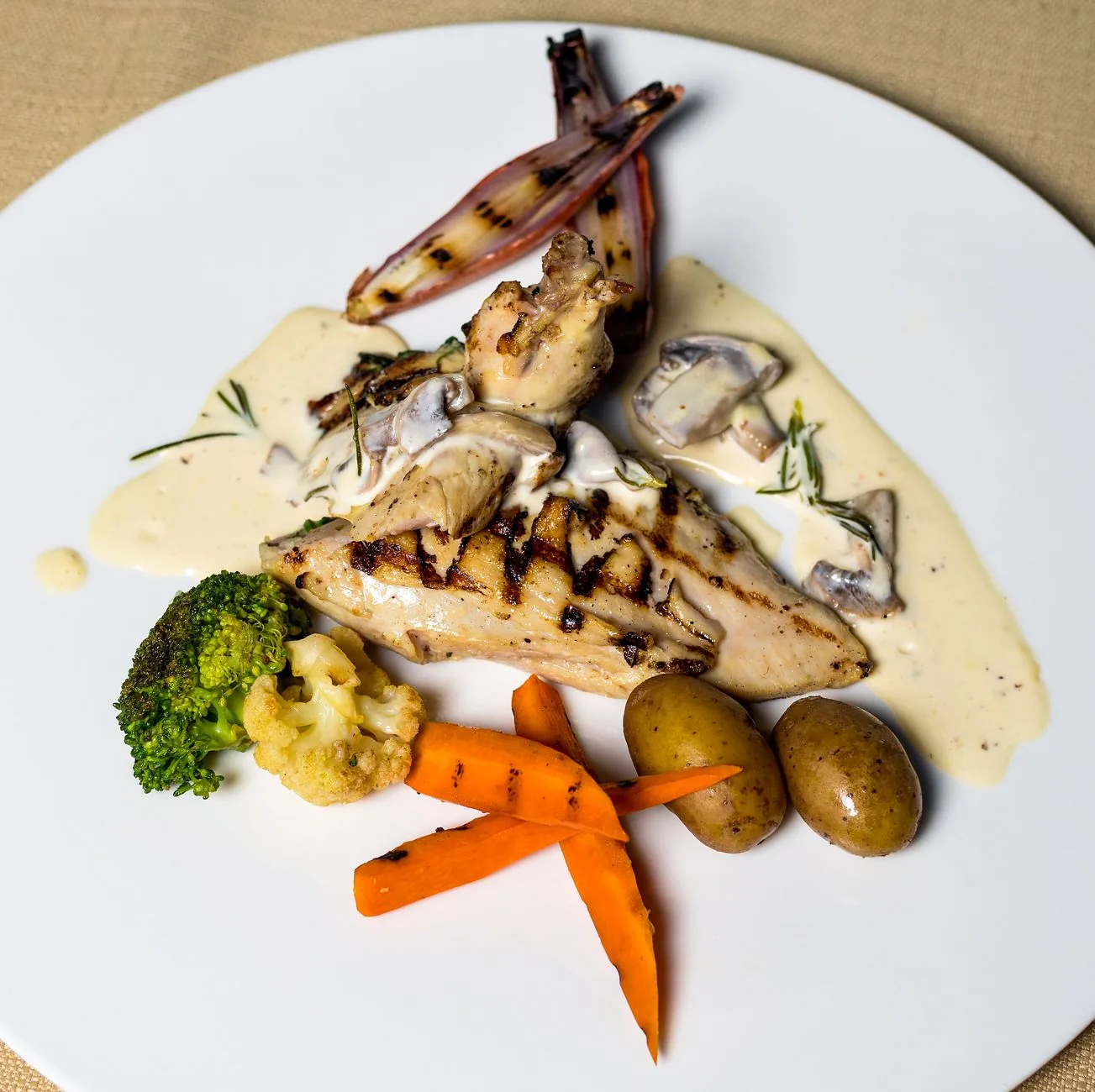


Brown sugar: Use an equal weight of coconut sugar for a less metallic sweetness. Coconut sugar dissolves slower so the crust caramelizes a shade darker. The flavor reads more like molasses than cane syrup. Storing leftover pork shoulder roast correctly keeps it tasting good for days.
Chicken broth: Swap for the same volume of apple cider to add fruit acidity. Cider reduces faster than broth so check the pan at the 3-hour mark. The pan sauce takes a tangy note that cuts the fat.
Garlic powder: Use 3 fresh cloves minced and worked into the rub instead. Fresh garlic can burn near the fat cap, so lower the oven by 10°F. You get a sharper, more pungent bite in the crust.
Step-by-Step Instructions
- Heat the oven to 150°C / 300°F. Place the onion and smashed garlic in a roasting pan just large enough for the roast.
- Mix salt, pepper, brown sugar, smoked paprika, garlic powder, and thyme in a bowl. Coat the roast on all sides, pressing the rub into the fat cap.
- Set the roast fat-side up on the onions. Pour the chicken broth into the pan bottom, avoiding the meat.
- Roast uncovered for 4 hours, until the internal temperature reaches 90°C / 195°F and a fork twists out with no resistance.
- Transfer the roast to a board and rest 20 minutes under loose foil. The center firms enough to slice without shredding.
- Pour pan juices through a strainer into a pitcher. Skim fat from the top before spooning over the sliced meat.
Pro Tips
Buy a roast with the skin off but the fat cap intact so the meat bastes itself while the top still crisps. A thin cap dries out; a thick one won’t render in time.
Roast on a wire rack inside the pan if you want the bottom dry rather than steamed. The slow roast method works best when air moves around the meat.
Check the pan at hour three so the broth hasn’t boiled off. Add 1/2 cup water if the bottom is dry to keep the drippings from scorching.
Slice against the muscle grain for neater pieces, then pull the remainder for tacos. Mixing both cuts on one platter gives guests a choice of texture.
Common Mistakes to Avoid
Cutting too soon loses half the juices back onto the board. Rest the roast the full 20 minutes before slicing.
Rubbing after the meat warms lets salt draw moisture to the surface. Season straight from the fridge so the crust sets instead of steaming.
Roasting above 160°C / 325°F tightens the fibers before collagen melts. Keep the oven at 150°C / 300°F for the full time.
Serving Suggestions
Slice the roast with a sharp knife and fan it over pork and pasta for a hearty plate. The broth drippings act as a light sauce without cream.
Pair with roasted root vegetables or a sharp slaw to offset the fat. A baked feta side adds salt and acidity that cuts the richness.
For casual service, pull the meat and set out tortillas, lime, and quick pickled onions. The leftovers also fill ground pork recipes fillings the next day.
Storage and Reheating
Refrigerate sliced meat in an airtight container with a little broth for up to 4 days. The liquid keeps the fibers from turning stringy when chilled.
Freeze pulled portions flat in zip bags for up to 3 months. Thaw overnight in the fridge before reheating to keep the texture even.
Reheat in a covered pan at medium-low heat until the center hits 74°C / 165°F. Microwave only in short bursts with a damp towel to avoid drying the edges.
Recipe Variations
Cider Braise Version
Replace the chicken broth with 2 cups apple cider and add 2 bay leaves to the pan. Braise covered for the first 2 hours, then uncover to brown. The meat takes a sweet-tart profile that suits autumn sides.
Porchetta-Style Rub
Swap the thyme for 1 tbsp fennel seed crushed with the pepper and add lemon zest. This mirrors the porchetta roast flavor without rolling the meat. Expect a brighter, anise-forward crust.
Slow Cooker Method
After rubbing, seat the roast in a slow cooker with the onions and broth on low for 8 hours. Finish under the broiler 5 minutes for a crust like the crock pot pork approach. The interior stays more uniform than oven-roasted.
Spicy Chipotle Roast
Add 2 tsp chipotle powder and 1 tbsp cider vinegar to the rub for a smoky heat. Use the pork belly ramen broth idea by serving slices over noodles. The spice builds slowly rather than hitting upfront.


Pork Shoulder Roast
Description
This low-and-slow oven roast turns a budget pork shoulder into fork-tender meat with a deep savory crust and moist interior. It feeds a crowd with almost no hands-on work and leaves flexible leftovers for sandwiches or tacos.
Ingredients
Instructions
-
Heat oven and prep pan
Heat the oven to 150°C / 300°F and position a rack in the lower third. Place the quartered 1 large yellow onion and 3 smashed garlic cloves in a roasting pan just large enough for the roast so the meat sits snugly without extra space.
-
Mix the dry rub
Mix 2 tbsp kosher salt, 1 tbsp coarse black pepper, 1 tbsp brown sugar, 2 tsp smoked paprika, 1 tsp garlic powder, and 1 tsp dried thyme in a bowl until evenly blended. This rub will form the savory crust as the roast slowly cooks.
-
Coat the roast
Coat the 4 lb bone-in pork shoulder roast on all sides with the rub, pressing the mixture firmly into the fat cap so it adheres. Season the meat straight from the fridge so the crust sets instead of steaming as it goes into the oven.
-
Set roast in pan
Set the roast fat-side up on top of the onions and garlic in the pan. Pour the 1 cup low-sodium chicken broth into the pan bottom, taking care to avoid pouring it over the meat so the top stays dry for crisping.
-
Roast uncovered
Roast uncovered at 150°C / 300°F for 4 hours, until the internal temperature reaches 90°C / 195°F and a fork twists out with no resistance, showing the collagen has fully melted. Check the pan at the 3-hour mark so the broth hasn't boiled off and add 1/2 cup water if the bottom is dry to keep drippings from scorching.
-
Rest the roast
Transfer the roast to a board and rest 20 minutes under loose foil so the juices redistribute and the center firms enough to slice without shredding. Cutting too soon loses half the juices back onto the board, so keep the foil loose and wait the full time.
-
Strain pan juices
Pour the pan juices through a strainer into a pitcher to remove the onion and garlic solids. Skim the fat from the top before spooning the savory liquid over the sliced meat as a light sauce.
-
Slice and serve
Slice the roast against the muscle grain with a sharp knife for neater pieces, then pull the remainder for tacos if desired. Fan the slices over a platter and spoon the skimmed juices on top to keep the meat moist at the table.
Nutrition Facts
Servings 10
- Amount Per Serving
- Calories 450kcal
- % Daily Value *
- Total Fat 28g44%
- Saturated Fat 10g50%
- Cholesterol 130mg44%
- Sodium 780mg33%
- Total Carbohydrate 4g2%
- Dietary Fiber 1g4%
- Sugars 2g
- Protein 42g84%
* Percent Daily Values are based on a 2,000 calorie diet. Your daily value may be higher or lower depending on your calorie needs.
Note
- Storage: Refrigerate sliced meat in an airtight container with a little broth for up to 4 days; keep leftovers within 2 hours of cooking to stay safe.
- Pro tip: Roast on a wire rack inside the pan if you want the bottom dry rather than steamed so air moves around the meat.
- Reheating: Reheat in a covered pan at medium-low until the center hits 74°C / 165°F, or see ground beef pork ideas for using leftovers.
- Resting: Rest the roast the full 20 minutes under loose foil before slicing to keep the juices in the meat.
