

Pork and pasta recipes are a match made in heaven, offering a wide range of flavors and textures to explore. The combination of tender pork and perfectly cooked pasta creates a satisfying and filling meal that is perfect for any occasion. In this article, we will delve into the world of pork and pasta, exploring different recipes and techniques to help you create delicious meals.
One of the key benefits of pork and pasta recipes is their versatility. Whether you prefer a hearty and comforting casserole or a light and refreshing salad, there is a pork and pasta recipe to suit your tastes. Additionally, pork and pasta are both relatively inexpensive ingredients, making them a great option for those on a budget.
When it comes to cooking pork and pasta, there are a few key things to keep in mind. First, it’s essential to choose the right type of pork for your recipe. Different cuts of pork have different levels of tenderness and flavor, so it’s crucial to select the right one for your dish. Second, cooking pasta to the right texture is vital. Overcooked pasta can be mushy and unappetizing, while undercooked pasta can be hard and chewy.
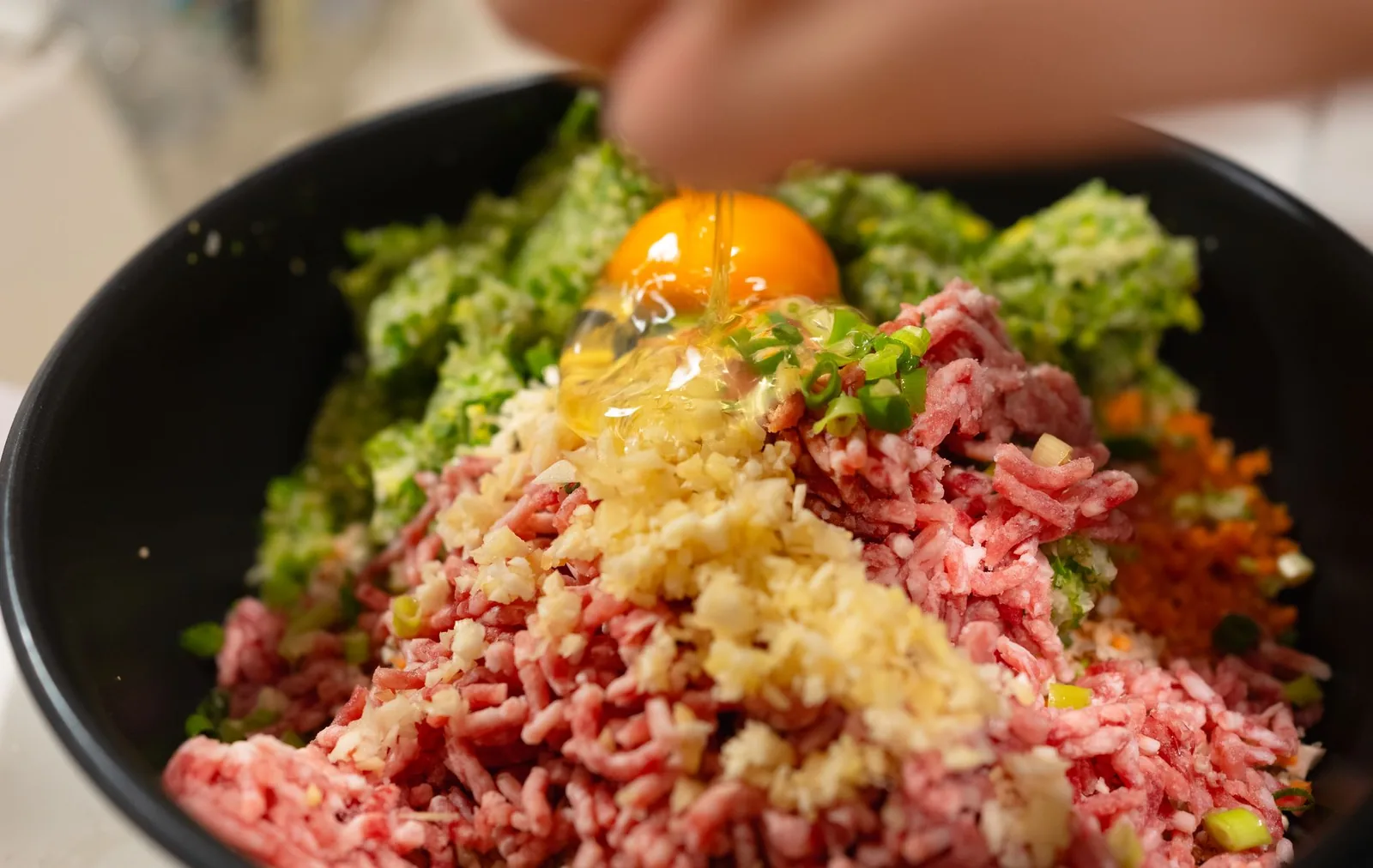
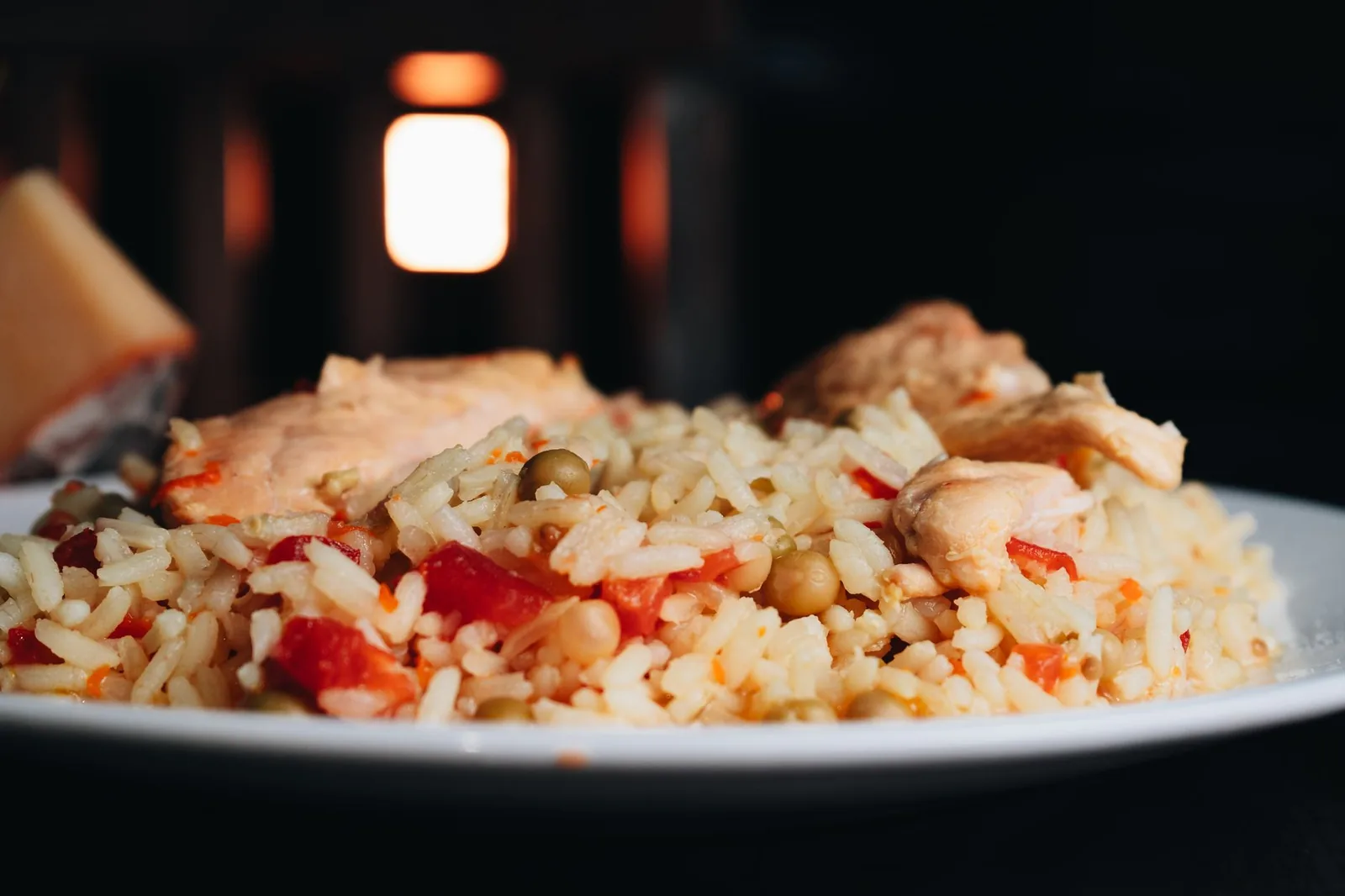
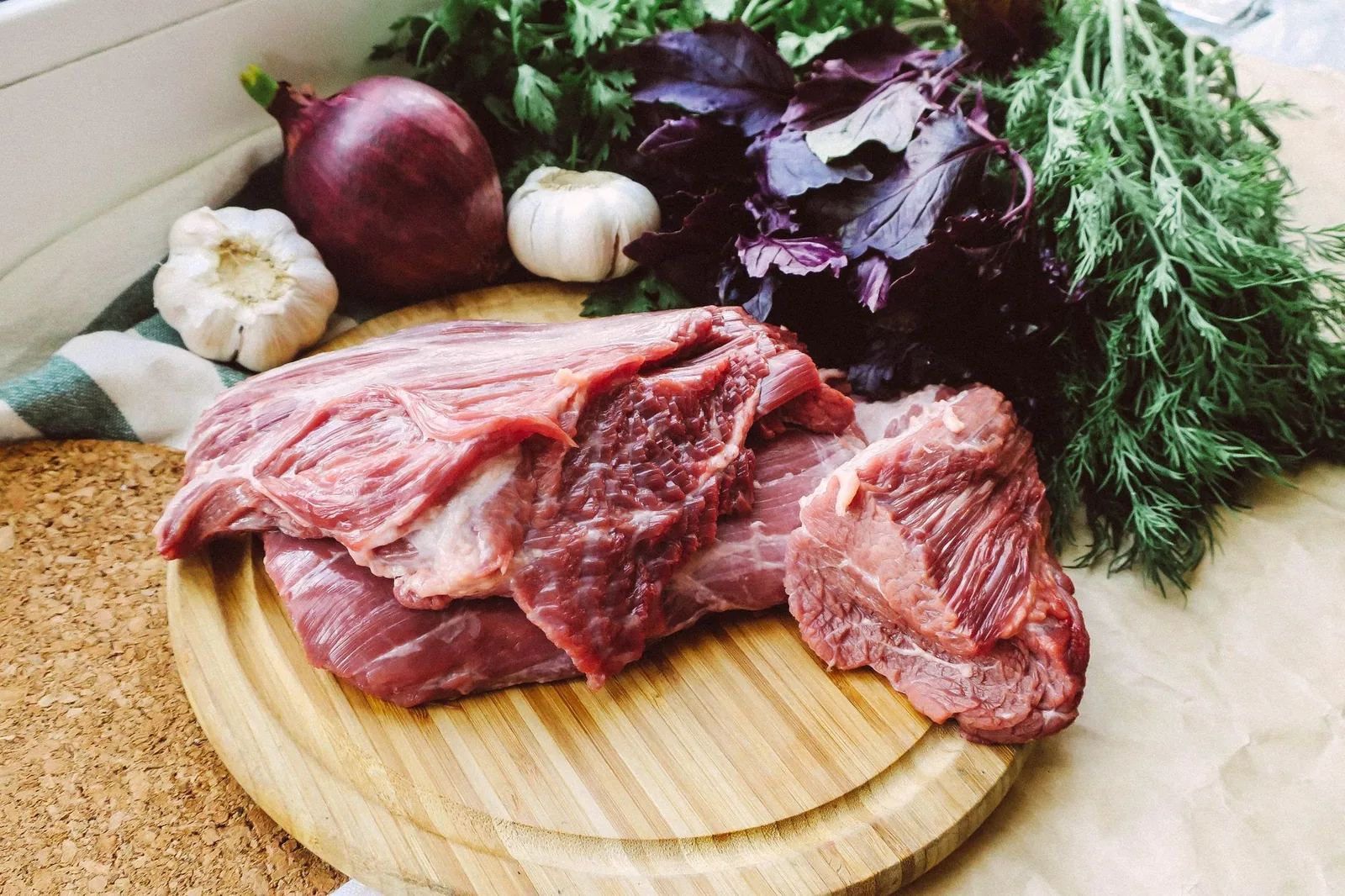
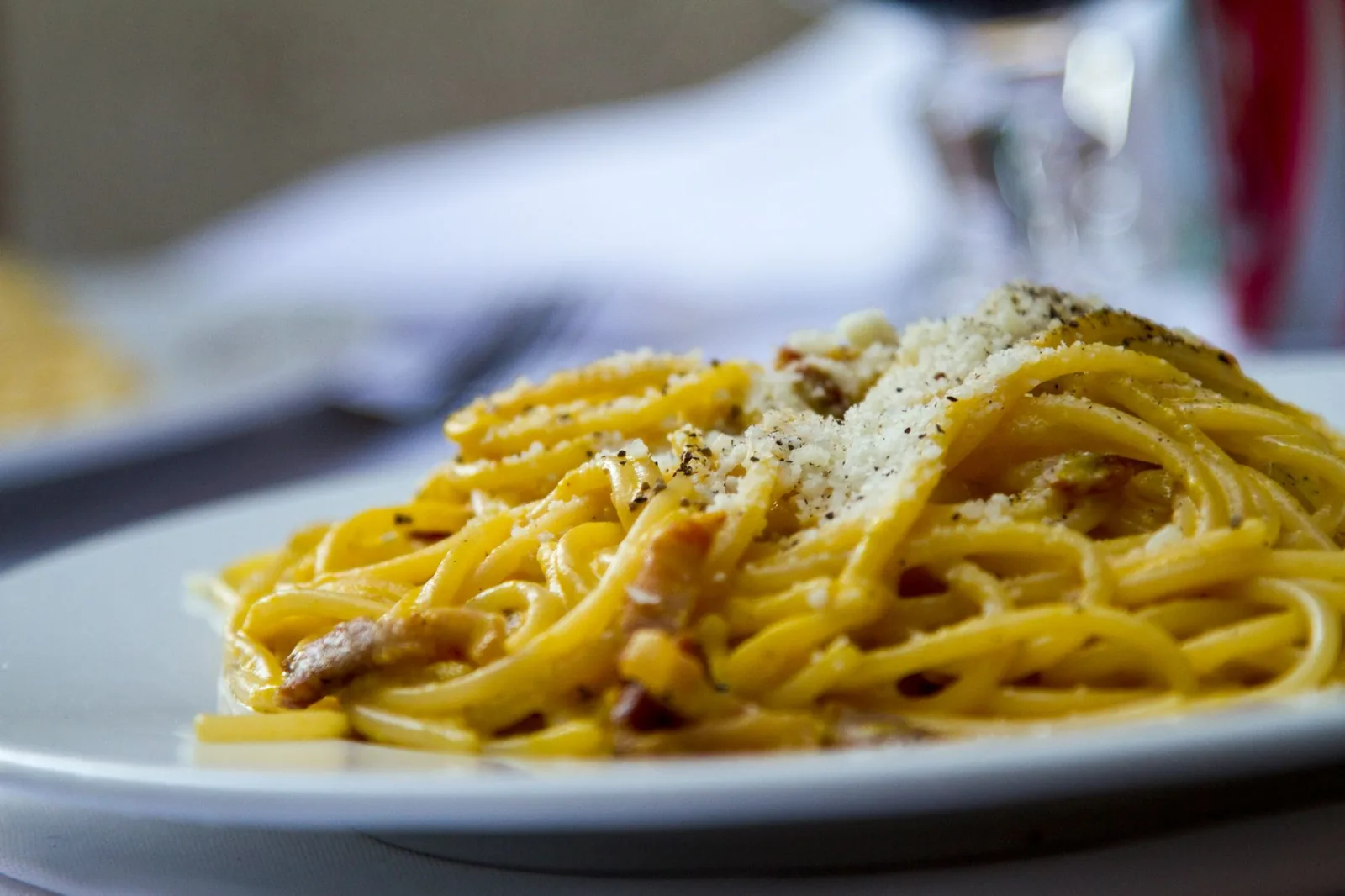
Why You’ll Love These Pork and Pasta Recipes
- Easy to make and customize
- Perfect for a quick weeknight dinner or a special occasion
- Can be made with a variety of pork cuts and pasta shapes
Ingredients You’ll Need
- 1 pound pork tenderloin, cut into bite-sized pieces
- 8 oz pasta of your choice (e.g., spaghetti, linguine, or penne)
- 2 tablespoons olive oil
- 1 onion, diced
- 2 cloves garlic, minced
- 1 cup chicken broth
- 1 cup grated Parmesan cheese
- Salt and pepper to taste
Ingredient Substitutions
Pork tenderloin: You can substitute pork tenderloin with pork loin or pork shoulder, but keep in mind that the cooking time may vary. Pork loin is leaner than pork shoulder, so it will cook faster, while pork shoulder is fattier and will take longer to cook. When using pork shoulder, it’s essential to brown it first to create a crispy crust, then finish cooking it in liquid to make it tender.
Spaghetti: You can substitute spaghetti with other long, thin pasta shapes like linguine or fettuccine. However, if you want a shorter pasta shape, you can use penne or rigatoni. Keep in mind that shorter pasta shapes cook faster than longer ones, so adjust the cooking time accordingly.
Chicken broth: You can substitute chicken broth with beef broth or vegetable broth, depending on your personal preference. However, keep in mind that using beef broth will give your dish a richer, more robust flavor, while vegetable broth will result in a lighter taste.
Step-by-Step Instructions
- Cook the pasta according to the package instructions until it’s al dente. Drain and set aside.
- In a large skillet, heat the olive oil over medium-high heat. Add the diced onion and cook until it’s translucent, about 3-4 minutes.
- Add the minced garlic and cook for an additional 1 minute, until fragrant.
- Add the pork tenderloin pieces to the skillet and cook until they’re browned on all sides, about 5-6 minutes. Remove the pork from the skillet and set it aside.
- Pour the chicken broth into the skillet, scraping the bottom to release any browned bits. Bring the broth to a simmer and cook until it’s reduced by half, about 2-3 minutes.
- Stir in the grated Parmesan cheese until it’s melted and smooth. Season the sauce with salt and pepper to taste.
- Return the cooked pasta to the skillet, tossing it with the sauce until the pasta is well coated.
- Add the cooked pork back into the skillet, tossing everything together to combine.
Pro Tips
For an extra creamy sauce, you can add a tablespoon of avocado sauce to the skillet with the chicken broth. This will give your dish a rich and velvety texture.
To cook the perfect pasta, make sure to use a large pot with plenty of salted water. This will help the pasta cook evenly and prevent it from sticking together. You can also add a tablespoon of olive oil to the water to prevent the pasta from sticking.
For more information on cooking techniques, you can visit cooking basics to learn more about the fundamentals of cooking.
When serving the dish, consider pairing it with a side of garlic bread or a simple green salad with lemon vinaigrette for a well-rounded meal.
Common Mistakes to Avoid
One common mistake when cooking pork and pasta is overcooking the pork. This can make the pork tough and dry, rather than tender and juicy. To avoid this, make sure to cook the pork until it reaches an internal temperature of 145°F, then let it rest for a few minutes before slicing.
Another mistake is not cooking the pasta long enough. Undercooked pasta can be hard and chewy, rather than tender and delicious. To avoid this, make sure to cook the pasta until it’s al dente, then drain it and set it aside.
A third mistake is not seasoning the dish enough. This can result in a bland and unappetizing meal. To avoid this, make sure to season the dish with salt and pepper to taste, and consider adding other herbs and spices to give it extra flavor.
Serving Suggestions
Pork and pasta recipes can be served in a variety of ways, depending on your personal preference. You can serve it as a main course, with a side of pasta salad or a simple green salad. You can also serve it as a side dish, paired with a protein like grilled chicken or shrimp.
Storage and Reheating
Pork and pasta recipes can be stored in the refrigerator for up to 3 days or frozen for up to 2 months. To reheat, simply microwave the dish until it’s steaming hot, or reheat it in a skillet on the stovetop over low heat.
Recipe Variations
Spicy Version
To make a spicy version of this recipe, you can add a diced jalapeno pepper to the skillet with the onion and garlic. This will give the dish a spicy kick and add extra flavor.
Vegan Version
To make a vegan version of this recipe, you can substitute the pork with tofu or tempeh, and use a vegan broth instead of chicken broth. You can also use nutritional yeast to give the dish a cheesy flavor.
Low-Carb Version
To make a low-carb version of this recipe, you can substitute the pasta with zucchini noodles or shirataki noodles. This will reduce the carb content of the dish and make it a healthier option.

pork and pasta recipes
Description
Pork and pasta is a classic combination that offers a wide range of flavors and textures. This recipe is perfect for a quick weeknight dinner or a special occasion.
Ingredients
Instructions
-
Cook the Pasta
Cook the pasta according to the package instructions until it's al dente. Drain and set aside. Make sure to use a large pot with plenty of salted water to prevent the pasta from sticking together.
-
Heat the Olive Oil
In a large skillet, heat the olive oil over medium-high heat. Add the diced onion and cook until it's translucent, about 3-4 minutes. The onion is done when it's soft and lightly browned.
-
Add the Garlic
Add the minced garlic and cook for an additional 1 minute, until fragrant. Be careful not to burn the garlic, as it can quickly become bitter.
-
Cook the Pork
Add the pork tenderloin pieces to the skillet and cook until they're browned on all sides, about 5-6 minutes. The pork is done when it reaches an internal temperature of 145°F.
-
Add the Chicken Broth
Pour the chicken broth into the skillet, scraping the bottom to release any browned bits. Bring the broth to a simmer and cook until it's reduced by half, about 2-3 minutes.
-
Add the Parmesan Cheese
Stir in the grated Parmesan cheese until it's melted and smooth. Season the sauce with salt and pepper to taste.
-
Combine the Pasta and Sauce
Return the cooked pasta to the skillet, tossing it with the sauce until the pasta is well coated. Add the cooked pork back into the skillet, tossing everything together to combine.
Nutrition Facts
Servings 4
- Amount Per Serving
- Calories 420kcal
- % Daily Value *
- Total Fat 18g28%
- Saturated Fat 6g30%
- Cholesterol 80mg27%
- Sodium 520mg22%
- Total Carbohydrate 42g15%
- Dietary Fiber 4g16%
- Sugars 8g
- Protein 30g60%
* Percent Daily Values are based on a 2,000 calorie diet. Your daily value may be higher or lower depending on your calorie needs.
Note
- Storage: Keep leftovers in an airtight container in the fridge for up to 3 days. For longer storage, freeze for up to 2 months.
- Make it ahead: Prep all ingredients the night before to save time. You can also cook the pasta and sauce ahead of time and combine them just before serving.
- Pro tip: Let the dish rest for 5 minutes before serving for best results. For more information on cooking techniques, visit our cooking basics page.
