

Hamachi collar recipe is a dish that combines the flavors of the sea with the simplicity of a home-cooked meal. The hamachi collar, also known as the neck or clavicle area of the fish, is a delicacy in many Asian cuisines. When cooked correctly, it can be a truly unforgettable experience. This hamachi collar recipe will guide you through the process of preparing this delicious dish.
The key to a great hamachi collar recipe is to use the freshest ingredients possible. The hamachi collar should be sashimi-grade, and the seasonings should be simple yet effective. A combination of soy sauce, sake, and mirin will give the dish a rich, savory flavor that complements the natural taste of the fish.
In this hamachi collar recipe, we will be pan-searing the fish to achieve a crispy exterior and a tender interior. This method allows for a nice caramelization of the seasonings, which adds depth and complexity to the dish. With a few simple steps, you can create a restaurant-quality hamachi collar recipe in the comfort of your own home. If you enjoyed this, our strawberry sauce only is worth trying next.
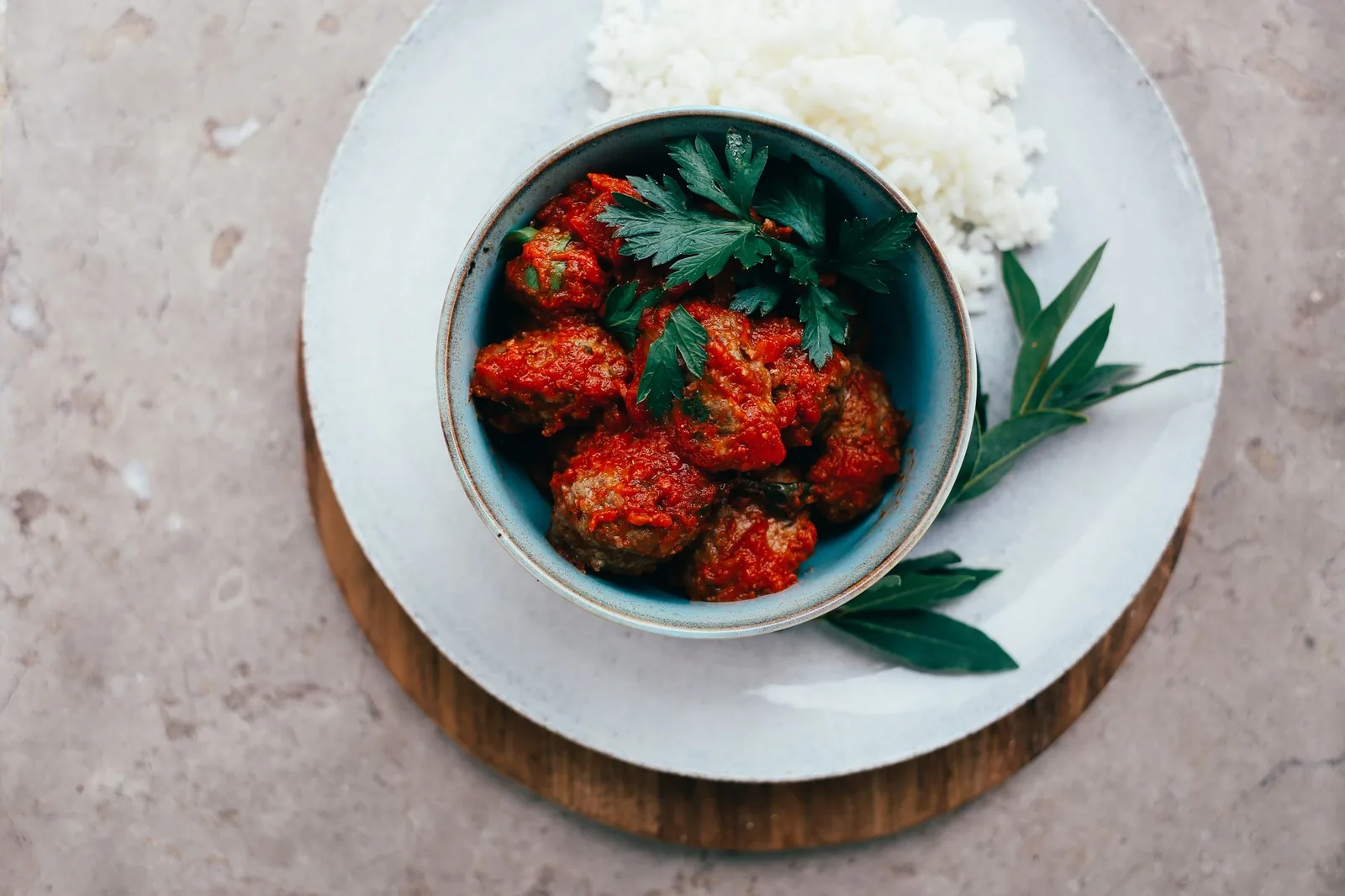
Why You’ll Love These Hamachi Collars
- Rich, savory flavor from the combination of soy sauce, sake, and mirin
- Crispy exterior and tender interior from pan-searing
- Simple yet effective seasonings that complement the natural taste of the fish
Ingredients You’ll Need
- 4 hamachi collars (sashimi-grade)
- 1/4 cup soy sauce
- 2 tablespoons sake
- 2 tablespoons mirin
- 2 tablespoons vegetable oil
- 2 cloves garlic, minced
- 1 tablespoon grated ginger
- Sesame seeds and chopped scallions for garnish
Ingredient Substitutions
Soy sauce: Replace with tamari for a gluten-free option. Tamari has a richer, more complex flavor than soy sauce, so use it sparingly. Start with a small amount and adjust to taste, as tamari can be quite strong.
Sake: Replace with dry white wine for a non-traditional flavor. White wine will add a slightly sweet and acidic taste to the dish, so balance it with a bit more soy sauce if needed. Use 1:1 ratio for substitution.
Mirin: Replace with sugar for a simpler flavor profile. Sugar will add a touch of sweetness without the complexity of mirin, so use it if you prefer a milder taste. Use 1/2 the amount of sugar as you would mirin, as it’s sweeter. For another easy option, check out our scottish potato scone.
Step-by-Step Instructions
- Preheat a large skillet or wok over medium-high heat. Add 1 tablespoon of vegetable oil and swirl it around to coat the pan.
- Add the minced garlic and grated ginger and cook for 1 minute, until fragrant.
- Add the hamachi collars and cook for 3-4 minutes per side, until they are cooked through and slightly charred.
- In a small bowl, whisk together the soy sauce, sake, and mirin. Pour the sauce over the hamachi collars and cook for an additional 1-2 minutes, until the sauce is bubbly and slightly thickened.
Pro Tips
For an extra crispy exterior, pat the hamachi collars dry with paper towels before cooking. This will help the seasonings stick to the fish and create a crunchier texture.
Don’t overcook the hamachi collars. They should be cooked through but still moist and tender. Overcooking will make the fish dry and tough.
For a more intense flavor, marinate the hamachi collars in the sauce for at least 30 minutes before cooking. This will allow the flavors to penetrate deeper into the fish.
Visit Minimalist Baker for more simple and delicious recipes.
Common Mistakes to Avoid
Not using sashimi-grade hamachi collars can result in a lower quality dish. Sashimi-grade fish is fresher and has a better texture, which is essential for this recipe.
Overcrowding the pan can lead to steaming instead of searing. Cook the hamachi collars in batches if necessary, to ensure they have enough room to cook evenly.
Not patting the hamachi collars dry before cooking can result in a soggy exterior. This step is crucial for creating a crispy texture. You might also like our traditional baked garlic.
Serving Suggestions
Serve the hamachi collars with a side of pasta or steamed vegetables for a well-rounded meal.
Garnish with sesame seeds and chopped scallions for a pop of color and added flavor.
Storage and Reheating
Store the cooked hamachi collars in an airtight container in the refrigerator for up to 3 days. Reheat them in the oven at 350°F (180°C) for 5-7 minutes, until warmed through. Pair this with our chicken quesadillas for more ideas.
Recipe Variations
Grilled Version
Grill the hamachi collars instead of pan-searing for a smoky flavor. Preheat the grill to medium-high heat and cook for 3-4 minutes per side, until cooked through.
Baked Version
Bake the hamachi collars in the oven for a healthier option. Preheat the oven to 400°F (200°C) and cook for 10-12 minutes, until cooked through.
Spicy Version
Add some heat to the dish by incorporating spicy sauce or red pepper flakes into the sauce. Start with a small amount and adjust to taste, as the heat level can quickly become overwhelming.
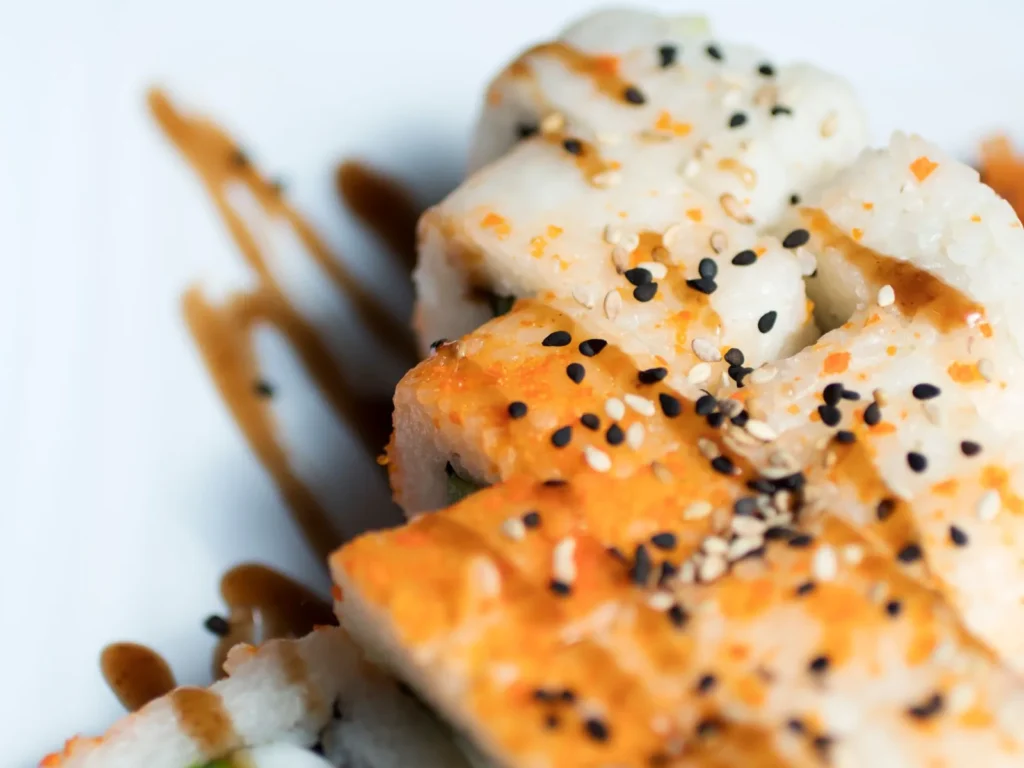

hamachi collar recipe
Description
Hamachi collar, a delicacy in many Asian cuisines, is pan-seared to perfection with a crispy exterior and a tender interior, offering a rich, savory flavor experience.
Ingredients
Instructions
-
Prepare the Pan
Preheat a large skillet or wok over medium-high heat. Add 1 tablespoon of vegetable oil and swirl it around to coat the pan. This step is crucial for preventing the fish from sticking to the pan.
-
Cook the Aromatics
Add the minced garlic and grated ginger and cook for 1 minute, until fragrant. Be careful not to burn the garlic as it can quickly become bitter.
-
Sear the Hamachi Collars
Add the hamachi collars and cook for 3-4 minutes per side, until they are cooked through and slightly charred. Ensure the pan is not overcrowded to achieve a nice sear.
-
Glaze with Sauce
In a small bowl, whisk together the soy sauce, sake, and mirin. Pour the sauce over the hamachi collars and cook for an additional 1-2 minutes, until the sauce is bubbly and slightly thickened.
Nutrition Facts
Servings 4
- Amount Per Serving
- Calories 300kcal
- % Daily Value *
- Total Fat 10g16%
- Saturated Fat 2g10%
- Cholesterol 40mg14%
- Sodium 400mg17%
- Total Carbohydrate 20g7%
- Dietary Fiber 2g8%
- Sugars 4g
- Protein 30g60%
* Percent Daily Values are based on a 2,000 calorie diet. Your daily value may be higher or lower depending on your calorie needs.
Note
- Storage: Keep leftovers in an airtight container in the fridge for up to 3 days. Reheat them in the oven at 180°C for 5-7 minutes, until warmed through.
- Make it ahead: Prep all ingredients the night before to save time. For a side dish, consider making our strawberry summer salad ahead of time as well.
- Pro tip: Let the dish rest for a few minutes before serving for best results. This allows the juices to redistribute, making the fish more tender and flavorful.
