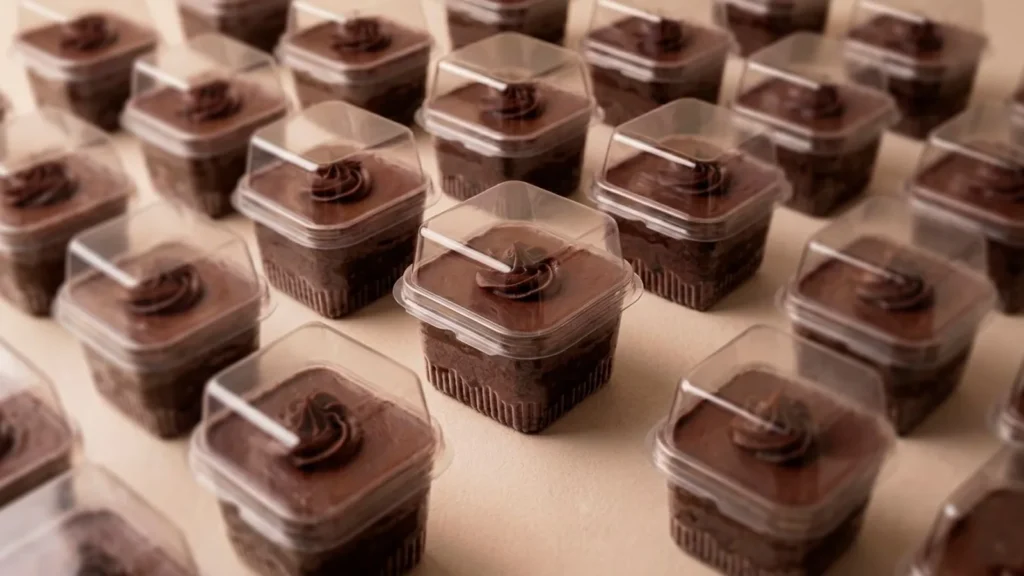
A good chocolate avocado frosting gives you the richness of a traditional buttercream without the dairy or the heavy powdered sugar load. This version relies on ripe avocado for body, cocoa for depth, and a touch of maple syrup for round sweetness. You end up with a smooth, scoopable topping that holds its shape on a cupcake but spreads easily across a sheet cake.
The reason this works is fat structure. Avocado pulp is mostly monounsaturated fat, which blends into a silky emulsion when whipped with liquid sweetener and cocoa. Unlike cream cheese frosting, it won't break if the kitchen is warm, and unlike whipped cream it won't weep after an hour on the counter. That stability makes chocolate avocado frosting a practical choice for birthday parties and bake sales.
This recipe is built for a standard food processor, not a whisk and elbow grease. You'll get a result close to a dark chocolate mousse in texture, but firm enough to pipe. Read through the steps before you start so the avocado is at the right ripeness when you blend. If you enjoyed this, our blog is worth trying next. Making this chocolate avocado frosting at home is surprisingly straightforward once you know the key steps.
Why You'll Love These Chocolate Avocado Frosting
- Uses one ripe avocado and pantry cocoa—no special shopping trip required.
- Naturally dairy-free and vegan when made with maple syrup, so it fits more diets at a party.
- Holds a soft peak at room temperature for up to two hours without melting or separating.
- Tastes like mild dark chocolate, not like avocado, once the cocoa and vanilla are in.
- Blends in under five minutes, which helps on a busy baking day.
Ingredients You'll Need
- 1 large ripe avocado (about 200 g), peeled and pitted—look for one that yields to gentle pressure.
- 1/3 cup unsweetened cocoa powder (30 g), sifted to remove lumps before blending.
- 1/4 cup pure maple syrup (60 ml) for sweetness and slight moisture.
- 2 tbsp coconut oil, melted, to firm the mix when chilled.
- 1 tsp vanilla extract for background flavor that masks any avocado note.
- 1/8 tsp fine sea salt to sharpen the chocolate taste.
Ingredient Substitutions
Maple syrup: Replace with an equal volume of agave nectar if you want a more neutral sweetness. Agave is slightly thinner, so the frosting will need an extra 10 minutes in the fridge to firm up before piping. The flavor stays clean and mild, though it lacks maple's faint caramel edge. The chocolate avocado frosting works well for weeknight cooking when time is limited.
Coconut oil: Use 2 tbsp of softened dairy-free butter for a less waxy mouthfeel. Butter substitutes blend faster but the frosting softens sooner at room temperature, around 70 minutes instead of two hours. Expect a slightly less glossy finish on the surface.
Cocoa powder: Swap with an equal weight of Dutch-process cocoa for a darker, milder chocolate with less acidity. Dutch cocoa absorbs a touch more liquid, so add 1 tsp of water if the blend looks dry. The color shifts from reddish brown to deep black-brown.
Vanilla extract: Replace with 1/2 tsp almond extract for a nutty profile that pairs well with chocolate sponge. Almond is stronger, so use half the amount to avoid a candy-like taste. The avocado note stays hidden either way. For another easy option, check out our terms use.
Step-by-Step Instructions
- Cut the avocado in half, remove the pit, and scoop the flesh into a food processor bowl. Make sure no brown spots are included, as they turn the frosting grey.
- Add the sifted cocoa, maple syrup, melted coconut oil, vanilla, and salt to the bowl. Keep the coconut oil just warm enough to pour, not hot, so it doesn't cook the avocado.
- Process on medium speed for 90 seconds, stopping once to scrape the sides with a spatula. The mix should look uniform and thick, with no streaks of green.
- Check the texture: it should ribbon off the blade and hold a soft mound. If it's loose, chill in the closed bowl for 10 minutes then blend 20 seconds more.
- Transfer to a piping bag or spoon directly onto cooled cake. The surface should be smooth and matte once spread, not shiny or cracked.
Pro Tips
Pick an avocado that yields at the neck, not just the body, since that spot ripens last and tells you the inside is creamy. A stringy avocado will leave bits in the frosting no matter how long you blend.
Chill your piping tip for 15 minutes before use if the kitchen is above 24°C, so the swirls keep their shape on the cake. Warm tools soften the coconut oil too fast.
For a glossy finish, whip in 1 tsp of melted coconut oil at the end on low speed for 10 seconds. This thin top layer catches light without changing the base texture.
Learn proper emulsion technique from Food Network if you want to adapt this to other fruit fats. Their guides cover why liquid fat must be added slowly to thick purees.
If you like green desserts, pair this with our avocado smoothie for a themed spread. The flavors echo without repeating exactly.
Common Mistakes to Avoid
Using an under-ripe avocado gives a pasty, bland frosting that never smooths out. Wait until the fruit yields under light thumb pressure or the cocoa can't mask the starchy taste.
Skipping the sift on cocoa creates tiny clumps that read as grit when piped. A 30-second sift saves you from reblending and warming the mix too much.
Spreading onto warm cake melts the coconut oil and turns the layer soupy. Cool the base to room temperature, about 25 minutes out of the oven, before frosting.
Adding extra maple syrup to taste without cutting liquid elsewhere makes the mix too thin to hold. If you sweeten more, offset with 1 tsp cocoa to keep body.
Serving Suggestions
Spoon chocolate avocado frosting over a cooled brownie slab and mark with a fork for a quick traybake. The slight bitterness of cocoa balances a fudgy base well.
Pipe rosettes onto vanilla cupcakes for a contrast of pale sponge and dark topping at a party. The stable texture means they survive a car ride to the venue.
Thin the leftover with 1 tbsp oat milk and use as a pasta sauce base for a savory twist, though most readers keep it for dessert. The fat carries garlic nicely if you go that route.
Offer a bowl alongside sliced strawberries so guests dip fruit. The chill from the fridge keeps it firm for up to 2 hours on a buffet.
Storage and Reheating
Keep the frosting in an airtight container in the fridge for up to 4 days. The coconut oil firms it, so let it sit 20 minutes on the counter before spreading again.
Freeze flat in a zip bag for up to 2 months, then thaw overnight in the fridge. Reblend 15 seconds to restore the ribbon texture after thawing.
Do not leave it out more than 2 hours total, since avocado oxidizes and the oils soften past safe piping. Discard if it smells sour or shows grey streaks.
For a make-ahead cake, frost then chill; the layer won't crack if you use our rustic bread crumbs as a base border. The crumb absorbs slight condensation.
Recipe Variations
Mint Version
Add 1/4 tsp peppermint extract with the vanilla for a cool note that reads like a chocolate mint patty. Use only that amount, as mint oil is potent and can overwhelm the cocoa. The color stays dark, so no food dye needed.
Orange Zest Version
Stir in 1 tsp grated orange peel after blending for a bright citrus lift against the deep cocoa. The oils in the zest cut the richness, making it suit a plain sponge. Avoid bottled oil, which turns the taste perfumed.
Espresso Version
Dissolve 1 tsp instant espresso in the maple syrup before adding to intensify the chocolate. The coffee note makes the frosting taste like a mocha cream without dairy. This pairs well with a noodle dish contrast on a fusion dessert plate if you experiment.
Peanut Butter Swirl
Fold 2 tbsp smooth peanut butter into half the batch, then layer with plain for a striped look. The nut fat firms slower, so chill the swirled cake 30 minutes before slicing. The flavor reads like a peanut cup topping.