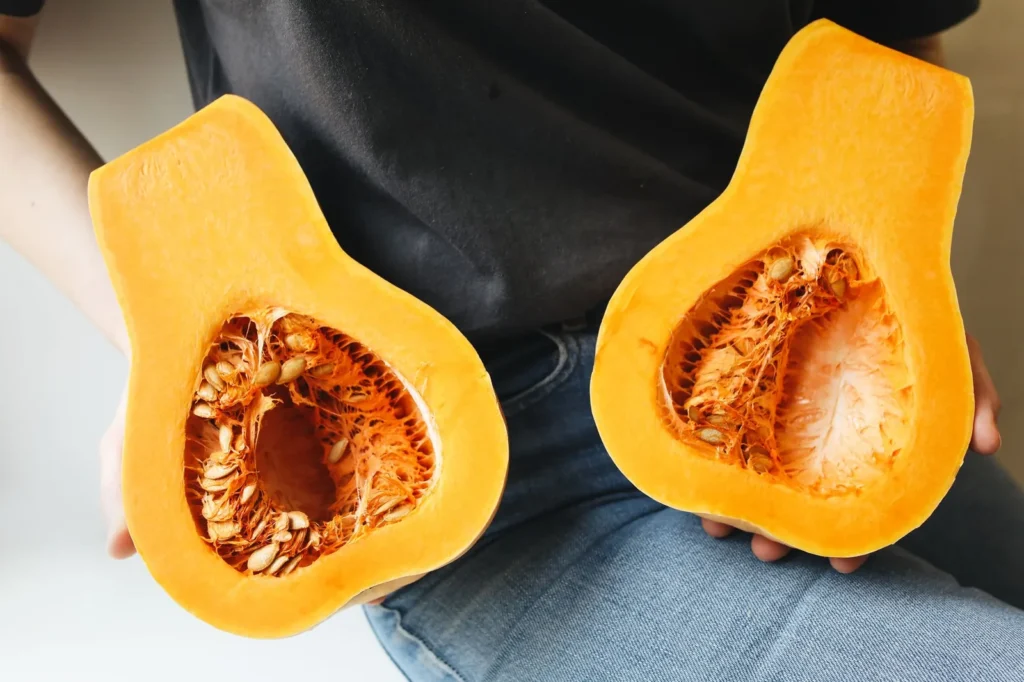
Butternut squash mac and cheese is a creamy baked pasta where roasted squash blends into the cheese sauce for natural sweetness and a velvety texture. This version skips the heavy cream load and lets the vegetable do real work in the pan. You get a comforting dinner that hides extra vegetables without tasting like a compromise.
The method below builds the sauce from a quick roux, then folds in roasted butternut puree and a two-cheese blend. It bakes into a golden and crispy top while staying soft underneath. If you like a milder orange pasta, this is a reliable route that won't turn out gluey. Making this butternut squash mac and cheese at home is surprisingly straightforward once you know the key steps.
Why You'll Love These Butternut Squash Mac And Cheese
The squash puree thickens the sauce so you use less butter than a standard baked mac.
It reheats into a scoopable lunch without splitting if you follow the storage steps.
Kids accept the orange color as 'cheese' and eat the vegetables without a debate.
You can bake it in one dish after the sauce is built, so cleanup stays small.
Ingredients You'll Need
350 g elbow macaroni – the standard curve holds sauce better than long pasta.
600 g butternut squash, peeled and cubed – roasted until soft for a sweet base.
2 tbsp unsalted butter – starts the roux and carries flavor.
2 tbsp all-purpose flour – thickens the milk into a stable sauce.
500 ml whole milk, warmed – prevents the roux from seizing when added.
120 g sharp cheddar, grated – gives the main cheese bite.
60 g parmesan, grated – adds salt and a dry melt for the top.
1/2 tsp smoked paprika – keeps the color warm and adds light smoke.
1/4 tsp ground nutmeg – pairs with squash better than black pepper here.
1 tsp salt, plus more for pasta water – controls the final seasoning.
2 tbsp olive oil – coats the squash before roasting.
Ingredient Substitutions
Whole milk: Replace with an equal volume of unsweetened oat milk for a dairy-light version. Oat milk thickens less than cow's milk, so keep the flour at 2 tbsp and simmer the sauce 2 minutes longer to firm it. Expect a slightly less rich mouthfeel and a fainter dairy note in the background. The butternut squash mac and cheese works well for weeknight cooking when time is limited.
Sharp cheddar: Swap for an equal weight of gruyere if you want a nutty, more adult flavor. Gruyere melts smoother than cheddar and browns faster, so lower the oven by 10°C for the bake. The sauce will taste less tangy and more rounded. Storing leftover butternut squash mac and cheese correctly keeps it tasting good for days.
Elbow macaroni: Use the same weight of small shells if that is what you have. Shells trap more puree inside, so the first bite reads creamier than with elbows. No change to cook time is needed if the package boil time matches. For the best results with this butternut squash mac and cheese, read through all the steps before starting.
All-purpose flour: Replace with an equal weight of cornstarch mixed into the cold milk first. Cornstarch sets clearer and lighter than wheat flour, so the sauce stays glossy rather than opaque. Do not let it boil hard or it can thin out after standing.
Step-by-Step Instructions
Heat the oven to 200°C / 400°F and toss the cubed squash with olive oil and a pinch of salt on a tray. Roast for 25–30 minutes until a knife slides through with no resistance, then blend with 100 ml of the warm milk until smooth.
Boil the macaroni in salted water for 1 minute less than the package says, aiming for firm to the bite. Drain and set aside; it finishes in the oven later.
Melt the butter on medium-low heat in a wide pot, then stir in the flour and cook 2 minutes until it smells like toast but has not browned.
Pour in the remaining warm milk slowly while whisking on medium heat until the base coats a spoon and shows no lumps.
Stir the squash puree, smoked paprika, nutmeg, and salt into the white sauce until the color is even and the texture is pourable.
Take the pot off the heat and fold in the cheddar until melted, then add the drained pasta and mix so every piece is coated.
Scrape into a 2-litre baking dish, scatter parmesan on top, and bake at 180°C / 350°F for 20 minutes until the surface is golden and crispy.
Rest the dish 5 minutes before serving so the sauce thickens to a scoopable set rather than a runny puddle.
Pro Tips
Warm the milk before adding it to the roux so the sauce stays smooth instead of clumping at the pan bottom.
Roast the squash a day ahead and store it covered; the butternut squash prep is the same base many pasta dishes use.
Grate cheese from a block rather than using pre-shredded bags, which contain starch that can make the sauce grainy.
For a looser sauce, hold back 50 ml of milk and stir it in after baking if the bake looks dry.
Learn proper roux handling from roux technique if your sauce ever breaks or tastes floury.
Common Mistakes to Avoid
Overcooking the pasta before baking leaves no structure, so it turns to mush; pull it at firm to the bite.
Adding cold milk to hot butter flour causes lumps that never whisk out; always warm the milk first.
Skipping the rest time means the sauce runs off the pasta when plated instead of clinging to it.
Serving Suggestions
Plate the pasta next to a sharp green like the strawberry salad to cut the richness with acid. A slice of chevre cheese on the side adds a contrasting tang. For a fuller table, the three cheese version works as a backup bake when guests want plainer cheese.
Storage and Reheating
Cool the dish within 2 hours and keep it in an airtight container for up to 3 days in the fridge. Reheat single portions in a 180°C oven for 15 minutes until steaming at the center. The baked pasta method freezes the same way if you want a second batch. Freeze for up to 2 months and thaw overnight before reheating.
Recipe Variations
Bacon Topping
Add 80 g of cooked, crumbled bacon over the parmesan before baking. The fat crisps the top faster, so check at 15 minutes to avoid burning. You get a smoky, salty crust against the sweet squash base.
Spicy Version
Stir 1/2 tsp cayenne into the sauce with the paprika for a clear heat line. Keep the nutmeg so the squash still reads as sweet underneath the spice. Serve with cooling fruit dip on a side plate if kids find it hot.
Gluten-Free Option
Use corn pasta and replace flour with the cornstarch swap from the substitutions list. Corn pasta softens quicker, so boil it 1 minute less than wheat elbows. The bake holds together but the bite is slightly more delicate.
Butternut squash mac and cheese is a creamy baked pasta where roasted squash blends into the cheese sauce for natural sweetness and a velvety texture. This version skips the heavy cream load and lets the vegetable do real work in the pan while baking into a golden, crispy top.
Ingredients
350g elbow macaroni
600g butternut squash, peeled and cubed
2tbsp unsalted butter
2tbsp all-purpose flour
500ml whole milk, warmed
120g sharp cheddar, grated
60g parmesan, grated
1/2tsp smoked paprika
1/4tsp ground nutmeg
1tsp salt, plus more for pasta water
2tbsp olive oil
100ml of the warm milk (used in blending squash puree)
Instructions
1
Roast the squash
Heat the oven to 200°C / 400°F and toss the cubed squash with olive oil and a pinch of salt on a tray. Roast for 25–30 minutes until a knife slides through with no resistance, then blend with 100 ml of the warm milk until smooth.
2
Boil the macaroni
Boil the macaroni in salted water for 1 minute less than the package says, aiming for firm to the bite. Drain and set aside; it finishes in the oven later so it should not be fully soft yet.
3
Make the roux
Melt the butter on medium-low heat in a wide pot, then stir in the flour and cook 2 minutes until it smells like toast but has not browned. This builds a stable base so the sauce will not taste floury.
4
Build milk sauce
Pour in the remaining warm milk slowly while whisking on medium heat until the base coats a spoon and shows no lumps. Keep whisking so the roux stays smooth instead of clumping at the pan bottom.
5
Add squash and spices
Stir the squash puree, smoked paprika, nutmeg, and salt into the white sauce until the color is even and the texture is pourable. The sauce should look uniform orange and flow easily off the spoon.
6
Fold cheese and pasta
Take the pot off the heat and fold in the cheddar until melted, then add the drained pasta and mix so every piece is coated. Grate cheese from a block so the sauce stays smooth rather than grainy.
7
Bake the dish
Scrape into a 2-litre baking dish, scatter parmesan on top, and bake at 180°C / 350°F for 20 minutes until the surface is golden and crispy. Check that the top is browned and the edges bubble before removing.
8
Rest before serving
Rest the dish 5 minutes before serving so the sauce thickens to a scoopable set rather than a runny puddle. This wait helps the sauce cling to the pasta when plated.
Nutrition Facts
Servings 4
Amount Per Serving
Calories450kcal
% Daily Value *
Total Fat18g28%
Saturated Fat9g45%
Cholesterol45mg15%
Sodium650mg28%
Total Carbohydrate55g19%
Dietary Fiber4g16%
Sugars7g
Protein18g36%
* Percent Daily Values are based on a 2,000 calorie diet. Your daily value may be higher or lower depending on your calorie needs.
Note
Storage: Cool the dish within 2 hours and keep it in an airtight container for up to 3 days in the fridge.
Make ahead: Roast the squash a day ahead as the same base many pasta dishes use, like the squash pasta bake.
Pro tip: Grate cheese from a block rather than pre-shredded bags, which contain starch that can make the sauce grainy.
Rest: Let the dish rest 5 minutes before serving so the sauce thickens to a scoopable set.
Keywords:
butternut squash, mac and cheese, baked pasta, roasted squash, cheddar, parmesan, elbow macaroni, comfort food
Pin this recipe to share with your friends and followers.
Anna
Food and Lifestyle Blogger
Hi, I’m Anna — a wellness enthusiast, recipe creator, and founder of Cook Recipe. I love making healthy, easy, and feel-good meals that inspire others to live happier, more balanced lives. When I’m not in the kitchen, you’ll find me exploring new places or flowing through a yoga session! 🌿