

The best weeknight dinner I keep coming back to is apple cider pork chops seared hard in a cast iron skillet and finished in a reduced cider pan sauce. You get a deep brown crust on the meat and a glossy, sweet-tart glaze that clings to every bite. This method keeps the chops juicy instead of dry, which is the usual problem with lean pork.
What makes this version work is using real unfiltered apple cider, not juice, and pulling the pork at the right internal temperature. The cider cooks down with shallots and a touch of butter to a syrup that tastes like late autumn. You’ll have dinner on the table in about 35 minutes with one pan to wash. Making this apple cider pork chops at home is surprisingly straightforward once you know the key steps.
If you like pork cooked low and slow instead, the pork loin in the crock pot is a solid backup plan for busy mornings. The apple cider pork chops works well for weeknight cooking when time is limited.


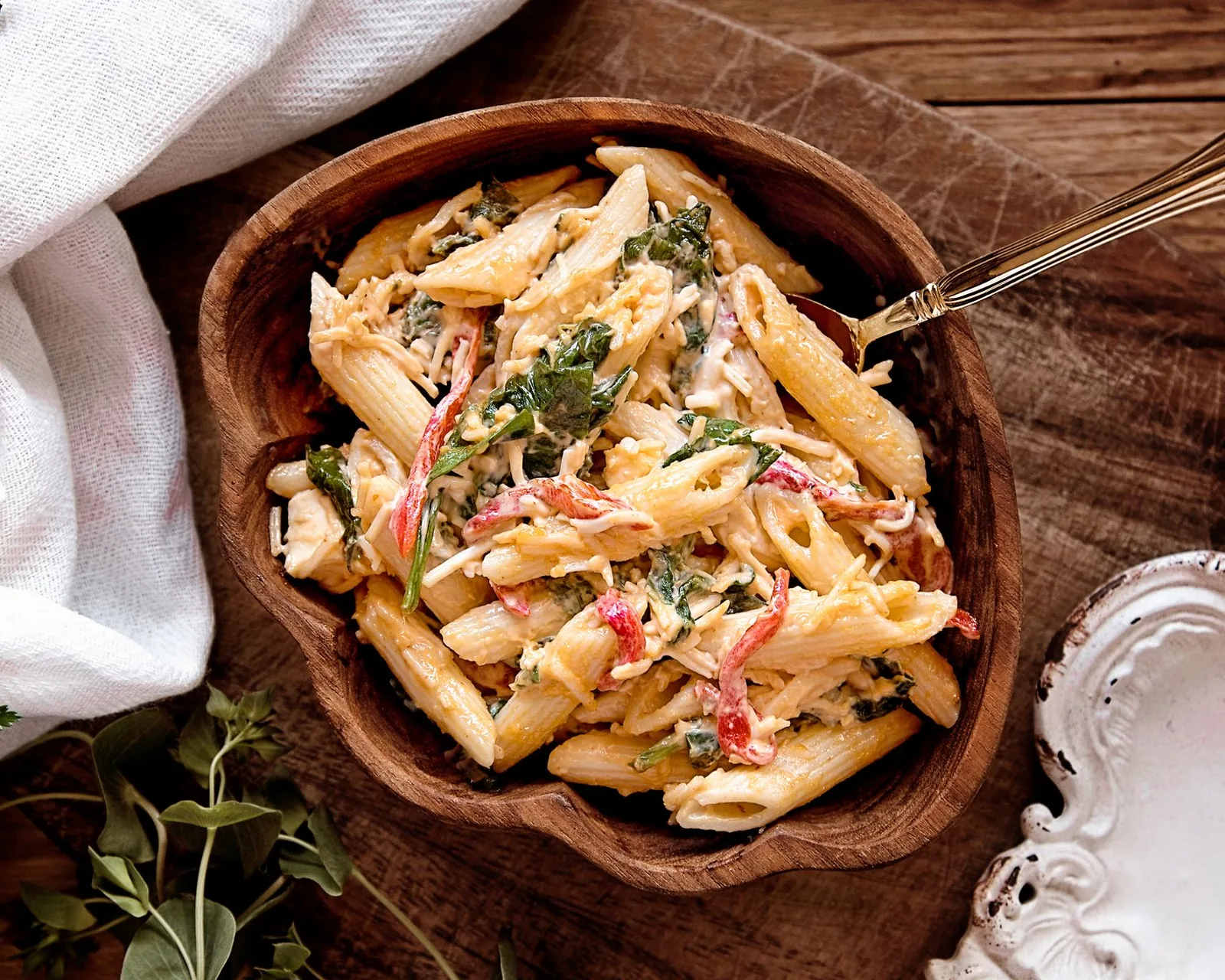


Why You’ll Love These Apple Cider Pork Chops
- One skillet means less cleanup and more pan sauce
- Unfiltered cider gives a real apple tang, not sugary sweetness
- Boneless chops cook in under 15 minutes after searing
- The glaze works on chicken thighs too if you swap protein
- Uses pantry staples plus one seasonal bottle of cider

Ingredients You’ll Need
- 4 boneless pork chops, 1 inch thick (about 1.5 lb total)
- 1 cup unfiltered apple cider (not clarified juice)
- 2 tbsp olive oil
- 1 large shallot, finely diced
- 2 cloves garlic, minced
- 1 tbsp fresh thyme leaves
- 2 tbsp unsalted butter
- 1 tbsp Dijon mustard
- 1 tbsp brown sugar
- 3/4 tsp salt
- 1/2 tsp black pepper
Ingredient Substitutions
Unfiltered apple cider: Replace with 1 cup pear cider if apples are out of season. Pear cider is lighter and less tannic, so add 1 tsp lemon juice to keep the sauce from tasting flat. The glaze will be more floral and a shade paler, but it still reduces to the same syrup thickness in about the same time. Storing leftover apple cider pork chops correctly keeps it tasting good for days.
Boneless pork chops: Use bone-in chops of equal thickness, but extend the sear by 2 minutes per side. The bone insulates the center, so check the temperature early and pull at 145°F. Expect slightly more flavor from the bone and a longer rest of 6 minutes before slicing. For the best results with this apple cider pork chops, read through all the steps before starting.
Dijon mustard: Swap for 1 tsp whole-grain mustard for a coarser texture. Whole-grain holds its seeds through the reduction and gives small bursts of sharpness. The sauce looks speckled rather than smooth, which some prefer with rustic pork dishes.
Fresh thyme: Use 1 tsp dried thyme if fresh isn’t available. Dried herbs release slower, so add them with the shallots instead of at the end. The flavor is a bit more muted, but the dish stays balanced. If you enjoyed this, our pork chops supreme is worth trying next.
Step-by-Step Instructions
- Pat the pork chops dry and season both sides with salt and pepper. Dry surface is what lets the meat brown instead of steam in the pan.
- Heat medium-high heat with olive oil in a 12-inch cast iron skillet. Lay chops in without crowding and sear 3 minutes per side until golden and crispy. Move to a plate.
- Lower to medium-low heat and add shallot. Cook 2 minutes until soft, then stir in garlic and thyme for 30 seconds until fragrant.
- Pour in cider, mustard, and brown sugar. Scrape the browned bits off the pan bottom and simmer 5 minutes until liquid drops by half.
- Add butter and swirl until the sauce turns glossy. Return chops with juices and spoon sauce over them for 2 minutes to reheat through.
- Pull pork at 145°F internal and rest 5 minutes before serving so the juices settle.
Pro Tips
Get the skillet fully hot before the chops go in; a cold pan gives gray meat and no crust. Cast iron holds heat better than nonstick for this sear.
Deglaze with a wooden spoon so you capture the fond, which is where most of the savory flavor lives. Skipping this leaves the sauce one-note sweet.
Rest the chops off the heat, not in the sauce, or the crust softens. A wire rack works better than a plate for keeping the bottom dry.
For a thicker glaze, reduce the cider by itself first, then add the other liquids. This trick from cast iron cooking speeds up the final step.
Common Mistakes to Avoid
Crowding the pan drops the temperature and steams the pork. Cook in two batches if your skillet is under 12 inches.
Using apple juice instead of cider gives a thin, candy-like sauce with no tannin. The real apple cider cocktail base is unfiltered for a reason.
Overcooking past 150°F tightens the protein and pushes out moisture. A quick read with a thermometer beats guessing by color.
Serving Suggestions
Spoon the cider glaze over mashed potatoes to catch every drop. The starch balances the acid and makes the plate feel complete.
Roast Brussels sprouts alongside for a matching fall menu. A apple pie filling dessert keeps the fruit theme going without much effort.
Slice leftovers thin over arugula with the cold sauce as dressing. The pork stays tender and the greens cut the richness.
Storage and Reheating
Keep cooled chops in an airtight container up to 3 days in the fridge. Separate the sauce so it doesn’t gelatinize around the meat.
Reheat in a covered skillet on medium-low heat until the pork hits 165°F internal. Microwaving dries the edges before the center warms.
The dish does not freeze well because the cider sauce separates when thawed. Make pork and pasta instead if you need freezer meals.
Recipe Variations
Maple Bourbon Version
Add 1 tbsp bourbon and 1 tbsp maple syrup with the cider. The alcohol cooks off in the reduction and leaves a smoky-sweet note. Serve with the same glaze for a deeper, darker sauce.
Apple Slice Addition
Layer 1 sliced firm apple with the shallots so it softens in the sauce. The fruit breaks down partly and adds body. Use Honeycrisp for sweetness or Granny Smith for tartness.
Creamy Finish
Stir 2 tbsp heavy cream into the glaze after butter for a silky texture. The sauce turns pale and rich, closer to a pan gravy. Pull the chops a minute earlier so they don’t overcook in the cooler liquid.
Smoked Paprika Rub
Coat chops with 1 tsp smoked paprika before searing for a campfire edge. The spice pairs with cider’s sweetness and browns faster, so watch the heat. This version suits pork belly ramen fans who like smoke.
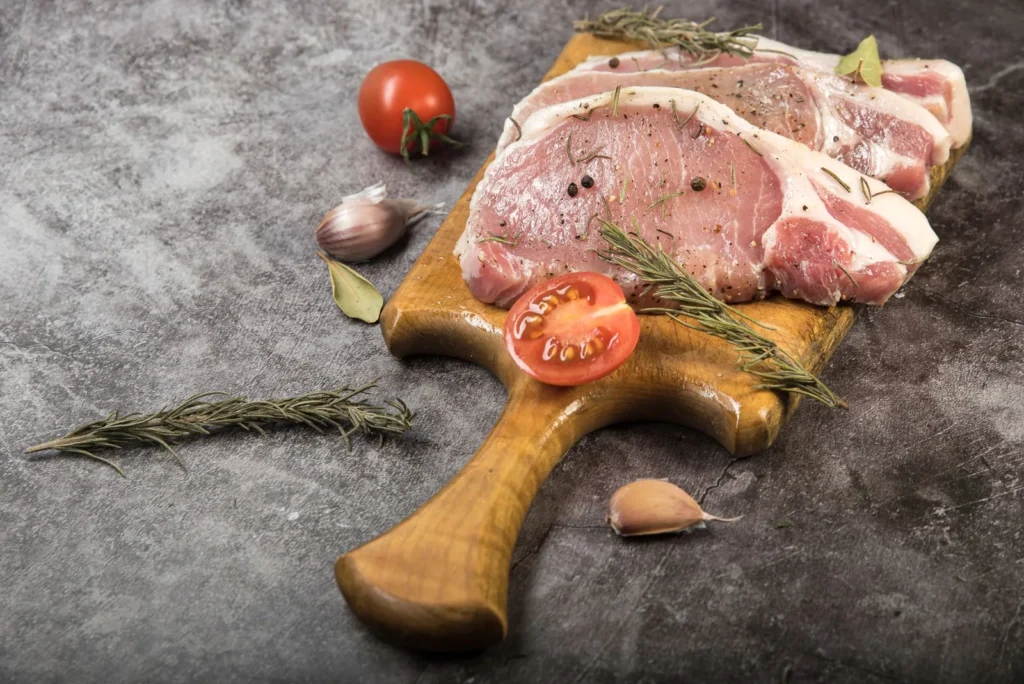

Apple Cider Pork Chops
Description
These apple cider pork chops are seared hard in a cast iron skillet and finished in a reduced cider pan sauce for a deep brown crust and glossy sweet-tart glaze. The method keeps lean boneless chops juicy and delivers dinner in about 35 minutes with just one pan to wash.
Ingredients
Instructions
-
Season the pork chops
Pat the 4 boneless pork chops dry with paper towels and season both sides with 3/4 tsp salt and 1/2 tsp black pepper. A dry surface is what lets the meat brown instead of steam in the pan, so do not skip the patting step. Set the chops aside while you heat the skillet.
-
Heat skillet and sear
Heat 2 tbsp olive oil in a 12-inch cast iron skillet over medium-high heat until the oil shimmers and the pan is fully hot. Lay the chops in without crowding and sear 3 minutes per side until each side is golden and crispy with a deep brown crust. Move the seared chops to a plate and leave the fond in the pan.
-
Cook shallot and aromatics
Lower the heat to medium-low and add the 1 large finely diced shallot to the skillet. Cook for 2 minutes until soft and translucent, then stir in 2 cloves minced garlic and 1 tbsp fresh thyme leaves for 30 seconds until fragrant. Keep the heat moderate so the garlic does not scorch.
-
Build cider sauce
Pour in 1 cup unfiltered apple cider, 1 tbsp Dijon mustard, and 1 tbsp brown sugar. Scrape the browned bits off the pan bottom with a wooden spoon and simmer for 5 minutes until the liquid drops by half and thickens slightly. The captured fond gives the sauce its savory depth.
-
Finish sauce with butter
Add 2 tbsp unsalted butter and swirl the skillet until the sauce turns glossy and emulsified. The butter should melt completely and the glaze should coat the back of a spoon. Remove from heat if needed to control the reduction.
-
Reheat chops in sauce
Return the chops with any plate juices to the skillet and spoon the sauce over them for 2 minutes to reheat through. The glaze should cling to every bite and the meat should feel warm at the center. Keep the heat low to avoid tightening the pork.
-
Check temperature and rest
Pull the pork at 145°F internal using a quick-read thermometer inserted into the thickest part. Rest the chops off the heat, not in the sauce, for 5 minutes before serving so the juices settle and the crust stays dry. A wire rack works better than a plate for keeping the bottom crisp.
Nutrition Facts
Servings 4
- Amount Per Serving
- Calories 350kcal
- % Daily Value *
- Total Fat 18g28%
- Saturated Fat 6g30%
- Cholesterol 75mg25%
- Sodium 520mg22%
- Total Carbohydrate 12g4%
- Dietary Fiber 1g4%
- Sugars 9g
- Protein 30g60%
* Percent Daily Values are based on a 2,000 calorie diet. Your daily value may be higher or lower depending on your calorie needs.
Note
- Storage: Keep cooled chops in an airtight container up to 3 days in the fridge; separate the sauce so it doesn't gelatinize around the meat.
- Reheating: Reheat in a covered skillet on medium-low until the pork hits 165°F internal; microwaving dries the edges before the center warms.
- Pro tip: Get the skillet fully hot before the chops go in, since a cold pan gives gray meat and no crust; for a slower option see our crock pot pork.
- Rest: Rest the chops off the heat on a wire rack so the bottom stays dry and the juices redistribute.
