

Making a fresh milled flour bread recipe is a great way to create delicious homemade bread. Fresh milled flour bread recipe uses freshly milled flour to create a unique flavor and texture. The process of milling your own flour can be a fun and rewarding experience, and it allows you to control the quality and type of flour you use.
One of the benefits of using fresh milled flour is that it has a more robust flavor and texture than store-bought flour. Fresh milled flour also contains more nutrients and has a lower glycemic index, making it a popular choice for health-conscious bakers. To get started with making fresh milled flour bread recipe, you will need a few simple ingredients and some basic equipment.
For those new to baking, the idea of milling your own flour can seem intimidating, but it’s actually quite straightforward. You can use a variety of grains, such as wheat, rye, or barley, and the process of milling is relatively simple. With a little practice, you can create delicious and unique breads that are tailored to your tastes and preferences. If you enjoyed this, our spring roll bowl is worth trying next.




Why You’ll Love These Fresh Milled Flour Bread Recipes
- Unique flavor and texture from freshly milled flour
- Control over the quality and type of flour used
- More nutrients and lower glycemic index than store-bought flour
- Fun and rewarding experience of milling your own flour
Ingredients You’ll Need
- 2 cups fresh milled flour
- 1 teaspoon salt
- 1 teaspoon sugar
- 1 packet active dry yeast
- 1 cup warm water
Ingredient Substitutions
Fresh milled flour: Replace with an equal weight of store-bought bread flour for a more traditional flavor. However, keep in mind that store-bought flour may have a softer texture and less robust flavor than fresh milled flour. You can also experiment with different types of flour, such as whole wheat or rye, for a unique flavor and texture.
Salt: Use a flaky sea salt or kosher salt for a more nuanced flavor. You can also reduce the amount of salt used if you’re on a low-sodium diet. However, keep in mind that salt plays an important role in controlling yeast growth and enhancing flavor, so don’t omit it entirely.
Sugar: Omit the sugar for a savory bread or replace with an equal amount of honey or maple syrup for a slightly sweeter flavor. Keep in mind that sugar helps to feed the yeast and promote fermentation, so reducing or omitting it may affect the rise and texture of the bread. For another easy option, check out our overnight zucchini bread.
Step-by-Step Instructions
- In a large mixing bowl, combine the fresh milled flour, salt, sugar, and yeast.
- Gradually add the warm water, stirring with a wooden spoon until a shaggy dough forms.
- Knead the dough on a floured surface for 10-15 minutes, until it becomes smooth and elastic.
- Place the dough in a greased bowl, cover it with a damp cloth, and let it rise in a warm, draft-free place for 1-2 hours, or until it has doubled in size.
- Preheat your oven to 375°F (190°C).
- Punch down the dough and shape it into a round or oblong loaf.
- Place the loaf on a baking sheet lined with parchment paper, and bake for 35-40 minutes, or until the bread is golden brown and sounds hollow when tapped on the bottom.
Pro Tips
For a crispy crust, bake the bread at a high temperature (425°F/220°C) for the first 10-15 minutes, then reduce the heat to 375°F (190°C) for the remaining baking time. You can also try using a stone hearth or baking stone to enhance crust crispiness.
To create a more complex flavor profile, try adding different ingredients to the dough, such as nuts, seeds, or dried fruits. You can also experiment with various spices and herbs, such as rosemary or thyme, to create a unique flavor combination.
For a more tender crumb, try using a preferment, such as a biga or poolish, to add more complexity and depth to the bread. You can also try using a corn flour or other non-wheat flours to create a unique texture and flavor.
Common Mistakes to Avoid
One common mistake when making fresh milled flour bread recipe is overmixing the dough, which can lead to a dense and tough bread. To avoid this, mix the ingredients just until they come together in a shaggy mass, then let the dough rest for a few minutes before kneading.
Another mistake is not allowing the dough to rise long enough, which can result in a flat and dense bread. Make sure to let the dough rise in a warm, draft-free place for at least 1-2 hours, or until it has doubled in size.
A third mistake is not baking the bread at the right temperature, which can affect the crust color and texture. Make sure to preheat your oven to the correct temperature, and use a thermometer to ensure that it’s accurate. You might also like our lemon blueberry bread.
Serving Suggestions
Fresh milled flour bread recipe is perfect for serving with a variety of toppings, such as butter, jam, or cheese. You can also try serving it with a summer berry salad or a bowl of soup for a satisfying and filling meal.
Storage and Reheating
Fresh milled flour bread recipe can be stored at room temperature for up to 3 days, or frozen for up to 2 months. To reheat, simply wrap the bread in foil and bake in a preheated oven at 350°F (180°C) for 10-15 minutes, or until warm and crispy.
Recipe Variations
Herb and Cheese Version
Add some chopped fresh herbs, such as rosemary or thyme, and a sprinkle of grated cheese to the dough for a savory and flavorful bread. You can also try using different types of cheese, such as parmesan or feta, for a unique flavor combination.
Whole Grain Version
Replace some or all of the fresh milled flour with whole wheat flour for a nuttier and healthier bread. You can also try adding some other whole grains, such as rye or barley, for a unique flavor and texture.
Gluten-Free Version
Replace the fresh milled flour with a gluten-free flour blend, such as rice flour or almond flour, for a bread that’s perfect for those with gluten intolerance. You can also try using a gluten-free pumpkin bread recipe for a delicious and seasonal treat.
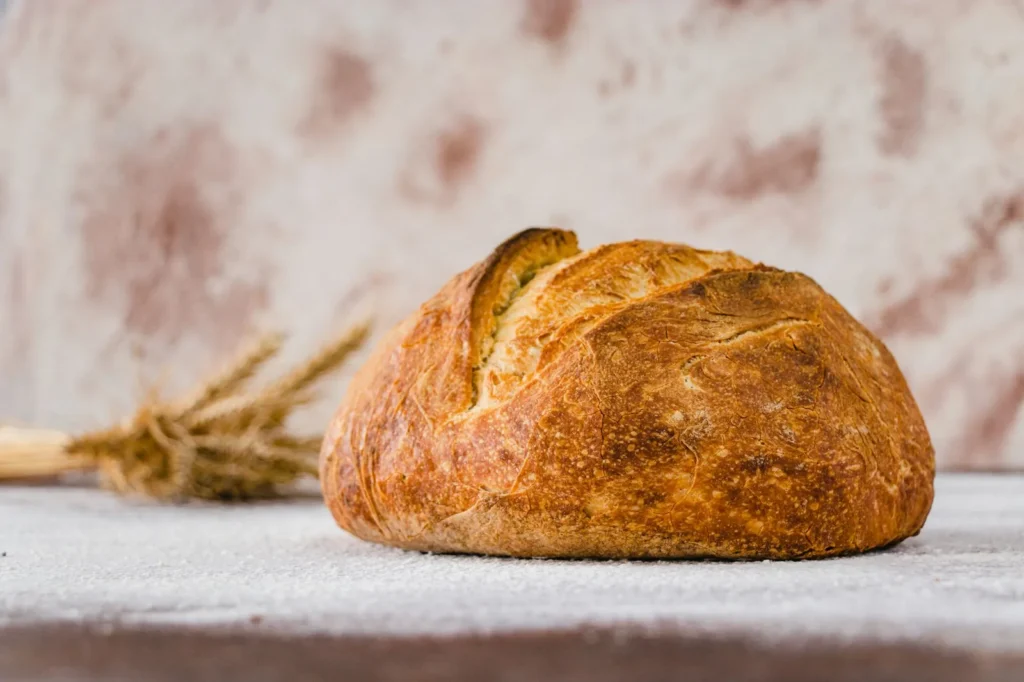

fresh milled flour bread recipe
Description
Freshly milled flour bread is a delicious and unique bread that can be made at home with a few simple ingredients. The process of milling your own flour can be a fun and rewarding experience, and it allows you to control the quality and type of flour you use.
Ingredients
Instructions
-
Combine Dry Ingredients
In a large mixing bowl, combine the fresh milled flour, salt, sugar, and yeast. Make sure to mix the dry ingredients well before proceeding to the next step.
-
Add Warm Water
Gradually add the warm water, stirring with a wooden spoon until a shaggy dough forms. Be careful not to overmix the dough at this stage.
-
Knead the Dough
Knead the dough on a floured surface for 10-15 minutes, until it becomes smooth and elastic. You can use a stand mixer with a dough hook attachment if you prefer.
-
Let the Dough Rise
Place the dough in a greased bowl, cover it with a damp cloth, and let it rise in a warm, draft-free place for 1-2 hours, or until it has doubled in size. This step is crucial for the bread to develop its unique flavor and texture.
-
Preheat the Oven
Preheat your oven to 190°C (375°F). Make sure the oven is preheated to the correct temperature before baking the bread.
-
Shape the Loaf
Punch down the dough and shape it into a round or oblong loaf. You can use a baking sheet or a bread basket to shape the loaf.
-
Bake the Bread
Place the loaf on a baking sheet lined with parchment paper, and bake for 35-40 minutes, or until the bread is golden brown and sounds hollow when tapped on the bottom. You can also use a stone hearth or baking stone to enhance crust crispiness.
Nutrition Facts
Servings 4
- Amount Per Serving
- Calories 350kcal
- % Daily Value *
- Total Fat 12g19%
- Saturated Fat 4g20%
- Cholesterol 60mg20%
- Sodium 480mg20%
- Total Carbohydrate 38g13%
- Dietary Fiber 3g12%
- Sugars 6g
- Protein 22g44%
* Percent Daily Values are based on a 2,000 calorie diet. Your daily value may be higher or lower depending on your calorie needs.
Note
- Storage: Keep leftovers in an airtight container in the fridge for up to 3 days. You can also freeze the bread for up to 2 months.
- Make it ahead: Prep all ingredients the night before to save time. Try serving the bread with a summer berry salad for a delicious and refreshing meal.
- Pro tip: Let the bread rest for 10-15 minutes before slicing to ensure the best texture and flavor.
