

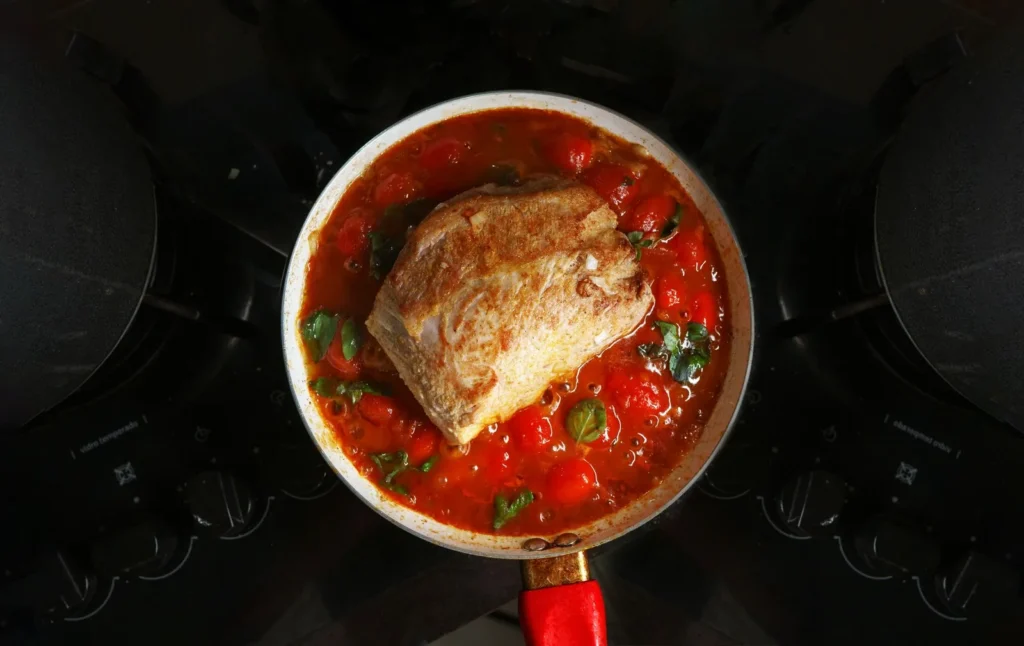
Tomato pastina with guanciale is a Roman-style bowl of comfort built from tiny pasta, cured pork cheek, and a bright tomato broth. The pastina cooks directly in the sauce so it absorbs flavor instead of sitting underneath it. You get a spoonable, almost soupy pasta that eats like a hybrid between soup and risotto.
Guanciale brings a porky, peppery fat that vegetable oil can’t replace, and the tomato keeps the dish from feeling heavy. This version stays practical: one pot, a short ingredient list, and a finish that works on a weeknight. You’ll learn where the texture comes from and how to avoid a greasy or gluey result. If you enjoyed this, our fireball whiskey is worth trying next. Making this tomato pastina with guanciale at home is surprisingly straightforward once you know the key steps.
Why You’ll Love These Tomato Pastina With Guanciale
- One pot means less washing and the pasta stays in its own flavorful liquid.
- Guanciale renders a savory pork fat that carries the tomato and herbs.
- Pastina size cooks fast, so the whole dish is ready in about 25 minutes.
- The broth stays light, not creamy, which makes it good year-round.
- Leftovers thicken into a soft pasta mash that reheats well for lunch.
Ingredients You’ll Need
- 150g guanciale, cut into 1cm cubes (cured pork cheek; fat renders into the base)
- 1 tbsp olive oil (helps the guanciale start without burning)
- 1 small yellow onion, finely diced (about 120g; builds a sweet base)
- 2 garlic cloves, smashed (not minced; easy to remove before serving)
- 400g canned crushed tomatoes (use a low-sugar Italian brand for balance)
- 600ml water or light chicken stock (controls final broth thickness)
- 200g pastina (tiny star or alphabet pasta; absorbs liquid fast)
- 1 tsp salt, adjusted at the end (guanciale is already salty)
- 1/2 tsp black pepper, cracked
- 15g grated pecorino, for finishing
- 4 basil leaves, torn, for aroma
Ingredient Substitutions
Guanciale: Replace with 130g diced pancetta if guanciale is unavailable. Pancetta is leaner and less funky, so the broth will taste cleaner but lose some deep pork aroma. Render it the same way, but expect to add 1 tsp olive oil since it releases less fat. The dish stays close in texture, just milder in scent. The tomato pastina with guanciale works well for weeknight cooking when time is limited.





Crushed tomatoes: Use 400g peeled whole tomatoes, hand-broken, for a chunkier finish. Whole tomatoes hold more acid, so simmer 5 minutes longer to soften the pieces. The broth will be less smooth but more rustic, which suits a coarser pastina shape. Storing leftover tomato pastina with guanciale correctly keeps it tasting good for days.
Pastina: Swap with 180g orzo if you can’t find tiny pasta. Orzo is larger, so add 100ml water and cook 3 minutes more. The result is chewier and less spoonable, closer to a light risotto than a broth bowl. For the best results with this tomato pastina with guanciale, read through all the steps before starting.
Pecorino: Use 15g parmesan if you prefer a softer, nutty close. Parmesan melts smoother and tastes less sharp, so the finish is rounder. Keep the same weight; no technique change is needed beyond grating finer.
Step-by-Step Instructions
- Set a 24cm heavy pot on medium-low heat with olive oil and guanciale cubes. Render 8 minutes until the edges turn golden and crispy and the fat turns clear, then lift the meat to a plate.
- Add onion to the pork fat and cook on medium heat for 5 minutes until translucent and soft, not browned. Stir in garlic and cook 1 minute until it smells sweet.
- Pour crushed tomatoes into the pot and stir, scraping the bottom. Simmer on medium-low heat for 10 minutes until the raw tomato smell fades and the sauce thickens slightly.
- Add water or stock and black pepper, then return the guanciale. Raise to medium heat and bring the liquid to a gentle simmer, not a rolling boil.
- Stir in pastina and set a timer for 9 minutes, stirring every 2 minutes so it doesn’t stick. The pasta should be tender with a tiny core and the liquid should look creamy-thick.
- Turn off the heat, fold in pecorino and basil, and rest 2 minutes. The broth tightens as it sits; serve immediately with extra cheese on top.
Pro Tips
Render guanciale low and slow so the fat clarifies instead of browning too fast and turning bitter. A pasta cooking technique that helps is reserving a cup of broth before the pasta finishes if you like it looser.
Cut guanciale to a uniform 1cm cube so every piece crisps in the same window. Uneven sizes leave some chewy and some burnt by minute six.
Smash garlic instead of mincing so you get aroma without bitter specks in a thin broth. You can pull the cloves out before adding pasta.
Use crushed tomatoes with no added sugar to keep the acid bright against the pork. Sweetened sauce masks the guanciale and reads cloying in a small bowl.
Common Mistakes to Avoid
Boiling the pastina hard makes the starch rush out and the pot turns gluey. Keep the heat at a bare simmer so the grains stay separate and the broth stays silky.
Salting early before tasting the guanciale leads to an oversalted bowl since cured pork carries plenty of sodium. Season at the end after the cheese goes in.
Skipping the rest off heat means the pecorino clumps and the broth stays thin. Those 2 minutes let the starch and cheese bind the liquid into a coat.
Serving Suggestions
Pair the bowl with a bitter green side like fettuccine alfredo on the side only if you want a richer table; otherwise keep it simple. A slice of toasted bread helps scoop the last broth. For a drink, a vodka press cuts the pork fat with citrus and soda.
Storage and Reheating
Cool the pastina within 2 hours and store in an airtight container up to 3 days. The pasta drinks the broth overnight, so it becomes a soft mash rather than a soup. Reheat on medium-low heat with a splash of water, stirring until steaming and the pork reaches 74°C / 165°F. Freezing works for up to 1 month, though the pastina softens further on thaw.
Recipe Variations
Spicy Roman Version
Add 1/2 tsp red chili flakes with the garlic for a warm, peppery edge that matches the pork. The heat balances the tomato sweetness and makes the bowl feel more trattoria-style. Finish with extra black pepper rather than cheese if you want it sharper.
Vegetable Boost
Stir 100g diced zucchini in with the onion so it softens into the broth. The vegetable adds mild sweetness and more body without changing the cook time. Use lamb lollipop as a separate main if you want a meatier plate beside it.
Brothier Soup Style
Add 200ml more water and cut pastina to 160g for a lighter, spoonable soup. The result eats more like a tomato-pork broth with floating pasta. This version suits magnesium spray routines only as a calming night meal, not a linked recipe.
Cheese-Forward Finish
Double the pecorino and stir half in off heat for a creamier coat on the pasta. The bowl reads richer and less broth-driven, closer to a loose mac. A recipe key here is weeknight dinner since it stays one pot.

Tomato Pastina With Guanciale
Description
Tomato pastina with guanciale is a Roman-style bowl of comfort built from tiny pasta, cured pork cheek, and a bright tomato broth. The pastina cooks directly in the sauce so it absorbs flavor, giving you a spoonable, almost soupy pasta that eats like a hybrid between soup and risotto.
Ingredients
Instructions
-
Render guanciale
Set a 24cm heavy pot on medium-low heat with 1 tbsp olive oil and the 150g guanciale cubes. Render for 8 minutes until the edges turn golden and crispy and the fat turns clear, then lift the meat to a plate.
-
Cook onion base
Add the finely diced onion to the pork fat and cook on medium heat for 5 minutes until translucent and soft, not browned. Stir occasionally so the onion sweats rather than colors.
-
Add garlic aroma
Stir in the 2 smashed garlic cloves and cook for 1 minute until it smells sweet. Keep the heat at medium so the garlic does not burn or turn bitter in the thin fat.
-
Simmer tomatoes
Pour the 400g crushed tomatoes into the pot and stir, scraping the bottom to lift fond. Simmer on medium-low heat for 10 minutes until the raw tomato smell fades and the sauce thickens slightly.
-
Add liquid and guanciale
Add the 600ml water or stock and 1/2 tsp black pepper, then return the guanciale to the pot. Raise to medium heat and bring the liquid to a gentle simmer, not a rolling boil.
-
Cook pastina
Stir in the 200g pastina and set a timer for 9 minutes, stirring every 2 minutes so it doesn't stick. The pasta should be tender with a tiny core and the liquid should look creamy-thick.
-
Finish with cheese
Turn off the heat, fold in the 15g pecorino and 4 torn basil leaves. This binds the broth and adds aroma without further cooking the pasta.
-
Rest and serve
Rest the pot 2 minutes off heat so the broth tightens as it sits. Serve immediately with extra cheese on top while the texture is silky, not gluey.
Nutrition Facts
Servings 4
- Amount Per Serving
- Calories 420kcal
- % Daily Value *
- Total Fat 22g34%
- Saturated Fat 8g40%
- Cholesterol 55mg19%
- Sodium 780mg33%
- Total Carbohydrate 38g13%
- Dietary Fiber 3g12%
- Sugars 6g
- Protein 18g36%
* Percent Daily Values are based on a 2,000 calorie diet. Your daily value may be higher or lower depending on your calorie needs.
Note
- Storage: Cool the pastina within 2 hours and store in an airtight container up to 3 days; it thickens into a soft mash overnight.
- Reheating: Reheat on medium-low with a splash of water, stirring until steaming and pork reaches 74°C / 165°F; do not reheat the same portion more than once.
- Pro tip: Render guanciale low and slow so fat clarifies instead of turning bitter, and for another tomato dish try our spaghetti arrabbiata.
- Rest: Do not skip the 2-minute off-heat rest or the pecorino clumps and broth stays thin.
