
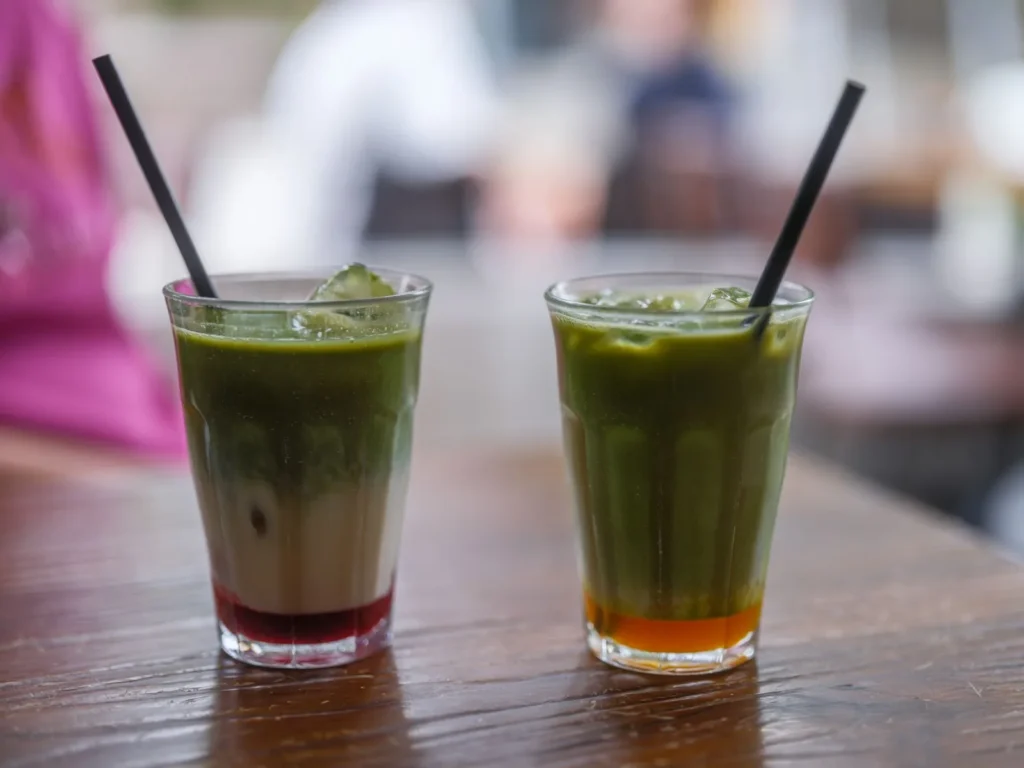
A strawberry matcha iced latte is a cold layered drink that pairs sweet strawberry purée with bitter ceremonial matcha and milky ice. This version keeps the layers distinct so you get a different sip as the drink settles, and it uses real fruit instead of syrup. You'll end up with a café-style glass that takes about eight minutes to build.
The method matters more than the ingredient count. Whisked matcha clumps if the water is too hot, and strawberry liquid sinks or floats depending on how much you sweeten it. Below we cover the ratios that hold the layers and the small technique fixes that keep the drink from turning into a muddy brown blend. Making this strawberry matcha iced latte at home is surprisingly straightforward once you know the key steps.
The strawberry weight matters because liquid volume drives the layer density. Use a kitchen scale if you can, since small berries vary a lot by count. The strawberry matcha iced latte works well for weeknight cooking when time is limited.
Whole milk: Replace with an equal volume of oat milk for a dairy-free version that still layers cleanly. Oat milk is slightly thinner, so the matcha line stays sharper but the top looks less creamy. Expect a faint oaty note that softens the matcha bitterness without adding sugar. Storing leftover strawberry matcha iced latte correctly keeps it tasting good for days.
Honey: Use 1 tbsp maple syrup instead if you want a vegan sweetener with deeper caramel notes. Maple is runnier than honey, so stir it into the strawberry mix first to avoid sinking. The flavor reads more autumnal but the layer structure stays the same.
Ceremonial grade matcha: Swap for culinary matcha at the same 2 g dose if that's what you stock. Culinary powder is more astringent and darker, so drop the water to 50 ml to keep the strength manageable. The color stays green but the finish turns sharper and less smooth.
Fresh strawberries: Use 100 g thawed frozen strawberries when out of season, with no other change. Frozen fruit purées softer and a touch watery, so rest the mix 5 minutes before layering. The taste is close but the layer sits slightly lower than with fresh berries.
Keep the matcha water under boiling so the powder stays bright and doesn't scorch into a brown film. Water at 80°C extracts umami without the harsh bite.
Use a clear glass so the layers read as intended; a colored mug hides the effect and makes pouring harder to judge. A 350 ml tumbler is the right size for these amounts.
Chill the milk before building so the ice melts slower and the bands hold up to 10 minutes. Warm milk collapses the layers within a minute or two.
For steadier pours, rest the spoon on the ice and let liquid run off the curve instead of dropping straight in. This reduces the splash that mixes layers early.
Read more on whisking technique from matcha preparation if you want the foam tighter than a fork allows.
Adding matcha to boiling water turns it bitter and dull green; pull the kettle off heat for one minute before measuring. The temperature drop is small but the flavor change is large.
Pouring milk directly from height pushes through the strawberry layer and muddies the glass. Always pour against a spoon and keep the stream thin.
Skipping the mash step leaves whole berries that block the ice and create air gaps. A rough purée keeps the bottom layer dense and even.
Pair the drink with bagels for a light breakfast that balances the sweetness with a chewy plain base. The salt on the bagel cuts the fruit sugar nicely.
For a brunch spread, set it next to fresas con crema so guests get strawberry in two textures. The cream version is soft where the latte is cold and crisp.
Serve with strawberry salad if you want a savory counterpoint without adding more sugar. The greens keep the table from feeling like dessert only.
The assembled strawberry matcha iced latte does not store well because the ice dilutes it within up to 3 days if refrigerated pre-mixed. Keep components separate instead.
Strawberry mix keeps in an airtight container for up to 3 days in the fridge; matcha liquid holds about 24 hours before it dulls. Milk should be used within its printed date.
There is no reheating step since the drink is served cold; if the milk warms, discard and rebuild. Never leave the finished glass unrefrigerated for more than 2 hours.
Replace whole milk with 150 ml full-fat coconut milk for a richer, dairy-free top layer. Coconut is denser, so the matcha sits even more clearly on top. The flavor turns tropical and pairs better with lime than honey.
Increase matcha to 3 g and water to 70 ml for a more pronounced bitter edge. You'll need to pour slower so the heavier green band doesn't sink. This suits those who find the base recipe too mild.
Swap milk for 120 ml cold soda water and add 30 ml milk only at the top. The middle stays clear and fizzy, changing the mouthfeel to sharp and light. Use strawberry mojito style ice if you want herb notes.
Use 2 tbsp of strawberry sauce instead of fresh berries for a thicker bottom layer. The texture turns glossy and the sweetness is more controlled. Reduce honey to 1/2 tsp to avoid overload.
Build the layers over one scoop of vanilla in the glass for a dessert format. The ice cream melts slowly and blends the bands into a soft drink. Add easy strawberry sauce on top for extra fruit.
Hi, I’m Anna — a wellness enthusiast, recipe creator, and founder of Cook Recipe. I love making healthy, easy, and feel-good meals that inspire others to live happier, more balanced lives. When I’m not in the kitchen, you’ll find me exploring new places or flowing through a yoga session! 🌿

