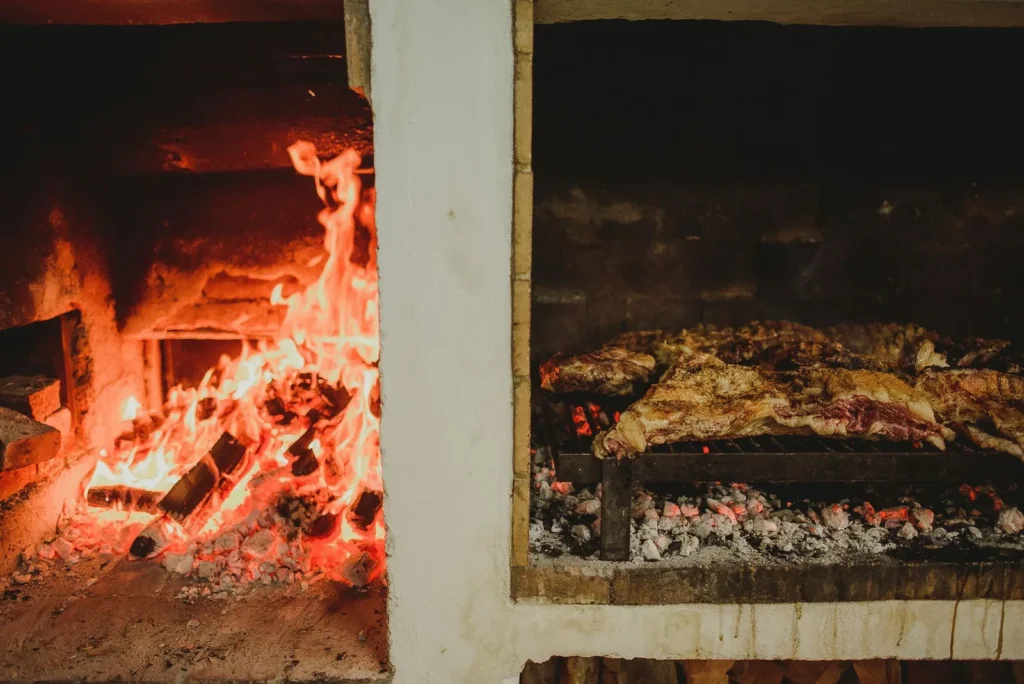
A smoked leg of lamb is one of the most forgiving centerpiece roasts you can put on a smoker, because the connective tissue breaks down slowly while the wood smoke lays a savory crust over the surface. This recipe walks through a bone-in leg, a straightforward dry rub, and a steady low temperature so the interior stays rosy and sliceable rather than dry. You get a hands-off cook that frees you up while guests arrive.
The method here uses indirect heat and a mild fruitwood so the lamb's own flavor leads, not the smoke. We cover trimming, seasoning, target temperatures, and a proper rest so the juices redistribute. If you've only roasted lamb in an oven, this approach gives you a deeper, wood-kissed character without extra effort. If you enjoyed this, our smoked haddock leek is worth trying next. Making this smoked leg of lamb at home is surprisingly straightforward once you know the key steps.
Why You'll Love These Smoked Leg Of Lamb
- Low effort once it's on the smoker — about 15 minutes of active prep before the cook runs itself.
- Bone-in leg keeps the meat insulated, so the center stays tender at 130°F for medium-rare.
- A simple rub of salt, pepper, and rosemary costs pennies compared to pre-seasoned cuts.
- Leftovers slice cold into salads or reheat without turning stringy.
Ingredients You'll Need
- 1 bone-in leg of lamb (5 to 6 pounds), trimmed of thick exterior fat
- 3 tablespoons coarse kosher salt
- 2 tablespoons cracked black pepper
- 2 tablespoons fresh rosemary, finely chopped
- 4 cloves garlic, minced
- 2 tablespoons olive oil
- 1 tablespoon lemon zest
- 2 cups apple wood chunks, soaked 30 minutes
Ingredient Substitutions
Apple wood chunks: Replace with an equal volume of cherry wood chunks for a slightly sweeter, darker surface color. Cherry burns a touch slower, so check your smoke chamber every hour to keep the temperature steady. The lamb will read more mahogany than pale gold but the flavor stays mild. The smoked leg of lamb works well for weeknight cooking when time is limited.
Fresh rosemary: Use 2 teaspoons of dried rosemary in place of the chopped fresh amount. Dried herbs concentrate, so rub them between your palms first to release oils and avoid woody bits on the crust. Expect a firmer, less bright aroma but the same piney note. Storing leftover smoked leg of lamb correctly keeps it tasting good for days.
Olive oil: Swap with an equal weight of melted beef tallow to help the rub adhere on a wet-brined leg. Tallow raises the surface smoke point and crisps the exterior faster, so drop the cook temp by 10°F to avoid overshooting. The fat layer also shields the meat from drying during a long smoke.
Coarse kosher salt: Use 2 tablespoons fine sea salt if that's what you keep on hand. Fine salt dissolves quicker and penetrates faster, so reduce the pre-cook rest to 30 minutes instead of an hour. Too long with fine salt pulls moisture to the surface and softens the bark. For another easy option, check out our navigation.
Step-by-Step Instructions
- Pat the leg dry with paper towels, then trim the thick white fat cap to about 1/4 inch so smoke reaches the meat. Leave the thin membrane; it protects during the long cook.
- Stir salt, pepper, rosemary, garlic, oil, and lemon zest into a paste. Rub it over the entire leg, working into crevices, then rest at room temperature for 1 hour.
- Set your smoker to 225°F with indirect heat and add half the soaked apple wood. Place the leg on the grate fat-side up, away from the firebox.
- Smoke undisturbed for 3 hours, then add the remaining wood. Begin checking the thickest part near the bone with a probe thermometer.
- Pull the lamb at 130°F for medium-rare; the temp climbs to 135°F while resting. Tent loosely with foil and rest 20 minutes before slicing.
Pro Tips
Keep a water pan in the smoker so the ambient humidity stays around 60 percent and the surface doesn't case-harden before the center warms. Dry air gives you a tough outer ring.
Score the fat in a diamond pattern with a sharp knife to help the rub reach the muscle and to render evenly. Cut only through the fat, not the meat, or you lose juices.
Probe the lamb in two spots — the heel and the center — because a bone-in leg cooks unevenly. The heel often lags by 5 degrees and tells you the true low point.
Rest the meat on a warm platter, not a cold counter, so the exterior stays relaxed and slices clean. A cold surface tightens the proteins and squeezes out liquid when cut.
For rub technique and safe internal temps, review meat smoking guide before your first cook if you're new to low-and-slow.
Common Mistakes to Avoid
Opening the smoker every 20 minutes drops the chamber temp by 25 degrees and extends cook time by nearly an hour. Trust the thermometer and peek only at the wood-add mark.
Skipping the trim leaves a 1/2-inch fat slab that smokes to a rubbery layer no one eats. You want a thin cap that renders, not a barrier.
Slicing with the grain instead of against it makes even a perfectly cooked leg seem chewy. Find the muscle seams and cut across the fibers in 1/4-inch slices. You might also like our hamachi collar.
Serving Suggestions
Slice the smoked leg of lamb thin and lay it over cucumber bread for a light starter that echoes the herb crust. The cool crumb balances the warm meat.
Pair with roasted potatoes tossed in the lamb drippings for a one-pan side. A squeeze of lemon at the table keeps each bite from reading too rich.
For a holiday spread, set the platter next to lamb lollipops so guests get a quick bite and a carved slice from the same animal.
Storage and Reheating
Wrap sliced leftovers in an airtight container and refrigerate for up to 4 days. Whole unsliced leg keeps the same window but reheats more evenly.
Freeze portions in vacuum bags for up to 3 months; thaw overnight in the fridge before use. Reheat slices in a 300°F oven to an internal 165°F for food safety.
Don't leave cooked lamb on the counter beyond 2 hours total, including serving time, or bacteria multiply fast in the danger zone.
Recipe Variations
Garlic-Crust Version
Double the garlic to 8 cloves and add 1 tablespoon anchovy paste to the rub for a savory, umami-forward crust. The paste melts into the oil and browns faster, so check the surface at hour two. Expect a deeper brown bark and a more pronounced meaty aroma.
Mustard-Coated Option
Paint the leg with 2 tablespoons Dijon before the dry rub, similar to the approach in mustard ribs. The mustard tenderizes and helps spices stick, adding a sharp note that cuts the lamb's fat. Pull at the same temperature but expect a tackier, darker exterior.
Low-Sodium Swap
Cut salt to 1 tablespoon and add 1 teaspoon celery seed for a perceived saltiness without sodium load. The seed also brings a bitter edge that pairs with the wood. Rest only 30 minutes pre-cook so the surface doesn't weep.
Wine-Brined Method
Submerge the leg in 2 cups red wine and 2 cups water with the salt for 8 hours before rubbing, as a nod to steak marinade technique. The brine adds moisture and a fruity depth, but pat dry thoroughly or the bark won't form. Increase smoke time by 30 minutes to drive off surface humidity.