

A great shrimp and chorizo pasta comes together fast when you build flavor in one pan. The chorizo renders its paprika oil first, then the shrimp pick up that smoky base before the tomatoes and cream soften into a clingy sauce. You get a restaurant-style dinner on a weeknight without a pile of dishes.
This version uses Spanish-style chorizo, which is cured and firm, not the fresh Mexican kind that crumbles. That distinction matters because the cured sausage holds its shape and seasons the oil as it browns. The result is a balanced plate: sweet shrimp, smoky pork, bright tomato, and a silky finish from cream. Making this shrimp and chorizo pasta at home is surprisingly straightforward once you know the key steps.
If you like shrimp tapas, this is the pasta form of that idea. It scales easily and uses pantry staples plus a few fresh items. The shrimp and chorizo pasta works well for weeknight cooking when time is limited.





Why You’ll Love These Shrimp And Chorizo Pasta
- One skillet means the sauce pulls flavor from the chorizo fat instead of separate pans.
- Cured chorizo gives smoky depth without extra spices or a long simmer.
- Ready in about 25 minutes from cold fridge to plated bowl.
- Works with regular or gluten-free pasta using the same method.
- Balanced richness from cream cut by tomato acidity and lemon.
Ingredients You’ll Need
- 12 oz (340 g) rigatoni or penne pasta
- 8 oz (225 g) Spanish cured chorizo, sliced into 1/4-inch rounds
- 1 lb (450 g) large shrimp, peeled and deveined, tails off
- 2 tbsp olive oil
- 1 small yellow onion, diced (about 1 cup)
- 3 cloves garlic, minced
- 1 can (14.5 oz) diced fire-roasted tomatoes, undrained
- 1/2 cup heavy cream
- 1/2 cup low-sodium chicken broth
- 1/2 tsp smoked paprika
- 1/4 tsp red pepper flakes
- 1/2 tsp salt, plus more for pasta water
- 2 tbsp fresh lemon juice
- 2 tbsp chopped fresh parsley
- 1/2 cup grated Parmesan cheese
Ingredient Substitutions
Spanish cured chorizo: Replace with 8 oz of andouille sausage, sliced, for a similar smoky cured pork note. Andouille is spicier and softer, so reduce red pepper flakes to a pinch and expect a looser sauce. Cook it a minute longer to render enough fat for the shrimp to sear in. Storing leftover shrimp and chorizo pasta correctly keeps it tasting good for days.
Heavy cream: Use 1/2 cup of half-and-half for a lighter sauce with less body. Half-and-half can split if boiled hard, so keep the heat at medium-low heat after adding it. The sauce will be thinner and slightly less glossy than with cream. For the best results with this shrimp and chorizo pasta, read through all the steps before starting.
Rigatoni or penne: Swap with 12 oz of gluten-free brown rice pasta if needed. Gluten-free shapes soften faster, so check doneness 2 minutes earlier than the package says. The sauce clings well but the texture is a bit more fragile when stirred.
Fire-roasted tomatoes: Use 1 can of plain diced tomatoes plus 1 tsp of smoked paprika for a milder, less charred taste. Plain tomatoes are more acidic, so add an extra pinch of sugar if the sauce tastes sharp. The color stays red rather than browned at the edges.
Large shrimp: Replace with 1 lb of scallops cut to similar size for a sweeter seafood version. Scallops need a very dry surface and high heat to sear, so cook them separately and fold in at the end. They overcook faster than shrimp, so pull them at opaque centers. If you enjoyed this, our garlic shrimp pasta is worth trying next.
Step-by-Step Instructions
- Bring a large pot of salted water to a boil and cook the pasta until al dente, about 9 minutes. Reserve 1/2 cup of starchy water, then drain and set aside.
- Place a 12-inch skillet on medium heat and add the chorizo with olive oil. Cook 4 minutes, stirring, until the slices brown and release their red oil.
- Push chorizo to one side, add the diced onion to the oil, and cook 3 minutes until soft and translucent. Stir in garlic, smoked paprika, and red pepper flakes, cooking 30 seconds until fragrant.
- Add the diced tomatoes with their juice, chicken broth, and salt. Simmer 5 minutes until the liquid reduces slightly and thickens.
- Add the shrimp in a single layer and cook 2 minutes per side until pink and just firm. Avoid crowding so they sear instead of steam.
- Pour in the heavy cream and stir gently 1 minute until the sauce turns light orange and coats a spoon. Lower heat if it bubbles hard.
- Add the drained pasta, lemon juice, and Parmesan. Toss 2 minutes over medium-low heat until everything is glossy and hot. Use reserved water a tablespoon at a time if tight.
- Turn off the heat, fold in parsley, and taste for salt. Serve immediately while the sauce is loose and the shrimp are tender.
Pro Tips
Dry the shrimp with paper towels before they hit the pan so they brown instead of releasing water. Wet shrimp stew in the chorizo oil and turn rubbery.
Slice chorizo thin so more edge area touches the pan and renders fat quickly. Thick coins leave the center waxy and under-season the sauce.
Save pasta water before draining because its starch rebinds a sauce that tightens as it cools. Add it slowly rather than all at once.
Read pan sauce technique from The Kitchn if you want the science of deglazing and emulsifying cream into rendered fat. Their breakdown of heat control is useful here.
Finish with lemon off the heat so the acid stays bright instead of cooking flat. A dull sauce usually means the lemon went in too early.
Common Mistakes to Avoid
Using fresh Mexican chorizo instead of cured Spanish chorizo makes the dish greasy and crumbly. The fresh type releases raw pork juice that never clarifies into a clean sauce.
Overcooking the shrimp past opaque-and-firm makes them curl tight and chew like rubber. Pull them the moment the center loses its gray translucency.
Boiling the cream sauce at high heat can break it into oily flecks. Keep it at a bare simmer once dairy enters the pan.
Skipping the pasta water leaves the final toss dry because the starch is what helps cream cling to noodles. Without it the sauce slides to the bottom of the bowl.
Serving Suggestions
Plate the pasta in shallow bowls with extra Parmesan and a lemon wedge on the side. The acidity lets each bite be adjusted at the table.
Add a simple green side like pasta with celery for crunch, or a crisp romaine salad with olive oil and vinegar to cut richness.
For a wine pair, pour a chilled albariño or dry rosé that stands up to smoked paprika without sweetening the plate. Avoid oaked whites that mute the tomato.
If you want a seafood-forward starter, garlic butter shrimp before the pasta keeps the theme tight without repeating flavors.
Storage and Reheating
Cool the pasta within 2 hours of cooking and store it in an airtight container in the fridge for up to 3 days. Shrimp quality drops after that window.
Reheat in a skillet over medium-low heat with a splash of broth, stirring until the shrimp reach 165°F internally. Microwave only in short bursts to avoid toughening the seafood.
Freezing is not recommended because the cream sauce separates and the shrimp turn mushy after thaw. Make a fresh batch instead of defrosting a frozen one.
Leftovers pair well next day with lemon garlic shrimp pasta style toppings like extra herbs and citrus.
Recipe Variations
Spicy Version
Add 1 tsp of Calabrian chili paste with the garlic and use hot chorizo instead of mild. The heat builds in the oil so it spreads through the cream without raw spice taste. Expect a redder sauce and a lingering back-of-throat warmth.
White Wine Version
Replace chicken broth with 1/2 cup dry white wine and reduce it 2 minutes before adding tomatoes. The alcohol cooks off and leaves a sharp fruit note that lifts the pork. The sauce is lighter and less sweet than the broth base.
Vegetable Boost
Stir in 1 cup of chopped zucchini and red bell pepper with the onion for more volume and color. They soften in 4 minutes and add a sweet crunch against the smoky meat. This stretches the dish to feed four without more shrimp.
Low-Cream Version
Cut cream to 2 tbsp and add 1/4 cup more broth for a brothier finish. The sauce is less silky but highlights the chorizo and tomato more clearly. Use a little pasta water to keep noodles from sticking.
One-Pot Version
Cook the dry pasta directly in the sauce with 2 extra cups of broth, simmering 12 minutes until tender. You lose the separate boil step but need to stir often so the noodles cook evenly. The starch thickens the liquid naturally into a risotto-like coat.
For a tomato-led side, see pasta with cherry tomatoes to round out a Spanish-style menu.

Shrimp And Chorizo Pasta
Description
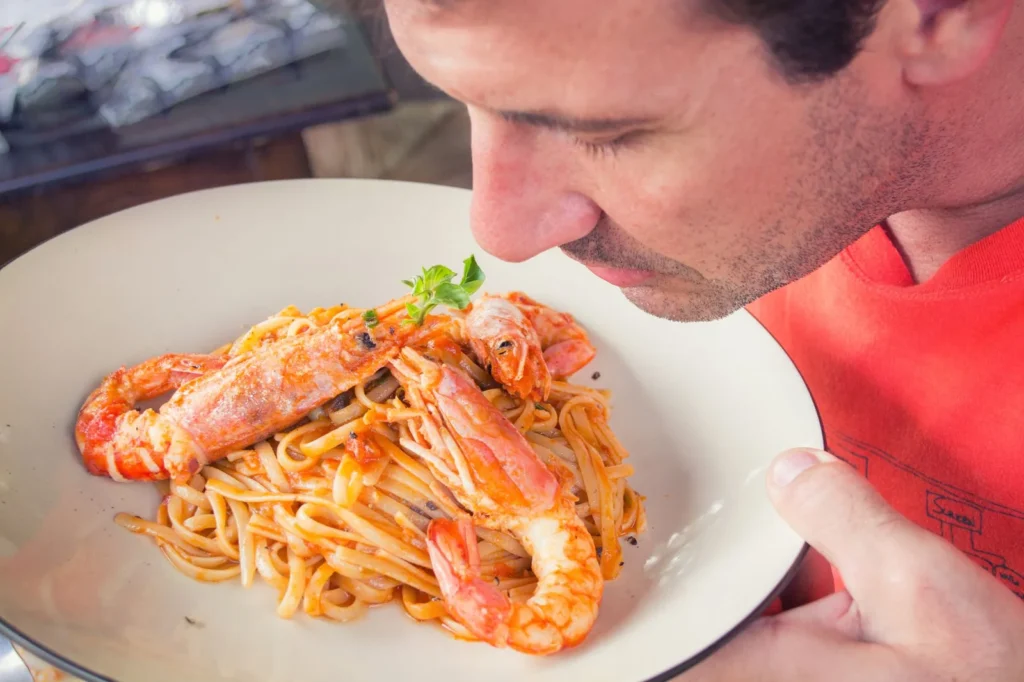
A fast weeknight shrimp and chorizo pasta where cured Spanish chorizo renders its paprika oil, shrimp sear in that smoky base, and tomatoes with cream cling to the noodles.
Restaurant-style flavor with minimal dishes and pantry staples in about 25 minutes.
Ingredients
Instructions
-
Boil the pasta
Bring a large pot of salted water to a rolling boil over high heat and cook the 12 oz rigatoni or penne until al dente, about 9 minutes. The noodles should be tender but still firm at the center when bitten. Reserve 1/2 cup of starchy water, then drain and set aside.
-
Render the chorizo
Place a 12-inch skillet on medium heat and add the 8 oz Spanish cured chorizo with 2 tbsp olive oil. Cook 4 minutes, stirring, until the slices brown at the edges and release their red oil into the pan.
-
Soften the onion
Push the chorizo to one side and add the 1 cup diced onion to the rendered oil on the other side. Cook 3 minutes on medium heat until the onion is soft and translucent with no raw bite.
-
Bloom the spices
Stir in the 3 minced garlic cloves, 1/2 tsp smoked paprika, and 1/4 tsp red pepper flakes. Cook 30 seconds on medium heat until fragrant and the garlic is just lightly golden, not browned.
-
Simmer the sauce base
Add the 14.5 oz diced fire-roasted tomatoes with juice, 1/2 cup chicken broth, and 1/2 tsp salt. Simmer 5 minutes on medium heat until the liquid reduces slightly and thickens to a spoon-coating consistency.
-
Sear the shrimp
Add the 1 lb shrimp in a single layer and cook 2 minutes per side on medium heat until pink, just firm, and the center loses its gray translucency (internal temp 63°C/145°F). Avoid crowding so they sear instead of steam.
-
Add cream and pasta
Pour in the 1/2 cup heavy cream and stir gently 1 minute on medium-low heat until the sauce turns light orange and coats a spoon; lower heat if it bubbles hard. Add the drained pasta, 2 tbsp lemon juice, and 1/2 cup Parmesan, tossing 2 minutes until glossy and hot, using reserved water a tablespoon at a time if tight.
-
Finish and serve
Turn off the heat, fold in 2 tbsp parsley, and taste for salt. Serve immediately in shallow bowls while the sauce is loose and the shrimp are tender.
Nutrition Facts
Servings 4
- Amount Per Serving
- Calories 560kcal
- % Daily Value *
- Total Fat 28g44%
- Saturated Fat 11g56%
- Cholesterol 225mg75%
- Sodium 980mg41%
- Total Carbohydrate 45g15%
- Dietary Fiber 3g12%
- Sugars 6g
- Protein 34g68%
* Percent Daily Values are based on a 2,000 calorie diet. Your daily value may be higher or lower depending on your calorie needs.
Note
- Storage: Cool the pasta within 2 hours of cooking and store in an airtight container in the fridge for up to 3 days; shrimp quality drops after that window.
- Reheating: Reheat in a skillet over medium-low heat with a splash of broth, stirring until the shrimp reach 165°F internally; microwave only in short bursts to avoid toughening.
- Pro tip: Save pasta water before draining because its starch rebinds a sauce that tightens as it cools; add it slowly rather than all at once. For a seafood-forward starter, our garlic butter shrimp keeps the theme tight.
- Food safety: Dry shrimp with paper towels before cooking so they sear instead of stewing, and never reheat the same portion more than once.
