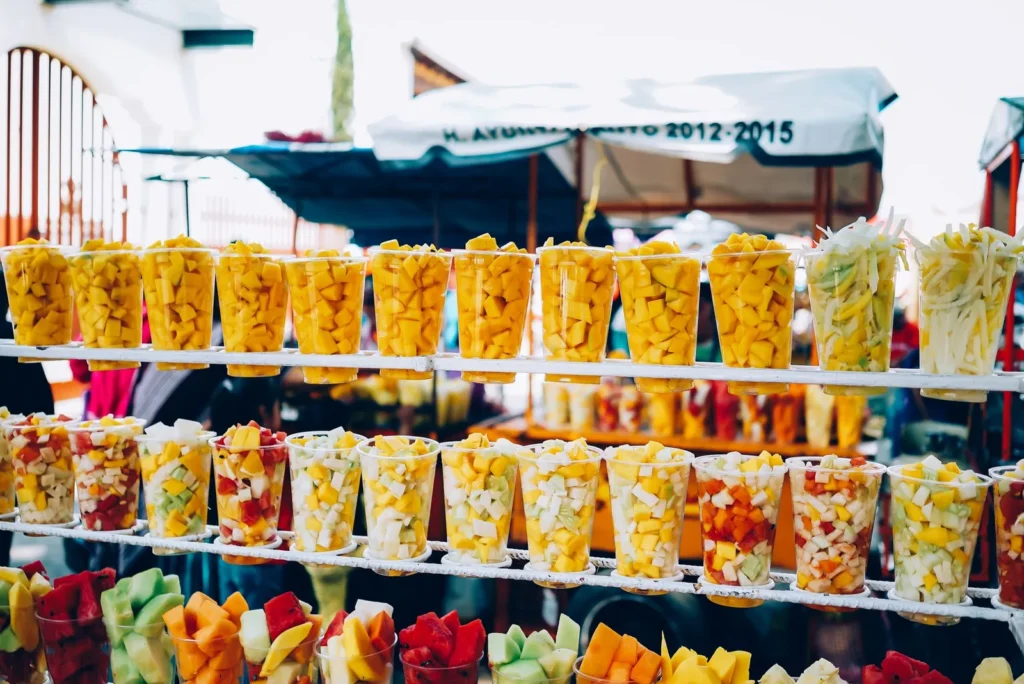
A pineapple mango salsa recipe is the easiest way to bring bright, juicy contrast to grilled meats and tortilla chips without turning on the stove. It combines ripe pineapple and mango with sharp red onion, fresh cilantro, and lime for a cold condiment that cuts through rich food. You get a make-ahead topping that holds its texture for days in the fridge.
The balance here matters more than the chopping speed. Pineapple adds acidic sweetness and a fibrous bite, while mango gives softer, floral flesh that melts slightly against the lime juice. Built correctly, this salsa stays chunky and crisp instead of collapsing into a sweet slurry. If you enjoyed this, our chocolate chip cookies is worth trying next. Making this pineapple mango salsa at home is surprisingly straightforward once you know the key steps.
Why You'll Love These Pineapple Mango Salsa
- Ready in about 15 minutes with no cooking and only a knife and bowl.
- Uses common grocery fruit that ripens on the counter if bought firm.
- Holds texture in the fridge for up to 4 days without going mushy.
- Works as dip, taco topping, or fish sauce alternative in one prep.
- Naturally vegan and gluten free as written with zero special products.
Ingredients You'll Need
- 2 cups fresh pineapple, peeled and cut into 1/4-inch dice (about half a medium fruit)
- 2 cups fresh mango, peeled and cut into 1/4-inch dice (about 2 medium Ataulfo or 1 large Kent)
- 1/2 cup red onion, finely minced (about half a small onion)
- 1/4 cup fresh cilantro, stems removed and leaves chopped
- 1 jalapeño, seeded and minced (about 2 tablespoons)
- 2 tablespoons fresh lime juice (from 1 lime)
- 1/4 teaspoon fine sea salt
- 1 tablespoon olive oil (optional, for a silkier mouthfeel)
Ingredient Substitutions
Fresh pineapple: Replace with an equal volume of drained canned pineapple chunks cut to the same 1/4-inch dice. Canned fruit carries more syrup and less acid, so skip any added sweetener and add an extra 1 teaspoon of lime juice to keep the salsa from tasting flat. Expect a softer bite and slightly less fibrous crunch than fresh. The pineapple mango salsa works well for weeknight cooking when time is limited.
Red onion: Swap for an equal amount of shallot if you want a milder, almost grassy sharpness that won't stain the fruit pink. Shallots break down faster in acid, so fold them in at the end and serve within 2 hours for the cleanest texture. The salsa loses some of the raw bite that balances the mango. Storing leftover pineapple mango salsa correctly keeps it tasting good for days.
Jalapeño: Use 1 small serrano pepper, seeded and minced, for a sharper heat that sits higher on the tongue. Serrano skin is thinner so it disappears into the mix, but the capsaicin level is roughly double, so start with half a pepper if you're unsure. The fruit sweetness will read stronger against the smaller pepper volume. For the best results with this pineapple mango salsa, read through all the steps before starting.
Cilantro: Replace with an equal amount of fresh mint if you dislike soapy cilantro notes or are serving a Thai-style plate. Mint shifts the salsa toward cooling rather than citrusy-herbal, and it wilts faster, so add it right before serving immediately. The color stays green but the aroma changes completely.
Step-by-Step Instructions
- Cut the pineapple and mango into a uniform 1/4-inch dice on a stable board, keeping pieces separate so the mango doesn't bruise under the heavier pineapple weight.
- Place the red onion and jalapeño in a medium glass bowl, then pour the lime juice and salt over them and stir so the acid starts softening the raw onion edges for 5 minutes.
- Add the pineapple and mango to the bowl and fold with a silicone spatula using a lifting motion rather than stirring down, which protects the fruit shape.
- Taste and add the olive oil if you want a rounder finish, then fold in the cilantro last so the leaves stay whole and bright instead of darkened by fruit acid.
- Rest the salsa at room temperature for 10 minutes before serving so the salt draws a little juice and the flavors knit without the fruit breaking down.
Pro Tips
Buy pineapple that yields slightly to thumb pressure at the base; underripe fruit stays sour and won't soften in lime the way a pineapple drink mix would hide. Mango should smell floral at the stem end before you cut it.
Use a sharp chef knife and square the fruit sides before dicing so every piece is the same size and scoops evenly onto a chip. Ragged cuts release more juice and leave the bowl watery within an hour.
When handling raw pepper, keep the seeds away from the cutting board edge where they can stick to fruit; wash the board between the onion and mango to avoid knife skills cross-flavor transfer. A quick rinse prevents onion haze on sweet cubes.
Chill the serving bowl for 15 minutes beforehand if the kitchen is warm, since cold fruit stays crisp longer once dressed. This small step keeps the salsa from weeping at a backyard table.
Common Mistakes to Avoid
Overdicing the mango into tiny pieces is the fastest way to lose texture, because the flesh turns to paste under a spoon. Keep cubes at a visible 1/4 inch and accept slightly uneven shapes over mush.
Adding salt directly to the fruit before the onion-acid step draws juice too early and leaves a puddle; always salt the aromatics first as written. This order controls how much liquid ends up in the bottom of the bowl.
Using bottled lime juice instead of fresh strips the salsa of the volatile oils that make the top notes pop, leaving a one-note sourness. Fresh lime also thickens slightly against the fruit, while bottled stays thin and sharp.
Serving Suggestions
Spoon the salsa over grilled mahi or chicken thighs so the cold fruit contrasts the hot, charred surface and lowers the need for a heavy sauce. A salsa verde on the side gives an herbier second option for guests.
Pair with salted tortilla chips as a stand-alone snack, or layer it on fish tacos with shredded cabbage for crunch. It also works beside walnut sauce pasta as a sweet counterpoint if you're building a mixed appetizer board.
Storage and Reheating
Keep the salsa in an airtight container in the refrigerator for up to 4 days, pressing a piece of wrap against the surface to slow oxidation of the mango. Stir once after day two to redistribute the light juice that settles below the fruit.
This is a no-cook item, so reheating does not apply; serve it cold straight from the fridge or let it sit 10 minutes at room temp to take the chill off. Discard any portion left unrefrigerated beyond 2 hours in warm weather.
Recipe Variations
Spicy Version
Leave the jalapeño seeds in and add 1/4 teaspoon ground cayenne with the salt step for a heat that builds after the first sweet bite. The fruit sugars mute the burn slightly, so the salsa reads warm rather than sharp and still pairs with plain white fish.
Avocado Add-In
Fold in 1 diced avocado right before serving to add creamy fat that tempers the lime and makes the salsa spoonable over grains. Because avocado browns, this version should be eaten within 2 hours and not stored for later use.
Grilled Fruit Option
Mark the pineapple and mango on a spritz oiled grill pan over medium-high heat for 60 seconds per side before dicing to add smoke. The fruit softens and caramelizes at the edges, turning the salsa into a warmer, deeper condiment for roasted pork.
Black Bean Style
Stir in 1/2 cup rinsed black beans with the fruit for a chunkier, protein-forward version that holds on a tostada. The beans absorb lime and read earthy against the sweet cubes, making the mix closer to a nepa style side than a pure fruit salsa.