

This pasta with sausage radicchio is a weeknight Italian dinner built around the bitter bite of radicchio softened by rendered sausage fat and a splash of starchy pasta water. You get a skillet of curly ribbons of chicory, browned sausage, and short tube pasta coated in a light pan sauce that clings without cream. The recipe below gives you exact weights, a clean step order, and the few technique points that keep the radicchio from turning to sludge.
The dish comes together in one large pan after the pasta boils, so cleanup stays small and the flavors merge in the same fat the sausage released. It eats well hot, holds its texture better than most cream sauces in the fridge, and uses ingredients you can find in any supermarket deli and produce section. If you like bitter greens balanced by pork, this is a direct, unfussy version. If you enjoyed this, our pasta salad ready is worth trying next. Making this pasta with sausage radicchio at home is surprisingly straightforward once you know the key steps.
Why You’ll Love These Pasta With Sausage Radicchio
- Ready in about 30 minutes using one skillet and one pasta pot.
- Radicchio keeps a gentle crunch and wine-red color instead of going gray.
- Sausage fat builds the sauce, so no butter or cream is required.
- Uses standard grocery items with no special equipment or tricks.
- Leftovers reheat without splitting because there is no dairy sauce.
Ingredients You’ll Need
- 320 g (11 oz) rigatoni or mezze rigate — short tubes hold the loose sauce.
- 300 g (10.5 oz) sweet Italian pork sausage, casings removed.
- 1 medium head radicchio (about 280 g), cored and cut into 2 cm strips.
- 2 tbsp extra-virgin olive oil, divided.
- 4 garlic cloves, thinly sliced.
- 60 ml (1/4 cup) dry white wine.
- 120 ml (1/2 cup) reserved pasta cooking water.
- 40 g (1/2 cup) grated Pecorino Romano.
- 1/2 tsp fine salt, plus more for the pasta water.
- 1/4 tsp black pepper, cracked.
Ingredient Substitutions
Sweet Italian pork sausage: Replace with an equal weight of spicy Calabrian sausage for a hotter, fennel-forward profile. The chili flakes in the meat add heat directly to the pan fat, so skip any extra pepper at the end. Cook time stays the same, but expect a redder oil and a sharper finish that pairs better with a fuller white wine. The pasta with sausage radicchio works well for weeknight cooking when time is limited.
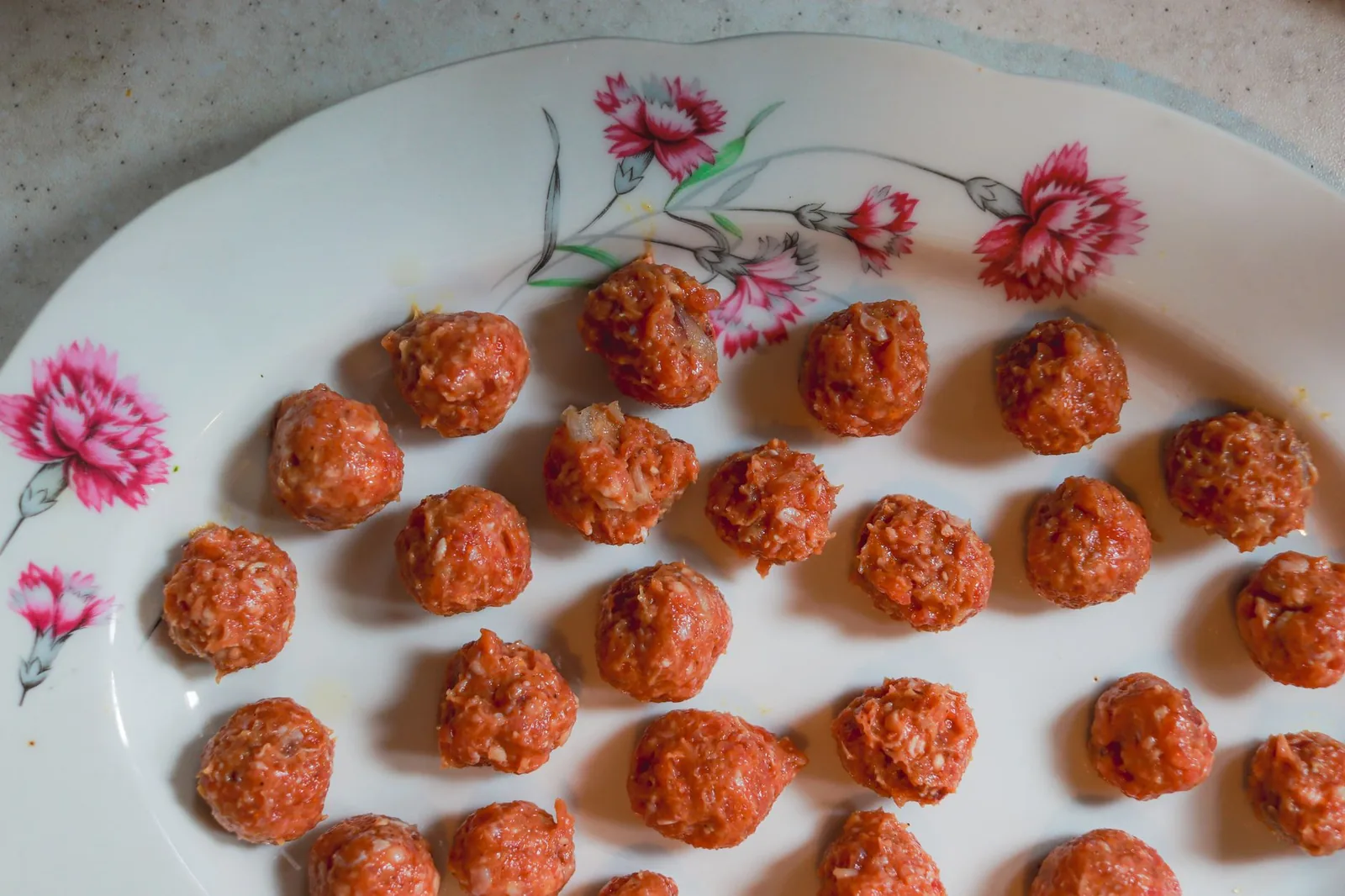


Radicchio: Swap with an equal weight of Treviso or Chioggia radicchio for a longer, milder leaf. Treviso softens faster and stains less, so reduce the sauté time by about 2 minutes to keep the strips intact. The bitterness drops a notch, which helps if you are serving kids or first-time bitter-green eaters. Storing leftover pasta with sausage radicchio correctly keeps it tasting good for days.
Pecorino Romano: Use an equal weight of aged Parmigiano-Reggiano if you want a nuttier, less salty melt. Parmigiano clumps less in warm pasta water, so stir it off the heat and add a touch more liquid if the mix tightens. The flavor turns rounder and less sheepy, which some readers prefer in a pork-heavy pan. For the best results with this pasta with sausage radicchio, read through all the steps before starting.
Dry white wine: Substitute an equal volume of low-sodium chicken stock plus 1 tsp lemon juice to keep acidity without alcohol. Stock browns the sausage slightly less and leaves a softer pan fond, so scrape the skillet a bit longer. You lose the sharp top note but gain a brothier, family-style coating. For another easy option, check out our black truffle pasta.
Step-by-Step Instructions
- Bring 3 liters of water to a rolling boil and add 1 tbsp salt. Cook rigatoni for 1 minute less than the package says, aiming for al dente with a faint white core. Scoop out 120 ml pasta water before draining.
- Set a 30 cm stainless or cast-iron skillet on medium heat with 1 tbsp olive oil. Add sausage broken into 2 cm chunks and press flat; cook 8 minutes until browned underneath, then flip and break into smaller bits.
- Push meat to the pan edge, lower to medium-low heat, and add garlic with the second tbsp oil. Stir 60 seconds until it smells toasty but not brown, then pour in wine to deglaze.
- Stir and scrape the browned bits loose; let the wine bubble down 2 minutes until the sharp smell fades. The pan should look glossy, not dry.
- Add radicchio strips and toss with the sausage on medium heat. Cook 4 minutes, turning often, until the leaves wilt and edges turn wine-red and silky but the core still has bite.
- Add drained pasta, half the reserved water, and Pecorino. Toss 2 minutes over medium-low heat until the sauce emulsifies and coats the tubes. Add more water only if it looks tight.
- Off heat, season with salt and pepper, rest 1 minute, and serve immediately while the sauce is loose and glossy.
Pro Tips
Cut radicchio into even 2 cm strips so it wilts at the same rate; ragged chunks leave raw cores next to mush. A uniform cut is the difference between a balanced bite and a confusing one.
Boil pasta one minute short because it finishes in the sausage pan and keeps absorbing liquid. Overcooked tubes turn the dish pasty once tossed with cheese and water.
Deglaze with wine while the pan is still hot so the alcohol lifts the fond instead of steaming it. For a deeper read on pan sauce building, see the technique guides at pan sauce method.
Rest the tossed pasta off heat for 1 minute so the starch sets the emulsion. Skipping this step leaves a watery pool at the plate bottom.
Pair the bitter greens with a radicchio salad starter if you want to double down on the chicory theme without extra meat.
Common Mistakes to Avoid
Overcrowding the skillet with sausage lowers the pan temperature and steams the meat gray. Use a 30 cm pan or cook the meat in two batches so the surface browns and builds flavor.
Adding cheese over direct high heat makes Pecorino seize into clumps and stick. Pull the pan to medium-low heat or off heat before stirring it in with pasta water.
Cutting radicchio too early and letting it sit makes the leaves bleed and turn brown before cooking. Slice it right before step five so the color stays wine-red and bright.
Serving Suggestions
Plate the pasta in shallow bowls with extra Pecorino and a thread of olive oil on top. The fat roundness balances the last bitter note from the radicchio.
A side of mediterranean pasta salad works if you are feeding a larger table and want a cold contrast. Keep the second dish lemony so it cuts the pork richness.
For a wine match, pour a chilled Vermentino or a light Chianti; both handle bitter greens better than heavy reds. Avoid oaked whites that mask the radicchio edge.
Storage and Reheating
Cool the pasta within 2 hours and store it in an airtight container in the fridge for up to 3 days. The radicchio softens further but keeps a pleasant bite.
Reheat in a skillet on medium-low heat with 1 tbsp water per portion, tossing until the sausage reaches 74°C / 165°F inside. Microwave reheating works but dries the leaves, so cover and use 50% power.
This dish does not freeze well because radicchio turns sour and limp after thawing. Make a fresh batch instead of storing it past the fridge window.
Recipe Variations
Spicy Version
Use hot sausage and add 1/2 tsp crushed chili with the garlic for a two-layer heat. The radicchio absorbs the chili oil and reads warmer without losing its bitter base. Expect a redder pan and a tighter, pepper-edged sauce.
White Wine-Free Version
Replace wine with chicken stock plus lemon juice as noted in substitutions, and add a pinch of fennel seed with the sausage. The result is brothier and milder, closer to a pasta with celery style light coat. Good for anyone avoiding alcohol at the table.
Creamy Version
Stir 60 ml heavy cream in with the pasta water at step six for a silkier, paler sauce. The cream tones the bitterness down hard, so reduce Pecorino to 25 g. It echoes a pasta alla vodka texture without tomato.
Treviso and Lemon Version
Swap radicchio for Treviso and finish with 1 tsp lemon zest off heat for a brighter, less bitter plate. Treviso holds shape better, giving a more structured leaf. This is the version to make for first-time bitter-green eaters.


Pasta With Sausage Radicchio
Description
This pasta with sausage and radicchio is a quick Italian skillet dinner where bitter chicory is softened by rendered sausage fat and starchy pasta water. No cream is needed — the loose pan sauce clings to short tube pasta and stays textured even as leftovers.
Ingredients
Instructions
-
Boil pasta water
Bring 3 liters of water to a rolling boil in a large pasta pot over high heat and add 1 tbsp salt. Cook 320 g rigatoni for 1 minute less than the package says, aiming for al dente with a faint white core at the center. Scoop out 120 ml pasta water before draining and set the pasta aside for later use.
-
Brown the sausage
Set a 30 cm stainless or cast-iron skillet on medium heat with 1 tbsp olive oil. Add 300 g sausage broken into 2 cm chunks and press flat; cook 8 minutes until browned underneath, then flip and break into smaller bits so the meat is evenly seared and reaches an internal temperature of 71°C / 160°F for ground pork safety.
-
Cook garlic and deglaze
Push the meat to the pan edge, lower to medium-low heat, and add the 4 garlic cloves thinly sliced with the second 1 tbsp oil. Stir 60 seconds until it smells toasty but not brown, then pour in 60 ml dry white wine to deglaze. Stir and scrape the browned bits loose; let the wine bubble down 2 minutes until the sharp smell fades and the pan looks glossy, not dry.
-
Wilt the radicchio
Add the cored radicchio cut into 2 cm strips (about 280 g) and toss with the sausage on medium heat. Cook 4 minutes, turning often, until the leaves wilt and edges turn wine-red and silky but the core still has bite and is not mushy.
-
Toss with pasta and cheese
Add the drained pasta, half the reserved water (about 60 ml), and 40 g Pecorino Romano. Toss 2 minutes over medium-low heat until the sauce emulsifies and coats the tubes; add more reserved water only if it looks tight and dry.
-
Season and rest
Off heat, season with 1/2 tsp fine salt and 1/4 tsp black pepper. Rest 1 minute so the starch sets the emulsion and the sauce thickens slightly. Serve immediately while the sauce is loose and glossy, not pooled at the bottom.
Nutrition Facts
Servings 4
- Amount Per Serving
- Calories 520kcal
- % Daily Value *
- Total Fat 28g44%
- Saturated Fat 9g45%
- Cholesterol 65mg22%
- Sodium 780mg33%
- Total Carbohydrate 45g15%
- Dietary Fiber 3g12%
- Sugars 4g
- Protein 25g50%
* Percent Daily Values are based on a 2,000 calorie diet. Your daily value may be higher or lower depending on your calorie needs.
Note
- Storage: Cool the pasta within 2 hours and store in an airtight container in the fridge for up to 3 days; the radicchio softens but keeps a pleasant bite.
- Reheating: Reheat in a skillet on medium-low with 1 tbsp water per portion, tossing until the sausage reaches 74°C / 165°F inside; microwave at 50% power covered if needed but it dries the leaves.
- Radicchio tip: Slice it right before cooking so the color stays wine-red and bright instead of bleeding brown; see our Mediterranean pasta salad for a cold chicory-friendly side.
- Rest step: Do not skip the 1-minute off-heat rest or you will get a watery pool at the plate bottom instead of a set emulsion.
