

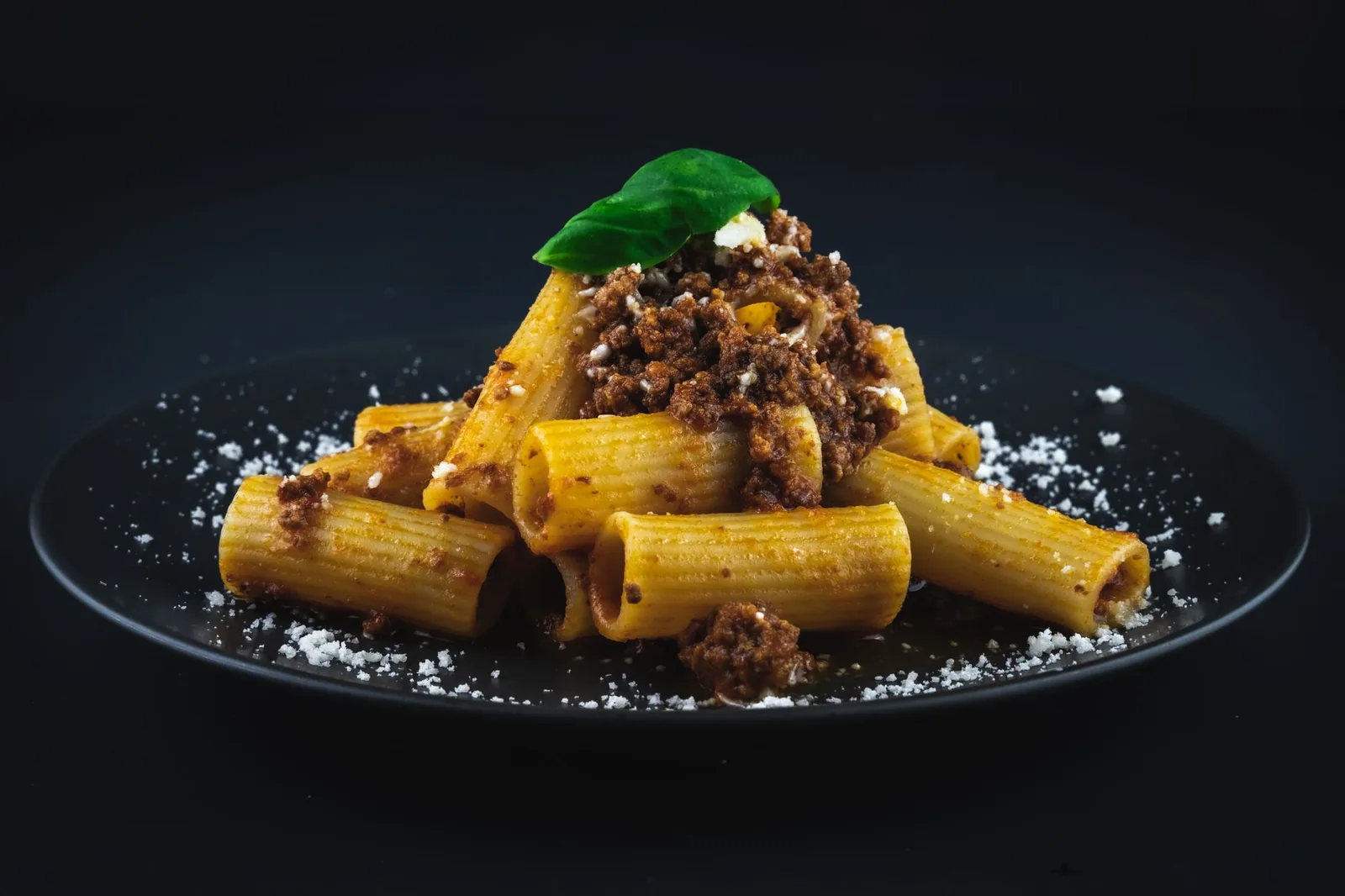
The best pasta meat sauce you can make at home comes from building flavor in layers instead of dumping everything into a pot at once. This version uses pancetta, two meats, and a long gentle simmer so the tomato base turns sweet and the fat carries the herbs into every spoonful. You get a thick, clingy sauce that coats rigatoni instead of pooling at the bottom of the bowl.
What sets this recipe apart is the patience built into the method. Browning the meat properly, softening the soffritto until it loses its raw edge, and letting the sauce reduce for over an hour makes the difference between a watery weeknight shortcut and a sauce with real backbone. It scales well, freezes cleanly, and tastes better on day two. If you enjoyed this, our strawberry sauce you is worth trying next. Making this best pasta meat sauce at home is surprisingly straightforward once you know the key steps.
Why You’ll Love These Best Pasta Meat Sauce
- Deep savory base from pancetta plus beef and pork, not just one bland ground meat.
- Thick texture that clings to pasta because the tomatoes reduce slowly without added starch.
- Make-ahead friendly: flavor improves after a night in the fridge, perfect for busy weeks.
- Freezes for up to three months so you can cook once and eat several times.
- Uses common pantry staples with no hard-to-find ingredients or special equipment.
Ingredients You’ll Need
- 4 oz pancetta, diced small — adds salty rendered fat that carries herb flavor.
- 1 lb ground beef (80/20) — enough fat to stay juicy through the long simmer.
- 1/2 lb ground pork — softer texture and sweetness that balances the beef.
- 1 large yellow onion, finely diced (about 1.5 cups) — the base of the soffritto.
- 2 medium carrots, peeled and finely diced — rounds out acidity with natural sugar.
- 2 celery stalks, finely diced — adds a mild bitter note and aromatic depth.
- 4 garlic cloves, minced — stirred in after the vegetables soften to avoid burning.
- 2 tbsp tomato paste — concentrated umami, browned in the pan before liquids go in.
- 1 cup dry red wine (such as Chianti) — deglazes the browned bits and adds tannic structure.
- 1 (28 oz) can crushed tomatoes — the body of the sauce, use a low-sugar brand.
- 1 (15 oz) can tomato sauce — loosens the crush just enough for even simmering.
- 1/2 cup whole milk — added near the end to soften acidity and enrich mouthfeel.
- 2 tsp dried oregano — earthy and stable through long cooking.
- 1 tsp dried basil — sweet herbal lift without wilting like fresh would.
- 1/2 tsp red pepper flakes — optional, a low background heat.
- 2 tbsp olive oil — used only if the pancetta renders less than a tablespoon of fat.
- 1 tsp salt, plus more to finish — controls seasoning across the simmer.
- 1/2 tsp black pepper — fresh ground for a cleaner bite.
- 1 lb rigatoni — sturdy tube shape that catches the chunky sauce.
- 1/2 cup grated parmesan — stirred in at the table, not cooked into the sauce.
Ingredient Substitutions
Pancetta: Replace the 4 oz with an equal weight of thick-cut bacon, diced small. Bacon renders more fat and carries a stronger smoke note, so drain 1 tablespoon of grease before the onions go in. The sauce will taste slightly sweeter and smokier, and you can skip the olive oil entirely since bacon gives plenty of render. The best pasta meat sauce works well for weeknight cooking when time is limited.



Ground pork: Use an extra 1/2 lb of ground beef (80/20) if pork isn’t available. The sauce loses some of its soft sweetness and turns a bit firmer in texture, but the wine and milk keep it from drying out. Expect a more straightforward beefy profile with less roundness.
Dry red wine: Swap for 1 cup of low-sodium beef broth plus 1 tbsp balsamic vinegar. You lose the tannic grip that wine gives, but the vinegar restores a little sharpness so the tomato doesn’t taste flat. Skip the deglaze step timing change; just pour in and scrape as written.
Whole milk: Replace with an equal amount of half-and-half for a lighter finish. Half-and-half curdles if boiled, so add it at the very end on medium-low heat and stir off the burner. The sauce stays creamy but a touch less rich than with whole milk.
Rigatoni: Use penne or mezze rigatoni if rigatoni is out. Both hold sauce inside the tube, though penne has a smoother wall so slightly less clings. Cooking time shifts by about 1 minute shorter for penne, so check the package.
Step-by-Step Instructions
- Set a wide 5-quart Dutch oven on medium heat and add the diced pancetta. Render it for 6 minutes until the cubes are translucent at the edges and have given up a few tablespoons of fat, stirring twice.
- Push pancetta to one side, raise heat to medium-high, and add the ground beef and pork. Break the meat into walnut-size pieces with a spoon and brown for 8 minutes until no pink remains and the bottom shows browned crust; scrape that up before moving on.
- Lower to medium-low heat and add onion, carrot, and celery with a pinch of salt. Cook the soffritto for 10 minutes until the onion turns clear and the celery softens at the edges, stirring every couple of minutes so nothing colors.
- Stir in the minced garlic and tomato paste. Cook for 2 minutes until the paste darkens from red to rust and smells toasted, not raw.
- Pour in the red wine and scrape the pan bottom with a wooden spoon to lift the browned bits. Let it bubble at medium heat for 4 minutes until the liquid drops by half and the sharp alcohol smell is gone.
- Add crushed tomatoes, tomato sauce, oregano, basil, red pepper flakes, salt, and black pepper. Stir to combine, then bring to a bare simmer where only a few bubbles break the surface.
- Set the lid ajar and simmer at low heat for 75 minutes, stirring every 15 minutes so the bottom doesn’t scorch. The sauce is ready when it’s thickened enough that a spoon dragged across the bottom leaves a clear trail for 3 seconds.
- Stir in the whole milk and cook uncovered for 10 minutes more on medium-low heat until the sauce turns from bright red to a softer brick color and the acid edge softens.
- While the milk finishes, boil rigatoni in salted water for 11 minutes until just al dente with a firm bite, then drain reserving 1/2 cup of the pasta water.
- Toss the drained pasta with the sauce and a splash of pasta water if needed for looseness. Serve topped with grated parmesan and a little black pepper.
Pro Tips
Brown the meat in a single layer without stirring for the first 3 minutes so a crust forms; that crust is where the savory depth of this best pasta meat sauce comes from. Crowding the pan steams the meat gray instead of browning it.
Keep the simmer at a bare bubble rather than a rolling boil. A hard boil breaks the tomato solids and turns the sauce thin and sharp, while a lazy simmer protects the slow simmer technique that builds sweetness.
Add the milk only after the long simmer, never at the start. Early dairy can split under tomato acid and give a grainy mouthfeel instead of the silky finish you want.
Reserve pasta water before draining; its starch re-binds a sauce that tightened in the fridge. A few tablespoons mixed in at toss time brings the best pasta meat sauce back to a glossy coat.
Cool the sauce to room temperature before refrigerating so it doesn’t raise the fridge interior above safe range. Shallow containers speed cooling and cut the risk of off flavors.
Common Mistakes to Avoid
Rushing the soffritto is the most common error; raw onion keeps a harsh bite that survives the simmer. Give the carrot, celery, and onion the full 10 minutes on medium-low heat before moving forward.
Pouring wine into a cold pan skips the deglaze that captures browned flavor. Always add it after the meat and paste steps while the pan is still hot so the steam lifts the stuck-on fond.
Over-salting early hides the later acid shift from the milk. Season in two stages: a pinch with the vegetables and the rest after the milk goes in, when the true salt need shows.
Boiling pasta to full softness before the toss makes it mushy since it cooks another minute in hot sauce. Pull it at just al dente and let the sauce finish the texture.
Serving Suggestions
Plate the rigatoni in shallow bowls with a heavy spoon of sauce per portion and a mound of parmesan on top. A side of pasta salad works if you want a cold contrast on the table.
For a wine pairing, the same Chianti used in the pot drinks well alongside. If you want a green side, pasta with celery isn’t a match but a simple bitter chicory salad cuts the pork fat.
Leftover sauce also layers into baked ziti; spread half in a dish, add cooked penne, top with the rest and mozzarella, then bake at 180°C / 350°F for 25–30 minutes. The bechamel sauce from our site can replace half the cheese for a creamier bake.
Storage and Reheating
Refrigerate the cooled sauce in an airtight container for up to 4 days. The pasta tossed in sauce keeps up to 3 days because the noodles soak up liquid and soften further.
Freeze plain sauce (no pasta) in quart bags flat for up to 3 months. Thaw overnight in the fridge, then reheat on medium-low heat to an internal temperature of 165°F for meat safety, stirring every few minutes.
Reheat single bowls in a covered microwave at 70% power in 2-minute bursts, stirring between, until steaming. Don’t leave cooked sauce out more than 2 hours total before chilling.
Recipe Variations
Spicy Version
Double the red pepper flakes to 1 tsp and add 1/2 tsp cayenne with the garlic. The heat sits in the background and builds with the simmer rather than burning sharp at the start. Serve with extra parmesan to soften the bite.
White Wine Swap
Use a dry white like Pinot Grigio instead of red and skip the tomato sauce, using only crushed tomatoes. The result is lighter and a touch fruitier, closer to a rustic pasta e lenticchie style. Cook time stays the same but the color stays brighter.
Herb Forward
Stir 1/4 cup chopped fresh parsley and 2 tbsp fresh oregano in with the milk. Fresh herbs keep a green note that dried can’t, though they fade if cooked past 5 minutes. This pairs well with our basil pesto drizzled at the table.
Slow Cooker Method
Brown meats and soffritto on stovetop, then move everything to a slow cooker on low for 6 hours. The texture stays looser, so reduce the tomato sauce by half at the start. Stir milk in during the final 30 minutes so it doesn’t separate.


Best Pasta Meat Sauce Youll Ever Have
Description
A thick, clingy pasta meat sauce built by browning pancetta, beef, and pork then slowly simmering with soffritto, wine, and tomatoes for over an hour. It tastes even better the next day and freezes cleanly for busy weeks.
Ingredients
Instructions
-
Render the pancetta
Set a wide 5-quart Dutch oven on medium heat and add the diced pancetta. Render it for 6 minutes until the cubes are translucent at the edges and have given up a few tablespoons of fat, stirring twice so it cooks evenly.
-
Brown the meats
Push pancetta to one side, raise heat to medium-high, and add the ground beef and pork. Break the meat into walnut-size pieces with a spoon and brown for 8 minutes until no pink remains, the bottom shows browned crust, and the ground meat reaches a safe 71°C/160°F internal temperature; scrape that crust up before moving on.
-
Cook the soffritto
Lower to medium-low heat and add onion, carrot, and celery with a pinch of salt. Cook the soffritto for 10 minutes until the onion turns clear and the celery softens at the edges, stirring every couple of minutes so nothing colors.
-
Toast garlic and paste
Stir in the minced garlic and tomato paste. Cook for 2 minutes until the paste darkens from red to rust and smells toasted, not raw, which builds the umami base.
-
Deglaze with wine
Pour in the red wine and scrape the pan bottom with a wooden spoon to lift the browned bits. Let it bubble at medium heat for 4 minutes until the liquid drops by half and the sharp alcohol smell is gone.
-
Simmer the sauce
Add crushed tomatoes, tomato sauce, oregano, basil, red pepper flakes, salt, and black pepper. Stir to combine, then bring to a bare simmer where only a few bubbles break the surface, set the lid ajar and simmer at low heat for 75 minutes, stirring every 15 minutes; the sauce is ready when a spoon dragged across the bottom leaves a clear trail for 3 seconds.
-
Add milk and finish
Stir in the whole milk and cook uncovered for 10 minutes more on medium-low heat until the sauce turns from bright red to a softer brick color and the acid edge softens. This enriches the mouthfeel without splitting the dairy.
-
Cook and toss pasta
While the milk finishes, boil rigatoni in salted water for 11 minutes until just al dente with a firm bite, then drain reserving 1/2 cup of the pasta water. Toss the drained pasta with the sauce and a splash of pasta water if needed for looseness, then serve topped with grated parmesan and a little black pepper.
Nutrition Facts
Servings 6
- Amount Per Serving
- Calories 650kcal
- % Daily Value *
- Total Fat 34g53%
- Saturated Fat 12g60%
- Cholesterol 95mg32%
- Sodium 900mg38%
- Total Carbohydrate 55g19%
- Dietary Fiber 5g20%
- Sugars 12g
- Protein 35g70%
* Percent Daily Values are based on a 2,000 calorie diet. Your daily value may be higher or lower depending on your calorie needs.
Note
- Storage: Refrigerate the cooled sauce in an airtight container for up to 4 days; pasta tossed in sauce keeps up to 3 days. Don't leave cooked sauce out more than 2 hours total before chilling.
- Make ahead: Cool the sauce to room temperature in shallow containers before refrigerating so it doesn't raise the fridge above safe range. The bechamel sauce can replace half the cheese in a baked ziti variation.
- Pro tip: Reserve pasta water before draining; its starch re-binds a sauce that tightened in the fridge when mixed in at toss time.
- Reheating: Reheat single bowls in a covered microwave at 70% power in 2-minute bursts, stirring between, until steaming and reaching 74°C/165°F.
