

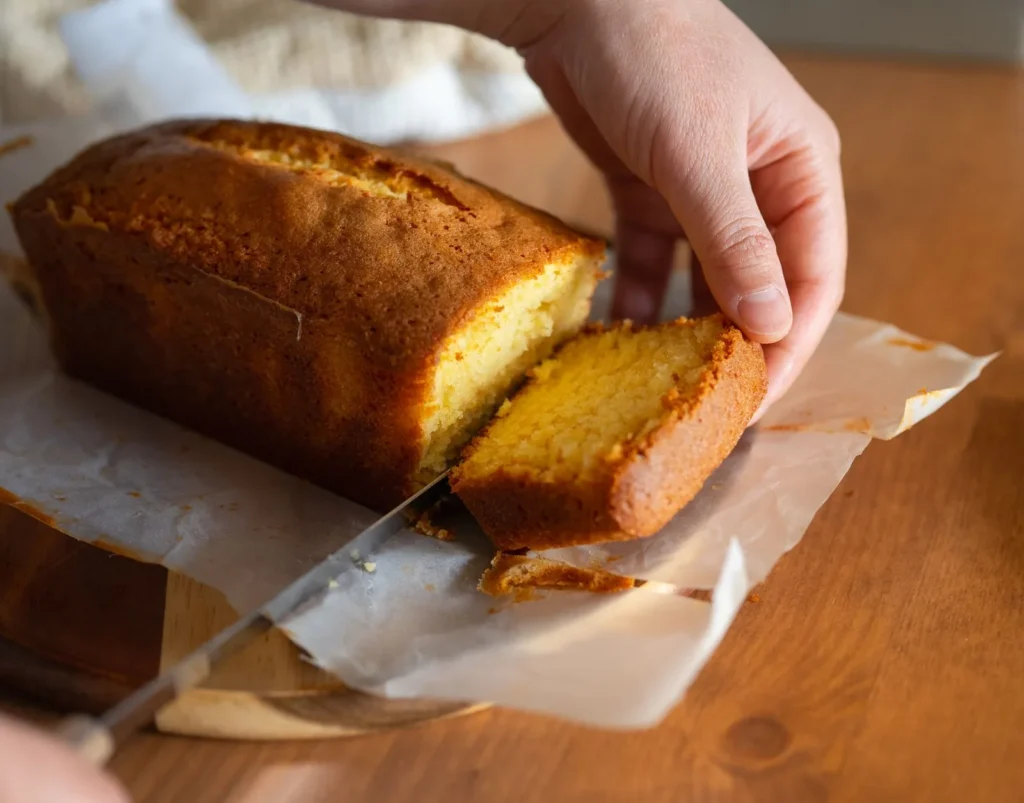
A mile high pound cake recipe gives you a loaf that rises well above the rim of a standard pan, with a dense yet tender crumb that slices cleanly. This version uses a higher proportion of butter and a slow creaming method so the structure holds its height without collapsing. You get a classic vanilla-scented cake that works for dessert, brunch, or an afternoon snack.
The key to the height is how the fat and sugar are beaten before the eggs go in, plus a pan that restricts spread. We use a 9×5 inch loaf pan with tall sides and a moderate oven so the batter sets from the outside in. Below you’ll find the exact weights, the steps that matter, and the mistakes that flatten the top. If you enjoyed this, our high protein casserole is worth trying next. Making this mile high pound cake at home is surprisingly straightforward once you know the key steps.
Why You’ll Love These Mile High Pound Cake
- They rise 2 to 3 inches above the pan instead of peaking and cracking.
- The crumb stays tight and moist for up to four days at room temp.
- One bowl of batter makes a loaf that serves ten thick slices.
- You can freeze the whole cake and thaw it without losing texture.
Ingredients You’ll Need
- 340 g unsalted butter, softened to 20°C — gives the lift and rich mouthfeel
- 400 g granulated sugar — feeds the creaming air and browns the crust
- 6 large eggs, room temperature — binds and adds lift
- 360 g cake flour — lower protein keeps the crumb fine
- 120 ml whole milk, room temperature — loosens the batter for a tall bake
- 2 tsp pure vanilla extract — rounds the butter flavor
- 1 tsp fine salt — controls sweetness and strengthens gluten
- 1 tsp baking powder — small boost beyond eggs for height
Ingredient Substitutions
Unsalted butter: Replace with an equal weight of salted butter and drop the fine salt from the list. Salted butter usually contains about 1.5% salt, so the cake will taste slightly more seasoned and brown a touch faster at the edges. The texture stays the same because the fat content matches; just watch the crust after 45 minutes of baking. The mile high pound cake works well for weeknight cooking when time is limited.
Cake flour: Use 330 g all-purpose flour plus 30 g cornstarch sifted together for every 360 g cake flour. This lowers the protein to mimic cake flour so the crumb stays soft rather than chewy. You’ll see a marginally less lofty rise but the slice will still stand tall and cut neat. Storing leftover mile high pound cake correctly keeps it tasting good for days.
Whole milk: Swap with an equal volume of half-and-half for a richer, slightly denser bite. The extra cream fat slows setting a little, so add 3 minutes to the bake and check the center with a skewer. Flavor gets more dairy-forward without turning heavy. For the best results with this mile high pound cake, read through all the steps before starting.
Vanilla extract: Replace the 2 tsp with 1 tsp vanilla bean paste for visible specks and a rounder aroma. Paste is concentrated, so half the volume keeps the same perfume without tipping into floral. The crust color is unchanged and the crumb smells brighter when sliced. For another easy option, check out our contact.
Step-by-Step Instructions
- Heat the oven to 165°C / 325°F and line a 9×5 inch tall-sided loaf pan with parchment up the long sides. A pan with low walls lets batter spread and you lose the mile-high shape.
- Beat 340 g softened butter and 400 g sugar on medium speed for 6 minutes until pale and fluffy, scraping the bowl twice. This traps the air that later becomes height.
- Add 6 room-temperature eggs one at a time on low speed, beating 20 seconds after each. The mix should look smooth, not separated; cold eggs break the emulsion.
- Whisk 360 g cake flour, 1 tsp salt, and 1 tsp baking powder, then add to the bowl in three parts alternating with 120 ml milk. Mix on low speed just until streaks disappear, do not overmix.
- Pour batter into the pan and tap twice on the counter to release big bubbles. Bake 65–75 minutes until the top is golden and a skewer in the center comes out with a few moist crumbs.
- Cool in the pan 15 minutes, then lift by the parchment onto a rack. Let it reach room temperature before slicing so the crumb firms and cuts clean.
Pro Tips
Start eggs and milk at room temperature so the emulsion holds and the batter bakes evenly from edge to center. Cold dairy shocks the fat and can sink the middle before the crust sets.
Use a scale for flour; spooning into a cup can add 40 g extra and flatten the loaf. Weight is the only reliable way to repeat the height batch to batch.
If your oven runs hot, rotate the pan at 40 minutes to stop one side from doming. A gentle turn keeps the top level instead of leaning.
For a deeper crust, brush the cooled top with simple syrup and broil 2 minutes under watch. This mirrors the finish discussed in baking technique guides for butter cakes.
Common Mistakes to Avoid
Opening the oven before 50 minutes drops the air temperature and the loaf sinks along the seam. Keep the door shut until the crust is set and pale gold.
Beating the flour stage too long develops gluten and gives a rubbery, low cake. Stop mixing the moment you see no white streaks and move to the pan.
Using a shallow 8×4 pan forces the batter outward and you get a wide, short block. The tall 9×5 is what earns the mile-high label, so pan choice is not optional. You might also like our lard bread authentic.
Serving Suggestions
Slice thick and pair with eggplant rollatini as a savory contrast on a brunch board. The buttery crumb balances the tomato sauce without competing.
Dust with powdered sugar and add berries for a simple dessert plate. A dollop of whipped cream turns one slice into a plated finish for dinner guests.
Toast a slice and butter it, then serve alongside garlic salmon for a sweet-savory weekend meal. The salt on the fish meets the sugar in the cake cleanly.
Storage and Reheating
Wrap the cooled cake in plastic and keep at room temperature up to 4 days in a bread box or tin. Refrigeration dries the crumb, so avoid the fridge unless your kitchen is above 28°C.
For longer hold, freeze the whole loaf up to 2 months double-wrapped in foil. Thaw overnight on the counter, then warm individual slices in a 150°C / 300°F oven for 8 minutes to refresh the crust.
Cut slices keep up to 3 days in an airtight container with parchment between layers. Reheat only what you eat so the rest stays moist.
Recipe Variations
Lemon Version
Add 2 tbsp lemon zest and replace 30 ml of milk with lemon juice for a bright, acidic edge. The crumb stays tall but smells citrus-forward and pairs well with tea. Bake time is unchanged if the juice is measured exactly.
Chocolate Swirl
Reserve 120 g batter and mix with 20 g cocoa powder plus 10 ml milk, then ripple through the pan before baking. You get a marbled look with the same height and a soft cocoa vein. Avoid full cocoa substitution or the loaf loses lift.
Almond Top
Press 40 g sliced almonds onto the batter surface at 55 minutes so they toast with the crust. The nuts add crunch and a mild nutty scent without changing the crumb below. Skip if you need a nut-free loaf for a crowd.
Buttermilk Swap
Use 120 ml buttermilk barrel style cultured milk instead of whole milk for a tangier, softer bite. The acid slightly tenderizes the crumb and the top browns a shade darker. Add 5 minutes to the bake to fully set the center.

Mile High Pound Cake
Description
A mile high pound cake that rises 2 to 3 inches above a tall 9x5 loaf pan with a dense yet tender crumb and classic vanilla scent. Slow creaming of butter and sugar builds the height, making it perfect for dessert, brunch, or an afternoon snack.
Ingredients
Instructions
-
Heat oven and line pan
Heat the oven to 165°C / 325°F and line a 9x5 inch tall-sided loaf pan with parchment up the long sides. A pan with low walls lets batter spread and you lose the mile-high shape, so use a tall pan for proper structure.
-
Cream butter and sugar
Beat 340 g softened butter and 400 g sugar on medium speed for 6 minutes until pale and fluffy, scraping the bowl twice. This traps the air that later becomes height and gives the cake its lift.
-
Add eggs one at a time
Add 6 room-temperature eggs one at a time on low speed, beating 20 seconds after each addition. The mix should look smooth, not separated; cold eggs break the emulsion and can sink the batter.
-
Combine dry and milk
Whisk 360 g cake flour, 1 tsp salt, and 1 tsp baking powder, then add to the bowl in three parts alternating with 120 ml milk. Mix on low speed just until streaks disappear, do not overmix or the crumb turns rubbery.
-
Fill pan and tap
Pour batter into the prepared pan and tap twice on the counter to release big bubbles. The batter should fill the pan and sit proud of the rim for the mile-high result.
-
Bake the loaf
Bake for 65–75 minutes until the top is golden and a skewer in the center comes out with a few moist crumbs. Keep the oven door shut until at least 50 minutes so the loaf does not sink along the seam.
-
Cool in pan
Cool in the pan for 15 minutes, then lift by the parchment onto a rack. The partial pan rest lets the structure set before unmolding.
-
Cool and slice
Let it reach room temperature before slicing so the crumb firms and cuts clean. A fully cooled loaf gives ten thick slices with a tight, moist crumb.
Nutrition Facts
Servings 10
- Amount Per Serving
- Calories 420kcal
- % Daily Value *
- Total Fat 24g37%
- Saturated Fat 14g70%
- Cholesterol 150mg50%
- Sodium 300mg13%
- Total Carbohydrate 46g16%
- Dietary Fiber 1g4%
- Sugars 32g
- Protein 6g12%
* Percent Daily Values are based on a 2,000 calorie diet. Your daily value may be higher or lower depending on your calorie needs.
Note
- Storage: Wrap the cooled cake in plastic and keep at room temperature up to 4 days in a bread box or tin; avoid the fridge unless above 28°C.
- Make ahead: Freeze the whole loaf up to 2 months double-wrapped in foil and thaw overnight before reheating slices.
- Pro tip: Use a scale for flour since spooning can add 40 g extra and flatten the loaf; for another bake try the apple cake recipe.
- Pan choice: A tall 9x5 loaf pan is required for the mile-high shape, a shallow 8x4 forces spread and a short block.
