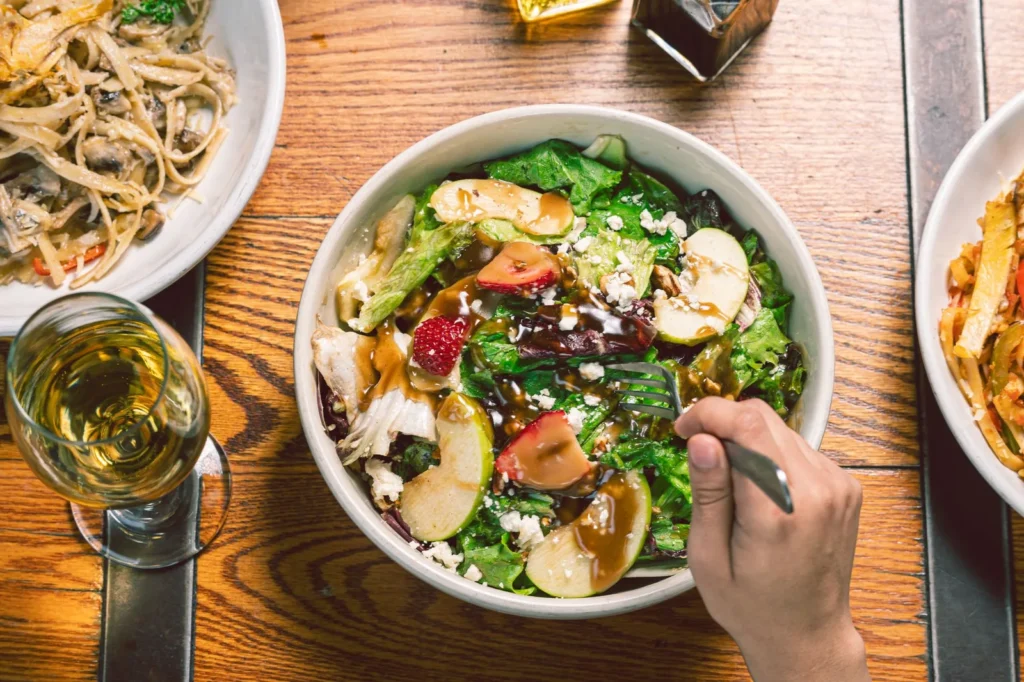
A good maple vinaigrette recipe changes how a plain salad eats. The mix of real maple syrup and sharp vinegar gives you a dressing that's sweet at first, then tangy, then clean on the finish. You get a pourable emulsion that clings to leaves instead of pooling at the bottom of the bowl.
This version uses a 3-to-1 oil-to-acid ratio with maple doing double duty as sweetener and binder. It takes about five minutes and needs no special equipment beyond a jar with a tight lid. The result keeps in the fridge for weeks and works on far more than lettuce. If you enjoyed this, our disclosure is worth trying next. Making this maple vinaigrette at home is surprisingly straightforward once you know the key steps.
Why You'll Love These Maple Vinaigrette
- Comes together in one jar with no blender or whisking arm workout.
- Real maple gives a rounded sweetness that white sugar can't match.
- Holds its emulsion longer than a plain oil-and-vinegar mix.
- Works on bitter greens, roasted roots, and maple roasted carrots alike.
- Scales up easily for meal prep without losing balance.
Ingredients You'll Need
- 1/3 cup pure maple syrup (grade A amber) — gives body and sweetness.
- 3 tbsp apple cider vinegar — provides the acidic cut.
- 1 tbsp Dijon mustard — acts as the emulsifier.
- 1 small garlic clove, minced — adds a low savory note.
- 1/2 cup extra-virgin olive oil — the fat base for the dressing.
- 1/4 tsp fine sea salt — rounds the flavors.
- 1/8 tsp black pepper — light spice at the end.
Ingredient Substitutions
Pure maple syrup: Replace with an equal amount of honey if you don't need a vegan dressing. Honey is thicker and a touch floral, so thin it with a few drops of warm water before shaking. The emulsion stays stable but the flavor loses the woodsy note maple brings. The maple vinaigrette works well for weeknight cooking when time is limited.
Apple cider vinegar: Use the same volume of red wine vinegar for a fruitier, less funky acid. Red wine vinegar is sharper, so cut it to 2.5 tbsp and keep the rest as written. The color shifts pinker but the cling on greens stays the same. Storing leftover maple vinaigrette correctly keeps it tasting good for days.
Extra-virgin olive oil: Swap in a neutral oil like grapeseed at a one-to-one ratio if you want a milder taste. Grapeseed won't add the peppery finish olive oil gives, and it stays liquid longer in the fridge. The texture is lighter and the dressing reads cleaner on delicate herbs.
Dijon mustard: Replace with 1 tsp of whole-grain mustard plus a pinch of cornstarch if you want texture and stability. Whole-grain mustard leaves visible specks and a slight bite, while the cornstarch helps hold the mix. Skip this if you prefer a completely smooth pour.
Step-by-Step Instructions
- Add 1/3 cup maple syrup, 3 tbsp apple cider vinegar, 1 tbsp Dijon mustard, and 1 minced garlic clove to a 12-ounce jar.
- Season with 1/4 tsp fine sea salt and 1/8 tsp black pepper, then screw the lid on tight.
- Shake the closed jar over the counter for 20 seconds until the liquid turns cloudy and uniform.
- Open the lid and pour in 1/2 cup olive oil slowly while shaking in short bursts to build the emulsion.
- Shake again for 15 seconds until the mix thickens slightly and no oil floats on top.
- Taste on a spoon; if it's too sharp, add 1 tsp more maple and shake to blend.
Pro Tips
Bring the jar to room temperature before shaking if your oil has gone cloudy in the fridge. Cold oil resists emulsifying and you'll see separated beads that never pull together.
Use a whisking technique in a bowl if you want a thinner, more restaurant-style pour for delicate microgreens.
Roast the garlic first for a softer, sweeter base that pairs well with chevre cheese in a warm salad.
Double the batch and store the extra in a clean swing-top bottle so you always have a recipe barrel ready for weeknight greens.
Common Mistakes to Avoid
Pouring the oil in all at once breaks the emulsion and leaves a greasy layer. Add it in a slow stream while moving the jar so the mustard can trap the fat.
Using pancake syrup instead of pure maple gives a fake sweetness and a weak bind. Check the label for one ingredient only — maple sap.
Skipping the salt makes the acid shout and the sweet fall flat. Even a small 1/4 tsp brings the two into line.
Serving Suggestions
Spoon it over massaged kale with toasted pecans for a cold lunch. The sweet-tart line cuts the green's chew.
Drizzle on maple roasted carrots just before serving to layer the maple note instead of doubling it in the oven.
Use as a dip for fresh milled flour bread torn into chunks at a fall table.
Storage and Reheating
Keep the sealed jar in the refrigerator for up to 3 weeks. The olive oil will solidify below 40°F, which is normal and safe.
Set it on the counter for 10 minutes and shake hard to reliquify before each use. Don't microwave it or the garlic will cook and turn bitter.
This dressing is not freezer-friendly; the emulsion breaks and the texture goes grainy after thaw. Make a fresh maple vinaigrette recipe batch instead of thawing old stock.
Recipe Variations
Citrus Version
Replace the apple cider vinegar with fresh lemon juice at the same volume and add 1 tsp of zest. The dressing turns brighter and pairs with blue cheese olives on a crisp plate. Expect a lighter color and a faster fade on the palate.
Shallot Version
Swap the garlic for 1 tbsp minced shallot soaked in the vinegar for 5 minutes before shaking. The bite is milder and more perfumed, good over tomato slices. The mix stays stable for the same fridge window.
Smoked Version
Add 1/4 tsp smoked paprika with the salt for a backyard note without a grill. Use it on roasted sweet potato cubes for a fall bowl. The color deepens to a soft amber and the pepper warmth reads at the end.