

A good lemonade cupcakes recipe turns the bright, sweet-tart taste of summer lemonade into a handheld cake with a creamy topping. These cupcakes use real lemon juice and zest in both the batter and the frosting so the citrus reads clearly instead of fading into generic vanilla. You get a moist crumb, a balanced sweetness, and a finish that tastes like fresh lemonade without being sour or sharp.
The method below is built for home ovens and standard muffin tins, not pastry-school equipment. We cream the butter and sugar long enough to trap air, then alternate dry and wet ingredients to keep the crumb tender. The result is a cupcake that holds its dome, soaks up lemon flavor, and pairs well with a simple powdered-sugar frosting. Making this lemonade cupcakes at home is surprisingly straightforward once you know the key steps.
If you have never baked with lemon concentrate before, this lemonade cupcakes recipe shows exactly where it helps and where fresh juice works better. You will also see how to fix a too-thin batter and a too-soft frosting before they ruin the batch. If you enjoyed this, our roasted lemonade copycat is worth trying next.


Why You’ll Love These Lemonade Cupcakes
- Real lemonade flavor from juice, zest, and a touch of concentrate in the batter.
- Soft, even crumb that stays moist for up to three days at room temp.
- One-bowl frosting you can pipe or spread with a knife.
- Freezer friendly, so you can bake ahead for parties.
- Easy to scale to 12, 24, or 36 cupcakes without changing ratios.
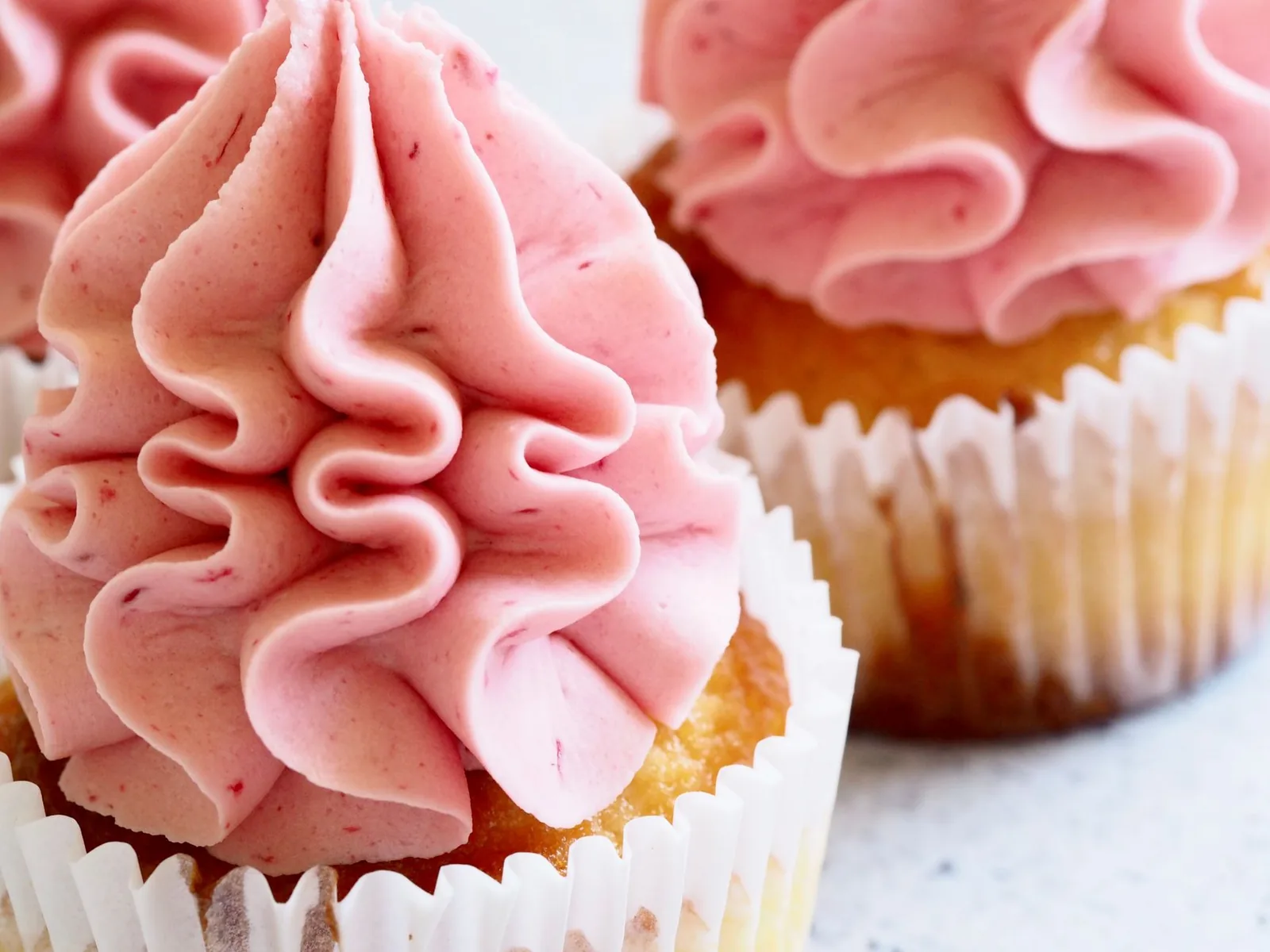
Ingredients You’ll Need
- 1 1/2 cups all-purpose flour (180g) — gives structure without a heavy crumb.
- 1 cup granulated sugar (200g) — sweetens and helps the crust brown.
- 1/2 cup unsalted butter, room temperature (113g) — creams for lift and flavor.
- 2 large eggs, room temperature — bind and add richness.
- 1/2 cup whole milk, room temperature — keeps the batter fluid.
- 1/4 cup fresh lemon juice (about 2 lemons) — main acidic note.
- 1 tbsp lemon zest — oily citrus aroma the juice alone lacks.
- 2 tbsp lemonade concentrate, thawed — boosts lemonade identity.
- 1 1/2 tsp baking powder — primary lift.
- 1/4 tsp salt — balances sweetness.
- 1/2 cup unsalted butter, room temperature (for frosting, 113g).
- 2 1/2 cups powdered sugar (300g, for frosting).
- 2 tbsp fresh lemon juice (for frosting).
- 1 tbsp lemon zest (for frosting).
- 1/8 tsp salt (for frosting).
Ingredient Substitutions
Whole milk: Replace with an equal volume of buttermilk for a tangier crumb and slightly tighter crumb. Buttermilk reacts faster with baking powder, so fill liners only two-thirds full to avoid overflow. Expect a softer bite and a faint dairy sourness that supports the lemon. The lemonade cupcakes works well for weeknight cooking when time is limited.
All-purpose flour: Swap with an equal weight of gluten-free 1-to-1 baking flour if you need a wheat-free batch. These blends often need 1 extra tablespoon of milk because they absorb liquid slower. The baked cupcake will be a touch more fragile, so cool fully before frosting. Storing leftover lemonade cupcakes correctly keeps it tasting good for days.
Lemonade concentrate: Use 3 tablespoons of extra fresh lemon juice plus 1 tablespoon sugar if concentrate is unavailable. The lemonade signal will be lighter and more acidic, so reduce added salt by half. Bake at the same temperature but check doneness 2 minutes early.
Unsalted butter: Replace with the same weight of refined coconut oil for a dairy-free version. Coconut oil is firm below 76°F, so warm the bowl briefly before creaming. The crumb will be slightly denser and the frosting must stay cool or it will slip.
Large eggs: Use 2 flax eggs (2 tbsp ground flax plus 6 tbsp water, rested 10 minutes) for an egg-free batch. Flax eggs add moisture but less lift, so expect a flatter top. Add 1/4 tsp extra baking powder to compensate. For another easy option, check out our about us.
Step-by-Step Instructions
- Heat the oven to 180°C / 350°F and line a 12-cup muffin tin with paper liners. Room-temperature ingredients blend faster, so pull butter, eggs, and milk out 30 minutes before starting.
- Beat 1/2 cup butter and 1 cup sugar on medium speed for 3 minutes until pale and fluffy. This step builds the air pockets that become the cupcake’s lift.
- Add 2 eggs one at a time on low speed, scraping the bowl after each. The mix should look smooth, not broken or curdled.
- Whisk flour, baking powder, and salt in a separate bowl. Add one-third of the dry mix to the butter mix on low speed, then half the milk, then dry, then remaining milk, then final dry. Do not overmix; stop when streaks disappear.
- Stir in lemon juice, zest, and concentrate by hand with a spatula. The batter will be thin and pourable, which is correct for this formula.
- Divide batter into liners filling each two-thirds full. Bake 18–20 minutes until the tops spring back and a toothpick comes out clean.
- Cool in the tin 5 minutes, then move to a rack. Frost only when the cupcakes feel cool to the touch to avoid melting the topping.
- Beat frosting butter medium speed 2 minutes, then add powdered sugar, lemon juice, zest, and salt. Whip 3 minutes until light. Pipe or spread a generous swirl on each cupcake.
Pro Tips
Weigh flour instead of scooping; compacted cups add up to 30g extra and make the crumb tough. A digital scale removes that guesswork for consistent results.
Zest lemons before juicing; once cut, the peel dries and releases less oil. Use a microplane so you capture zest without the white pith, which tastes bitter.
Chill the frosting bowl for 10 minutes if your kitchen is warm and the butter feels soft. Cold tools keep the fat firm so the swirl holds peaks instead of slumping.
Rest the baked cupcakes uncovered for 20 minutes before frosting so trapped steam escapes. Covering them too early traps moisture and makes the tops gummy under the frosting.
If the batter looks curdled after eggs, add a tablespoon of the flour mix and beat 10 seconds. The starch binds the fat and liquid back into a smooth base.
Common Mistakes to Avoid
Overfilling liners past three-quarters causes the tops to mushroom and stick to the tin. Keep each cup at two-thirds so the batter has room to rise and dome.
Using cold eggs straight from the fridge makes the butter seize into clumps. Set them in warm water for 5 minutes if you forgot to temper them earlier.
Opening the oven before minute 15 drops the temperature and can collapse the structure. Avoid opening the oven early unless you smell burning or see smoke.
Adding frosting to warm cupcakes melts the sugar and slides it off. Serve immediately only after full cooling, or the finish looks thin and greasy.
Serving Suggestions
Pair the cupcakes with a glass of peach lemonade to echo the citrus without repeating it exactly. The stone-fruit note balances the tart frosting.
For a dessert board, set them next to tzatziki dips only if you are doing a savory-sweet spread; more naturally, add plain shortbread cookies for texture contrast.
Top each swirl with a candied lemon slice for a clear visual cue of the flavor. A roasted lemonade on the side works as a warmer drink when serving in cold months.
Storage and Reheating
Keep unfrosted cupcakes in an airtight container at room temperature up to 3 days. Frosted ones hold in the fridge up to 4 days but the crumb firms, so let them sit 20 minutes before eating.
Freeze unfrosted cupcakes wrapped in plastic then foil freeze for up to 2 months. Thaw at room temperature 1 hour, then frost fresh for the best texture.
Do not leave baked cupcakes out more than 2 hours in a warm room or the dairy frosting risks spoilage. Reheat unfrosted ones at 150°C / 300°F for 5 minutes to take the fridge chill off.
Recipe Variations
Pink Lemonade Version
Replace the lemonade concentrate with pink lemonade concentrate and add 2 drops of red food color to the batter. The crumb turns blush and the flavor stays citrus-forward with a faint berry hint from the concentrate.
Lavender Lemonade
Steep 1 tsp dried culinary lavender in the warm milk for 10 minutes, then strain before use. The floral note is subtle and pairs with the lemon without tasting soapy if you keep the amount small.
Sparkling Topping
After frosting, dip the swirl in homemade lemonade sugar (dehydrated lemonade powder mixed with coarse sugar). The crunch contrasts the soft crumb and signals the theme.
Sheet Cake Convert
Pour the batter into a 9×9 pan and bake 25–30 minutes at the same temperature. Cut into squares for a picnic format when liners are unavailable; frost the whole top and slice to serve.


Lemonade Cupcakes
Description
These lemonade cupcakes pack real lemon juice, zest, and a touch of concentrate into a moist, tender crumb with a bright powdered-sugar frosting. They taste like fresh summer lemonade without being sharp or sour.
Ingredients
Instructions
-
Heat oven and prep
Heat the oven to 180°C / 350°F and line a 12-cup muffin tin with paper liners so the batter won't stick. Pull butter, eggs, and milk out 30 minutes before starting so they reach room temperature and blend faster without seizing the butter.
-
Cream butter and sugar
Beat 1/2 cup butter and 1 cup sugar on medium speed for 3 minutes until the mix is pale and fluffy. This step traps air pockets that become the cupcake's lift, so do not rush it or the crumb will be dense.
-
Add eggs one at a time
Add 2 eggs one at a time on low speed, scraping the bowl after each addition so nothing clumps on the sides. The mix should look smooth and homogeneous, not broken or curdled, before you move on.
-
Mix dry and add alternately
Whisk flour, baking powder, and salt in a separate bowl, then add to the butter mix on low speed in this order: one-third dry, half milk, dry, remaining milk, final dry. Stop mixing as soon as streaks disappear so the crumb stays tender and does not turn tough from overworking.
-
Stir in lemon flavor
Stir in lemon juice, zest, and concentrate by hand with a spatula until just combined into the batter. The batter will be thin and pourable, which is correct for this formula and helps the lemonade flavor soak in evenly.
-
Fill and bake cupcakes
Divide batter into liners filling each two-thirds full so the tops have room to dome without mushrooming. Bake 18–20 minutes until the tops spring back when touched and a toothpick comes out clean with no wet crumb.
-
Cool cupcakes fully
Cool in the tin 5 minutes, then move to a rack and rest uncovered about 20 minutes so trapped steam escapes and tops stay dry. Frost only when the cupcakes feel cool to the touch, or the topping will melt and slide off.
-
Make and apply frosting
Beat frosting butter on medium speed for 2 minutes, then add powdered sugar, lemon juice, zest, and salt and whip 3 minutes until light and fluffy. Pipe or spread a generous swirl on each fully cooled cupcake for a clear lemonade finish.
Nutrition Facts
Servings 12
- Amount Per Serving
- Calories 320kcal
- % Daily Value *
- Total Fat 14g22%
- Saturated Fat 9g45%
- Cholesterol 60mg20%
- Sodium 150mg7%
- Total Carbohydrate 46g16%
- Dietary Fiber 1g4%
- Sugars 36g
- Protein 3g6%
* Percent Daily Values are based on a 2,000 calorie diet. Your daily value may be higher or lower depending on your calorie needs.
Note
- Storage: Keep unfrosted cupcakes in an airtight container at room temperature up to 3 days; frosted ones hold in the fridge up to 4 days but let sit 20 minutes before eating.
- Make ahead: Freeze unfrosted cupcakes wrapped in plastic then foil for up to 2 months and frost after thawing for best texture; try our peach lemonade as a serving match.
- Pro tip: Weigh flour with a digital scale instead of scooping to avoid adding up to 30g extra that makes the crumb tough.
- Cooling: Rest baked cupcakes uncovered 20 minutes before frosting so steam escapes and the tops don't turn gummy under the topping.
