

Dreaming of that perfect slice of New York-style pizza? The kind with a chewy, yet crispy crust that folds just right? The secret isn’t just in the toppings, it’s all about the dough! Making authentic Homemade Pizza Dough – New York Pizza style at home is more achievable than you think. With a few simple ingredients and a bit of patience, you can create a foundation for pizzas that rival your favorite pizzeria. Get ready to elevate your pizza night from good to absolutely legendary!
Why You’ll Love This Homemade Pizza Dough
You’ll love this recipe because it demystifies the process of creating a truly great pizza crust. No more dense, cracker-like bases! This New York pizza dough recipe yields a crust that’s light, airy, and develops incredible flavor thanks to a cold fermentation process. It’s the perfect canvas for any topping, offering that satisfying chew and crispness that defines a classic New York slice. Plus, the satisfaction of making it yourself is unbeatable.
What Makes This Recipe Special
This Homemade Pizza Dough – New York Pizza recipe stands out due to its focus on a long, cold fermentation. This slow rise in the refrigerator allows the yeast to develop complex flavors and creates a dough that’s easier to handle and stretch. The result is a crust with a beautiful open crumb structure, a slight tang, and the ideal balance of chewiness and crispness that’s characteristic of authentic New York-style pizza. It’s a game-changer for home pizza makers.
Ingredients You’ll Need
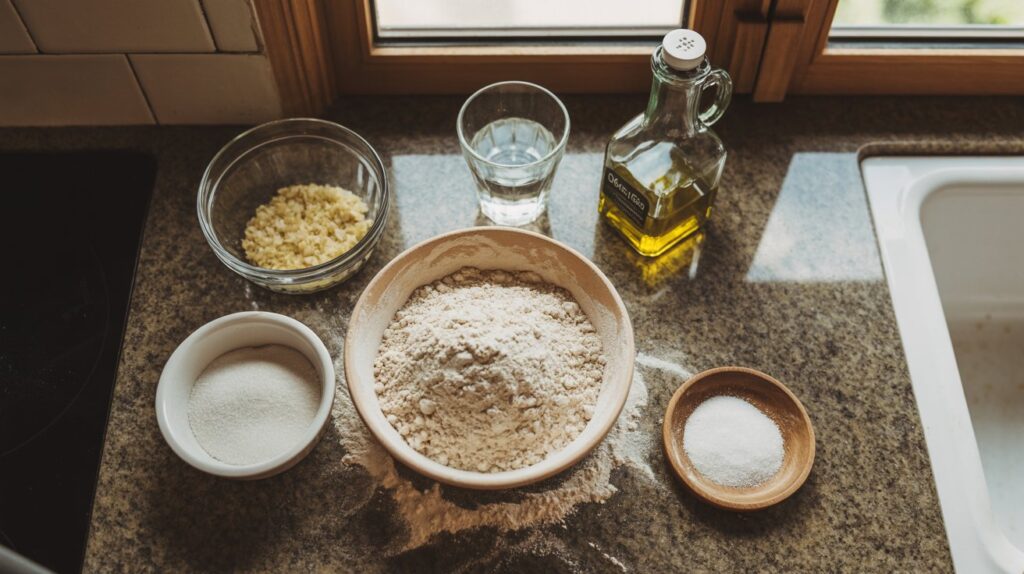
Crafting the perfect New York pizza dough requires just a few basic ingredients:
- All-Purpose Flour: 3 cups (about 360g), unbleached. The foundation of our dough.
- Warm Water: 1 cup (about 240ml), 105-115°F (40-46°C). Activates the yeast.
- Active Dry Yeast: 1 tsp. The leavening agent for rise and flavor.
- Granulated Sugar: 1 tsp. Feeds the yeast and aids browning.
- Fine Sea Salt: 1 tsp. Essential for flavor and controlling yeast activity.
- Olive Oil: 1 tbsp, plus more for coating. Adds flavor and tenderness.
Pro-Tips for Success

- Accurate Water Temperature: Ensure your water is between 105-115°F (40-46°C). Too cold, and the yeast won’t activate; too hot, and it will kill the yeast.
- Don’t Rush the Kneading: Proper kneading develops gluten, which is essential for the dough’s structure and chewiness. Knead for the full recommended time.
- Cold Fermentation is Key: The long, slow rise in the refrigerator is crucial for developing deep flavor and a superior texture. Don’t skip this step!
- Use a Pizza Stone or Steel: For the crispiest crust, preheat a pizza stone or steel in your oven. This provides intense, even heat from below.
- Handle Dough Gently: Once proofed, handle the dough gently to preserve the air bubbles created during fermentation, which contribute to the airy crust.
Common Mistakes to Avoid
- Adding Too Much Flour: Resist the urge to add excessive flour during kneading or shaping. A slightly sticky dough is normal and leads to a tender crust.
- Not Enough Kneading: Under-kneaded dough will result in a dense, tough crust. Ensure you develop enough gluten for elasticity.
- Rushing the Proofing: Yeast needs time to work its magic. Rushing the rise will lead to a less flavorful and less airy crust.
- Over-proofing: While cold fermentation is good, letting the dough proof for too long at room temperature can lead to an overly yeasty flavor and a weak structure.
- Using a Cold Baking Surface: Baking pizza on a cold baking sheet will result in a soggy bottom. Always preheat your pizza stone or steel.
Flavor Variations
- Whole Wheat Blend: Substitute up to 1/2 cup of all-purpose flour with whole wheat flour for a nuttier flavor and added fiber.
- Herb-Infused Dough: Add 1-2 teaspoons of dried Italian herbs (like oregano or basil) to the flour mixture for an aromatic crust.
- Garlic & Onion Powder: Mix 1/2 teaspoon each of garlic powder and onion powder into the flour for a savory boost.
- Sourdough Starter: For a more complex, tangy flavor, adapt this recipe to incorporate a portion of active sourdough starter, adjusting yeast and water accordingly.
What to Serve With Homemade Pizza Dough – New York Pizza

This versatile dough is the perfect base for any New York-style pizza. Top it with classic tomato sauce, fresh mozzarella, and basil for a Margherita. Or go for pepperoni, mushrooms, and onions. Pair your pizza with a crisp green salad, garlic knots, or even some roasted vegetables for a complete meal.
Storage and Reheating
Unused dough can be stored in an airtight, oiled container in the refrigerator for up to 3-5 days. For longer storage, freeze individual dough balls for up to 3 months. Thaw in the refrigerator overnight before using. Baked pizza slices can be reheated in a hot oven or toaster oven for a crispy crust, or in a microwave for a softer slice.
View Full Recipe

Homemade Pizza Dough – New York Pizza
Description
Craft the perfect Homemade Pizza Dough – New York Pizza style with this easy recipe, yielding a chewy, crispy, and flavorful crust every time.
Ingredients
Instructions
-
Step 1 (0-5 min): Activate Yeast
In a large bowl, combine warm water, sugar, and yeast. Stir gently and let sit for 5 minutes until foamy. This indicates the yeast is active.
-
Step 2 (5-15 min): Mix Dough
Add flour, salt, and 1 tbsp olive oil to the yeast mixture. Mix with a wooden spoon or your hands until a shaggy dough forms. Turn out onto a lightly floured surface and knead for 8-10 minutes until smooth and elastic. The dough should be slightly tacky but not overly sticky.
-
Step 3 (15-20 min): First Rise (Room Temp)
Lightly oil a clean bowl. Place the dough in the bowl, turning once to coat. Cover with plastic wrap and let rise in a warm place for 1-2 hours, or until doubled in size.
-
Step 4 (20-24 hours): Cold Fermentation
Gently punch down the dough to release air. Divide into two equal balls. Place each ball in a separate lightly oiled, airtight container or bowl covered with plastic wrap. Refrigerate for at least 24 hours, and up to 3-5 days. This cold fermentation develops flavor.
-
Step 5 (2-3 hours before baking): Bring to Room Temp
About 2-3 hours before you plan to bake, remove the dough balls from the refrigerator. Place them on a lightly floured surface, cover loosely with plastic wrap or a clean kitchen towel, and let them come to room temperature. They should be soft and pliable.
-
Step 6 (0-15 min): Shape and Bake
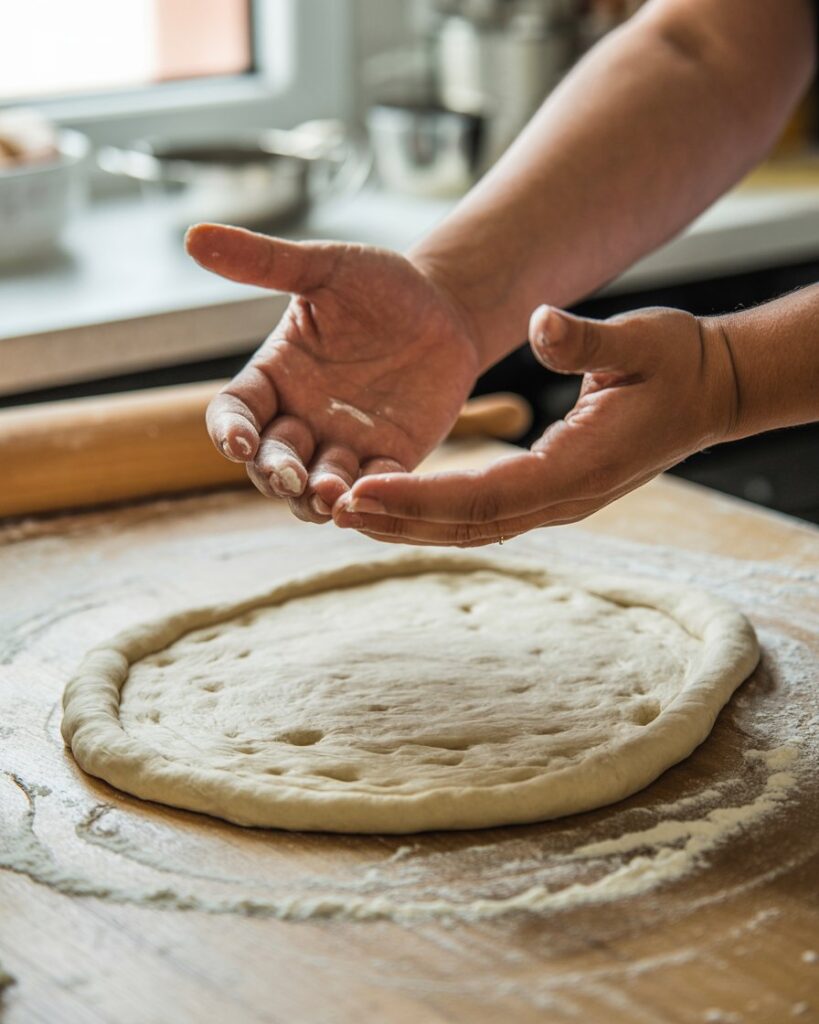
Preheat your oven to 500°F (260°C) with a pizza stone or steel inside for at least 30-60 minutes. Gently stretch or roll each dough ball into a 12-14 inch round. Add your desired toppings and carefully transfer to the preheated pizza stone/steel. Bake for 8-15 minutes, or until the crust is golden brown and the cheese is bubbly and slightly charred. Slice and serve immediately.
Nutrition Facts
Servings 2
- Amount Per Serving
- Calories 250kcal
- % Daily Value *
- Total Fat 5g8%
- Saturated Fat 1g5%
- Sodium 300mg13%
- Total Carbohydrate 45g15%
- Dietary Fiber 2g8%
- Sugars 1g
- Protein 8g16%
* Percent Daily Values are based on a 2,000 calorie diet. Your daily value may be higher or lower depending on your calorie needs.
Note
- Patience is a Virtue: The cold fermentation step is crucial for flavor development and a superior crust. Don't skip it!
- Don't Over-Flour: A slightly tacky dough is ideal. Too much flour makes the crust dense and tough.
- High Heat is Your Friend: For that authentic New York crispness, bake your pizza in a very hot oven, ideally with a preheated pizza stone or steel.
