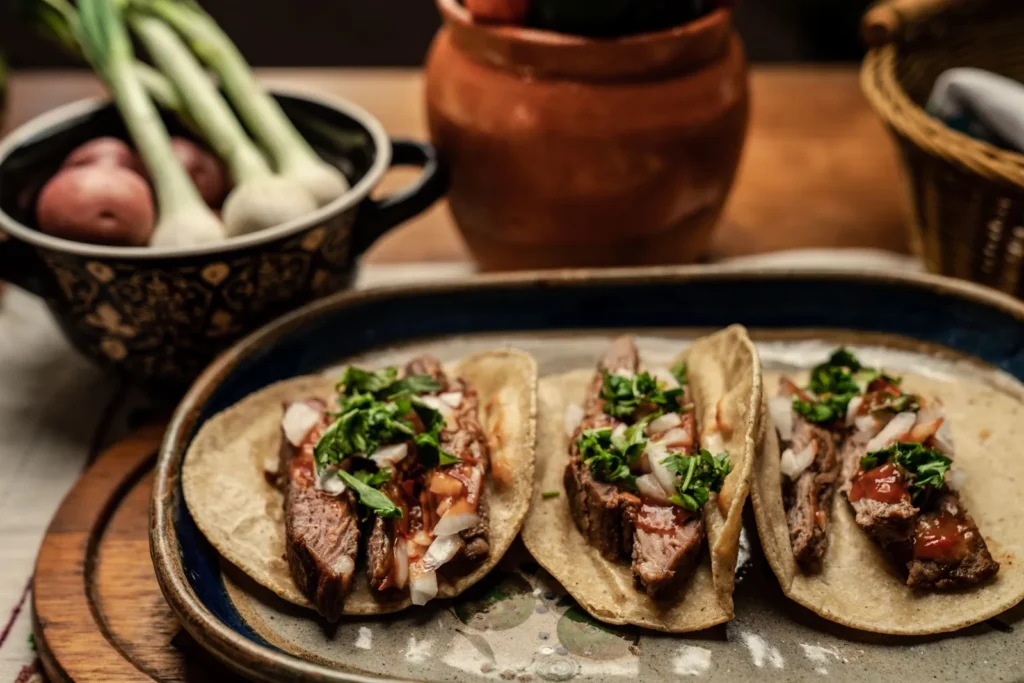
A great grilled flank steak recipe starts with a lean cut that takes well to a short, acidic marinade and a hot grill. Flank steak is a flat, fibrous muscle from the abdominal area, so it rewards a fast sear and a bias cut across the grain. This version keeps the ingredient list short and the method forgiving enough for a weeknight cookout.
You get a deeply browned exterior with a rosy, medium-rare center when the timing is right. The marinade uses pantry staples to tenderize and season the meat without masking its beefy character. Pair it with simple sides and you have a flexible dinner that also works for next-day sandwiches. Making this grilled flank steak at home is surprisingly straightforward once you know the key steps.
Why You'll Love These Grilled Flank Steak
- Quick cook time of about 8–10 minutes total over high heat keeps it weeknight friendly.
- A basic marinade of oil, acid, and soy sauce builds flavor without specialty shopping.
- Thin bias slices stay tender even though flank is a naturally lean cut.
- Leftovers hold up for tacos, salads, and rice bowls across two or three days.
Ingredients You'll Need
- 1.5 lb flank steak, about 1 inch thick at the center
- 3 tbsp olive oil
- 2 tbsp soy sauce
- 1 tbsp red wine vinegar
- 1 tbsp Worcestershire sauce
- 3 cloves garlic, minced
- 1 tsp coarse kosher salt
- 1/2 tsp black pepper
- 1 tsp brown sugar
Ingredient Substitutions
Olive oil: Replace with an equal amount of avocado oil if you want a higher smoke point. Avocado oil stays stable over high grill heat and leaves a cleaner taste than a strongly flavored oil. The marinade will coat the meat the same way, so no change to timing is needed. The grilled flank steak works well for weeknight cooking when time is limited.
Soy sauce: Use an equal amount of tamari for a gluten-free version with nearly identical salt and umami. Tamari is a bit thicker, so the marinade clings slightly more to the surface and browns a touch faster. Watch the exterior closely in the last minute to avoid scorching. Storing leftover grilled flank steak correctly keeps it tasting good for days.
Red wine vinegar: Swap in apple cider vinegar at the same quantity for a fruitier acid note. Apple cider vinegar is milder, so the marinade tenderizes a little less aggressively but still balances the beef. Expect a slightly sweeter finish from the brown sugar standing out more. For the best results with this grilled flank steak, read through all the steps before starting.
Worcestershire sauce: Replace with an equal amount of fish sauce for a sharper, brine-driven depth. Fish sauce is saltier, so cut the kosher salt to 1/2 tsp to keep the meat from curing too hard on the surface. The grill char will still develop, though the aroma is more pungent off the heat.
Step-by-Step Instructions
- Whisk olive oil, soy sauce, red wine vinegar, Worcestershire sauce, garlic, salt, pepper, and brown sugar in a bowl until the sugar dissolves.
- Place the flank steak in a zip bag, pour the marinade over it, and seal. Refrigerate for 2 hours so the acid relaxes surface fibers without turning the texture mushy.
- Heat a gas grill to high heat with the lid closed for about 10 minutes, aiming for 450–500°F at the grates.
- Remove the steak, let excess marinade drip off, and lay it diagonally across the grates. Grill 4 minutes without moving it to build a dark crust.
- Flip and grill another 4 minutes for a center that reads 125°F on an instant-read thermometer for medium-rare.
- Move the steak to a board and rest 10 minutes so the juices redistribute instead of spilling out when sliced.
- Cut against the grain in 1/4-inch slices, keeping the bias angle steep to shorten the muscle fibers.
Pro Tips
Pat the meat dry before it hits the grates if the surface looks wet, since steam slows browning and can stick the steak to the bars. A dry exterior sears faster and gives you cleaner grill marks.
Use a two-zone setup by leaving one burner off, so you can slide the steak over if flames flare from dripping marinade. That move prevents a bitter, sooty crust when fat hits the fire.
Rest the steak under a loose foil tent rather than wrapped tight, which keeps the bark from softening during the 10 minutes rest. You want the outside to stay firm while the inside settles.
For doneness cues beyond the thermometer, press the center with tongs; a medium-rare flank feels springy with slight give, not firm. See grilling techniques for more on reading meat by touch.
Common Mistakes to Avoid
Skipping the rest period causes a pool of red juice on the board and a drier bite, so always hold the meat off heat for the full 10 minutes. Cutting too early lets the moisture escape instead of reabsorbing.
Slicing with the grain turns each piece stringy because you leave the long fibers intact, so identify the muscle direction first and cut across it. A sharp knife helps keep the slices clean rather than torn.
Marinating overnight in a vinegar-heavy mix can make the outer layer mealy, so keep it to about 2 hours for this ratio. Longer isn't stronger here; it just breaks down the surface too far.
Serving Suggestions
Slice the steak over a gravy rice plate for a hearty meal with a spoonable sauce underneath. The beefy slices contrast nicely with soft white rice and a runny egg on top.
Build tacos with warm corn tortillas, quick flatbread strips, and lime to use leftovers without reheating the whole piece. The cold slices soften in the warm tortilla and keep their seasoning.
For a lighter plate, serve with a chimichurri side of herbs and oil that cuts the char. A spoon of that green sauce brightens each bite of beef.
Storage and Reheating
Keep cooked slices in an airtight container in the fridge for up to 3 days, separated from any raw items on a lower shelf. Cool the meat within 2 hours of cooking to stay out of the temperature danger zone.
Freeze portions flat in freezer bags for up to 2 months, pressing out air so the slices don't freeze into a block. Thaw overnight in the fridge before warming.
Reheat in a skillet over medium-low heat for about 2 minutes per side until the beef reaches 165°F internally. Avoid the microwave if you can, since it tightens the lean fibers and draws out moisture.
Recipe Variations
Spicy Version
Add 1 tsp crushed red pepper to the marinade and rub the steak with 1/2 tsp cayenne before grilling. The heat concentrates on the crust and pairs well with a cooling yogurt drizzle after slicing. Expect a sharper bite without changing the cook time.
Asian Glaze
Brush the steak with 2 tbsp hoisin during the final minute on each side for a sticky, sweet lacquer. The sugar browns fast, so keep the lid up and watch for flare-ups while the glaze sets. The result is a deeper, soy-forward finish than the base marinade alone.
Herb Crust
Press 2 tbsp minced rosemary and thyme into the surface after marinating for a woodsy note from the fire. Fresh herbs char quickly, so add them right before the steak goes on rather than during the 2 hours soak. You get a fragrant, brittle crust that complements the lean meat.
Try a steak pinwheel method if you want a rolled, stuffed presentation instead of a flat grilled piece. The fill-and-tie approach changes the cook slightly but uses the same beef family.
For a lower-sugar base, see our steak marinade that skips brown sugar entirely. It keeps the tenderizing acid while trimming the carb load for a stricter plan.
A grilled cheese on the side makes an easy kid plate alongside the sliced beef. The mild sandwich balances the charred, salty steak for mixed-age dinners.
Explore more global cuisines if you want to borrow spice blends from other grilled meat traditions. That can guide a rub swap without rewriting the whole method.