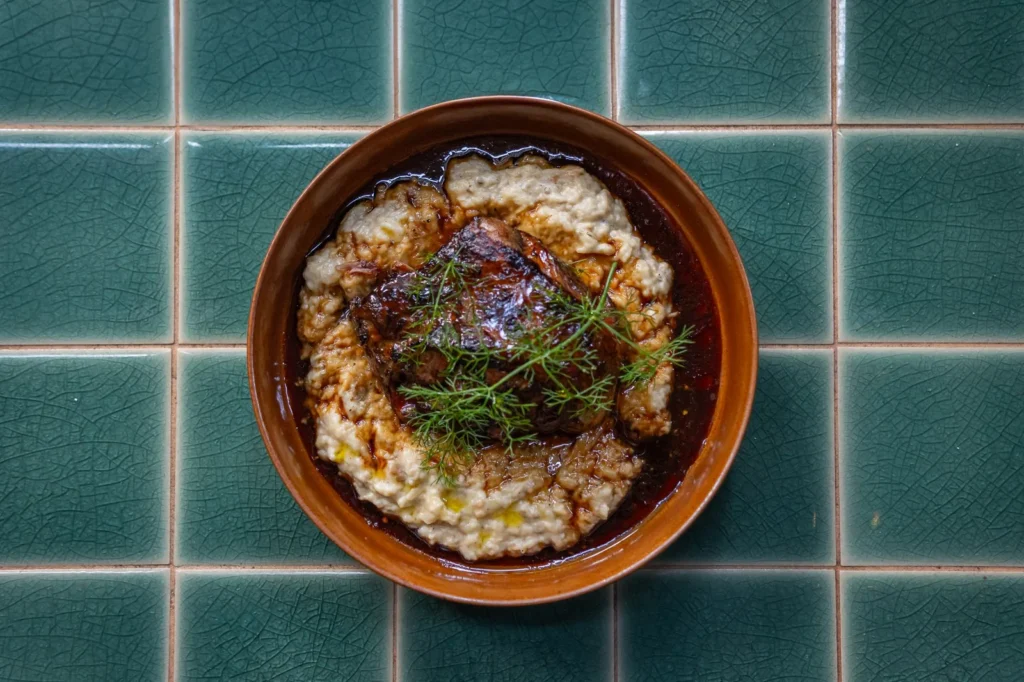
The coq au vin chicken in red wine sauce is a classic French braise where bone-in chicken is slowly cooked with red wine, mushrooms, and pearl onions until the meat turns fork-tender. This version keeps the method straightforward so you get a deep, savory sauce without fussing over restaurant technique. You'll end up with a one-pot dinner that tastes like it simmered all afternoon, even on a weeknight.
What makes this dish work is patience and the right cut of chicken. Thighs and drumsticks hold up to long cooking, while the wine reduces into a glossy, concentrated sauce. If you enjoy braised poultry, our creamy lemon chicken follows a similar low-and-slow approach with a brighter finish. Making this coq au vin chicken in red wine sauce at home is surprisingly straightforward once you know the key steps.
Why You'll Love These Coq Au Vin Chicken In Red Wine Sauce
- One pot handles browning, braising, and sauce reduction so cleanup stays minimal.
- Bone-in thighs stay juicy through a long simmer that dries out lean cuts.
- The sauce thickens from reduced wine and a light flour dredge, not heavy cream.
- Leftovers deepen in flavor overnight, making the dish strong for meal prep.
- You control the wine choice, so the sauce can be fruity or earthy.
Ingredients You'll Need
- 2.5 lbs bone-in chicken thighs and drumsticks (about 6 pieces), patted dry
- 2 tbsp olive oil, for browning
- 4 oz thick-cut bacon, cut into 1-inch lardons
- 1.5 cups pearl onions, peeled
- 8 oz cremini mushrooms, quartered
- 3 cloves garlic, minced
- 2 tbsp all-purpose flour
- 2 cups dry red wine such as Pinot Noir
- 1 cup chicken stock
- 2 tbsp tomato paste
- 1 tbsp fresh thyme leaves
- 1 bay leaf
- 1 tsp salt, plus more to finish
- 1/2 tsp black pepper
- 2 tbsp chopped parsley, for serving
Ingredient Substitutions
Bacon: Replace the 4 oz lardons with 3 oz diced pancetta for a cleaner, less smoky base. Pancetta renders less fat, so add 1 tbsp olive oil before browning the meat to avoid sticking. The sauce will read slightly sweeter and less campfire-like, which suits a lighter red wine. The coq au vin chicken in red wine sauce works well for weeknight cooking when time is limited.
Pearl onions: Use 1.5 cups finely diced yellow onion if pearl onions are out of season. Diced onion softens faster and disperses into the sauce, giving less of the distinct sweet bursts you get from whole pearls. Expect a smoother, less textured finished braise. Storing leftover coq au vin chicken in red wine sauce correctly keeps it tasting good for days.
Cremini mushrooms: Swap in 8 oz button mushrooms if cremini are unavailable; the flavor is milder but the texture holds during the simmer. Button mushrooms brown a touch faster, so watch the pan and pull them at golden edges rather than waiting for deep color. The sauce stays balanced either way. For the best results with this coq au vin chicken in red wine sauce, read through all the steps before starting.
Dry red wine: Substitute 2 cups dry white wine plus 1 tbsp red wine vinegar if you avoid red. The braise turns lighter in color and sharper in acidity, needing an extra 1/2 tsp salt at the end. Cook uncovered for the last 10 minutes to reduce the sharper notes.
Chicken stock: Use 1 cup low-sodium vegetable broth to keep the dish poultry-focused but lighter. Vegetable broth lacks the gelatin of chicken stock, so the sauce will be thinner; whisk in an extra 1 tsp flour slurry at the end if you want more body. If you enjoyed this, our halibut chimichurri sauce is worth trying next.
Step-by-Step Instructions
- Heat medium heat and 1 tbsp olive oil in a Dutch oven. Brown the chicken in two batches until golden and crispy on both sides, about 6 minutes per side, then set aside on a plate.
- Cook the bacon lardons on medium-low heat until the fat renders and pieces crisp, around 5 minutes. Remove bacon with a slotted spoon, leaving the fat in the pot.
- Add pearl onions and mushrooms to the bacon fat over medium heat. Sear until the mushrooms release moisture and both items show golden edges, about 8 minutes, then stir in garlic for 30 seconds.
- Sprinkle flour over the vegetables and stir for 1 minute to cook the raw taste out. The mixture should look pasty and coat the onions evenly.
- Pour in the red wine slowly while scraping the pot bottom to lift browned bits. Add chicken stock, tomato paste, thyme, bay leaf, salt, and pepper, then stir until the tomato paste dissolves.
- Return chicken and bacon to the pot, bring to a gentle simmer on low heat, cover, and cook for 45 minutes until the chicken reaches an internal temperature of 165°F and pulls easily from the bone.
- Uncover, raise to medium-low heat, and reduce the sauce for 10 minutes until it coats a spoon. Discard the bay leaf, taste, and adjust salt.
- Rest the pot off heat for 5 minutes, then scatter parsley and serve immediately with the sauce spooned over the chicken.
Pro Tips
Dry the chicken skin thoroughly before browning so the surface sears instead of steaming, which builds the fond that flavors the whole braise. A damp piece sticks and tears, leaving you with pale meat and a weak sauce base.
Use a Dutch oven with a tight lid so the braise stays at a true simmer without losing liquid too fast. If your lid rattles, lay a sheet of parchment under it to seal the gap.
Choose a red wine you would actually drink; a thin, bitter cooking wine makes the sauce harsh after reduction. Pinot Noir keeps the fruit forward, while Syrah adds a peppery backbone.
For deeper sauce clarity, skim fat with a spoon during the final reduction rather than before serving. This technique is well explained by braising guides that focus on fat management in stews.
Common Mistakes to Avoid
Crowding the pot when browning causes the chicken to boil in its own juices; brown in batches so each piece touches hot metal. A single layer with space around the pieces is the only way to get proper color.
Adding wine to a scorching pan makes it evaporate before it can deglaze, leaving burnt spots. Pull the pot off heat for 10 seconds, then pour so the liquid catches the browned layer and loosens it.
Skipping the flour step leaves the sauce thin and separates; the light dredge binds the wine and stock into a cohesive coat. Stir it fully into the vegetables before any liquid enters.
Cutting the simmer short at 30 minutes leaves the connective tissue rubbery, so plan for the full 45 minutes of covered braise. The meat should slide off the bone with no resistance. For another easy option, check out our authentic greek tzatziki.
Serving Suggestions
Spoon the chicken over buttered egg noodles so the sauce clings to each strand and the plate stays warm. Mashed potatoes also work, giving a soft base that soaks up the red wine reduction.
A side of green beans adds acidity and snap against the rich braise. Roasted carrots bring a sweet contrast if you want more vegetable range on the plate.
Pour the same bottle of red wine you cooked with, lightly chilled for Pinot, to tie the meal together. A crusty baguette finishes the plate and handles the last of the sauce.
Storage and Reheating
Cool the chicken uncovered for 30 minutes, then refrigerate in an airtight container for up to 3 days. The sauce thickens cold, so loosen it with a splash of stock when reheating.
Reheat on medium-low heat until the chicken hits 165°F at the center, about 12 minutes on the stove. Stir gently to keep the onions intact and avoid breaking the meat.
Freeze portions without parsley for up to 2 months in a sealed container. Thaw overnight in the fridge, then reheat slowly from cold to keep the sauce from splitting. You might also like our walnut sauce salsa.
Recipe Variations
White Wine Version
Swap the red wine for 2 cups dry white wine and add 1 tbsp lemon juice at the end. The braise turns pale gold with a sharper profile and pairs better with creamy sauces on the side.
Mushroom-Heavy Option
Double the cremini to 16 oz and add 4 oz sliced shiitake for an earthier, denser sauce. Expect a longer sear time of about 4 extra minutes so the added mushrooms brown rather than steam.
Brandy-Flamed Style
Add 2 tbsp brandy to the pot after browning the bacon and tip the pan to flame it off before the wine. The spirit layer adds a rounded sweetness that survives the long cook.
Slow Cooker Method
Brown everything on the stove, then transfer to a slow cooker on low for 6 hours. The meat gets softer but the sauce stays thinner, so reduce it on the stove for 10 minutes after cooking.