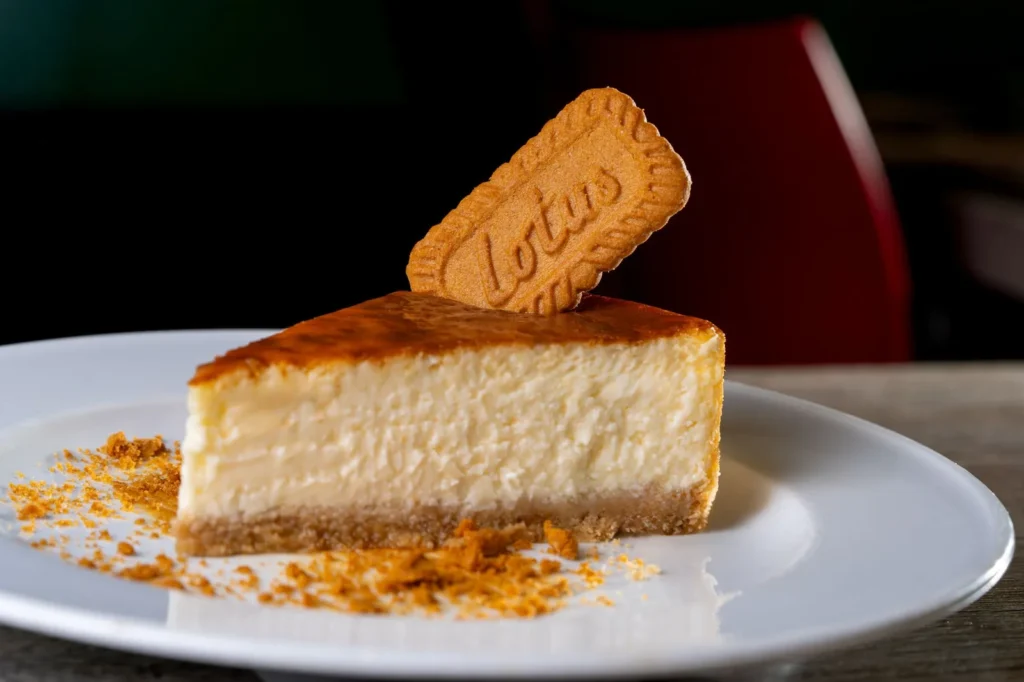
A biscoff cheesecake recipe turns the spiced cookie butter everyone loves into a creamy, sliceable dessert with a crunchy base. This version is no-bake, which keeps the filling smooth and saves you from oven timing guesswork. You get a make-ahead treat that holds its shape and tastes like caramelized cinnamon cookies in every bite.
The structure comes from cream cheese whipped with melted Biscoff spread, then set with gelatin. A crushed Biscoff cookie crust gives contrast under the silky filling. If you enjoy easy chilled desserts, our yogurt parfait is another low-effort option. Making this biscoff cheesecake at home is surprisingly straightforward once you know the key steps.
Why You'll Love These Biscoff Cheesecakes
- No oven needed, so the kitchen stays cool and the filling stays creamy.
- Crushed cookie base adds a snap that balances the soft filling.
- Make it the day before and it sets firmer and slices cleaner.
- Uses one spread for both crust flavor and filling sweetness.
- Freezes well, so you can keep a backup dessert on hand.
Ingredients You'll Need
- 250 g Biscoff cookies, finely crushed, for the base and topping crumbs.
- 90 g unsalted butter, melted, to bind the cookie crumbs.
- 500 g full-fat cream cheese, room temperature, for a stable filling.
- 200 g Biscoff spread, divided, melted for mixing and drizzle.
- 100 g powdered sugar, sifted, to sweeten without graininess.
- 300 ml heavy whipping cream, cold, for lightness and volume.
- 7 g powdered gelatin, bloomed, to set the no-bake filling.
- 3 tbsp water, for blooming the gelatin.
- 1 tsp vanilla extract, to round the spiced sweetness.
Ingredient Substitutions
Biscoff cookies: Replace with an equal weight of graham crackers plus 1 tsp cinnamon and 1 tbsp brown sugar for a similar base. The crust will taste milder and less caramelized but still hold together with the melted butter. Expect a lighter color and a slightly softer bite since graham crumbs absorb less moisture. The biscoff cheesecake works well for weeknight cooking when time is limited.
Heavy whipping cream: Use an equal volume of cold coconut cream for a dairy-free version with a faint tropical note. Coconut cream whips to slightly less volume, so whip it longer and keep it chilled before folding. The filling sets a touch softer but still slices when cold. Storing leftover biscoff cheesecake correctly keeps it tasting good for days.
Gelatin: Swap with 10 g agar powder dissolved in warm water for a vegetarian set, but note agar firms faster and can turn rubbery if overheated. Bring the mixture just to a simmer, then cool slightly before adding. The texture reads a bit more brittle than gelatin's tender set. For the best results with this biscoff cheesecake, read through all the steps before starting.
Cream cheese: Use the same weight of mascarpone for a richer, less tangy filling that holds shape well. Mascarpone has higher fat and no salt, so reduce powdered sugar by 1 tbsp if you want balance. The slice will be denser and more buttery on the tongue. If you enjoyed this, our snapper oven is worth trying next.
Step-by-Step Instructions
- Stir 250 g crushed Biscoff cookies with 90 g melted butter until sandy and damp. Press into a 9-inch springform pan bottom using a flat cup. Chill 15 minutes so the base firms before filling.
- Bloom 7 g gelatin in 3 tbsp water in a small bowl and let it swell 5 minutes. Warm briefly over low heat until clear, then cool to lukewarm.
- Beat 500 g room-temperature cream cheese with 100 g powdered sugar and 1 tsp vanilla for 2 minutes until smooth. Scrape the bowl so no lumps remain at the base.
- Add 150 g melted Biscoff spread to the cheese mix and beat 1 minute until even. Drizzle in the lukewarm gelatin while beating on medium-low speed.
- Whip 300 ml cold cream to soft peaks in a separate bowl, about 3 minutes. Fold it into the cheese mix in three parts to keep the air.
- Pour the filling over the chilled crust and smooth the top. Tap the pan twice on the counter to release bubbles. Refrigerate 6 hours or overnight until just set edges and center barely yields.
- Warm the remaining 50 g Biscoff spread for 20 seconds and drizzle over the top. Crush a few extra cookies for sprinkling. Slice with a hot knife for clean edges.
Pro Tips
Start with truly room-temperature cream cheese so the filling stays lump-free without overbeating. Cold blocks need longer mixing that can loosen the set.
Use a springform pan so you can release the sides without cracking the chilled filling. A fixed pan makes clean removal hard.
Bloom the gelatin fully before warming or the filling may weep liquid in the fridge. Swollen granules dissolve clear and quiet.
Chill the beaters and bowl for the cream so it whips to soft peaks faster and holds structure when folded. Warm tools flatten the volume.
For a sharper slice, freeze the set cheesecake 20 minutes before cutting, then wipe the knife between passes. The crumb stays put instead of smearing.
Common Mistakes to Avoid
Skipping the chill on the crust leads to a crumbly base that mixes into the filling. Always let the pressed base firm 15 minutes first.
Adding hot gelatin to cold cheese curdles the mix and gives strings. Cool it to lukewarm so it blends without cooking the dairy.
Overwhipping the cream before folding turns the filling dense and grainy instead of airy. Stop at soft peaks where the whip bends at the tip.
Rushing the set time leaves a wobbly center that won't slice. Plan for 6 hours minimum and prefer overnight for a clean cut.
Serving Suggestions
Offer the cheesecake cold with a spoon of lightly whipped cream and a few cookie crumbs on top. The extra cream softens the spiced density for new eaters. Pair a slice with healthy nachos as a sweet-savory party spread if you want contrast. A black coffee or chai cuts the sweetness and echoes the cinnamon note. For brunch, serve smaller bars beside arrabbiata pasta only if you like a bold menu close.
Storage and Reheating
Keep the cheesecake in an airtight container in the fridge for up to 4 days. The filling contains dairy and fresh cream, so don't leave it out more than 2 hours total. To freeze, wrap the pan in two layers of film and store for freeze for up to 2 months. Thaw overnight in the fridge before slicing; this dessert is best cold, so reheating isn't needed. If a slice warms, re-chill 30 minutes to bring back the firm set.
Recipe Variations
Chocolate Swirl
Melt 60 g dark chocolate and ripple it through the filling before chilling for a bittersweet line against the cookie butter. The chocolate sets harder, so let the cheesecake sit 10 minutes out of the fridge before slicing. You get a two-tone bar with deeper cocoa notes.
Mini Jars
Layer crumb, filling, and drizzle in 250 ml jars for portable portions that set in 4 hours. The smaller mass chills faster and travels well for picnics. Use pork and pasta as a separate meal if you build a full menu around them.
White Chocolate Top
Pour 80 g melted white chocolate over the set top instead of plain spread for a sweeter cap that cracks lightly under the knife. White chocolate firms in the fridge and adds a milky layer. Cut with a warm blade so the shell doesn't shatter the filling.
Spiced Pear
Add 100 g finely diced poached pear to the filling for juicy pockets that lift the heavy spread. The fruit adds moisture, so extend the chill by 1 hour to compensate. The result reads like a cookie-buttered cheesecake with autumn fruit. For a light side, our smoked haddock risotto balances the sweet plate.