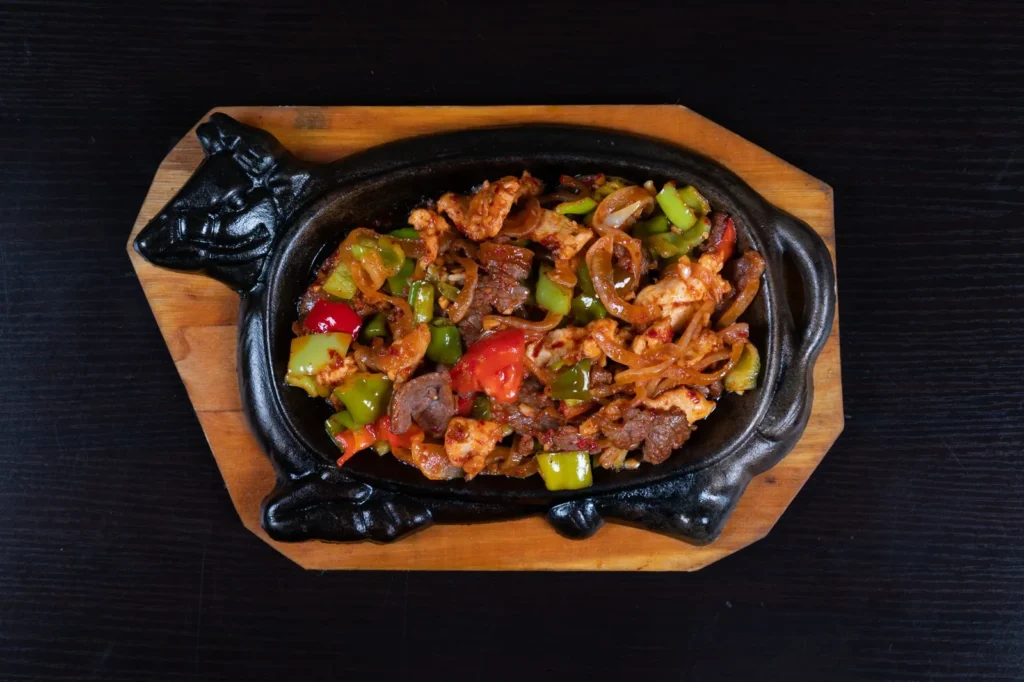
An easy beef stir fry is the kind of dinner that gets a hot meal on the table without a long prep list or a sink full of pans. This version uses a simple cornstarch coating on the beef so it sears instead of steaming, and a sauce built from pantry staples. You get tender strips of beef and snappy vegetables in about 20 minutes from start to finish.
The method here is built for a home burner, not a restaurant wok. We cook the beef in batches so the pan stays hot, then build the vegetables and sauce in the same skillet. The result is a glossy, balanced stir fry that tastes closer to takeout than most homemade attempts. Making this easy beef stir fry at home is surprisingly straightforward once you know the key steps.
What you get from this specific recipe is a repeatable system: slice, coat, sear, sauce, combine. Once you know the timing, you can swap vegetables with the seasons and keep the same sauce ratio. That's why an easy beef stir fry earns a permanent spot in a weeknight rotation.
Why You'll Love These Easy Beef Stir Fry
- Ready in 20 minutes using one skillet and common pantry ingredients.
- Beef stays tender because of a quick cornstarch coating and high-heat sear.
- Sauce clings to every piece instead of pooling at the bottom of the pan.
- Flexible with vegetables you already have in the fridge.
- Costs less per serving than a delivery order with similar portions.
Ingredients You'll Need
- 1 lb flank steak, sliced thin against the grain (about 1/4 inch)
- 2 tbsp cornstarch
- 3 tbsp neutral oil (such as canola or sunflower), divided
- 1 red bell pepper, sliced into 1/4-inch strips
- 1 cup broccoli florets, cut small for fast cooking
- 1 medium carrot, cut into thin diagonal slices
- 3 cloves garlic, minced
- 1 tbsp fresh ginger, grated
- 3 tbsp soy sauce
- 1 tbsp oyster sauce
- 1 tsp sesame oil
- 1 tsp sugar
- 1/4 cup beef broth
- 2 green onions, sliced for garnish
Ingredient Substitutions
Flank steak: Replace with an equal weight of sirloin tip or skirt steak sliced against the grain. Sirloin is slightly leaner and benefits from a 10-minute marinade in 1 tbsp soy sauce before cooking to keep it from drying. Skirt steak has more fat and will render quicker, so lower the heat by one notch during the first sear. The easy beef stir fry works well for weeknight cooking when time is limited.
Oyster sauce: Use 1 tbsp hoisin sauce plus 1/2 tsp sugar if you need a shellfish-free option. Hoisin is sweeter and thicker, so thin it with 1 tsp water before adding to the pan. The finished sauce will read fruitier rather than savory-briny.
Broccoli florets: Swap with an equal volume of snap peas for a sweeter, crunchier bite. Snap peas cook in about 2 minutes, so add them after the carrots to avoid oversoftening. They also release less water, which keeps the sauce tighter.
Beef broth: Replace with an equal amount of water plus 1/4 tsp salt if you're out of stock. The sauce loses a layer of roasted depth but stays balanced because soy and oyster sauces carry the salt. Avoid using chicken broth if you want to keep the beef-forward flavor clean.
Neutral oil: Use an equal amount of avocado oil if you have it, since it holds high heat without smoking. Avocado oil is milder than sunflower and lets the sesame finish show more. Keep the 3 tbsp total so the beef still sears rather than braises.
Step-by-Step Instructions
- Toss the sliced flank steak with cornstarch in a bowl until every piece is lightly dusted. Let it sit for 5 minutes while you slice vegetables so the coating hydrates.
- Heat 2 tbsp neutral oil in a large skillet over medium-high heat until it shimmers. Add half the beef in a single layer and sear 1 minute per side until browned at the edges but still pink inside. Remove to a plate and repeat with the rest; never crowd the pan.
- Lower to medium heat and add the last 1 tbsp oil. Stir in garlic and ginger for 30 seconds until fragrant but not browned, which would turn them bitter.
- Add carrot slices and broccoli florets. Cook 3 minutes, stirring often, until broccoli turns bright green and carrots bend slightly when pierced.
- Push vegetables to one side and pour in soy sauce, oyster sauce, sugar, sesame oil, and beef broth. Stir the liquid until it bubbles and thickens to a syrup that coats a spoon, about 1 minute.
- Return the beef with any resting juices to the skillet. Toss everything together over medium-high heat for 1 minute until the beef is heated through and glossy. Top with green onions and serve immediately.
Pro Tips
Slice the beef when it's half-frozen so the knife glides into even 1/4-inch strips. Even thickness matters more than the cut because it controls how fast each piece cooks.
Dry the beef with paper towels before the cornstarch step. Surface moisture creates steam that prevents browning and leaves the coating gummy instead of crisp.
Pre-mix the sauce in a small cup so you're not measuring over a hot pan. A high-heat searing technique depends on fast decisions, and the sauce should go in the second the vegetables are ready.
Use a wide skillet rather than a deep pot. More surface area keeps the heat steady when the beef hits the metal, which is the difference between sear and stew.
Finish with sesame oil off the heat if you want a stronger nutty aroma. Heating it too long dulls the fragrance, so save a few drops for the plate.
Common Mistakes to Avoid
Adding all the beef at once drops the pan temperature and the meat releases juice. Cook in two batches even if it takes an extra minute; the texture is worth it.
Cutting broccoli too large means it stays raw while the beef overcooks during the final toss. Keep florets under 1 inch so they soften in the same window as the carrots.
Pouring the sauce in before the garlic and ginger have bloomed wastes their flavor. Those aromatics need 30 seconds of direct heat to release oils that carry through the whole dish.
Skipping the cornstarch rest makes the coating slide off in the pan. The 5 minutes on the counter lets it adhere so it protects the beef during searing.
Serving Suggestions
Spoon the stir fry over steamed jasmine rice to catch the sauce. For a lighter base, use vegetable stir fry as a side rather than a second protein.
Add a quick pad thai noodle side if you're feeding more than two people. The rice-noodle texture balances the crisp vegetables without repeating flavors.
Pair with zucchini mushrooms for a second vegetable course that uses the oven while the beef rests. The mild squash rounds out a heavy skillet meal.
Storage and Reheating
Cool the leftovers within 2 hours and store in an airtight container in the fridge for up to 3 days. The vegetables soften overnight but the sauce re-emulsifies with heat.
Reheat in a skillet over medium heat until the beef reaches 165°F internally, about 3 minutes of stirring. Microwave reheating works but makes the broccoli softer than most people like.
This easy beef stir fry freezes poorly because the broccoli turns mushy; if you must freeze, do it without the vegetables for up to 2 months and add fresh ones when reheating.
Recipe Variations
Spicy Version
Add 1 tsp crushed red pepper with the garlic and replace the bell pepper with 1 seeded jalapeño sliced thin. The heat builds in the oil and gives the sauce a slow burn that matches the sesame finish.
Low-Carb Option
Skip the sugar and serve over canned beef fried rice made with riced cauliflower. The carb count drops under 10 grams per serving while keeping the same sauce structure.
Beef and Liver Blend
Swap half the flank steak for beef liver sliced as thin as the steak and cooked 30 seconds less. Liver adds iron and a deeper flavor that the oyster sauce smooths out.
Hotpot Style
After step 5, move the skillet contents to a beef hotpot broth base and simmer 2 minutes. The result is saucier and best eaten with chopsticks over noodles.
Ground Beef Skillet
Use ground beef instead of strips and break it up while it browns for 4 minutes. The cornstarch step is skipped; the sauce thickens from the rendered fat and broth reduction.