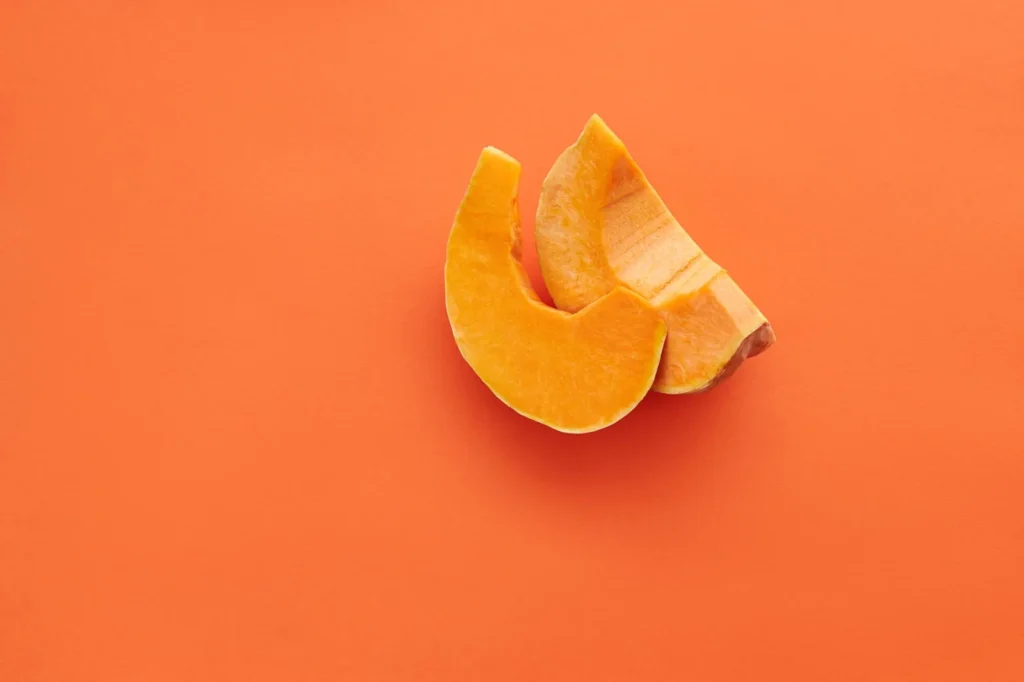

Butternut squash noodles with orange sesame sauce are a fast, colorful weeknight meal that trades heavy pasta for spiralized winter squash tossed in a bright citrus-soy glaze. The noodles cook in minutes and keep a gentle bite, while the sauce brings sweet orange, toasty sesame, and a salty edge from soy. You get a bowl that feels indulgent without weighing you down.
This version skips boiling the noodles, which turns them mushy, and instead warms them in the sauce so they soak up flavor without collapsing. The result is a glossy, fork-twistable tangle that works as a side or a light main. If you like baked butternut squash pasta, the same squash sweetness shows up here in a quicker format. Making this butternut squash noodles with orange sesame sauce at home is surprisingly straightforward once you know the key steps.
Why You’ll Love These Butternut Squash Noodles With Orange Sesame Sauce
- Ready in about 20 minutes with one pan and a spiralizer.
- The orange sesame sauce balances sweet, salty, and nutty in every bite.
- Lower starch than wheat pasta but still satisfying to twirl.
- Naturally gluten free when you use tamari instead of soy sauce.
- Works as a side dish or a base for protein add-ins.
Ingredients You’ll Need
- 1 medium butternut squash (about 2 lb), peeled, seeded, and spiralized into noodles
- 2 tablespoons toasted sesame oil
- 3 tablespoons fresh orange juice (from 1 small orange)
- 1 tablespoon orange zest
- 2 tablespoons low-sodium soy sauce (or tamari)
- 1 tablespoon toasted sesame seeds
- 1 tablespoon honey
- 2 cloves garlic, minced
- 1 teaspoon grated fresh ginger
- 1 tablespoon olive oil
- Pinch of red pepper flakes (optional)
- 2 scallions, thinly sliced, for garnish
Ingredient Substitutions
Low-sodium soy sauce: Replace with an equal amount of tamari for a gluten free version with nearly the same salt level. Tamari is thicker and a touch sweeter, so the sauce clings slightly more to the noodles. You won’t need to adjust cook time, but taste before adding any extra salt. The butternut squash noodles with orange sesame sauce works well for weeknight cooking when time is limited.
Honey: Use an equal amount of maple syrup if you want a vegan glaze with a deeper, woodsy sweetness. Maple loosens the sauce a bit, so reduce orange juice by 1 teaspoon to keep the same coating consistency. The color darkens slightly but the sesame still reads clearly. Storing leftover butternut squash noodles with orange sesame sauce correctly keeps it tasting good for days.
Toasted sesame oil: Swap for an equal amount of avocado oil plus 1 teaspoon untoasted sesame oil if you’ve run out of the toasted kind. Avocado oil handles the heat while the small sesame addition keeps the nutty note. The flavor will be milder, so add the sesame seeds at the end for crunch and aroma. For the best results with this butternut squash noodles with orange sesame sauce, read through all the steps before starting.
Butternut squash: Use the same weight of spiralized sweet potato if butternut is unavailable, though sweet potato noodles need 2 minutes longer to soften. Sweet potato holds its shape better and tastes earthier against the orange. Keep the heat at medium-low heat so the thicker strands cook through without browning. If you enjoyed this, our espagnole sauce step is worth trying next.
Step-by-Step Instructions
- Heat 1 tablespoon olive oil in a 12-inch skillet over medium heat. Add the spiralized butternut squash noodles and toss for 3 minutes until they begin to bend easily but still have a snap.
- In a small bowl, whisk 3 tablespoons fresh orange juice, 1 tablespoon orange zest, 2 tablespoons soy sauce, 1 tablespoon honey, 2 tablespoons toasted sesame oil, 1 tablespoon toasted sesame seeds, 2 cloves minced garlic, 1 teaspoon grated ginger, and a pinch of red pepper flakes if using.
- Pour the sauce over the noodles in the skillet. Stir constantly over medium-low heat for 4 minutes until the liquid turns glossy and coats the strands without pooling at the bottom.
- Remove the skillet from heat once the noodles are just tender and the sauce looks like a thin lacquer. Overcooking makes the squash release water and go slack.
- Transfer to bowls and scatter 2 sliced scallions and an extra pinch of sesame seeds on top. Butternut squash gnocchi makes a good next recipe if you want the same vegetable in a different shape.
Pro Tips
Spiralize the squash into medium thickness, not the thin spaghetti setting, so the noodles survive tossing without breaking. Thick strands also hold the orange sesame sauce better.
Zest the orange before juicing it; the oils in the peel carry most of the citrus aroma that balances the soy. A microplane gives you fine strands that disappear into the sauce.
If the sauce tightens too fast, add 1 teaspoon of water and return to medium-low heat for 30 seconds. You want a glaze, not a jam, so keep the pan moving.
Toast your own sesame seeds in a dry pan for 2 minutes until golden if you only have raw ones. The toasting technique wakes up their nutty flavor far more than pre-bottled versions.
Common Mistakes to Avoid
Boiling the noodles first is the fastest way to mush. They only need pan warming in the sauce, so skip the pasta pot entirely.
Adding the garlic and ginger to the cold sauce without mincing fine lets them stay raw and sharp. Mince both small so they soften in the 4 minutes of simmering.
Pouring in the full orange juice without zest leaves the sauce one-note sweet. The zest adds bitter oils that keep the roasted squash chili style balance of sweet and savory.
Serving Suggestions
Top the bowl with pan-seared tofu or shrimp to turn the side into a main without changing the sauce. The orange sesame glaze pairs with mild proteins better than strong cheeses.
Add a crunchy green beans side for contrast, or serve over a small bed of brown rice if you want more body. A light cucumber salad on the side keeps the meal from feeling heavy.
Storage and Reheating
Place leftovers in an airtight container and refrigerate for up to 3 days. The noodles soften more each day but stay safe and tasty within that window.
Reheat in a skillet over medium-low heat for 3 minutes until steaming, adding 1 teaspoon water if the sauce looks dry. Avoid the microwave if you can, since it unevenly softens the squash.
This dish does not freeze well because the cooked squash releases water and turns stringy. Make a fresh batch instead of storing it long term.
Recipe Variations
Spicy Version
Add 1 teaspoon chili garlic paste to the sauce with the garlic and ginger. The heat cuts the orange sweetness and makes the sesame read toastier. Honey garlic chicken noodles use a similar sweet-heat balance if you want a meatier bowl.
Protein Boost
Stir in 1 cup of cooked edamame during the final 2 minutes of heating for extra plant protein. The beans pick up the glaze and add a firm bite next to the soft noodles. This turns the dish into a full meal without extra pans.
Creamy Option
Whisk 1 tablespoon tahini into the sauce before adding it to the pan for a creamier, more suspended coating. Tahini dulls the orange brightness slightly but adds a round, nutty middle. Use medium-low heat so the tahini doesn’t seize.