

Silver dollar oatmeal pancakes are small, fluffy oat-based pancakes cooked on a skillet in batches the size of a coin. They use blended oats instead of wheat flour, which gives them a tender crumb and a mild nutty taste. This recipe makes about 18 to 20 mini pancakes from one blender batch, so it’s a practical choice for a quick weekday breakfast or a kid-friendly weekend plate.
The method relies on a short rest so the oat flour can hydrate and the batter thickens to a pourable but not runny consistency. You don’t need a mix or special pan, just a regular nonstick skillet and a quarter-cup or tablespoon measure. Below you’ll find the exact amounts, swap ideas, and the cook cues that keep these from turning out flat or gummy. If you enjoyed this, our cherry almond oatmeal is worth trying next. Making this silver dollar oatmeal pancakes at home is surprisingly straightforward once you know the key steps.
Why You’ll Love These Silver Dollar Oatmeal Pancakes
- They blend in one container, so you skip separate flour sifting and bowl stacking.
- The small size means each cake cooks through in about 90 seconds per side.
- Oat flour gives a softer bite than all-purpose and adds a light toasted note.
- They freeze without sticking if you layer them with parchment.
- You control sweetness with banana instead of added sugar.
Ingredients You’ll Need
- 2 cups old-fashioned rolled oats (not instant) — the base that becomes flour when blended
- 2 large eggs — bind the batter and add lift
- 1 medium ripe banana — natural sweetness and moisture
- 3/4 cup milk of choice — thin the batter to a pourable stage
- 1 tsp baking powder — gives the small cakes their rise
- 1/2 tsp ground cinnamon — warm spice note
- 1/4 tsp salt — balances the banana
- 1 tbsp melted butter or neutral oil — prevents sticking and adds richness
- 1/2 tsp vanilla extract — rounds the flavor
Ingredient Substitutions
Old-fashioned rolled oats: Replace with an equal volume of quick oats if that’s what you have. Quick oats break down faster in the blender and make a slightly pastier batter, so cut the milk by 1 tablespoon to keep the same pour. The finished silver dollar oatmeal pancakes will taste the same but spread a touch wider.




Medium ripe banana: Use 1/3 cup unsweetened applesauce plus 1 tsp maple syrup in place of the banana. Applesauce adds moisture without the banana flavor, though the cakes will be a bit less sweet and a little more delicate when flipped. Lower the heat by one notch since they brown slower.
Milk of choice: Swap for an equal amount of plain yogurt thinned with 2 tablespoons water. Yogurt makes the crumb tighter and tangier, and the batter needs the extra liquid or it won’t spread into small rounds. Expect a denser, breakfast-cake texture.
Melted butter: Use the same amount of coconut oil for a dairy-free version. Coconut oil solidifies if the batter is cold, so warm the measured oil slightly before mixing. The pancakes will carry a faint coconut note and release cleanly from the pan.
Large eggs: Replace with 2 tablespoons ground flaxseed mixed with 5 tablespoons water, rested 5 minutes. This vegan swap lowers the rise, so keep the cakes under 2 inches wide for even cooking. They’ll be more fragile but still hold when flipped once. For another easy option, check out our overnight zucchini bread.
Step-by-Step Instructions
- Add 2 cups rolled oats to a blender and process on high for 30 seconds until a fine flour forms with no visible flakes.
- Drop in 2 eggs, 1 banana, 3/4 cup milk, 1 tsp baking powder, 1/2 tsp cinnamon, 1/4 tsp salt, 1 tbsp butter, and 1/2 tsp vanilla. Blend 45 seconds until smooth, then let the batter rest 5 minutes so it thickens.
- Warm a nonstick skillet on medium-low heat and brush with a thin film of oil. The pan is ready when a drop of water sizzles and evaporates in 2 seconds.
- Pour batter by tablespoon onto the skillet, leaving 1 inch between each. Cook 90 seconds until the edges look dry and a few bubbles break the surface.
- Flip each cake with a thin spatula and cook the second side 60 seconds until golden and crispy at the rim. Move finished ones to a plate.
- Repeat with the rest, lowering heat if the pan darkens too fast. Never crowd the pan or the cakes steam instead of brown.
Pro Tips
Rest the batter for 5 minutes before cooking so the oat particles swell and the pour sets into round shapes instead of thin spots.
Keep a barely oiled pan between batches using a paper towel rather than a pour, which avoids greasy bottoms on the small cakes.
For even browning, use the blender batter method and scrape the jar once so no dry oat clumps reach the skillet.
Stack and hold finished silver dollar oatmeal pancakes in a 90°C / 200°F oven on a tray while you cook the last rounds so everyone eats warm.
A tablespoon measure gives the right coin size; a larger scoop makes them harder to flip without breaking.
Common Mistakes to Avoid
Skipping the blend step leaves oat flakes that don’t bind, so the cakes fall apart. Always process to a fine flour first.
Cooking on high heat burns the outside before the center sets. Stay at medium-low heat for a steady rise.
Flipping too early breaks the structure; wait until the rim looks just set edges and bubbles hold their shape.
Adding more milk than listed makes a crepe-like batter that won’t hold a small round. Use the stated 3/4 cup and adjust by teaspoons only.
Serving Suggestions
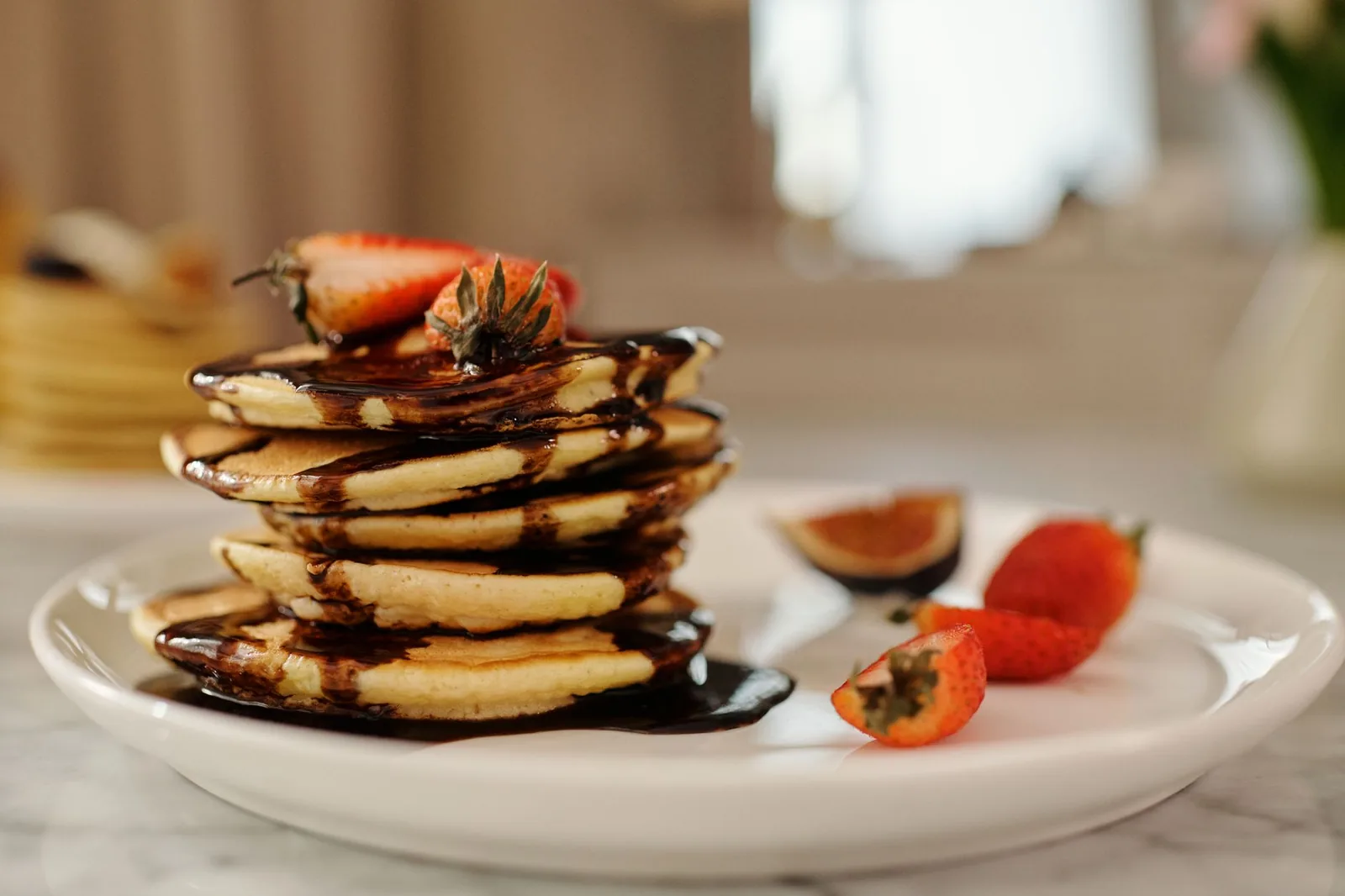
Plate the cakes with a drizzle of maple syrup and a few cherry almond slices for a fruity side note. They pair well with plain yogurt and a dust of cinnamon.
For a fuller breakfast, serve alongside overnight oatmeal cups so guests pick hot or cold. The mini size also works as a topping for a smoothie bowl.
Make a small stack with peanut butter between layers for a protein boost after a morning workout. The cakes hold the spread without going soggy for about 10 minutes.
Storage and Reheating
Cooled silver dollar oatmeal pancakes keep in an airtight container in the fridge for up to 3 days. Place parchment between layers so they don’t stick.
To freeze, lay them flat on a tray until solid, then bag them; they hold for freeze for up to 2 months. Reheat from frozen in a toaster on low or a 175°C / 350°F oven for 6 minutes until hot through.
Don’t leave cooked cakes out more than 2 hours at room temperature. Reheat refrigerated ones in a skillet over medium-low heat for 1 minute per side.
Recipe Variations
Blueberry Version
Fold 1/3 cup fresh blueberries into the rested batter just before cooking. The berries burst under heat and add tart pockets, so reduce milk by 1 tablespoon to balance the juice. Cook 10 seconds longer per side to set the fruit.
Protein Boost
Add 1 scoop unflavored protein powder with the dry oats and increase milk by 2 tablespoons. The cakes come out a bit firmer and higher in protein, good after training. Use tropical oatmeal on the side for a matching theme.
Cinnamon Apple
Stir 1/4 cup finely diced sauteed apple and extra 1/4 tsp cinnamon into the batter. The apple softens the crumb and adds a baked-pie note. These benefit from a slightly longer first-side cook of 2 minutes.
Savory Herb
Drop the banana, cut salt to 1/2 tsp, and add 1 tbsp chopped chives plus 2 tbsp grated cheese. You get a hash-brown-like cake that pairs with eggs; see cinnamon rolls for a sweet counterpoint on the same table. Cook as directed but watch the cheese for quick browning.

Silver Dollar Oatmeal Pancakes
Description
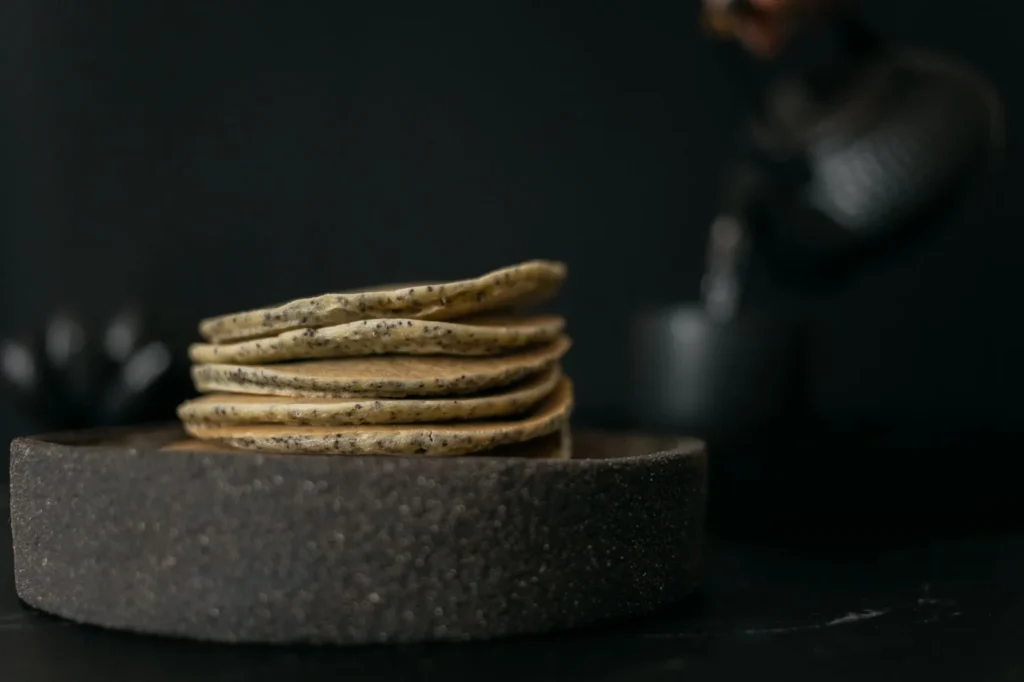
Silver dollar oatmeal pancakes are mini, fluffy oat-based pancakes blended in one container and cooked on a skillet in coin-sized rounds. They use blended rolled oats instead of wheat flour for a tender crumb and mild nutty taste, perfect for a quick breakfast or kid-friendly plate.
Ingredients
Instructions
-
Blend oat flour
Add 2 cups rolled oats to a blender and process on high for 30 seconds until a fine flour forms with no visible flakes. Check the jar and scrape down if needed so every oat is ground evenly before moving on.
-
Combine and blend batter
Drop in 2 eggs, 1 banana, 3/4 cup milk, 1 tsp baking powder, 1/2 tsp cinnamon, 1/4 tsp salt, 1 tbsp butter, and 1/2 tsp vanilla. Blend for 45 seconds until completely smooth with no lumps remaining.
-
Rest the batter
Let the batter rest for 5 minutes so the oat particles swell and the mix thickens to a pourable but not runny consistency. This rest helps the small cakes hold round shapes instead of spreading into thin spots when poured.
-
Heat the skillet
Warm a nonstick skillet on medium-low heat and brush with a thin film of oil. The pan is ready when a drop of water sizzles and evaporates in 2 seconds, showing steady gentle heat.
-
Pour small cakes
Pour batter by tablespoon onto the skillet, leaving 1 inch between each to avoid crowding. Use a quarter-cup or tablespoon measure so every cake stays coin-sized and easy to flip without breaking.
-
Cook first side
Cook for 90 seconds until the edges look dry and a few bubbles break the surface. The rim should appear just set before you attempt to move them with a thin spatula.
-
Flip and cook second
Flip each cake with a thin spatula and cook the second side for 60 seconds until golden and crispy at the rim. Move finished ones to a plate and repeat with the rest, lowering heat if the pan darkens too fast.
-
Avoid crowding pan
Never crowd the pan or the cakes steam instead of brown, so cook in batches with space between each. Keep a barely oiled pan between rounds using a paper towel to avoid greasy bottoms on the small cakes.
Nutrition Facts
Servings 4
- Amount Per Serving
- Calories 180kcal
- % Daily Value *
- Total Fat 7g11%
- Saturated Fat 3g15%
- Cholesterol 95mg32%
- Sodium 240mg10%
- Total Carbohydrate 23g8%
- Dietary Fiber 3g12%
- Sugars 6g
- Protein 7g15%
* Percent Daily Values are based on a 2,000 calorie diet. Your daily value may be higher or lower depending on your calorie needs.
Note
- Storage: Cooled pancakes keep in an airtight container in the fridge for up to 3 days; place parchment between layers so they don't stick, and don't leave cooked cakes out more than 2 hours at room temperature.
- Reheating: Reheat refrigerated ones in a skillet over medium-low heat for 1 minute per side until steaming hot; reheat frozen in a 175°C / 350°F oven for 6 minutes.
- Pro tip: Hold finished cakes warm in a 90°C / 200°F oven on a tray while cooking the last rounds, and try our cherry almond smoothie as a fruity side.
- Batter rest: Always rest the batter 5 minutes so oat particles swell and the pour sets into round shapes instead of thin spots.
