

A creamy lemon vinaigrette is the salad dressing you reach for when you want brightness without the thin, sharp bite of a plain oil-and-acid mix. It blends fresh lemon juice, a smooth emulsifier, and good oil into a pourable sauce that clings to leaves and grains. This version uses mayonnaise as the backbone so the texture stays stable in the fridge for days.
The balance here leans sour first, then rich. You control thickness with water and adjust tang with the zest. It works on bitter chicory, soft butter lettuce, warm potatoes, or a bowl of arugula pasta when you want a lighter finish than cream. Making this creamy lemon vinaigrette at home is surprisingly straightforward once you know the key steps.
Unlike a boiled dressing, this one needs no heat. You whisk, taste, and rest it. The result is a pale yellow pour with tiny suspended droplets that coat instead of pool. The creamy lemon vinaigrette works well for weeknight cooking when time is limited.





Why You’ll Love These Creamy Lemon Vinaigrette
- Five minutes from start to jar with no cooking or special tools beyond a bowl and whisk.
- Stays smooth for up to four days cold, so it fits meal prep routines without splitting.
- Uses one lemon and pantry items, so there is no last-minute store run for obscure ingredients.
- Reads clean on bitter greens where a heavy cream sauce would flatten the leaf character.
- Scales to a cup or a quart by holding the ratio, not the absolute amounts.
Ingredients You’ll Need
- 1/3 cup mayonnaise — full-fat gives the steadiest emulsion and a round mouthfeel.
- 2 tablespoons fresh lemon juice — about one medium lemon, strained to drop the pulp bits.
- 1 teaspoon lemon zest — from the same lemon, grated fine so it suspends instead of clumping.
- 1 tablespoon Dijon mustard — acts as a secondary emulsifier and adds a low heat.
- 1 small garlic clove — grated on a microplane to avoid crunchy raw pieces.
- 1/2 cup extra-virgin olive oil — a mild fruitiness, not a peppery finishing oil that fights the lemon.
- 1 tablespoon honey — rounds the acid; skip if you want a savory-only profile.
- 2 tablespoons cold water — loosens the mayo base to a pourable weight.
- 1/4 teaspoon fine salt — added last after the lemon, since mustard carries sodium too.
- Pinch of black pepper — cracked, not fine dust, for a little speckle and bite.
Ingredient Substitutions
Mayonnaise: Replace with an equal volume of plain whole-milk yogurt for a tangier, lower-fat dressing. Yogurt thins faster than mayo, so cut the water to one tablespoon and expect a looser coat that slides off sturdy kale. The flavor turns more sour and less rounded, and the sauce weeps slightly after two days in the fridge. Storing leftover creamy lemon vinaigrette correctly keeps it tasting good for days.
Extra-virgin olive oil: Swap for a neutral grapeseed or sunflower oil at the same half-cup measure if you dislike grassy notes. The dressing loses its peppery tail and reads cleaner, almost like a lemon aioli thinned out. Browning is not a factor here since there is no heat, but the color shifts from green-gold to pale straw. For the best results with this creamy lemon vinaigrette, read through all the steps before starting.
Honey: Use an equal teaspoon of maple syrup or agave to keep the sweet balance without floral notes. Maple adds a darker amber tint and a faint smoke that pairs well with roasted roots. The viscosity is close enough that no liquid change is needed in the base.
Dijon mustard: Substitute whole-grain mustard in the same tablespoon amount for a speckled, coarser look. The emulsifying power holds but the texture turns grainy and the heat reads brighter on the tongue. You may want to whisk 30 seconds longer to break up the seed clusters.
Garlic clove: Replace with 1/4 teaspoon garlic powder if raw garlic is too sharp for your crowd. Powder disperses without grating and avoids the bitter edge that raw clove can leave after an hour. The aroma is milder and the dressing stays smooth with no sediment at the jar bottom.
Step-by-Step Instructions
- Add the mayonnaise, lemon juice, lemon zest, Dijon mustard, grated garlic, honey, and salt to a medium bowl. Whisk on medium speed with a hand whisk for 45 seconds until the mix is uniform and slightly thickened.
- Pour in the olive oil in a thin stream while whisking continuously, taking about 1 minute total. Stop when the base looks glossy and no free oil sits on the surface.
- Add the cold water one tablespoon at a time, whisking between each, until the dressing falls off the whisk in a slow ribbon rather than a clump.
- Stir in the black pepper and taste on a spoon. If it reads too sharp, add the remaining water or a few drops more honey; if flat, add a pinch of salt.
- Transfer to a sealed jar and rest in the refrigerator for 10 minutes so the garlic mellows and the body sets. Shake before each use since the lemon can lift the oil slightly as it sits.
Pro Tips
Zest the lemon before juicing; a naked half-lemon is nearly impossible to grip on a rasp without shredding pith that turns the citrus zest bitter.
Use a microplane for garlic so it dissolves into the emulsion instead of sitting as a raw nub that burns on contact with sensitive tongues.
Keep the oil at room temperature before streaming. Cold oil thickens the mayo further and resists binding, leaving you with a broken look that needs re-whisking.
Rest the jar 10 minutes before serving; the mustard and garlic need that window to soften their top notes into the lemon.
If the dressing tightens overnight, loosen with a teaspoon of cold water rather than more lemon, which would push the acid past pleasant.
Common Mistakes to Avoid
Pouring oil all at once breaks the bind and leaves a separated puddle. The fix is a slow stream with constant whisking so each drop locks before the next arrives.
Using bottled lemon juice skips the volatile oils in fresh zest, giving a one-note sour. Grate the outer yellow layer only and avoid the white pith that follows.
Over-salting before the lemon settles is easy because Dijon already carries sodium. Season at the end and remember the dressing concentrates as it chills.
Serving Suggestions
Spoon it over shaved fennel and orange segments for a winter plate that needs a creamy cut against the crunch. The dressing bridges the fruit and bulb without turning sweet.
Toss with warm baby potatoes and a salmon fillet for a ten-minute lunch that eats like a composed plate. The heat from the potatoes loosens the coat so it spreads evenly.
Use as a dip for bagel chips or raw cucumber coins when you want a lighter stand-in for ranch at a party spread.
Drizzle across shrimp pasta leftovers to revive the noodles cold from the box the next day.
Storage and Reheating
Seal in an airtight container and refrigerate for up to 4 days; the mayo base keeps it safe longer than a raw-egg custard would. Do not leave it on a warm counter past 2 hours or the garlic starts to ferment.
This dressing is not meant for heat, so skip reheating. If it firms in the cold, set the jar in a bowl of cool water for 5 minutes and shake; never microwave or the oil will separate.
Freezing is not advised because the emulsion weeps on thaw and the texture turns grainy. Make a fresh half-batch instead of defrosting a frozen one.
Recipe Variations
Herb Version
Stir in 2 tablespoons of chopped dill or basil after the whisk step for a green-flecked coat. The herbs soften overnight and the dressing pairs well with crab meat salads where you want lift.
Spicy Version
Add 1/2 teaspoon crushed red pepper with the garlic for a low burn that builds after the lemon fades. The heat reads cleaner if you infuse the oil with the pepper first, then strain before streaming.
Vegan Swap
Replace mayo with silken tofu blended smooth and cut water to one tablespoon for a plant version. The body stays pourable but the flavor loses roundness, so add a pinch more salt to compensate.
Cheese Version
Whisk in 2 tablespoons grated parmesan at the end for a caesar-adjacent pour. The salt jumps, so drop the added salt to a pinch and serve over truffle pasta as a side drizzle.

Creamy Lemon Vinaigrette
Description
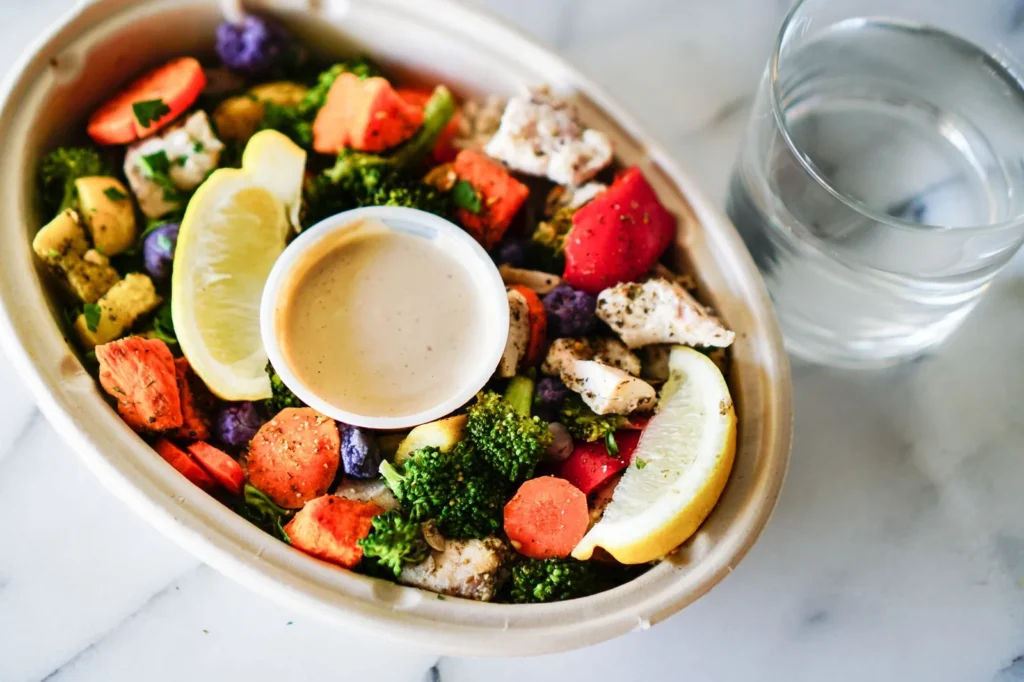
A creamy lemon vinaigrette built on mayonnaise that stays smooth in the fridge for days without any heat. It delivers sour-first brightness with a rich cling that works on bitter greens, warm potatoes, and pasta.
Ingredients
Instructions
-
Combine base ingredients
Add the mayonnaise, fresh lemon juice, lemon zest, Dijon mustard, grated garlic, honey, and fine salt to a medium bowl. Whisk on medium speed with a hand whisk for 45 seconds until the mix is uniform and slightly thickened with no streaks remaining.
-
Stream in olive oil
Pour in the extra-virgin olive oil in a thin stream while whisking continuously, taking about 1 minute total. Stop when the base looks glossy and no free oil sits on the surface, showing a stable emulsion has formed.
-
Loosen with water
Add the cold water one tablespoon at a time, whisking between each, until the dressing falls off the whisk in a slow ribbon rather than a clump. This achieves a pourable weight that still coats leaves instead of pooling.
-
Season and taste
Stir in the black pepper and taste on a spoon to check balance. If it reads too sharp, add the remaining water or a few drops more honey; if flat, add a pinch of salt until the flavor is bright but rounded.
-
Rest and store
Transfer to a sealed jar and rest in the refrigerator for 10 minutes so the garlic mellows and the body sets. Shake before each use since the lemon can lift the oil slightly as it sits.
Nutrition Facts
Servings 8
- Amount Per Serving
- Calories 180kcal
- % Daily Value *
- Total Fat 19g30%
- Saturated Fat 3g15%
- Cholesterol 8mg3%
- Sodium 180mg8%
- Total Carbohydrate 3g1%
- Sugars 2g
* Percent Daily Values are based on a 2,000 calorie diet. Your daily value may be higher or lower depending on your calorie needs.
Note
- Storage: Seal in an airtight container and refrigerate for up to 4 days; do not leave on a warm counter past 2 hours or the garlic may ferment.
- Make it ahead: Zest the lemon before juicing to avoid bitter pith, and rest the jar 10 minutes before serving so mustard and garlic soften into the lemon.
- Pro tip: Keep oil at room temperature before streaming, and if it firms overnight loosen with a teaspoon of cold water rather than more lemon, as shown in our baked salmon lemon pairing.
- Reheating: This dressing is not meant for heat; if firm from cold, set the jar in cool water for 5 minutes and shake, never microwave or the oil will separate.
