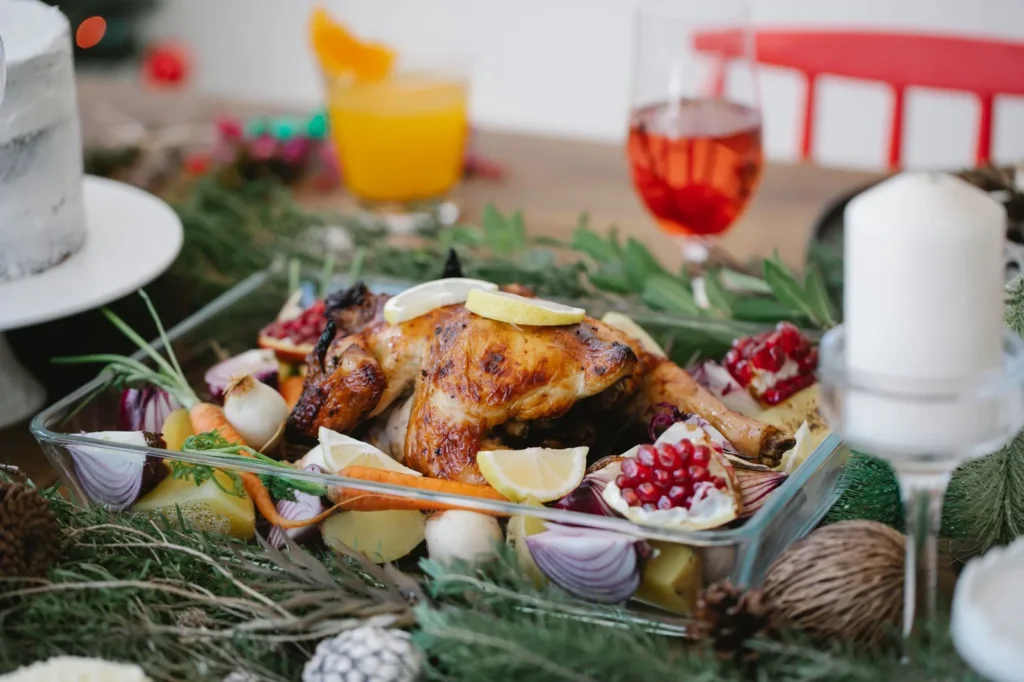
What to serve with roast comes down to balancing rich, caramelized meat with something acidic, something starchy, and something green. A Sunday roast or weeknight pork loin tastes heavier without a bright counterpoint on the plate. This guide gives you concrete side dishes, sauces, and breads that fit different roasts and different schedules.
You'll get combinations that work for beef, lamb, pork, and chicken, plus timing notes so everything lands on the table warm. The pairings below are built around texture contrast and fat-cutting acidity rather than random suggestions. Use them as a template you can swap based on what's in season. Making this what to serve with roast at home is surprisingly straightforward once you know the key steps.
Why You'll Love These What To Serve With Roast
- Each side is chosen to cut through roast fat with acid or crunch.
- Options scale from 20-minute quick greens to slow braised vegetables.
- Make-ahead sides free your oven for the meat itself.
- Clear pairings for beef, pork, lamb, and chicken roasts.
Ingredients You'll Need
- 1 kg floury potatoes, peeled and cut into 5 cm chunks
- 3 tbsp duck fat or olive oil
- 400 g green beans, trimmed
- 2 tbsp lemon juice
- 1 clove garlic, minced
- 250 g plain yogurt
- 1 tbsp fresh mint, chopped
- 1 loaf sourdough bread, sliced
- 300 g roasted beets, cubed
- 2 tbsp red wine vinegar
- 1 tbsp honey
- 50 g walnuts, toasted
Ingredient Substitutions
Floury potatoes: Replace with an equal weight of sweet potatoes for a softer, sweeter mash-style side. Sweet potatoes brown faster and hold less crispness, so roast at 180°C / 350°F and check at 25 minutes. The flavor shifts from savory to lightly sweet, which pairs better with pork than beef. The what to serve with roast works well for weeknight cooking when time is limited.
Duck fat: Use 3 tbsp olive oil for a lighter coating with less savory depth. Olive oil smokes lower than duck fat, so keep the oven at 200°C / 400°F max to avoid bitterness. You lose some crispness but gain a cleaner taste that suits chicken. Storing leftover what to serve with roast correctly keeps it tasting good for days.
Green beans: Swap for 400 g asparagus with the woody ends snapped off. Asparagus cooks 4–5 minutes faster and turns mushy if overdone, so pull it at just set edges. The lemon-garlic treatment works the same but reads more springlike. For the best results with this what to serve with roast, read through all the steps before starting.
Plain yogurt: Use 250 g crème fraîche for a tangier, richer mint sauce. Crème fraîche holds up better at room temp, so it's safer on a buffet table. The sauce thickens and loses some pourability, so thin with 1 tsp water if needed.
Step-by-Step Instructions
- Put potato chunks in a pot of cold salted water and bring to a boil over medium-high heat. Simmer 8 minutes until the edges scrape soft but centers resist; drain and steam-dry 5 minutes.
- Toss potatoes with duck fat on a tray and roast at 220°C / 425°F for 35–40 minutes, turning once, until golden and crispy on all sides.
- Blanch green beans in boiling water 3 minutes, then shock in ice water to lock color. Drain well before the next step.
- Warm 1 tbsp oil in a skillet over medium-low heat, add garlic, and cook 30 seconds until fragrant but not brown. Add beans and lemon juice, toss 2 minutes until glossy.
- Stir yogurt with mint and a pinch of salt; chill until serving so the sauce stays thick.
- Toss beets with red wine vinegar, honey, and walnuts; rest 10 minutes so the vinegar softens the beet edges.
- Toast sourdough slices in a dry pan over medium heat 2 minutes per side until golden and crispy.
Pro Tips
Parboil starchy potatoes before roasting so the outside roughens for maximum crunch. A rough shake in the colander creates floury edges that catch fat.
Season green vegetables after blanching, not before, to keep them from going dull and limp. Salt draws out water and gray's the color during cooking.
Rest the mint yogurt sauce at least 10 minutes so the herbs infuse without splitting. Cold sauce also contrasts the hot roast better.
Use roasting techniques that leave oven space by cooking one side on the stovetop. The beans here never touch the roast pan.
Common Mistakes to Avoid
Crowding the potato tray steams the chunks instead of crisping them. Use two trays rather than pile them if your oven runs narrow.
Adding lemon juice to beans over high heat scorches the acid and turns it bitter. Pull the pan off heat, then dress.
Slicing beets before they cool burns the vinegar balance and stains the walnuts pink too fast. Let them sit at room temp first.
Serving Suggestions
Spoon mint yogurt over lamb or chicken roast to cool the fat. For beef, lean on the espagnole sauce as a deeper match.
Pile roasted potatoes beside pork with the beet-walnut mix for color contrast. A porchetta roast loves the sourdough to mop juices.
Offer green beans as the only green if the roast already has a rich gravy. A french roast pairs with all four sides on one platter.
Storage and Reheating
Roasted potatoes keep in an airtight container up to 3 days and re-crisp at 200°C for 10 minutes. Beets hold up to 4 days and taste better cold.
Yogurt mint sauce stays up to 2 days refrigerated; do not freeze it or it separates. Reheat beans gently with a splash of water to 75°C / 165°F internal if reused.
Never leave cooked sides unrefrigerated beyond 2 hours or bacteria multiply on the starch and dairy. Sourdough freezes up to 2 months sliced.
Recipe Variations
Beef-Focused Plate
Drop the beet mix and add a red wine reduction using 150 ml wine and 1 tsp butter. The sharper sauce matches the stronger meat and skips the sweet honey note entirely.
Lamb Lollipop Side
Replace green beans with charred zucchini and serve with the mint yogurt doubled. A lamb lollipop recipe benefits from the extra herb cooling against the chops.
Low-Carb Option
Swap potatoes for cauliflower tossed in duck fat at the same roast temp for 25 minutes. You lose the starch but keep crunch and cut carbs by roughly two-thirds per portion.
Bread-Heavy Spread
Add a spinach artichoke dip alongside sourdough for a shareable starter. This shifts the meal toward a casual table with chocolate chip cookies to close.