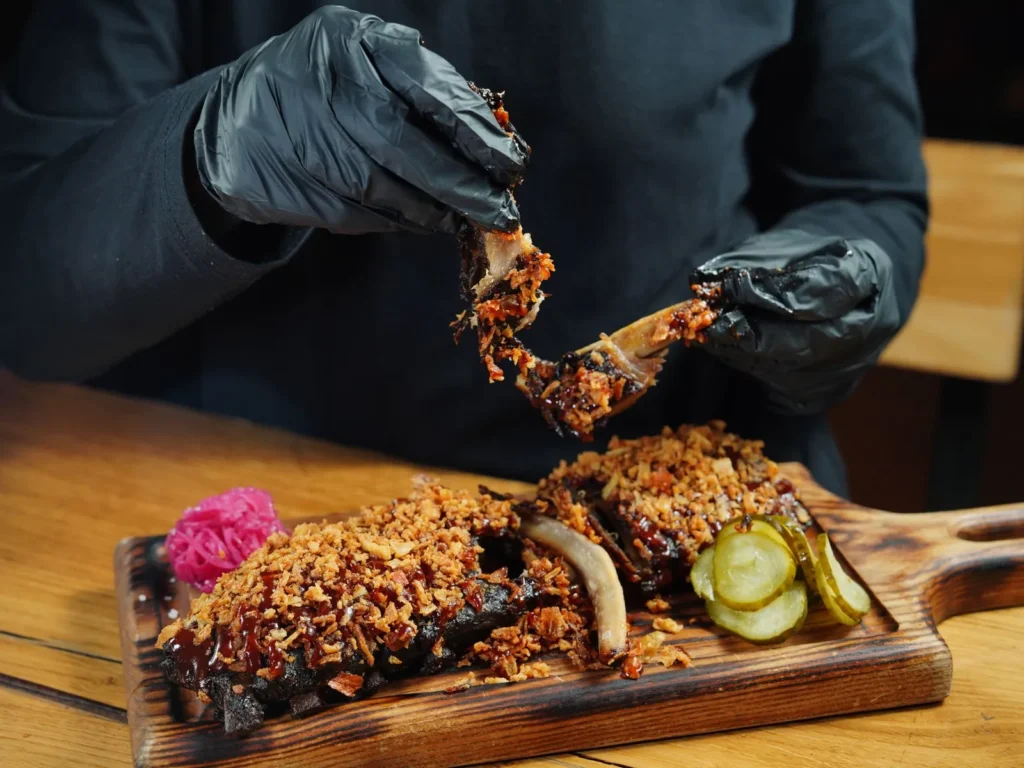
Spare ribs with caramelized onions are a weeknight-friendly braise that turns a tough cut of pork into meat that pulls cleanly from the bone. The onions do more than add sweetness — they break down into a jammy base that thickens the pan sauce without flour or cream. This recipe gives you a clear method so the ribs stay moist and the onions don't scorch.
You'll start on the stove and finish in the oven, which keeps the temperature steady while the connective tissue relaxes. The result is a dark, glossy sauce and ribs with a deep pork flavor balanced by slow-cooked onion. It's the kind of dish that tastes even better reheated the next day. If you enjoyed this, our register is worth trying next. Making this spare ribs with caramelized onions at home is surprisingly straightforward once you know the key steps.
Why You'll Love These Spare Ribs With Caramelized Onions
- One pan handles browning, braising, and sauce reduction, so cleanup stays small.
- The onions cook down to a natural sweetness that offsets the pork's richness.
- Active time is under 25 minutes; the oven does the long, slow work.
- Leftovers reheat without drying out because the sauce keeps the meat coated.
Ingredients You'll Need
- 2.5 lbs pork spare ribs, cut into single-rib pieces — bone-in keeps the meat juicy during the long braise.
- 3 large yellow onions (about 1.5 lbs), thinly sliced — they shrink heavily and form the sauce base.
- 2 tbsp neutral oil — used for browning the ribs without burning.
- 1 tsp fine salt, plus more to adjust at the end.
- 1/2 tsp black pepper, freshly ground.
- 2 tbsp brown sugar — speeds browning and layers a molasses note into the onions.
- 1 tbsp apple cider vinegar — cuts the fat and brightens the reduced sauce.
- 1 cup low-sodium chicken broth — provides the braising liquid so the ribs steam-tender.
- 2 sprigs fresh thyme — adds a mild herbal edge that suits pork.
Ingredient Substitutions
Yellow onions: Replace with an equal weight of sweet Vidalia onions for a milder, less sulfuric bite. Vidalias hold more water, so expect the sauce to take 10 minutes longer to reduce at the end. The finished dish will taste softer and slightly less savory than with standard yellow onions. The spare ribs with caramelized onions works well for weeknight cooking when time is limited.
Brown sugar: Use an equal amount of honey if you want a rounder, floral sweetness. Honey browns faster than sugar, so lower the oven finish heat slightly to avoid a bitter edge. The sauce will be a touch stickier and glossier on the ribs. Storing leftover spare ribs with caramelized onions correctly keeps it tasting good for days.
Chicken broth: Swap in the same volume of vegetable broth to make the dish pork-free in the liquid. You'll lose a little body, so add 1 tsp of tomato paste with the onions for depth. The color stays similar but the sauce reads lighter on the palate. For the best results with this spare ribs with caramelized onions, read through all the steps before starting.
Apple cider vinegar: Replace with red wine vinegar at a 1:1 ratio for a sharper, fruitier acid. Red wine vinegar is stronger, so use 1.5 tsp instead of a full tablespoon if you're sensitive to tang. It pairs well with the thyme and darkens the sauce a shade.
Step-by-Step Instructions
- Heat 2 tbsp neutral oil in a heavy oven-safe pot over medium-high heat. Pat the rib pieces dry, season with salt and pepper, and brown in batches until both sides show a deep golden crust, about 4 minutes per side. Remove to a plate.
- Lower the heat to medium-low heat and add the sliced onions with the brown sugar. Stir every few minutes; cook 20 minutes until the onions soften and turn amber and jammy.
- Stir in the apple cider vinegar and chicken broth, scraping the browned bits from the pot bottom. Return the ribs with any resting juice and tuck in the thyme sprigs.
- Bring the liquid to a gentle simmer on medium heat, then cover the pot. Move it to a 160°C / 320°F oven for 2 hours, until the meat pulls back from the bone by a quarter inch.
- Uncover, raise the oven to 200°C / 400°F, and roast 15 minutes to concentrate the sauce. The liquid should coat a spoon and the ribs look lacquered and dark.
- Discard thyme stems, taste for salt, and rest the pot 5 minutes before serving so the sauce thickens slightly.
Pro Tips
Dry the rib surfaces with paper towels before browning; moisture on the meat steams it instead of searing, and you'll miss the crust that flavors the sauce. A steady medium-high heat is enough without smoking the oil.
Slice onions as evenly as you can so they cook at the same rate. Ragged thick pieces stay crunchy while thin ones burn during the long soften. A mandoline isn't required, but a careful knife pays off.
Don't skip the vinegar at the end of the onion step. According to techniques shared by braising guides, a small acid keeps reduced pork sauces from tasting flat and greasy.
If the sauce is thin after roasting, spoon the ribs out and simmer the liquid on the stove 5 minutes until it falls in ribbons off the spoon. This avoids overcooking the meat while fixing the texture.
Common Mistakes to Avoid
Crowding the pot when browning drops the temperature and boils the pork in its own juice. Brown in two batches if needed so each piece touches hot metal and builds color.
Rushing the onions on high heat burns the sugar before they soften, leaving a bitter base. Keep them at medium-low heat and stir; the slow breakdown is what makes the sauce sweet.
Opening the oven often during the braise lets heat escape and extends the time. Leave the lid on for the full 2 hours unless you're checking the last 15 minutes.
Serving Suggestions
Spoon the ribs and onions over mashed potatoes to catch the sauce, or plate with buttered noodles for a quicker starch. Both soak up the pan liquid without competing with the pork.
A sharp side like pickled vegetables cuts the richness and resets the palate between bites. Keep the accompaniment simple so the ribs stay the focus.
Storage and Reheating
Cool the ribs to room temperature within 2 hours, then refrigerate in an airtight container for up to 4 days. The fat rises and caps the sauce, which helps preserve moisture.
Freeze portions for up to 3 months in sealed containers; thaw overnight in the fridge before reheating. Reheat covered in a 175°C / 350°F oven until the pork reaches an internal temperature of 74°C / 165°F.
Microwave reheating works for single servings if you add a splash of broth and cover the dish. Stir once at the midpoint so the onions don't dry on the edges.
Recipe Variations
Beer Braise
Replace the chicken broth with a light lager for a maltier sauce and softer onion bite. Keep the same oven time, but expect a foam rise in the first simmer, so use a taller pot. The finished ribs taste rounder and less sweet than the vinegar version.
Smoked Version
Add 1 tsp of smoked paprika with the pepper before browning for a campfire note without a grill. The color deepens to brick red and the sauce reads savory rather than candy-sweet. Pair with whiskey glaze drizzled at the end if you want a kick.
Mustard Onion
Stir 1 tbsp of grainy mustard into the broth before braising for a tangy, textured sauce. The mustard mellows in the oven and leaves small pops against the soft onions. This version suits bitter greens on the side.
Slow Cooker Swap
Brown the ribs and onions on the stove, then braise on low for 6 hours in a slow cooker. You'll lose some oven reduction, so broil the ribs 3 minutes before serving. The meat falls off the bone more completely than the oven method.