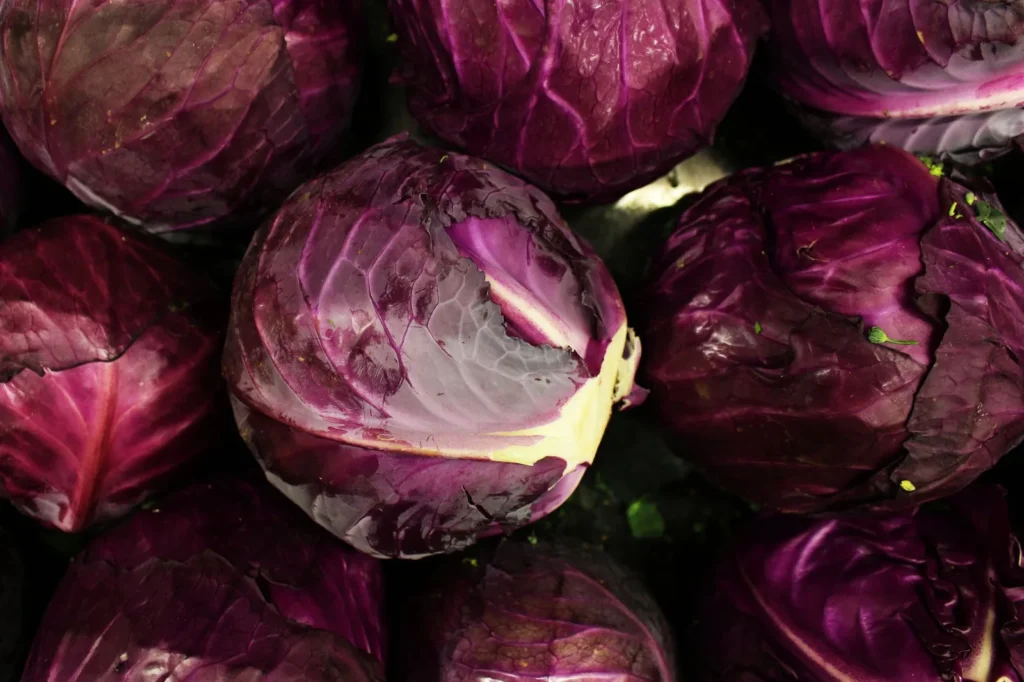
A slow cooker red cabbage recipe gives you a sweet, tangy, and tender braised side without standing over the stove. The low, steady heat breaks down the cabbage fibers while the apple and vinegar keep the color deep and the flavor balanced. You get a make-ahead vegetable dish that fits next to roasts, sausages, or holiday plates.
This version uses a modest amount of sugar and a long cook so the cabbage turns silky rather than crunchy. The slow cooker holds a gentle temperature that prevents scorching, which is the usual problem on the stovetop. You can prep it in about fifteen minutes and walk away until dinner. If you enjoyed this, our yummybites pro patterns is worth trying next. Making this slow cooker red cabbage at home is surprisingly straightforward once you know the key steps.
Why You'll Love These Slow Cooker Red Cabbage
- Tender texture from a long, low braise instead of quick sautéing.
- Stays a vivid purple-red thanks to vinegar added early.
- Uses one pot, so cleanup is a single insert to rinse.
- Flavor improves after a day, making it good for meal prep.
- Naturally vegan and gluten free as written.
Ingredients You'll Need
- 1 medium red cabbage (about 2 lb / 900 g), cored and sliced thin
- 1 large apple (Braeburn or Granny Smith), peeled and sliced
- 1 small yellow onion, halved and sliced
- 3 tbsp apple cider vinegar
- 2 tbsp brown sugar
- 2 tbsp olive oil
- 1/2 tsp salt
- 1/4 tsp black pepper
- 1/4 tsp ground cloves
Ingredient Substitutions
Brown sugar: Replace with an equal amount of maple syrup for a cleaner sweet note. Maple syrup is liquid, so the mix will look wetter at the start, but it cooks down the same way. Expect a slightly less molasses-like depth and a faint woodsy edge that suits the cloves. The slow cooker red cabbage works well for weeknight cooking when time is limited.
Apple cider vinegar: Use white wine vinegar in the same 3 tbsp measure if you want a sharper, less fruity tang. White wine vinegar is more acidic, so the cabbage color stays brighter but the roundness drops a little. No change to cook time is needed. Storing leftover slow cooker red cabbage correctly keeps it tasting good for days.
Ground cloves: Swap for 1/4 tsp ground allspice if you don't keep cloves. Allspice reads warmer and a bit peppery, nudging the dish toward a jerk-style flavor. Keep the amount equal so the spice doesn't overpower the apple. For the best results with this slow cooker red cabbage, read through all the steps before starting.
Olive oil: Substitute 2 tbsp melted coconut oil for a neutral fat that firms when cold. Coconut oil adds no taste at this volume, but the finished dish will look waxy after fridge storage until reheated. Use the same amount with no technique change. For another easy option, check out our raspberry colada cocktail.
Step-by-Step Instructions
- Heat medium-low heat in a skillet and warm the olive oil, then soften the onion for 5 minutes until translucent, not browned.
- Place the sliced cabbage, apple, and onion in the slow cooker insert and toss with your hands to mix the layers.
- Stir in apple cider vinegar, brown sugar, salt, pepper, and cloves until the seasoning coats the cabbage evenly.
- Cover and cook on low for 5 hours until the cabbage is collapse-tender and the apple has melted into the juices.
- Taste and adjust salt, then serve warm or cool and store in an airtight container.
Pro Tips
Slice the cabbage thin so it braises evenly; thick wedges stay tough at the core after five hours. For a deeper look at gentle heat methods, see slow cooking tips from Minimalist Baker.
Add the vinegar before the long cook so the acid protects the anthocyanin pigments and the color stays red rather than blue-gray. A squeeze at the end won't fix a faded batch.
Don't skip the apple; its pectin and moisture help the cabbage soften without added broth. If you want a looser result, add 2 tbsp water at the start.
Make it two days ahead, because the flavor settles and the sweetness spreads through the cabbage as it sits. Reheat gently rather than boiling to keep the texture silky.
Common Mistakes to Avoid
Overfilling the insert past three-quarters full slows the heat and leaves the top layer underdone. Keep the cabbage at or below that line and it will cook through.
Using only sugar and no acid lets the cabbage turn a dull gray-purple and taste flat. The vinegar is what keeps it bright and balances the sweet.
Cutting the cook time to three hours leaves a crunchy core that reads as raw. The 5 hours on low is what breaks the fiber down to tender.
Serving Suggestions
Spoon the cabbage next to vegan bulgogi for a sweet-savory plate built on contrasting textures. The braised vegetable cuts the richness of seared plant protein.
It also works with roasted poultry or pork where the tang refreshes the meat. Put it on the same platter as sausages for a simple cold-weather meal.
For a lighter spread, serve a small scoop over oatmeal smoothie bowls at brunch if you like a savory-sweet mix. The cabbage adds chew and acid against the creamy base.
Storage and Reheating
Pack the cooled cabbage in an airtight container and refrigerate for up to 4 days. The flavor actually rounds out on the second day.
You can freeze it for up to 2 months in a flat zip bag; thaw overnight in the fridge before use. Reheat in a covered pot on medium-low heat until steaming, about 8 minutes, stirring once.
Don't leave cooked cabbage at room temperature beyond 2 hours or bacteria grow fast in the sweet liquid. Chill leftovers as soon as the serving plate clears.
Recipe Variations
Bacon Version
Add 4 strips cooked and crumbled bacon with the apple for a smoky, salty edge. The fat from the bacon enriches the juices, so cut the olive oil to 1 tbsp. Expect a deeper savory note that pairs with plain roast chicken.
Caraway Version
Stir 1 tsp caraway seeds in with the cloves for a Central European profile. The seeds stay firm and pop with a mild anise taste against the sweet cabbage. This version suits truffle pasta as a side if you want a rich main.
No Sugar Version
Drop the brown sugar and use an extra 1/2 apple for sweetness from fruit alone. The result is tarter and lighter, with the cloves more visible in the taste. Cook time stays the same on low.
Wine Braised Version
Replace 2 tbsp of the vinegar with red wine for a rounder, boozy sweetness that cooks off. The cabbage turns darker and more mellow, good with kransekake at a Nordic-style table. Keep the remaining vinegar to hold the color.