The simple Shirazi salad, known as Salad-e Shirazi in Iran, is one of the most beloved dishes in Persian cuisine. With its razor-sharp crunch, vibrant colors, and perfectly balanced sweet-sour-herbal profile, this no-cook salad has earned a permanent place on tables across Iran and far beyond. Light, hydrating, and bursting with freshness, it is the ultimate palate cleanser that somehow steals the show every time.
The History of Simple Shirazi Salad
Where It Comes From
Simple Shirazi salad originates from Shiraz, the poetic heart of Persia in Fars province. For centuries, the city’s legendary gardens have supplied impeccably fresh produce, and this salad is a direct celebration of that abundance.
Unlike elaborate Persian dishes that require hours of cooking, Shirazi salad reflects the region’s love for simplicity: take the best vegetables the season offers, chop them finely, dress lightly, and serve. It has been documented in Persian cookbooks for hundreds of years and remains virtually unchanged today – a rare example of a dish that has resisted modernization.

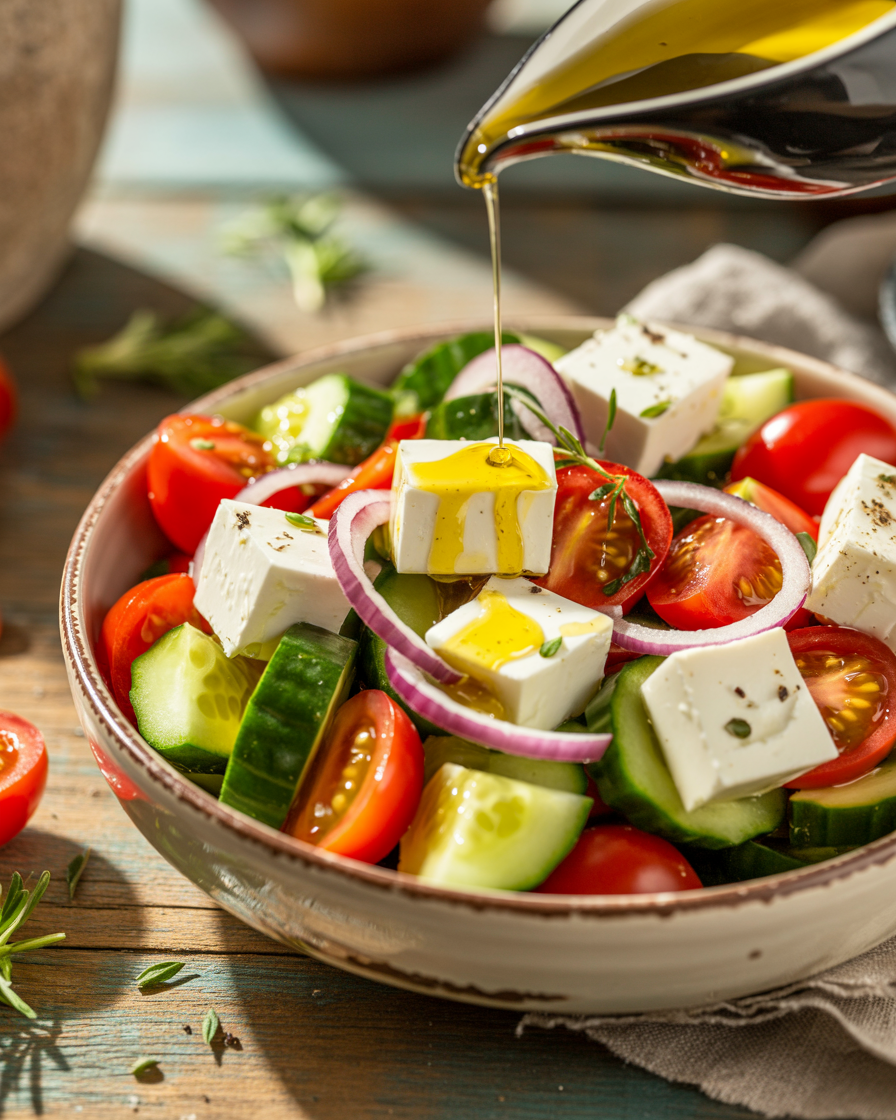
In Iranian homes, it is as essential as rice. No kebab platter or khoresh (stew) is considered complete without a bowl of bright, juicy Shirazi salad on the side.
Taste & Texture: Why It’s Irresistibly Addictive
The magic of simple Shirazi salad lies in its texture symphony. Every single bite delivers:
- Razor-crisp cucumber pieces that snap between your teeth
- Juicy tomato bursts that release sweet liquid
- Sharp, almost sparkling red onion that makes your mouth water
- A whisper of dried mint that cools everything down
The vegetables are always chopped into tiny, uniform ¼-inch dice – never larger. This precision ensures every forkful contains all components in perfect proportion. The result? A refreshing, juicy crunch unlike any other salad.
Flavor Highlights: The Perfect Persian Balance
Traditional Shirazi salad achieves the golden Persian ratio of sweet, sour, salty, and herbal.
Key flavor notes:
- Natural vegetable sweetness from ripe tomatoes and crisp cucumbers
- Bright, mouth-puckering acidity from fresh lime juice or authentic verjuice (unripe grape juice)
- Aromatic, cooling dried mint rubbed between the palms to release its oils
- Just enough salt to make everything pop
The acid cuts through richness, the mint cools the palate, and the vegetables provide natural sweetness and crunch. It’s light yet profoundly satisfying – the definition of refreshing.
Health Benefits of Simple Shirazi Salad
This is one of the healthiest dishes on earth:
- Extremely low calorie (≈60 kcal per generous serving)
- Virtually fat-free in its traditional form
- Packed with water (over 95% hydration)
- Rich in antioxidants: lycopene (tomatoes), quercetin (onions), vitamin C
- High in potassium, vitamin K, and folate
- Anti-inflammatory properties from allium compounds in onions
- Excellent for gut health due to natural fiber and enzymes
- Naturally detoxifying and skin-glowing
In Iran, it’s often prescribed as a cooling food during hot summers and for digestive comfort after heavy meals.
How It’s Made: The Art of Perfect Chopping
The beauty of simple Shirazi salad lies in its deliberate simplicity.
Fresh vegetables are meticulously chopped into tiny, uniform cubes – a meditative process that Persian cooks take great pride in. The finer and more even the dice, the better the salad. The components are gently combined, dressed at the last moment, then allowed to rest briefly so the flavors marry while maintaining maximum crunch.
No cooking. No fancy equipment. Just a sharp knife, perfect produce, and respect for ingredients.
Ready to make the authentic version at home? The complete detailed recipe is below.
Preparation Styles & Techniques
Traditional method: Everything chopped by hand into 3–4mm dice, dressed with lime juice or verjuice and dried mint only.
Modern variations popular in Tehran homes:
- Adding a touch of extra-virgin olive oil for silkiness
- Fresh parsley or mint leaves for color
- A pinch of ground golpar (Persian hogweed) or sumac for extra tang
The authentic Shirazi style, however, remains proudly minimalist.
Serving Ideas & Presentation Tips
Simple Shirazi salad shines when served ice-cold in a glass or white ceramic bowl to showcase its jewel-like colors.
Classic Persian presentation:
- Mounded high in a small glass bowl
- Garnished with a light dusting of dried mint
- Served alongside grilled kebabs, rice, and fresh herbs (sabzi khordan)
For beautiful plating:
- Use perfectly ripe tomatoes for deepest red color
- Choose thin-skinned Persian cucumbers (or seed regular cucumbers)
- Drain excess liquid before serving for maximum crunch
- Serve with a spoon – Iranians eat it as a cooling side, not forked like Western salads
Best Pairings for Simple Shirazi Salad
Traditional Persian pairings:
- Chelo Kabab Koobideh (ground meat kebabs)
- Joojeh Kabab (saffron chicken kebabs)
- Ghormeh Sabzi or Fesenjoon
- Tahdig (crispy rice)
Beverage matches:
- Doogh (Persian yogurt drink, salty or plain)
- Pomegranate molasses spritzer
- Cold black tea
Modern fusion idea: The bright, crunchy profile of Shirazi salad pairs beautifully with Mediterranean flavors. For a heartier meal, try it alongside this excellent Easy Mediterranean Pasta Salad – the combination is spectacular.
Fun Facts About Simple Shirazi Salad
- Iranians have a saying: “No kebab without Shirazi”
- The salad is one of the few Persian dishes that has remained virtually unchanged for centuries
- Traditional verjuice (unripe grape juice) gives the most authentic sour flavor – lime juice is the common modern substitute
- The tiny dice distinguishes it from similar salads (Israeli salad uses larger chunks)
- In Shiraz, some families add sour green plums or unripe apricots when in season
- It’s completely vegan, gluten-free, keto, paleo, and Whole30 compliant
Conclusion
The simple Shirazi salad proves that the most memorable dishes are often the simplest. With just a handful of fresh ingredients, perfect chopping technique, and bright seasoning, it delivers extraordinary flavor, texture, and refreshment that has captivated generations.
Now it’s your turn to bring this Persian masterpiece to your table.
Simple Shirazi Salad
Description
The iconic Persian side dish featuring perfectly diced crisp cucumbers, ripe tomatoes, and red onion in a bright lime-mint dressing. Ultra-refreshing, healthy, and ready in 15 minutes.
Ingredient
Instructions
-
Step 1: Prepare the vegetables
Dice cucumbers, tomatoes, and onion into uniform ¼-inch pieces. Precision matters – every cube should be the same size for perfect texture. Place in a large mixing bowl.
-
Step 2: Initial seasoning
Add sea salt and gently toss. Let sit 5 minutes – the salt draws out excess moisture and intensifies flavor.
-
Step 3: Dress the salad
Add fresh lime juice (or verjuice) and olive oil if using. Rub dried mint between your palms to release oils, then sprinkle over salad. Add several grinds of black pepper if desired.
-
Step 4: Final toss & rest
Gently fold everything together until evenly coated. Taste and adjust seasoning – it should be brightly sour with prominent mint aroma.
Let rest 15–30 minutes at room temperature (or refrigerate 1 hour) for flavors to meld. The salad will release delicious juices – these are prized in Iran and should be spooned over rice or bread.
-
Step 5: Serve
Transfer to a serving bowl, draining excess juice if you prefer crunchier texture (or serve with juices for authentic experience). Garnish with extra dried mint.
Nutrition Facts
Servings 4
- Amount Per Serving
- Calories 62kcal
- % Daily Value *
- Total Fat 0.5g1%
- Potassium 612mg18%
- Total Carbohydrate 13g5%
- Dietary Fiber 3g12%
- Sugars 7g
- Protein 2g4%
- Vitamin C 31 mg
- Vitamin K 28 mcg
* Percent Daily Values are based on a 2,000 calorie diet. Your daily value may be higher or lower depending on your calorie needs.
Note
Storage: Best eaten the same day. Can be refrigerated up to 24 hours, but the texture will soften.
Flavor Tip: For the most authentic flavor, use verjuice instead of lime juice when available.
Ingredient Note: Avoid regular cucumbers with thick skin. If substituting, peel and remove seeds before using.
Authenticity Tip: Traditional versions contain no olive oil. Add only if you prefer a richer mouthfeel.