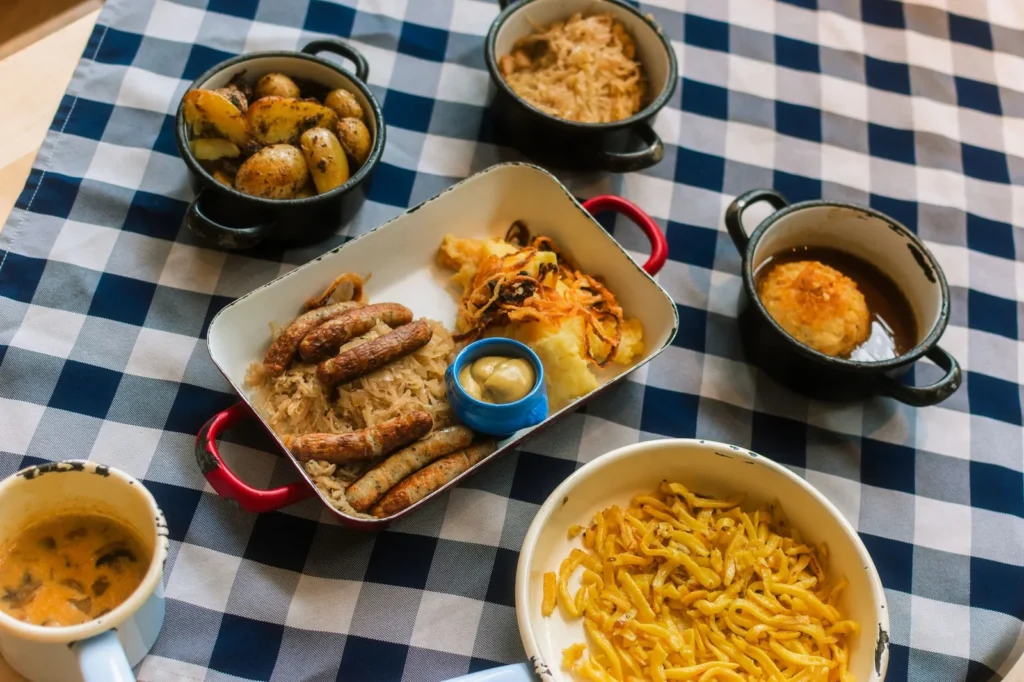
A sausage and cabbage skillet is one of the most dependable weeknight dinners you can put together from pantry and fridge staples. It uses one pan, cooks in about 30 minutes, and gives you browned sausage with soft, sweet cabbage that soaks up the rendered fat. This version keeps the steps simple so you get a filling meal without extra dishes.
The dish works because cabbage breaks down just enough to taste mild and slightly sweet, while the sausage adds salt and smoke. You don't need fancy equipment or a long ingredient list to make it taste like a real dinner. It's the kind of recipe you can scale up or down depending on how many people are at the table. If you enjoyed this, our magnesium oil is worth trying next. Making this sausage and cabbage skillet at home is surprisingly straightforward once you know the key steps.
Why You'll Love These Sausage And Cabbage Skillet
- One pan means less cleanup and more time to eat.
- Cooked in about 30 minutes from raw ingredients to plate.
- Uses affordable sausage and half a head of cabbage.
- Naturally low in carbs without any special products.
- Leftovers reheat well for lunch the next day.
Ingredients You'll Need
- 14 oz smoked pork sausage, sliced into 1/2-inch rounds
- 1/2 head green cabbage, cored and cut into 1-inch strips
- 1 large yellow onion, thinly sliced
- 2 tbsp olive oil
- 3 cloves garlic, minced
- 1 tsp salt
- 1/2 tsp black pepper
- 1/2 tsp paprika
- 1 tbsp apple cider vinegar
Ingredient Substitutions
Smoked pork sausage: Replace with an equal weight of chicken or turkey smoked sausage for a lighter protein. Poultry sausage renders less fat, so add 1 extra tablespoon of olive oil at the start to brown the slices. Expect a milder smoke note and a slightly softer bite compared to pork. The sausage and cabbage skillet works well for weeknight cooking when time is limited.
Green cabbage: Use the same weight of savoy cabbage for thinner, more tender leaves. Savoy wilts faster, so check doneness about 5 minutes earlier to avoid mush. The flavor is a touch grassier but works the same in the pan. Storing leftover sausage and cabbage skillet correctly keeps it tasting good for days.
Olive oil: Swap with an equal amount of butter for a richer, nutty base. Butter browns faster than oil, so keep the heat at medium-low heat when searing sausage to avoid burning. The finished skillet will taste rounder but less neutral. For the best results with this sausage and cabbage skillet, read through all the steps before starting.
Apple cider vinegar: Use 1 tbsp of white wine vinegar if that's what you have. White wine vinegar is sharper and less fruity, so cut the amount to 2 teaspoons if you want the same gentle tang. It still lifts the cabbage without making the dish taste sour. For another easy option, check out our recipe cuisines.
Step-by-Step Instructions
- Heat 1 tbsp olive oil in a 12-inch skillet over medium heat. Add sliced sausage in a single layer and cook 5 minutes per side until golden and crispy at the edges. Move sausage to a plate.
- Add the remaining 1 tbsp oil to the same skillet with the onion. Cook on medium-low heat for 6 minutes, stirring often, until the onion is soft and translucent.
- Stir in the garlic, salt, pepper, and paprika. Cook 1 minute until the garlic smells toasty but not brown.
- Add the cabbage strips and toss with the onion mixture. Cover the skillet and cook on medium heat for 10 minutes, lifting the lid to stir twice, until cabbage is wilted and tender.
- Return the sausage to the pan, pour in the vinegar, and stir 2 minutes over medium-high heat to combine and crisp the edges again. Serve immediately.
Pro Tips
Cut the cabbage into even 1-inch strips so it cooks at the same rate and doesn't leave hard cores in the bite. For more depth, brown the sausage without moving it for the full first side to build a crust.
Let the onion go slow on medium-low heat instead of rushing it; that softens the raw edge and adds sweetness without sugar. A simple one-pan method like this rewards patience with better texture.
If your skillet crowds when you add the cabbage, use a larger pan or cook the cabbage in two batches so it steams instead of boiling. A wide pan keeps the slices from turning gray and soft.
Finish with the vinegar off the strongest heat so the acid stays bright and doesn't cook into a flat note. Taste before serving and add a pinch more salt only if the sausage was mild.
Common Mistakes to Avoid
Overcrowding the pan with cabbage causes it to release water and boil rather than brown. Use a 12-inch skillet or cook in stages so the heat stays high enough to wilt properly.
Skipping the rest after browning sausage means the fat doesn't render and the slices stay rubbery. Give each side the full 5 minutes before flipping.
Adding vinegar too early can make the dish taste sharp and cooked-down. Stir it in at the end so it stays clean and cuts the richness of the sausage. You might also like our image.
Serving Suggestions
Spoon the skillet over plain rice or alongside sausage and peppers for a bigger plate. A soft fried egg on top adds protein and a runny yolk that coats the cabbage.
For a lighter meal, serve it with a sharp mustard on the side or a splash of hot sauce. The acid and heat balance the pork fat without extra cream or cheese.
Storage and Reheating
Cool the skillet to room temperature within 2 hours and store in an airtight container in the fridge for up to 3 days. The cabbage softens more but the flavor holds.
Reheat in a skillet over medium heat for 5 minutes until steaming hot throughout, or microwave in 1-minute bursts. Sausage must reach 165°F internal temperature when reheated for food safety.
This dish does not freeze well because cabbage turns watery after thawing. Make a fresh batch instead of freezing leftovers. Pair this with our grapefruit gin cocktail for more ideas.
Recipe Variations
Spicy Version
Use hot Italian sausage instead of smoked pork and add 1/2 tsp red pepper flakes with the garlic. The heat builds as it cooks and pairs well with the sweet cabbage. Expect a brighter, peppery finish.
Low-Carb Option
Skip the onion and double the cabbage for a stricter carb count while keeping the same pan method. The result is denser and more vegetable-forward but still filling. Add a tablespoon of butter at the end for richness.
Smoky Paprika Twist
Increase paprika to 1 tbsp and use a smoked variety for deeper campfire notes. This works best with mild sausage so the spice stays the star. The cabbage takes on a rusty color and a round, smoked taste. Looking for something similar? Our courses is a great pick.