A pineapple cobbler recipe gives you a warm, juicy fruit base under a soft, golden biscuit-like topping. The acid in pineapple keeps the filling bright while the sugar draws out its natural juice. You get a dessert that tastes like summer but needs only one pan and basic pantry items.
The method here avoids the soggy middle that ruins many fruit cobblers. We layer the fruit at the bottom, pour a thin batter over it, and let the oven set everything into distinct layers. The result is a scoopable cobbler with a tender top and a syrup-thick pineapple base. Making this pineapple cobbler at home is surprisingly straightforward once you know the key steps.
This pineapple cobbler recipe scales easily and works with canned or fresh fruit. You don't need a mixer or special dish, just a standard baking pan and a hot oven. Read through the steps once and you'll see why it's a dependable last-minute dessert. If you enjoyed this, our navigation is worth trying next.
Why You'll Love These Pineapple Cobblers
- One pan, no stand mixer, and fewer than ten minutes of active prep before baking.
- Real pineapple flavor stays front and center instead of getting buried under spice.
- The topping bakes into a cake-like cap while the fruit simmers underneath into a thick syrup.
- It works with fresh, frozen, or canned pineapple, so you can make it any month.
- Leftovers reheat cleanly and taste close to fresh out of the oven.
Ingredients You'll Need
- 4 cups fresh pineapple, cut into 3/4-inch chunks (about one medium fruit) — gives body and natural acid to the syrup.
- 3/4 cup granulated sugar — splits between fruit and batter to balance tartness.
- 1 cup all-purpose flour — forms the structure of the baked topping.
- 1 cup whole milk — hydrates the flour and keeps the crumb soft.
- 1/2 cup unsalted butter, melted — adds richness and helps the top brown.
- 2 tsp baking powder — lifts the batter so it sits above the fruit.
- 1/4 tsp salt — sharpens the sweetness without making it salty.
- 1 tsp vanilla extract — rounds the fruit notes with a warm background.
Ingredient Substitutions
Fresh pineapple: Replace with 4 cups drained canned pineapple chunks in juice, not syrup, to keep the same acid level. Canned fruit is softer, so the base cooks down faster and needs 5 minutes less oven time. You'll lose a little of the fresh bite but gain consistency year-round. The pineapple cobbler works well for weeknight cooking when time is limited.
Whole milk: Use an equal amount of evaporated milk for a denser, slightly caramelized topping. Evaporated milk has less water, so the batter thickens quicker and browns earlier at the edges. Cut the bake time by 5 minutes and watch the top for over-browning.
All-purpose flour: Swap in an equal weight of gluten-free 1-to-1 flour blend if you need a wheat-free version. These blends often include xanthan gum, which holds the crumb but can make the top a touch gummy if overbaked. Keep the oven at the same temperature and test doneness with a toothpick.
Unsalted butter: Use 1/2 cup coconut oil, melted, for a dairy-free fat with a faint tropical note. Coconut oil sets firmer when cool, so the topping feels a bit more shortbread-like after refrigeration. The flavor pairs well with pineapple but adds its own scent to the crumb. For another easy option, check out our basil pesto you.
Step-by-Step Instructions
- Heat the oven to 180°C / 350°F and place the melted butter in a 9x13-inch baking dish, tipping to coat the bottom evenly.
- Spread the pineapple chunks across the dish, then sprinkle 1/4 cup of the sugar over the fruit so it starts releasing juice while the oven heats.
- Whisk the flour, remaining 1/2 cup sugar, baking powder, and salt in a bowl until no streaks remain.
- Pour in the milk and vanilla, stirring just until combined — do not overmix, a few lumps are fine and keep the top tender.
- Pour the batter evenly over the fruit and butter; do not stir, the layers separate on their own as it bakes.
- Bake 45–50 minutes until the top is golden and crispy at the edges and the fruit bubbles up through cracks. A toothpick into the cake part should come out clean.
- Rest the pan on a rack for 15 minutes before scooping so the syrup thickens and the top firms slightly.
Pro Tips
Cut pineapple to a uniform 3/4-inch size so every piece softens at the same rate instead of leaving crunchy centers. Uniform chunks also keep the juice level even across the pan.
Rest the batter for 5 minutes after mixing if your kitchen is cool; this lets the flour hydrate and the baking powder start working for a higher rise. Skip this only if the oven is already at temperature and you're in a hurry.
For a deeper top color, brush the surface with the last tablespoon of melted butter at minute 30 of baking. This small step pushes the crust toward golden and crispy without drying the crumb.
Read technique notes from baking guides if you want to understand how batter lifts over wet fruit. The principle is the same as a simplified upside-down cake structure.
Use a glass or light metal pan so you can see the fruit bubbling and avoid underbaking the bottom layer. Dark pans brown the top too fast and leave the base loose.
Common Mistakes to Avoid
Stirring the batter into the fruit instead of pouring it on top collapses the layer system and gives you a uniform pudding. Keep the pour gentle and let heat do the separation.
Using pineapple in heavy syrup instead of juice doubles the sweetness and can prevent the top from setting. Drain and rinse if that's all you have, then add the stated sugar.
Opening the oven before minute 35 releases steam and can sink the rising top. avoid opening the oven early unless you smell burning or see deep cracking.
Slicing into the cobbler straight from the oven leaves a runny base because the syrup hasn't thickened. The 15 minutes rest is not optional for clean scoops. You might also like our recipe badges.
Serving Suggestions
Scoop the cobbler warm into bowls and add a small spoon of plain yogurt to cut the sweetness with tang. The cold cream against the warm fruit is a simple contrast that works every time.
For a brunch spread, pair it with chorizo and eggs so the sweet fruit balances a salty plate. The cobbler reads as a side or finish without feeling heavy.
A scoop of vanilla ice cream on top is the standard move and melts into the syrup within a minute. Use a shallow bowl so the liquid doesn't pool at the rim.
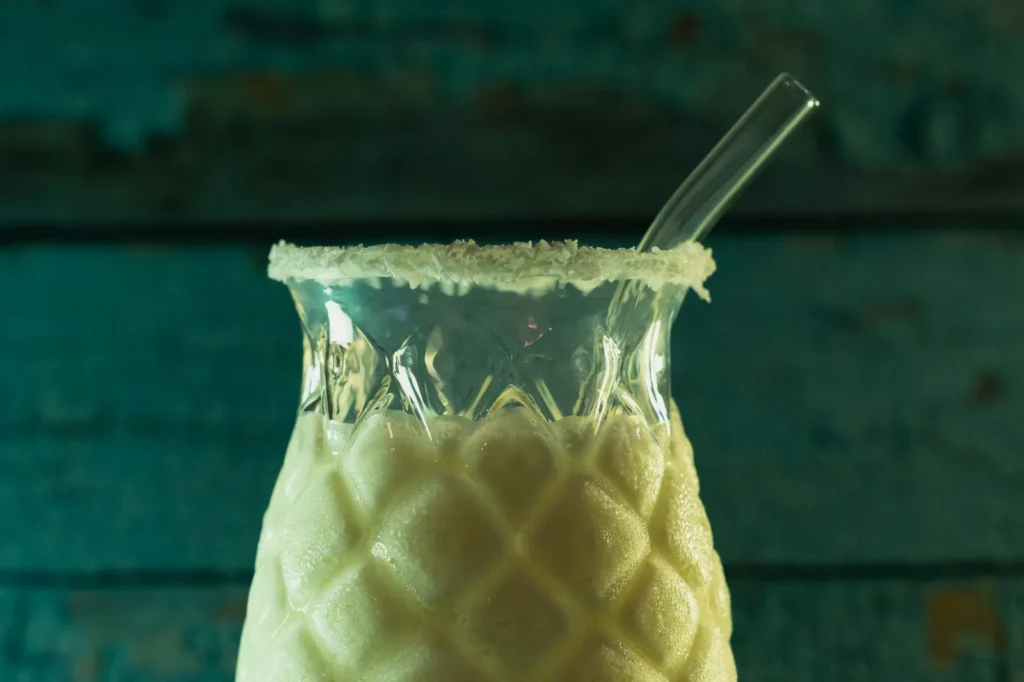
If you like tropical drinks with dessert, a pineapple drink keeps the theme without repeating the baked flavor.
Storage and Reheating
Cool the pan to room temperature, then cover and refrigerate for up to 3 days in an airtight container. Don't leave it on the counter beyond 2 hours or the fruit base enters the unsafe zone.
Reheat single portions in a 175°C / 350°F oven for 10 minutes until the top crisps again and the center is hot. The microwave works but softens the crust, so use it only when short on time.
This pineapple cobbler recipe freezes cleanly for freeze for up to 2 months in a sealed container. Thaw overnight in the fridge, then reheat as above to bring back the texture.
Recipe Variations
Spiced Rum Version
Add 2 tbsp of dark rum and 1/2 tsp cinnamon to the fruit before baking for a warmer profile. The alcohol bakes off but leaves a molasses-like depth that suits winter serving. Expect a slightly darker syrup and a stronger aroma.
Coconut Topping
Replace 1/4 cup of the flour with fine desiccated coconut for a chewier, more tropical crumb. The coconut toasts on the surface and adds texture against the soft fruit. Watch the top closely as it browns faster than plain batter.
Berry Mix
Cut the pineapple to 2 cups and add 2 cups fresh blueberries for a two-fruit base with more color. Berries release less acid, so add 1 tbsp lemon juice to keep the syrup bright. The bake time stays the same but the layers look more varied.
Fireball Twist
Stir 1 tbsp of cinnamon whisky from fireball whiskey recipes into the batter for a gentle heat behind the sweetness. The spice is subtle after baking and pairs with the fruit without overwhelming it. Keep all other amounts unchanged.