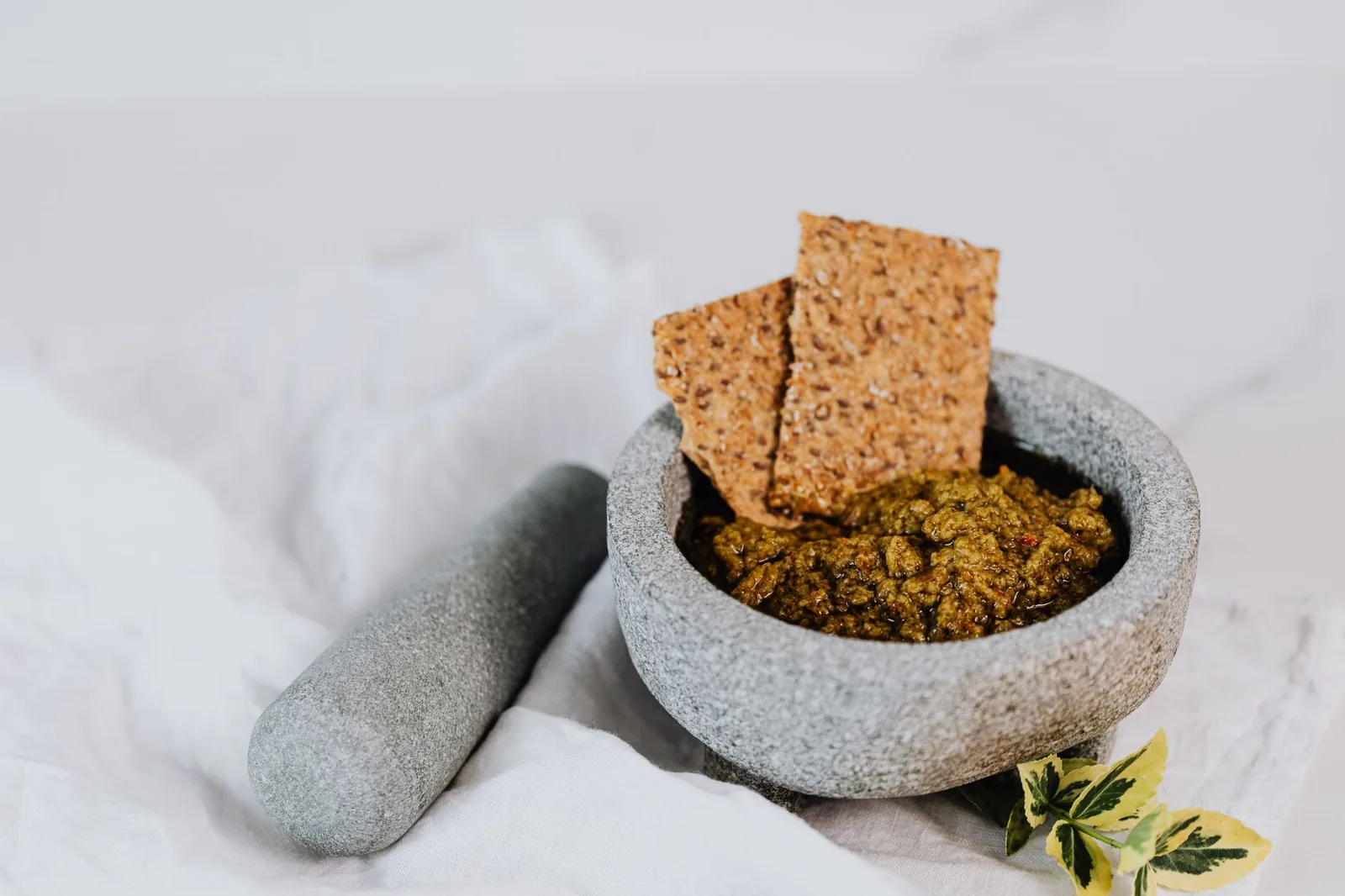
A pesto recipe without nuts gives you all the fresh basil and garlic punch of the classic sauce while staying safe for nut allergies and paleo plates. You blend soft greens, olive oil, and cheese into a smooth green sauce in under ten minutes. This version uses seeds for body so the texture stays rich without pine nuts or walnuts.
The method below walks through exact weights so your sauce won't turn bitter or oily. You'll get a versatile condiment that works on roasted vegetables, grilled chicken, or a simple bowl of penne. Keep reading for swaps, storage, and variations that fit different diets. If you enjoyed this, our basil pesto you is worth trying next. Making this pesto recipe without nuts at home is surprisingly straightforward once you know the key steps.
Why You'll Love These Pesto Recipe Without Nuts
Ready in one blender in about 10 minutes with no cooking step.
Uses sunflower seeds so it's safe for tree-nut and peanut allergies.
Holds its bright green color longer than pine-nut versions.
Costs a fraction of store pesto and freezes for up to three months.
Works as a sauce, spread, or salad dressing with a thin splash of water.
2 tbsp lemon juice (30 ml), from about half a lemon
1/4 tsp fine sea salt, plus more to taste
2 tbsp water (30 ml), only if the blend is too thick
Ingredient Substitutions
Sunflower seeds: Replace with an equal weight of raw pumpkin seeds for a slightly greener, milder sauce. Pumpkin seeds carry more moisture, so cut the olive oil by one tablespoon to keep the blend from slipping. The flavor reads earthier and the color stays lighter than the sunflower version. The pesto recipe without nuts works well for weeknight cooking when time is limited.
Parmesan cheese: Use an equal amount of nutritional yeast for a dairy-free sauce that still tastes savory. Nutritional yeast lacks the fat of cheese, so add one extra teaspoon of olive oil to mimic the mouthfeel. Expect a drier, more granular texture that softens once tossed with hot pasta. Storing leftover pesto recipe without nuts correctly keeps it tasting good for days.
Basil leaves: Swap half the basil for packed baby spinach to lower cost and soften the pepper note. Spinach wilts faster in the blender, so reduce the water addition to one tablespoon. The sauce turns a duller green but keeps a fresh finish. For the best results with this pesto recipe without nuts, read through all the steps before starting.
Extra-virgin olive oil: Substitute an equal volume of avocado oil if you want a neutral taste and higher smoke point for warm preparations. Avocado oil lacks the grassy bite of olive oil, so add a few more basil leaves to recover aroma. The sauce feels lighter and less peppery on the tongue. For another easy option, check out our more.
Step-by-Step Instructions
Place the raw sunflower seeds and peeled garlic cloves in a small food processor. Pulse on medium speed for 20 seconds until the seeds break into coarse crumbs with no whole pieces left.
Add the packed basil leaves, Parmesan, lemon juice, and salt to the bowl. With the motor running on low speed, stream in the olive oil through the feed tube over 15 seconds until the mix looks like a rough paste.
Stop and scrape the sides with a rubber spatula. If the blade is clogged, add the 2 tbsp water and pulse on medium speed for 5 seconds until the sauce drops off the spatula in a slow ribbon.
Taste the pesto on a clean spoon. Adjust salt by pinching in more and blending on low speed for 3 seconds; the final sauce should coat the spoon and smell sharply herbal.
Transfer to a jar and press a piece of wrap on the surface to block air. Refrigerate within 30 minutes of blending so the basil doesn't oxidize to brown.
Pro Tips
Blanch the basil for 5 seconds in boiling water then shock in ice water if you want a vivid green sauce that resists browning at the edges. This step locks chlorophyll before blending.
Toast the sunflower seeds on medium-low heat in a dry pan for 4 minutes if you prefer a deeper, nuttier base note; let them cool fully before processing so the oil stays stable.
Freeze the sauce in an ice-cube tray, then pop cubes into a zip bag for single portions; one cube melts into a pan of noodles for two. Read blender sauce tips for more on keeping greens bright.
Reserve a spoon of pasta water before draining; stir it into the pesto off heat so the starch binds the oil and greens into a silky coat. This prevents an oily puddle at the plate bottom.
Common Mistakes to Avoid
Over-blending on high speed heats the basil and turns the sauce bitter and dark. Keep pulses short and the motor on low once the oil goes in.
Skipping the surface wrap lets air sit on the green mix and brown it within a day. Press plastic or oil layer flat against the top before the lid goes on.
Using pre-grated cheese with anti-caking starch gives a grainy, dull pesto that won't melt smoothly. Buy a block and grate it yourself for a clean bind.
Adding all the oil at once floods the blade and leaves unprocessed leaf bits. Stream it slowly so the emulsion stays even from the first pulse.
Serving Suggestions
Toss a half cup of this basil pesto with hot penne and a splash of cooking water for a weeknight dinner. The sauce clings best when the noodles are drained a minute early.
Spread it on toasted sourdough with sliced tomato as a cold lunch sandwich that travels well. The seed base keeps the bread from getting soggy for up to 4 hours in a lunchbox.
Spoon a thinned tablespoon over oven snapper fillets just before serving to add acidity and herb lift. The fish stays flaky under the cold sauce.
Mix with a little yogurt to make a dip for raw cucumber and bell pepper at a party. The tang balances the garlic so guests don't need a second drink.
Storage and Reheating
Keep the pesto in an airtight container in the fridge for up to 5 days; a thin oil layer on top extends that by a day. Never leave it on the counter longer than 2 hours total.
Freeze portions in cubes for up to 3 months and thaw overnight in the fridge before use. Reheat gently in a bowl set over medium-low heat water, not the microwave, to protect the green color.
For a warm pasta toss, add the cold sauce off the burner and stir with the hot noodles; the residual heat warms it to 60°C / 140°F without cooking the herbs. Don't boil the pesto or it will split and dull.
Recipe Variations
Spicy Version
Add one small seeded jalapeño with the garlic and use egg-free meatballs on the side for a full meal. The heat sits at a gentle background level and fades after the lemon note.
Cilantro Lime Swap
Replace the basil with packed cilantro and the lemon with extra lime juice for a Mexican-style green sauce. The seed base stays the same, giving a creamy fix that pairs with tacos and grilled corn.
Kale Boost
Swap one cup of basil for stemmed curly kale to add fiber and a tougher green that survives freezing better. Blend the kale with the seeds first for 10 seconds so no strands remain before the soft herbs go in.
Seed-Free Option
Use fresh milled flour bread crumbs toasted in oil as the thickener if seeds are also restricted. The result is closer to a herb paste and needs 1 tbsp more oil to stay spreadable.
This nut-free pesto blends fresh basil, sunflower seeds, garlic, olive oil, and Parmesan into a smooth, allergy-safe green sauce in under ten minutes. It's a versatile condiment for pasta, vegetables, or sandwiches that stays bright and freezes well.
2tbsp lemon juice (30 ml), from about half a lemon
1/4tsp fine sea salt, plus more to taste
2tbsp water (30 ml), only if the blend is too thick
Instructions
1
Pulse seeds and garlic
Place the raw sunflower seeds and peeled garlic cloves in a small food processor. Pulse on medium speed for 20 seconds until the seeds break into coarse crumbs with no whole pieces left.
2
Add herbs and cheese
Add the packed basil leaves, Parmesan, lemon juice, and salt to the bowl. The mixture will look dry and leafy before any oil is introduced, which is normal at this stage.
3
Stream olive oil
With the motor running on low speed, stream in the olive oil through the feed tube over 15 seconds until the mix looks like a rough paste. Stop and scrape the sides with a rubber spatula to ensure even blending.
4
Adjust with water
If the blade is clogged, add the 2 tbsp water and pulse on medium speed for 5 seconds until the sauce drops off the spatula in a slow ribbon. The texture should be thick but flow slowly rather than sit in a stiff clump.
5
Taste and adjust salt
Taste the pesto on a clean spoon. Adjust salt by pinching in more and blending on low speed for 3 seconds; the final sauce should coat the spoon and smell sharply herbal.
6
Store surface wrap
Transfer to a jar and press a piece of wrap on the surface to block air. Refrigerate within 30 minutes of blending so the basil doesn't oxidize to brown.
Nutrition Facts
Servings 4
Amount Per Serving
Calories210kcal
% Daily Value *
Total Fat20g31%
Saturated Fat4g20%
Cholesterol8mg3%
Sodium200mg9%
Total Carbohydrate4g2%
Dietary Fiber1g4%
Sugars1g
Protein5g10%
* Percent Daily Values are based on a 2,000 calorie diet. Your daily value may be higher or lower depending on your calorie needs.
Note
Storage: Keep in an airtight container in the fridge for up to 5 days; a thin oil layer on top extends that by a day, and never leave it out longer than 2 hours.
Freezing: Freeze in cubes for up to 3 months and thaw overnight in the fridge before gentle reheating off the burner.
Pro tip: Blanch basil for 5 seconds then ice-shock to lock green, and see our homemade basil pesto for more brightening tips.
Reheat: Warm pasta off heat with cold sauce stirred in so residual heat reaches about 60°C without cooking herbs or splitting the oil.
Pin this recipe to share with your friends and followers.
Anna
Food and Lifestyle Blogger
Hi, I’m Anna — a wellness enthusiast, recipe creator, and founder of Cook Recipe. I love making healthy, easy, and feel-good meals that inspire others to live happier, more balanced lives. When I’m not in the kitchen, you’ll find me exploring new places or flowing through a yoga session! 🌿