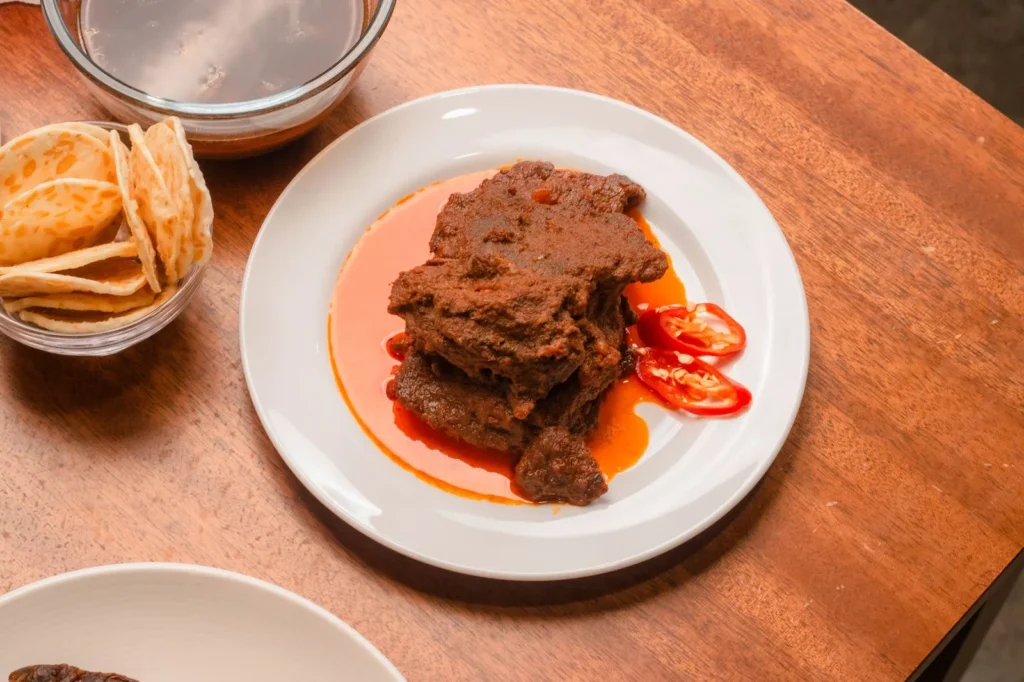
The peppery tuscan beef stew peposo is a centuries-old Tuscan dish built on beef, red wine, garlic, and a heavy hand with black pepper. It comes from the kiln workers of Impruneta, who slow-cooked it in terracotta with whatever was on hand. This version keeps the method honest: one pot, no browning, and a long simmer that turns tough cuts into something you can cut with a spoon.
You get a deeply savory stew with a sharp pepper bite and a wine-reduced sauce that clings to the meat. It's the kind of dish that fills the kitchen with smell for two hours and asks almost nothing of you while it cooks. Serve it over polenta, mashed potatoes, or torn bread to catch every drop. If you enjoyed this, our taco dip ground is worth trying next. Making this peppery tuscan beef stew peposo at home is surprisingly straightforward once you know the key steps.
Why You'll Love These Peppery Tuscan Beef Stew Peposo
- No-sear method saves time and keeps the pot clean from the start.
- One vessel from stove to table, so cleanup stays minimal.
- Black pepper carries the heat, not chili, for a warm rather than hot finish.
- Uses affordable beef chuck that rewards slow cooking with tenderness.
- Leftovers thicken into an even better sauce by the next day.
Ingredients You'll Need
- 2.5 lbs beef chuck, cut into 2-inch cubes (well-marbled for slow braise)
- 6 cloves garlic, peeled and left whole
- 2 tablespoons coarsely cracked black pepper (freshly cracked for bite)
- 2 cups dry red wine (Chianti or another Tuscan red)
- 1 cup beef stock, low sodium
- 2 tablespoons olive oil
- 1 teaspoon salt, or to adjust at end
- 1 sprig rosemary (optional, for subtle pine note)
Ingredient Substitutions
Beef chuck: Replace with an equal weight of beef brisket if chuck is unavailable. Brisket has more connective tissue and needs an extra 30 minutes of simmer to break down. Expect a slightly stringier texture but the same wine-forward sauce. The peppery tuscan beef stew peposo works well for weeknight cooking when time is limited.
Dry red wine: Use 2 cups of unsweetened grape juice plus 2 tablespoons of red wine vinegar if you avoid alcohol. The acid keeps the sauce from tasting flat, though the depth from fermented wine will be milder. Skip the vinegar if the juice is already tart. Storing leftover peppery tuscan beef stew peposo correctly keeps it tasting good for days.
Black pepper: Swap coarsely cracked peppercorns for 1 tablespoon cracked plus 1 teaspoon ground if you only have fine pepper. Ground pepper disperses faster and can taste sharper, so reduce the amount to avoid overwhelming the beef. The sauce will look darker and less speckled. For the best results with this peppery tuscan beef stew peposo, read through all the steps before starting.
Beef stock: Substitute an equal amount of water with 1 teaspoon of salt if stock is out. You lose some body, but the wine and long cook still build flavor. Add the salt early so it seasons the meat through. For another easy option, check out our taco dip ground.
Step-by-Step Instructions
- Place the beef cubes in a heavy pot with the olive oil, whole garlic, cracked pepper, salt, and rosemary. Pour the red wine and beef stock over the top so the liquid covers most of the meat.
- Set the pot on medium-low heat and bring the liquid to a bare simmer where you see one or two lazy bubbles per second, not a rolling boil.
- Cover the pot and lower to low heat, then cook for 2 hours, stirring once at the halfway mark to keep the garlic from sticking.
- Check the beef with a fork; it should pull apart with little resistance while holding a rough cube shape. If it resists, cover and cook 25–30 minutes more.
- Uncover and raise to medium-low heat for the last 15 minutes to reduce the sauce until it coats a spoon and looks glossy.
- Discard the rosemary sprig, taste for salt, and serve immediately over your base of choice while the sauce is hot.
Pro Tips
Crack the pepper by hand with a mortar or the flat side of a pan rather than a fine grinder, since larger pieces bloom slowly and give the stew its signature speckle. For a steadier simmer guide, the braising basics at Simply Recipes explain heat control well.
Choose a wine you would actually drink; a thin, sweet bottle makes the sauce cloying after reduction. A Chianti or Sangiovese keeps the acidity balanced against the pepper.
Resist lifting the lid during the first hour; each peek drops the temperature and adds 10 minutes to the cook. The closed pot holds a steady steam that tenderizes the chuck.
If the sauce breaks before the meat is done, add a splash of stock and drop to low heat to bring it back together. This happens when the heat climbs too high too early.
Common Mistakes to Avoid
Adding the salt at the start in large amounts draws moisture out and can firm the beef before the braise relaxes it; season lightly and adjust at the end. The stock already carries sodium, so taste before pouring more.
Rushing the reduce with high heat scorches the garlic and turns the pepper bitter instead of warm. Keep the final reduction at medium-low heat and watch the bubble size.
Cutting the cubes smaller than 2 inches lets them fall apart before the flavor develops, leaving a ragu rather than a stew. Uniform 2-inch pieces hold their shape through the full 2 hours. You might also like our ground beef ground.
Serving Suggestions
Spoon the stew over creamy polenta so the grains catch the wine sauce, or use basil pesto on the side to brighten the plate with herb notes. Crusty bread works too when you want to keep the meal simple.
A bitter green salad with lemon dressing cuts the richness, and a glass of the same red wine used in the pot keeps the pairing tight. The pepper heat makes roasted vegetables a better match than sweet sides.
Storage and Reheating
Cool the stew to room temperature within 2 hours, then refrigerate in an airtight container for up to 4 days. The sauce thickens as the fat settles, so loosen it with a tablespoon of stock when reheating.
Freeze in flat bags for up to 3 months, leaving an inch of headspace for expansion. Reheat on medium-low heat until the beef reaches 165°F internally, stirring once to spread the warmth.
Yes, this freezes well for up to 3 months without losing the pepper character. Thaw overnight in the fridge before reheating to keep the meat from toughening at high heat. Pair this with our beef liver for more ideas.
Recipe Variations
White Wine Version
Swap the red for a dry Tuscan white like Vernaccia and drop the rosemary for thyme. The sauce turns pale and the pepper stands more forward without the wine's dark fruit. Expect a lighter body and a 15 minutes shorter reduce.
Slow Cooker Method
Combine everything in a 6-quart slow cooker and run on low for 8 hours without the stovetop simmer. The garlic softens to a paste and the pepper mellows, so add a half tablespoon cracked pepper at the end. Thicken the sauce with a 20 minutes uncovered high setting if needed.
Tomato Added Style
Stir in 1 cup of crushed tomatoes with the wine for a thicker, sweeter-edge sauce common in home kitchens. The acidity balances the pepper and gives the stew a deeper red color. Use ground beef blend only if you want a faster weeknight take, though it changes the cut.
Peppercorn Mix
Replace half the black pepper with cracked green peppercorns for a fresher, milder heat that suits those new to the dish. The green berries soften in the wine and add a faint herbal note. Keep the total pepper weight the same to hold the structure.