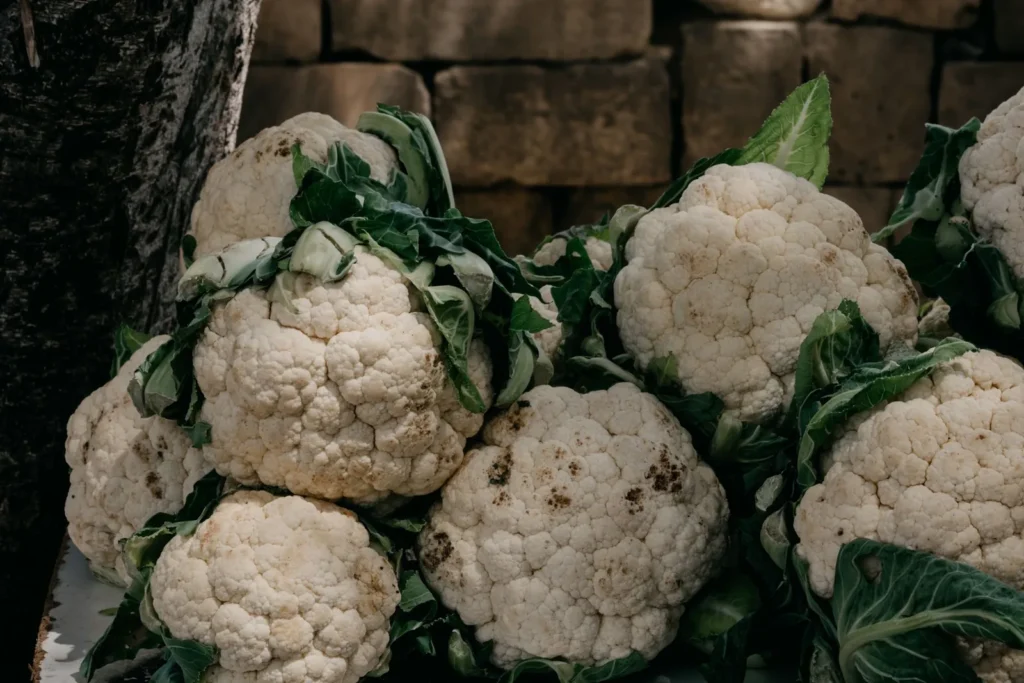
A good penne with cauliflower ragu gives you the comfort of a slow Sunday sauce without any meat in the pot. The cauliflower breaks down into a thick, savory base that clings to the pasta the way a classic beef ragu would. This version is built for a weeknight but tastes like it simmered all afternoon.
You get a sauce that's chunky in places and silky in others, with enough body to stand up to ridged penne. The recipe uses pantry staples and one head of cauliflower, so there's no special shopping trip required. It also reheats better than most cream-based pasta sauces, which makes it practical for leftovers. If you enjoyed this, our lime cilantro cauliflower is worth trying next. Making this penne with cauliflower ragu at home is surprisingly straightforward once you know the key steps.
Why You'll Love These Penne With Cauliflower Ragu
- Deep savory flavor from browning the cauliflower instead of boiling it soft.
- One skillet for the sauce keeps cleanup to a single pan plus the pasta pot.
- Holds up in the fridge for four days without splitting or turning gluey.
- Costs roughly three dollars a serving using frozen cauliflower and boxed penne.
- Easy to make vegan by skipping the parmesan or using a hard aged alternative.
Ingredients You'll Need
- 1 medium head cauliflower (about 2 lb), cut into 1-inch florets
- 12 oz penne pasta
- 3 tbsp olive oil
- 1 yellow onion, diced small
- 4 garlic cloves, minced
- 2 tbsp tomato paste
- 1 (14.5 oz) can crushed tomatoes
- 1 cup vegetable broth
- 1 tsp smoked paprika
- 1/2 tsp red pepper flakes
- 1/2 tsp salt, plus more for pasta water
- 2 tbsp chopped fresh parsley
- 1/3 cup grated parmesan, for serving
Ingredient Substitutions
Olive oil: Replace with 2 tbsp butter for a rounder, richer mouthfeel. Butter browns faster than olive oil, so keep the pan at medium-low heat when softening the onion to avoid scorched milk solids. The sauce will taste less fruity and more like a classic butter-tomato base, with a slightly glossier finish. The penne with cauliflower ragu works well for weeknight cooking when time is limited.
Crushed tomatoes: Use 1 (14.5 oz) can diced tomatoes pulsed in a blender for 10 seconds if you want more texture. Diced tomatoes hold their shape longer, so the ragu will look chunkier and need 5 minutes more simmer time to thicken. The acidity reads brighter, which pairs well with the smoked paprika. Storing leftover penne with cauliflower ragu correctly keeps it tasting good for days.
Parmesan: Swap for 1/3 cup nutritional yeast to keep the dish dairy-free. Nutritional yeast adds a cheesy, nutty note but won't melt or bind the sauce the way parmesan does. Sprinkle it at the table so it stays dry and granular rather than clumping. For the best results with this penne with cauliflower ragu, read through all the steps before starting.
Vegetable broth: Use 1 cup water plus 1 tsp miso paste for deeper umami. Miso dissolves fast but turns bitter if boiled hard, so lower the heat once it goes in. The ragu gains a fermented saltiness that reduces the need for added salt. For another easy option, check out our maiale al latte.
Step-by-Step Instructions
- Set a large pot of salted water on high heat and bring to a boil for the penne. Cook the penne 2 minutes less than the package says, until it's just al dente with a firm center, then drain and set aside.
- Warm 3 tbsp olive oil in a wide skillet over medium-high heat. Add the cauliflower florets in a single layer and leave them undisturbed for 5 minutes until the undersides are golden and crispy.
- Stir the cauliflower, lower to medium heat, and add the diced onion. Cook 6 minutes until the onion turns translucent and the cauliflower edges brown further.
- Push everything to the side, add garlic and tomato paste to the cleared oil, and stir 1 minute until the paste darkens to brick red and smells toasty.
- Pour in crushed tomatoes, vegetable broth, smoked paprika, red pepper flakes, and 1/2 tsp salt. Bring to a gentle bubble, then simmer 25–30 minutes until the cauliflower mashes easily against the pan side.
- Break the cauliflower with a spoon into coarse bits, add the drained penne, and stir 3 minutes over medium-low heat until the pasta is coated and heated through.
- Turn off the heat, stir in parsley, and top each plate with grated parmesan. Serve immediately while the sauce still glistens.
Pro Tips
Brown the cauliflower hard at the start; that color is where most of the savory depth comes from, not the broth. A pale simmer tastes watery no matter how long it cooks.
Cut florets to roughly the same size so they soften at the same rate and you don't get hard centers in the finished ragu. Uniform pieces also mash into a smoother sauce.
Save 1/2 cup of the pasta water before draining in case the sauce tightens as it sits with the penne. A splash loosens it without diluting flavor the way plain water does.
Finish with parsley off the heat so it stays green and fresh instead of stewed and dull. The contrast cuts the richness of the tomato base.
For technique on building a proper soffritto base, see the guides at soffritto technique before you start.
Common Mistakes to Avoid
Crowding the skillet when browning cauliflower steams it instead of searing it. Cook in two batches if your pan is under 12 inches so each piece touches hot metal.
Adding the penne fully cooked makes it go soft during the final toss. Pull it at just al dente so the 3 minutes in sauce finishes it without turning mushy.
Boiling the ragu hard after the broth goes in splatters tomato and breaks the texture. Keep it at a gentle bubble so the cauliflower breaks down evenly. You might also like our juliet romeo cocktail.
Serving Suggestions
Pair the bowl with a sharp green side like cucumber bread for a cool contrast to the warm tomato sauce. The mild loaf soaks dressing without falling apart.
For a fuller Italian spread, open with penne puttanesca as a second pasta course only if you halve both recipes. Most nights, a simple green salad is enough beside the ragu.
Top with extra parmesan and a thread of olive oil, then serve in shallow bowls so the sauce pools around the penne. Wide plates let it spread thin and cool too fast.
Storage and Reheating
Cool the ragu to room temperature within 2 hours, then refrigerate in an airtight container for up to 4 days. The tomato base stays stable longer than cream sauces would.
Reheat on medium-low heat with a splash of water, stirring until steaming at the center, about 5 minutes. Don't microwave uncovered or the top dries before the middle warms.
Freeze flat in a zip bag for up to 2 months; thaw overnight in the fridge before reheating. The texture stays close to fresh because there's no dairy in the sauce itself. Pair this with our elementor for more ideas.
Recipe Variations
Spicy Version
Double the red pepper flakes to 1 tsp and add 1 diced fresh chili with the onion. The heat builds as the sauce simmers, so taste at the 20-minute mark before adding more. Expect a warmer finish that pairs well with a spoon of yogurt on top if you eat dairy.
Cauliflower Rice Base
Skip the penne and serve the ragu over cauliflower rice for a lower-carb plate. The looser grains soak the sauce without needing extra liquid. You'll lose the pasta bite but gain a lighter meal under 400 calories.
Smoky Sausage Swap
Brown 8 oz sliced smoked sausage with the onion for a meat-eater version with deeper fat flavor. The sausage renders oil, so cut the olive oil to 1 tbsp at the start. The ragu turns richer and needs 5 minutes less simmer since the meat is already cooked.
White Wine Ragu
Deglaze the pan with 1/3 cup dry white wine after the tomato paste, scraping the browned bits, before adding tomatoes. The alcohol cooks off in 2 minutes and leaves a brighter acidic edge. This version tastes closer to a Northern Italian bianco sauce than a red ragu.