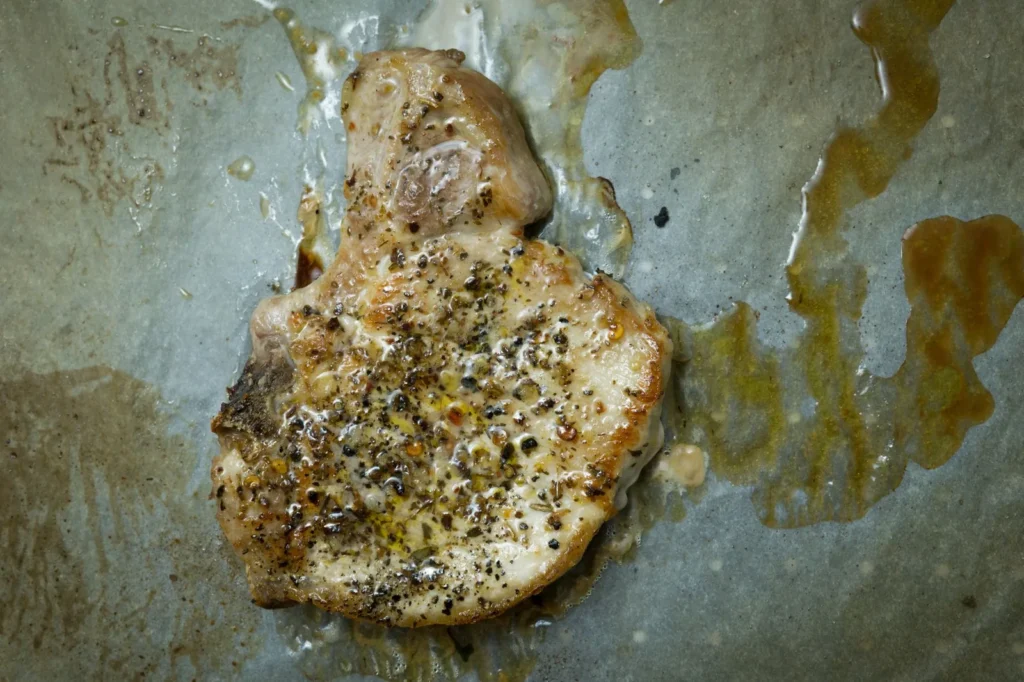
An oven baked pork tenderloin is one of the most reliable weeknight proteins you can put on the table, because the lean cut cooks fast and stays tender when you control the heat. This version uses a dry rub and a short rest so the center stays rosy and the edges pick up a savory crust. You get a complete main course with about ten minutes of hands-on work.
The method below is built for consistency rather than showiness. We sear the outside for color, then finish in a moderate oven so the meat reaches a safe internal temperature without drying out. If you have never roasted pork tenderloin before, this is a good entry point because the steps are hard to mess up. If you enjoyed this, our pork chops supreme is worth trying next. Making this oven baked pork tenderloin at home is surprisingly straightforward once you know the key steps.
Why You'll Love These Oven Baked Pork Tenderloin
- Ready in about 35 minutes from fridge to plate, including rest time.
- Uses common pantry spices instead of a marinade or special sauce.
- Lean protein with a mild flavor that pairs with most sides.
- One roasting pan means minimal cleanup after dinner.
- Easy to scale up by roasting two tenderloins side by side.
Ingredients You'll Need
- 2 pork tenderloins (about 1 pound each), silver skin removed
- 2 tablespoons olive oil
- 1 tablespoon brown sugar
- 2 teaspoons kosher salt
- 1 teaspoon smoked paprika
- 1 teaspoon garlic powder
- 1/2 teaspoon black pepper
- 1/2 teaspoon dried thyme
- 1/2 teaspoon onion powder
Ingredient Substitutions
Olive oil: Replace with an equal amount of avocado oil if you want a higher smoke point for the initial sear. Avocado oil stays stable at medium-high heat without turning bitter, which helps the surface brown evenly. The flavor difference is minimal, so the finished roast tastes nearly identical. The oven baked pork tenderloin works well for weeknight cooking when time is limited.
Brown sugar: Use an equal amount of coconut sugar for a slightly less sweet, more caramel-like note. Coconut sugar dissolves a bit slower, so rub it in thoroughly before searing to avoid speckled burning. The crust will be a touch darker but still forms a thin glaze. Storing leftover oven baked pork tenderloin correctly keeps it tasting good for days.
Smoked paprika: Swap with sweet paprika plus 1/4 teaspoon liquid smoke if you lack the smoked variety. The liquid smoke adds the campfire note that smoked paprika normally provides, but use it sparingly to avoid an artificial taste. Keep the same total paprika amount so the color stays warm red. For the best results with this oven baked pork tenderloin, read through all the steps before starting.
Dried thyme: Replace with an equal amount of dried rosemary, crushed fine, for a piney aroma. Rosemary is stronger than thyme, so chop it small so no one bites a tough needle. The roast reads more herbal and a little sharper on the palate. For another easy option, check out our baked feta olives.
Step-by-Step Instructions
- Heat your oven to 200°C / 400°F and set a rack in the center. Pat both tenderloins dry with paper towels so the rub sticks and the surface browns instead of steaming.
- Mix olive oil, brown sugar, kosher salt, smoked paprika, garlic powder, black pepper, dried thyme, and onion powder in a small bowl until it forms a loose paste. Coat the pork on all sides with your hands, pressing the mixture into the meat.
- Warm a heavy oven-safe skillet over medium-high heat for 2 minutes. Sear the tenderloins for 2 minutes per side until each surface looks golden and crispy, turning with tongs to keep the shape intact.
- Transfer the skillet to the oven and roast for 15–18 minutes, until the thickest part reaches 145°F on an instant-read thermometer. The center should feel firm but yield slightly when pressed.
- Remove the skillet and place the pork on a cutting board. Rest for 5 minutes so the juices redistribute, then slice into 1-inch rounds against the grain and serve.
Pro Tips
Remove the silver skin with a thin knife before seasoning, because that connective tissue shrinks and makes the meat curl as it cooks. A clean tenderloin holds the rub better and slices neatly.
Let the pork sit at room temperature for 15 minutes before searing so the center warms slightly and cooks more evenly. Cold meat from the fridge needs longer in the oven and risks an overcooked exterior.
Use an instant-read thermometer rather than guessing by time, since tenderloins vary in thickness from one package to the next. Pull the skillet at 145°F and the residual heat finishes the job during the rest.
For a deeper crust, set the skillet under the broiler for 1 minute after roasting, watching closely so the sugar does not scorch. This step adds surface crunch without extra oil.
Learn more about safe pork temperatures from Food Network if you want the official guidelines.
Common Mistakes to Avoid
Skipping the rest period causes the juices to run out when you slice, leaving dry medallions. Always rest the pork for at least five minutes on a warm board.
Overcooking past 150°F turns the lean meat chalky because it has little intramuscular fat to buffer the heat. Trust the thermometer and not a fixed clock time.
Crowding two tenderloins in a small pan steams them instead of searing, so use a 12-inch skillet or roast them on a sheet pan with space between. Airflow around the meat builds the crust.
Serving Suggestions
Slice the roast and fan it over twice baked potato for a comforting plate with contrasting textures. The creamy filling balances the savory pork crust.
Around the pork, add portobello mushrooms roasted in the same oven for an earthy side. They soak up the pan drippings if you place them nearby.
For a lighter meal, pair with artichoke hearts and a lemon wedge to cut the richness. The acid brightens each bite of the mild meat.
Storage and Reheating
Wrap leftovers in an airtight container and refrigerate for up to 3 days. Cooked pork should not sit at room temperature for more than 2 hours before chilling.
To reheat, place slices in a covered dish at 150°C / 300°F until the center hits 165°F, about 10 minutes. Microwaving works but dries the edges, so add a teaspoon of water and cover the dish.
The sliced roast freezes for up to 2 months in a freezer bag with the air pressed out. Thaw overnight in the fridge before reheating to keep the texture from going stringy.
Recipe Variations
Apple Glaze Version
Brush the tenderloins with 2 tablespoons apple butter during the last 5 minutes of roasting for a sweet fruit layer. The glaze caramelizes under heat and gives a soft sheen to each slice. Expect a milder spice note and a sticky finish.
Mustard Herb Crust
Spread 1 tablespoon Dijon mustard over the meat before adding the dry rub for a tangy base that helps the spices adhere. The mustard mellows in the oven and leaves a sharp background flavor. This version pairs well with roasted roots.
Spicy Rub Swap
Add 1/2 teaspoon cayenne to the spice mix and drop the brown sugar to keep heat forward. The pork develops a redder crust and a clean burn rather than sweetness. Serve with cooling spinach dip on the side.
Two-Tenderloin Batch
Roast two pounds at once on a sheet pan instead of a skillet, adding 3 minutes to the oven time. Use a pan with rims to catch any rendered liquid. This feeds four people with no change to the rub ratios.