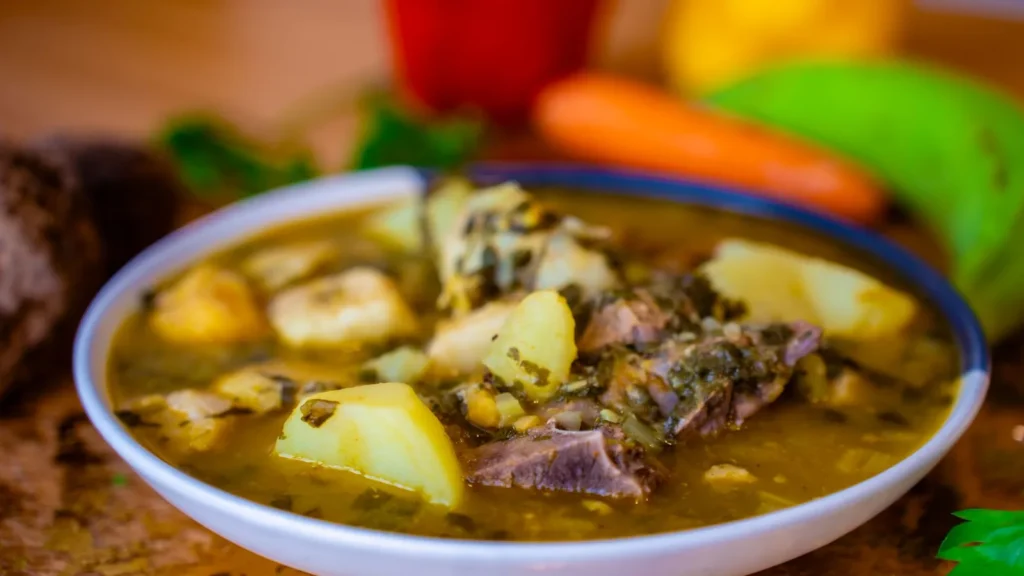
Old fashioned beef stew is the kind of one-pot dinner that turns a cheap cut of beef into something fork-tender through slow simmering. This version uses a simple flour dredge, a dark sear, and a long braise so the gravy thickens on its own without any packet mix. You get a full meal with protein, potatoes, and carrots in a single pot that needs little attention once it's on the stove.
The recipe below is built for repeat cooking. It scales up easily, freezes without breaking, and tastes better on day two once the flavors settle. If you like other ground beef and pork recipes, the same pantry staples here will feel familiar. Making this old fashioned beef stew at home is surprisingly straightforward once you know the key steps.
Why You'll Love These Old Fashioned Beef Stew
- Uses budget chuck roast that becomes tender after a low braise, not an expensive cut.
- One heavy pot handles browning, simmering, and serving with almost no cleanup.
- The gravy comes from flour, beef stock, and veg juices, so there's no canned soup.
- Leftovers hold up in the fridge for four days and freeze for three months.
- You control the salt and herbs, so it fits most family tables without fuss.
Ingredients You'll Need
- 2 lb beef chuck roast, cut into 1.5-inch cubes
- 3 tbsp all-purpose flour
- 2 tbsp olive oil
- 1 tsp salt
- 1/2 tsp black pepper
- 1 large yellow onion, diced
- 3 cloves garlic, minced
- 4 cups low-sodium beef stock
- 2 tbsp tomato paste
- 1 lb Yukon gold potatoes, quartered
- 3 large carrots, cut into 1-inch chunks
- 2 celery stalks, sliced
- 1 tsp dried thyme
- 2 bay leaves
- 1 cup frozen peas
Ingredient Substitutions
Beef chuck roast: Replace with an equal weight of beef brisket cut into cubes for a slightly stringier texture. Brisket has more connective tissue, so extend the simmer by 20 minutes to reach the same fork-tender result. The flavor stays beefy but the gravy turns a touch richer from extra rendered fat. The old fashioned beef stew works well for weeknight cooking when time is limited.
All-purpose flour: Use an equal weight of cornstarch mixed with 2 tbsp cold water added at the end if you need a gluten-free option. Cornstarch thickens faster and gives a glossier gravy, but it won't brown the meat the same way during searing. Skip the dredge step and simply coat the meat with a little oil before browning. Storing leftover old fashioned beef stew correctly keeps it tasting good for days.
Yukon gold potatoes: Swap for an equal weight of red potatoes with the skin on for a waxier bite. Red potatoes hold their shape better over a long simmer and won't fall apart like russets can. Expect a firmer texture and a slightly less creamy gravy body.
Low-sodium beef stock: Use an equal volume of homemade beef broth from recipes using canned beef if you have it, but cut added salt in half. Canned-based broth is often saltier and darker, so the stew will need less seasoning at the end. The color deepens but the method stays identical.
Step-by-Step Instructions
- Toss the beef cubes with flour, salt, and pepper in a bowl until each piece is lightly coated. Use medium-high heat and 2 tbsp olive oil in a heavy pot, browning the meat in batches so the pan stays uncrowded. Pull the cubes when they show a deep brown crust on two sides, about 4 minutes per batch.
- Lower the heat to medium-low heat and add the onion to the same pot with the rendered fat. Cook for 5 minutes until softened, then stir in garlic for 1 minute until it smells toasty but not burnt.
- Add tomato paste and stir for 1 minute to caramelize it slightly against the pan bottom. Pour in 1 cup of the beef stock and scrape the browned bits loose with a wooden spoon for a darker base.
- Return the beef and any juices to the pot with the remaining stock, thyme, and bay leaves. Bring to a gentle boil, then drop to low heat and cover with the lid slightly ajar. Simmer for 75 minutes until the meat yields when poked with a fork.
- Add potatoes, carrots, and celery to the pot and stir once. Keep at low heat for another 30 minutes until the carrots show a tender but not mushy snap when pierced.
- Stir in frozen peas and cook uncovered for 5 minutes to heat through. Remove bay leaves and taste for salt before serve immediately in shallow bowls.
Pro Tips
Dry the beef cubes with paper towels before dredging so the flour sticks and the sear actually browns instead of steaming. Wet meat throws off moisture and you'll get gray cubes rather than a crust that builds the gravy.
Brown in batches and never crowd the pan or the temperature drops and the meat boils. A crowded pot costs you the fond, those browned bits at the bottom that carry most of the savory depth.
Read technique guidance from braising fundamentals if you want to understand why low heat matters for collagen breakdown. Keeping the liquid at a bare shimmer protects the meat fibers from tightening.
Chill the stew uncovered for 20 minutes before refrigerating so condensation doesn't water down the gravy. Cold fat also rises and you can skim it for a cleaner mouthfeel the next day.
Common Mistakes to Avoid
Adding all the stock at once before searing leaves no room to build fond, so the stew tastes flat. Sear first, deglaze, then add the rest of the liquid for a layered base.
Rushing the simmer under 70 minutes leaves connective tissue chewy because collagen needs time to melt. If the beef still resists a fork, keep it on low heat rather than raising the flame.
Cutting potatoes too small makes them dissolve into the gravy by the end of cooking. Use 1.5-inch chunks so they stay distinct and give the bowl some body. If you enjoyed this, our old fashioned pumpkin is worth trying next.
Serving Suggestions
Ladle the stew over buttered egg noodles or a split biscuit for a fuller plate. The gravy soaks in and turns a side into part of the meal without extra work.
Pair with a sharp Manhattan cocktail if you want a retro dinner match, since the rye cuts the richness. A simple green salad on the side keeps the meal from feeling too heavy.
Finish with fresas con crema for a cool, sweet close that balances the warm bowl. The cream and strawberry contrast works after a savory braise.
Storage and Reheating
Cool the stew to room temperature within 2 hours and store it in an airtight container for up to 4 days. Reheat on the stove over medium-low heat until the internal temperature reaches 165°F for any beef pieces.
Freeze in flat zip bags for up to 3 months and thaw overnight in the fridge before reheating. The potatoes soften further after freezing but the gravy stays intact if you don't boil it hard.
Old fashioned beef stew actually improves after a night in the fridge because the thyme and bay settle into the stock. Just skim hardened fat from the top before warming.
Recipe Variations
Red Wine Version
Replace 1 cup of beef stock with a dry red wine added at the deglaze step. The alcohol cooks off in the simmer and leaves a darker, slightly tannic gravy that pairs well with the carrots. Expect a more restaurant-style depth without extra salt.
Guinness Version
Swap 2 cups of stock for a bottle of stout beer for a malty, almost chocolate-edged broth. The hops soften over the braise and the meat takes on a deeper color. Use beef and liver recipe techniques if you want to add organ meat for extra iron.
Root Veg Swap
Add 1 cup of cubed parsnip and 1 cup of turnip with the potatoes for a more old-school vegetable mix. These roots break down a little faster, so check them at 25 minutes instead of 30. The flavor turns earthier and less sweet than the carrot-heavy original.
Smoky Paprika Version
Stir 1 tbsp of smoked paprika with the tomato paste for a campfire note that reads through the gravy. Use beef birria recipe chili paste instead if you want more heat alongside the smoke. The stew stays the same texture but gains a warm red color.