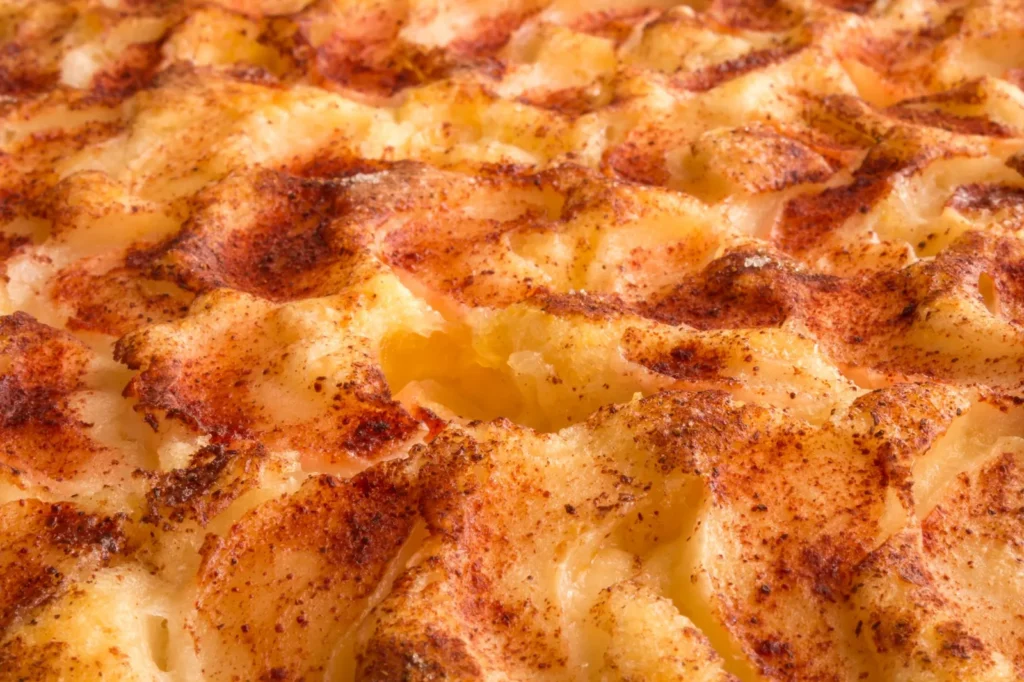
A mashed potatoes recipe creamy with butter is the side dish that fixes a plain dinner. You get a smooth, scoopable texture from starchy potatoes and enough dairy fat to keep the mash from turning gluey. This version uses a specific boiling method and a warm-butter finish so the result stays light instead of heavy.
The approach here cuts down on the usual problems: lumps, a pasty mouthfeel, and a dull flavor. You'll learn why potato type matters, how much butter is enough, and the right moment to stop stirring. A good mash should hold a soft peak on the spoon and taste like the potato first, then the butter. Making this mashed potatoes recipe creamy with butter at home is surprisingly straightforward once you know the key steps.
Why You'll Love These Mashed Potatoes Recipe Creamy With Butter
- Uses one pot and a masher, so cleanup stays short.
- Russet potatoes give a dry, fluffy base that absorbs butter well.
- Warm butter mixes in smoothly instead of seizing the starch.
- Salting the boil water seasons the potato from the inside.
- Works as a base for stewed potatoes leftovers the next day.
Ingredients You'll Need
- 2 pounds russet potatoes, peeled and cut into 1-inch chunks
- 6 tablespoons unsalted butter, cut into cubes
- 3/4 cup whole milk, warmed
- 1 tablespoon fine salt (for the boil water)
- 1/2 teaspoon salt (for finishing)
- 2 tablespoons sour cream
- 1/8 teaspoon white pepper
Ingredient Substitutions
Unsalted butter: Replace with an equal amount of salted butter if that's what you have. Cut the finishing salt to 1/4 teaspoon so the mash doesn't taste sharp. Salted butter also browns faster if you warm it, so keep the heat low when melting. The mashed potatoes recipe creamy with butter works well for weeknight cooking when time is limited.
Whole milk: Use half-and-half in the same 3/4 cup measure for a richer pour. The mash will hold its shape longer and feel heavier on the tongue. You may need 1 tablespoon less because half-and-half is thicker. Storing leftover mashed potatoes recipe creamy with butter correctly keeps it tasting good for days.
Sour cream: Swap for plain Greek yogurt at a 1:1 ratio. The tang is brighter and the mash tightens slightly, so stir while the potatoes are still hot. Avoid fat-free yogurt, which thins the texture and adds a chalky note. For the best results with this mashed potatoes recipe creamy with butter, read through all the steps before starting.
Russet potatoes: Use Yukon Gold at the same weight for a naturally buttery, less fluffy result. Yukon skins are thin, so you can leave them on for speckled color. The mash will be denser and need 2 fewer minutes of boiling.
Step-by-Step Instructions
- Place the peeled potato chunks in a 4-quart pot and cover with cold water by 2 inches. Add 1 tablespoon fine salt. Bring to a boil over medium-high heat, then lower to medium-low heat and simmer 15 to 18 minutes until a fork slides through with no resistance.
- Drain the potatoes in a colander and let them sit 2 minutes so surface steam escapes. Return them to the dry pot off the heat and shake once to dry further.
- Mash with a hand masher until no whole pieces remain, about 40 seconds. Stop before the starch turns stringy; a few small bits are fine.
- Warm the milk and cubed butter together in a small pan over low heat until the butter melts and the mix reads 110°F on a finger touch, 3 minutes. Do not let it bubble.
- Pour the warm milk-butter into the potatoes and fold with a spatula for 30 seconds until the liquid disappears. Add sour cream, 1/2 teaspoon salt, and white pepper, then fold 20 seconds more.
- Transfer to a warmed bowl and serve immediately for the softest texture. If holding, cover with foil and keep under 140°F for no more than 30 minutes.
Pro Tips
Start the potatoes in cold water so the centers cook at the same rate as the edges. Dropping them into boiling water leaves a raw core and an oversoft outside.
Warm the dairy before adding it. Cold milk stiffens the starch and you'll overwork the mash trying to smooth it, which makes it gummy.
Use a potato ricer if you want a restaurant-style finish. A ricer breaks the cells without spinning the starch, giving a roasted garlic mashed potatoes level of smoothness without a stand mixer.
For deeper flavor, brown 2 tablespoons of the butter in a pan until nutty before adding the rest. This technique is well covered by butter cooking guides that show how milk solids toast without burning.
Common Mistakes to Avoid
Using a hand mixer on high whips air in and shreds starch into a wallpaper-paste texture. A masher or ricer keeps the structure intact and the mouthfeel soft.
Skipping the drain-and-dry step leaves water pooled in the pot, so the mash tastes diluted and needs extra butter to recover. Let the colander do its work for a full 2 minutes.
Adding butter straight from the fridge means it clumps and never fully coats the potato. Cube it and warm it with the milk so it sheets over every particle.
Serving Suggestions
Spoon the mash next to baked salmon for a contrast of crisp skin and soft interior. The butter in both ties the plate together without a separate sauce.
For a holiday spread, top with a spoon of creamed peas to add sweetness and color. Keep the portions small so the mash stays the star.
Leftover mash also works as a base under garlic shrimp where the pan juices soak in. Use a wide shallow bowl so the liquid doesn't pool.
Storage and Reheating
Pack cooled mash in an airtight container and refrigerate for up to 4 days. Dairy-based mash shouldn't sit out longer than 2 hours before chilling.
To reheat, add 1 tablespoon milk per cup and warm in a covered pan over low heat, stirring every 2 minutes until steaming at 165°F inside. Freezing works for up to 2 months; thaw overnight before reheating.
Yes, this mash freezes well for up to 2 months if you skip the sour cream until after thawing. Add it fresh on reheating to keep the texture from splitting.
Recipe Variations
Roasted Garlic Version
Roast 1 whole garlic head at 200°C for 35 minutes, squeeze out the cloves, and mash them with the butter. The flavor turns sweet and mellow, and the color shifts to pale cream. This pairs well with creamy lemon pasta on a mixed plate.
Herb Finish
Stir 2 tablespoons chopped chives and 1 tablespoon parsley into the finished mash. The herbs add a fresh bite that cuts the butter weight. Use them only at the end so the green stays bright.
Cheese Fold
Add 1/3 cup grated Parmesan with the sour cream for a savory edge. The mash firms as it cools, so serve immediately or loosen with extra milk. It works as a side for truffle pasta night.