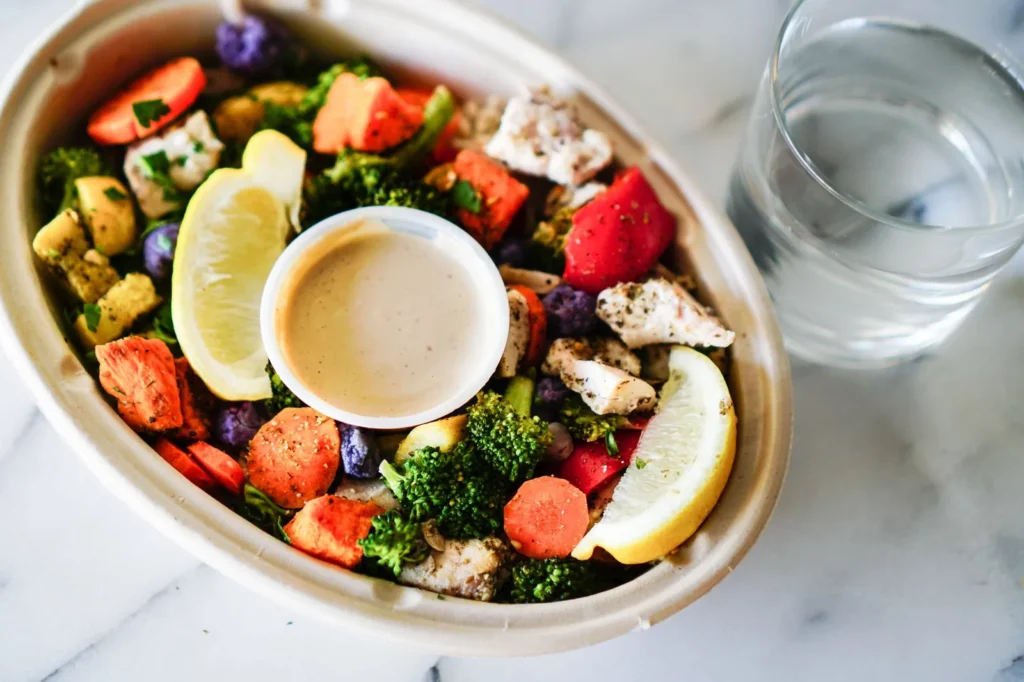
A good lemon pepper vinaigrette recipe gives you a sharp, citrus-forward dressing that cuts through rich foods without turning milky or heavy. It relies on fresh lemon juice, cracked pepper, and a slow emulsion so the oil stays suspended instead of pooling at the bottom of the bowl. You get a condiment that works on leafy greens, grilled fish, and roasted vegetables with almost no effort.
The version below is built for repeat use. It holds its texture for a week in the fridge and takes about five minutes to whisk together. Once you see how little equipment it needs, you'll stop buying bottled lemon dressings that taste like cleaning solution. If you enjoyed this, our no bake lemon is worth trying next. Making this lemon pepper vinaigrette at home is surprisingly straightforward once you know the key steps.
Why You'll Love This Lemon Pepper Vinaigrette
- Uses pantry oil and fresh lemon so there's no special shopping trip required.
- Stays emulsified longer than a quick shake because the mustard binds the oil and acid.
- Reads clean on the palate — no sugar, no dairy, no cloudy thickeners.
- Scales easily; double the batch and store it for weekday lunches.
Ingredients You'll Need
- 1/3 cup extra-virgin olive oil — gives body and a fruity base note
- 3 tablespoons fresh lemon juice — about 1 large lemon, strained
- 1 teaspoon lemon zest — adds aromatic oils the juice lacks
- 1 teaspoon cracked black pepper — coarsely ground, not fine dust
- 1 teaspoon Dijon mustard — the emulsifier that keeps the mix stable
- 1/2 teaspoon fine salt — adjust after tasting the acid
- 1/2 teaspoon honey — rounds the edge without making it sweet
Ingredient Substitutions
Extra-virgin olive oil: Replace with an equal volume of avocado oil if you want a more neutral taste. Avocado oil has a higher smoke point and less bitterness, so the lemon reads brighter but the dressing loses some grassy depth. The emulsion behaves the same because the fat content is nearly identical. The lemon pepper vinaigrette works well for weeknight cooking when time is limited.
Dijon mustard: Use 1 teaspoon of whole-grain mustard for a chunkier texture and a milder bind. Whole-grain varieties hold the oil but leave visible specks, so the vinaigrette looks rustic rather than smooth. You may need to whisk 30 seconds longer to reach the same temporary stability. Storing leftover lemon pepper vinaigrette correctly keeps it tasting good for days.
Honey: Swap with 1/2 teaspoon maple syrup for a vegan-friendly sweetener with a darker note. Maple shifts the color slightly amber and adds a woodsy hint that pairs well with roasted squash. Skip it entirely if you want a stricter savory profile with no sweet counterweight. For the best results with this lemon pepper vinaigrette, read through all the steps before starting.
Fresh lemon juice: Bottled lemon juice can stand in at 3 tablespoons but expect a flatter, more metallic acid. Bottled versions lose volatile oils during processing, so add an extra 1/2 teaspoon of zest to compensate. The dressing will still bind, though the top note feels less alive.
Step-by-Step Instructions
- Add 3 tablespoons fresh lemon juice, 1 teaspoon lemon zest, 1 teaspoon cracked black pepper, 1 teaspoon Dijon mustard, 1/2 teaspoon fine salt, and 1/2 teaspoon honey to a small bowl. Whisk on medium-low heat is not needed — work at room temperature until the salt dissolves and the mix looks uniformly thin.
- Pour in 1/3 cup extra-virgin olive oil in a slow thread while whisking constantly. Keep the whisk moving in one direction so the mustard can trap the droplets; stop when the liquid turns cloudy and coats the bowl sides.
- Taste from a clean spoon and adjust salt or pepper by a pinch. The finished vinaigrette should feel sharp first, then peppery, with oil softening the finish over 5 minutes of resting.
- Transfer to a sealed jar and refrigerate. Before each use, shake for 10 seconds because the pepper settles and the oil thickens when cold.
Pro Tips
Zest the lemon before juicing; a naked half-lemon is far harder to grip and you'll scrape pith that turns the dressing bitter. Use a microplane so the zest stays fine and disperses instead of clumping.
Crack pepper fresh from a mill rather than pre-ground. The volatile oils in whole peppercorns survive only minutes after grinding, and that aroma is what makes this vinaigrette technique taste alive rather than dusty.
Rest the mixed vinaigrette for 5 minutes before serving so the salt fully dissolves and the pepper hydrates. Skipping this step leaves gritty spots and a harsher bite on raw greens.
Make a double batch and store it in a glass jar; the olive oil won't pick up plastic taste the way it does from a food-safe tub over a week. A baked salmon night is an easy way to use the extra.
Common Mistakes to Avoid
Adding oil too fast breaks the emulsion and you end up with a separated puddle. Pour in a thin stream and whisk without pausing; if it splits, whisk in 1 teaspoon water to pull it back.
Using fine black pepper instead of cracked makes the heat uniform and flat. Coarse cracks give little bursts of spice that read as intentional rather than background noise.
Salting before tasting the acid leads to an over-seasoned batch because lemon varies by fruit. Always taste after the oil goes in, when the full flavor profile is visible.
Storing in a warm pantry encourages the oil to go rancid within days. Keep it chilled and use within the week for a clean shrimp pasta toss later.
Serving Suggestions
Drizzle over torn romaine with shaved parmesan for a quick lunch salad that needs no other topping. The acid lifts the cheese without wilting the leaves if you dress right before eating.
Spoon it onto creamy lemon pasta as a finishing contrast; the vinaigrette cuts the sauce's weight with a bright top note. Use about a tablespoon per plate so it accents rather than competes.
Brush on grilled chicken thighs during the last minute of cooking for a glossy, tangy skin. The sugar-free mix won't scorch the way a sweet glaze would over medium-high heat.
Storage and Reheating
Keep the vinaigrette in a sealed container in the refrigerator for up to 7 days. Olive oil solidifies when cold, so the texture looks broken even though it's fine.
Do not leave it on the counter for more than 2 hours total, since the fresh lemon juice invites yeast growth once warmed. Label the jar with the make date to track freshness.
No reheating is needed; stand the jar in warm water for 2 minutes and shake. For a lemon blueberry bread side, skip warming and use it cold as a dip.
Recipe Variations
Garlic Version
Add 1 small grated garlic clove with the mustard in step one. The raw garlic mellows over the rest period and gives a savory backbone that pairs with shrimp tapas. Expect a sharper nose and a longer finish on the palate.
Herb Version
Stir in 1 tablespoon minced flat-leaf parsley after emulsifying. The herbs suspend in the oil and add a green note that suits potato salad. Use within 4 days because the leaves darken as they sit.
Spicy Version
Add 1/4 teaspoon crushed red pepper with the black pepper. The heat builds after the lemon fades, so it reads as warmth rather than burn. This version is strong on roasted cauliflower straight from the oven.