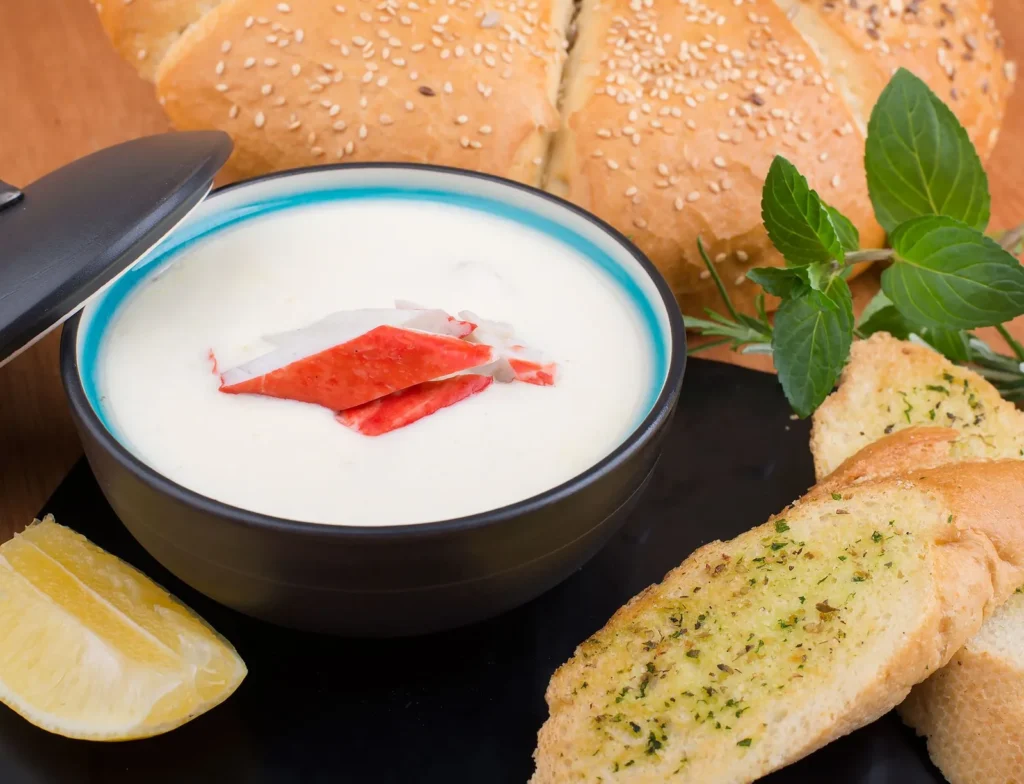
A good lemon garlic sauce recipe gives you a bright, buttery pan sauce in about 15 minutes with pantry staples. It's built from gently cooked garlic, fresh lemon juice, and butter emulsified into a silky finish. You get a versatile condiment that lifts plain proteins and vegetables without masking their flavor.
This version is intentionally simple so the lemon stays sharp and the garlic stays sweet rather than burnt. You control the thickness by how long you reduce the liquid and how much butter you whisk in. Once you make it once, you'll see why it works on everything from roasted fish to steamed greens. Making this lemon garlic sauce at home is surprisingly straightforward once you know the key steps.
Why You'll Love These Lemon Garlic Sauce
- Ready in 15 minutes with six common ingredients
- Balanced tartness that doesn't turn bitter
- Works on seafood, chicken, vegetables, and pasta
- Freezes in small portions for later use
Ingredients You'll Need
- 4 cloves garlic, minced fine
- 3 tbsp unsalted butter
- 2 tbsp extra-virgin olive oil
- 1/3 cup fresh lemon juice (about 2 lemons)
- 1/2 cup low-sodium chicken broth
- 1/4 tsp fine salt, plus more to finish
- 1 tbsp chopped fresh parsley
The fine mince on the garlic helps it cook evenly and release sweetness without chunks. Low-sodium broth keeps the salt level manageable since the lemon already sharpens the taste. The lemon garlic sauce works well for weeknight cooking when time is limited.
Ingredient Substitutions
Unsalted butter: Replace with an equal amount of olive oil for a dairy-free version. You lose the silky emulsified body that butter gives, so the sauce will be thinner and more oily on the tongue. Cook the garlic a little slower since oil alone browns garlic faster than a butter-oil mix. Storing leftover lemon garlic sauce correctly keeps it tasting good for days.
Chicken broth: Use vegetable broth in the same amount for a vegetarian pan sauce. The flavor will be lighter and slightly sweeter, so add a small squeeze of extra lemon if it tastes flat. No change to cook time is needed. For the best results with this lemon garlic sauce, read through all the steps before starting.
Fresh lemon juice: Swap for 3 tbsp bottled lemon juice if fresh isn't available. Bottled juice is more consistent in acidity but lacks the floral top notes of fresh, so add 1 tsp of lemon zest if you have it. The sauce will taste slightly sharper and less rounded.
Fresh parsley: Replace with 1 tsp dried parsley or 1 tbsp chives. Dried parsley gives less color and a faint dusty note, while chives add a mild onion brightness. Stir either in at the end so the herbs don't dull from heat.
Step-by-Step Instructions
- Place a 10-inch skillet on medium-low heat and add the olive oil and 1 tbsp of the butter. When the butter melts, add the minced garlic and cook 2 minutes until it smells sweet and looks pale gold, not brown.
- Pour in the chicken broth and lemon juice, raise heat to medium heat, and simmer 5 minutes until the liquid reduces by about a third and thickens slightly.
- Cut the remaining 2 tbsp butter into small pieces and whisk them in one at a time off the heat so the sauce turns glossy and emulsified. The texture should coat a spoon without separating.
- Stir in the salt and parsley, taste, and add a pinch more salt if needed. Serve immediately over your protein or vegetables while warm.
Pro Tips
Keep the garlic at medium-low heat so it softens instead of frying, which prevents the harsh bite burnt garlic gives a lemon sauce. For a fuller body, reduce the broth a minute longer before adding butter, but watch that it doesn't turn sticky.
When you whisk in butter, take the pan off the burner so the fat emulsifies instead of breaking into an oily layer. A study of sauce technique from emulsified sauces shows heat control is what keeps the texture stable.
If the sauce tastes too sharp, add another 1/2 tbsp butter rather than sugar, which would flatten the citrus note. Zest one lemon before juicing and add a pinch at the end for a fresher top aroma.
Make a double batch and freeze half in an ice cube tray; pop out portions to melt over baked salmon later in the week. Label the container with the date so you use it within three months.
Common Mistakes to Avoid
Adding butter over high heat makes the sauce split into grease and liquid, so always lower or remove the pan first. A broken sauce can be saved by whisking in a teaspoon of cold water, but prevention is easier.
Using bottled lemon juice without checking acidity often makes the sauce taste flat or metallic; fresh juice gives the clean bite this sauce needs. If you must use bottled, cut the amount by one tablespoon and taste before adding salt.
Over-reducing the broth turns the sauce gluey and salty once the butter goes in, so stop when it coats a spoon lightly. Pull the pan when it looks like thin cream, not syrup.
Serving Suggestions
Spoon the warm sauce over shrimp pasta right before serving so the noodles catch the glossy coating. It also works as a finishing drizzle on roasted broccoli or green beans.
For a simple dinner, pour it on garlic parmesan salmon and serve with rice. The acid cuts through the richness of the cheese and fish.
Yes, this sauce pairs well with grilled chicken breasts rested 5 minutes before slicing. The carryover heat warms the sauce without cooking it further.
Storage and Reheating
Cool the sauce to room temperature within 2 hours and store it in an airtight container in the fridge for up to 4 days. Reheat gently on low heat while whisking so it doesn't break.
You can freeze it for up to 3 months in small portions; thaw overnight in the fridge before warming. If the texture looks separated after freezing, whisk in a few drops of warm water off the heat.
Leftover sauce also works as a dip for garlic knots when reheated to a warm, pourable state. Keep it below a simmer to protect the emulsion.
Recipe Variations
White Wine Version
Replace the chicken broth with 1/2 cup dry white wine and reduce 7 minutes to cook off alcohol. The sauce gains a fruity depth that suits halibut and scallops. Expect a lighter color and a more aromatic finish.
Spicy Lemon Garlic
Add 1/2 tsp red pepper flakes with the garlic for a gentle heat that contrasts the citrus. Keep the flakes moving so they toast without burning, about 30 seconds. The result is a sauce that wakes up plain steamed vegetables.
Caper And Herb
Stir in 1 tbsp drained capers with the parsley for a salty, briny pop similar to a piccata base. The capers soften in the warm sauce and add texture without extra liquid. This version is strong with creamy lemon pasta.
Vegan Lemon Garlic
Use olive oil only and skip the butter, then blend 2 tbsp soaked cashews with the broth before adding for body. The sauce turns creamier and nuttier while staying plant-based. Cook time stays the same, but shake the blender well to avoid graininess.