
History of the Delicious French Toast Recipe
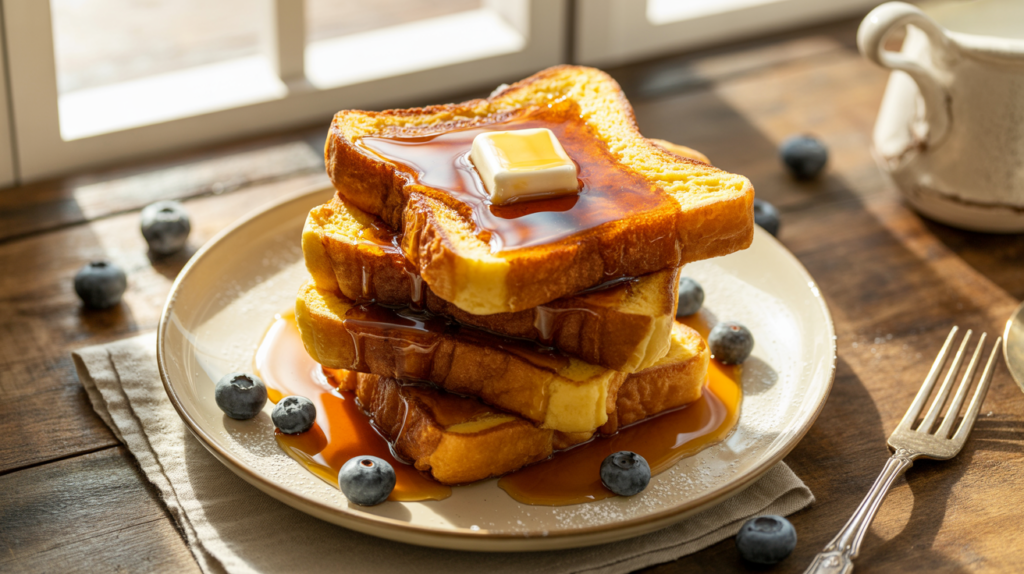
French Toast is one of those timeless dishes that evokes instant feelings of comfort and weekend mornings. Despite its name, its origins are far more widespread and ancient than France alone.
The concept of soaking stale bread in a liquid—often milk or wine—and frying it dates back to the Roman Empire. It was originally a resourceful way to use up old bread, making it soft, palatable, and incredibly satisfying.
Various cultures have their own version, from Spain’s Torrijas to England’s Poor Knights of Windsor. However, the modern, sweet, custardy slice we know as French Toast gained its enduring popularity in the United States and Canada.


Learning how to make French Toast is about transforming simple, everyday ingredients into something truly extraordinary. It’s a quick cooking method that turns a stale piece of bread into a soft, rich dessert-like treat with a beautifully golden crust.
Best Ingredients for the Ultimate French Toast
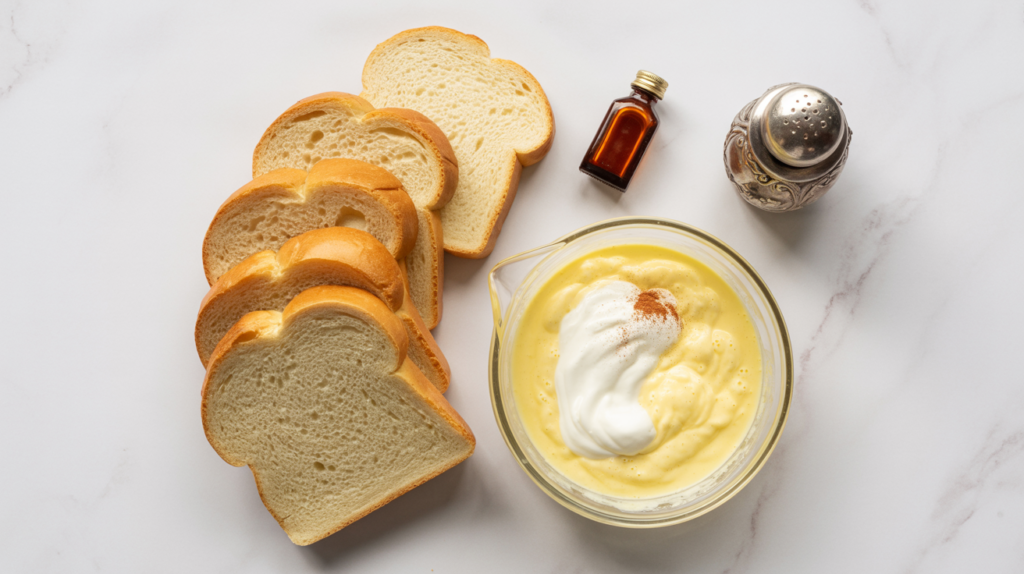
The secret to a truly great French Toast lies not just in the cooking, but in the selection of a few, key components that contribute to its custardy interior and crispy exterior.
The bread is the most crucial choice. Avoid standard sliced white bread. Instead, opt for something sturdy and thick-cut, like Brioche, Challah, or Texas Toast. These loaves have the structure to hold up to the soaking without becoming mushy.
For the custard base, use a mix of eggs and a rich dairy element, ideally half-and-half or whole milk. The fat content in the dairy is essential for achieving a velvety richness and ensuring the interior stays tender and moist.
A generous splash of pure vanilla extract and a touch of cinnamon or nutmeg are mandatory for that comforting, warm flavor profile that defines the classic French Toast.
Finally, always use real butter for cooking. It provides superior flavor and helps develop that beautiful, deep golden-brown crust that is so visually appealing.
Taste & Texture Highlights
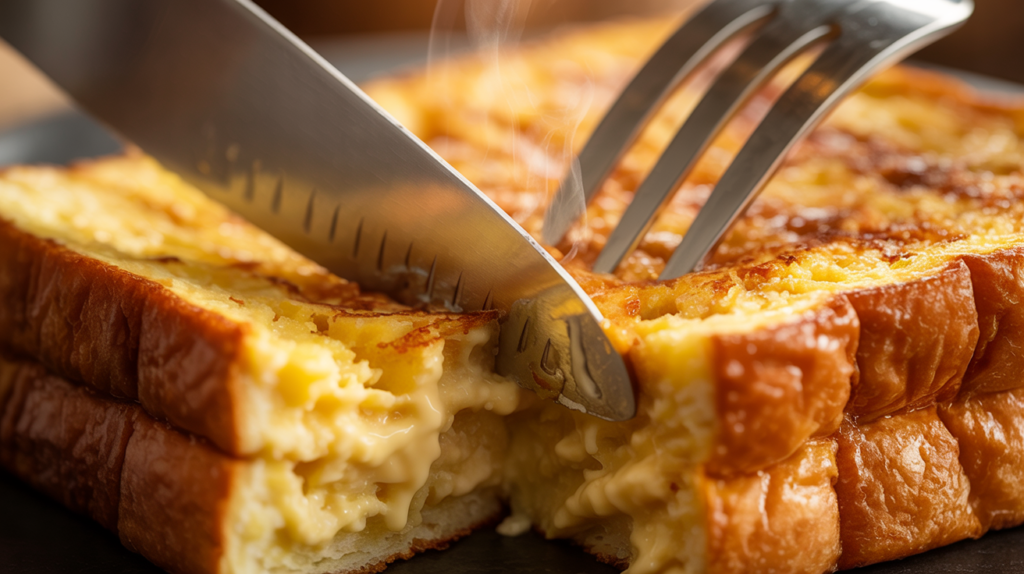
A perfectly executed batch of French Toast offers a dynamic contrast that makes it one of the most beloved breakfasts. It’s a true celebration of texture and warm flavor.
The flavor is wonderfully sweet and comforting. It’s a harmonious blend of eggy, rich custard, the warm spice of cinnamon, and the slight bready tang, perfectly balanced by the sweetness of any syrup or toppings.
The texture must be a tale of two halves. The exterior should be golden-brown and slightly crispy, offering a gentle resistance when cut. The interior, however, must be soft, plush, and custardy—never dry, and definitely not soggy or raw.
This beautiful textural pairing makes the delicious French Toast a deeply satisfying meal. The aroma alone—of vanilla, cinnamon, and sizzling butter—is enough to make anyone hungry.
Flavor Combinations That Work
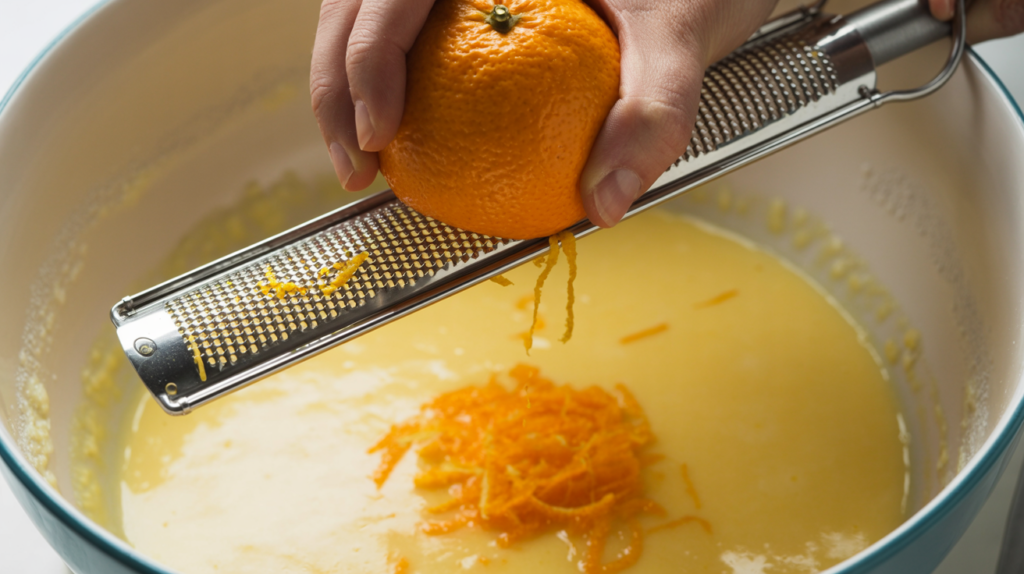
The simple, classic French Toast Recipe is a blank canvas, ready to take on a wide range of flavor additions, transforming it into anything from a simple snack to a decadent dessert.
- Citrus Zest: Adding the zest of an orange or lemon to the egg custard introduces a beautiful, bright fragrance and a subtle, refreshing note that cuts through the richness.
- Nutty Crunch: Finely chopped nuts, like pecans or walnuts, can be pressed into the soaked bread before cooking, adding an important crunchy texture to the exterior.
- Coconut Tropical: Using coconut milk in the custard base and topping the finished toast with toasted coconut flakes and pineapple adds a fun, tropical twist.
- Savory Upgrade: Swap the cinnamon for savory spices like thyme and garlic powder, and skip the sugar. This turns the French Toast into a savory base for poached eggs or smoked salmon.
These creative options ensure that the Homemade French Toast remains a versatile and exciting recipe for any time of the week.
Health Benefits of French Toast
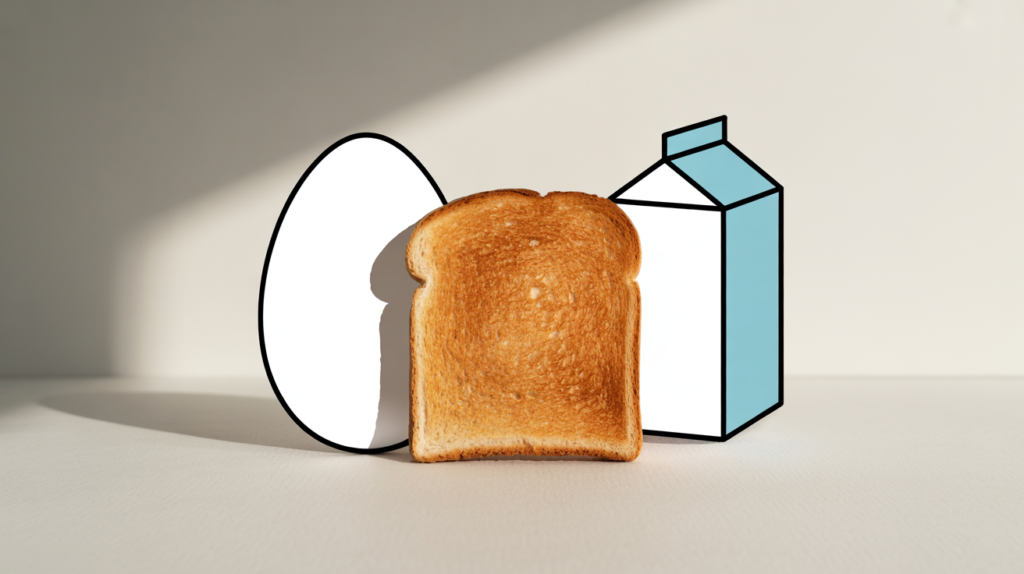
When made with attention to ingredients, the French Toast Recipe provides a surprising amount of nutritional benefit, making it a great source of energy and protein.
The primary benefit comes from the eggs and dairy in the custard. Eggs are a powerhouse of high-quality protein and essential nutrients like choline and Vitamin D. The milk provides calcium for bone health.
The bread, especially if you opt for whole-grain or enriched types like Brioche, offers a solid source of complex carbohydrates, providing the necessary energy for a power-packed breakfast.
Adding toppings like fresh berries or a side of yogurt can further enhance the nutritional profile by providing dietary fiber and extra antioxidants, rounding out this nutritious meal.
Nutrition Facts & Calories
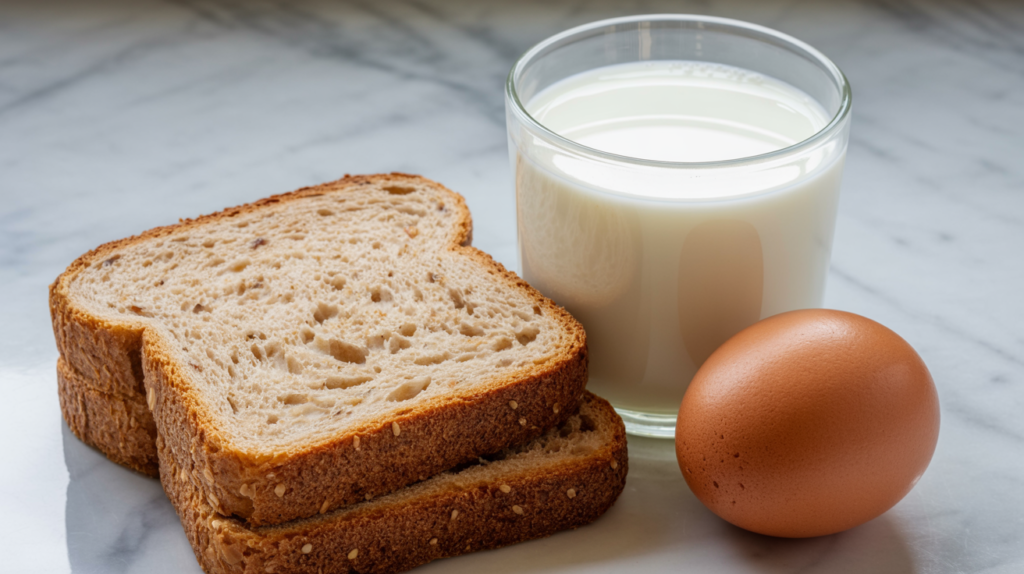
The nutritional breakdown of French Toast is highly variable, depending heavily on the type of bread and the amount of fat used for cooking.
It is primarily composed of a balanced mix of carbohydrates (from the bread), protein (from the eggs and dairy), and fats (from the milk and butter). This macro balance contributes to its satisfying quality.
In terms of micronutrients, it is a good source of Calcium, Vitamin D, and B Vitamins from the enriched flour and dairy. The protein content helps keep you full.
The calorie count for two slices typically ranges from 300 to 500 calories before factoring in heavy syrups or toppings. This positions it as an energy-dense, hearty meal suitable for breakfast or brunch.
Quick Tips for Making the Best French Toast
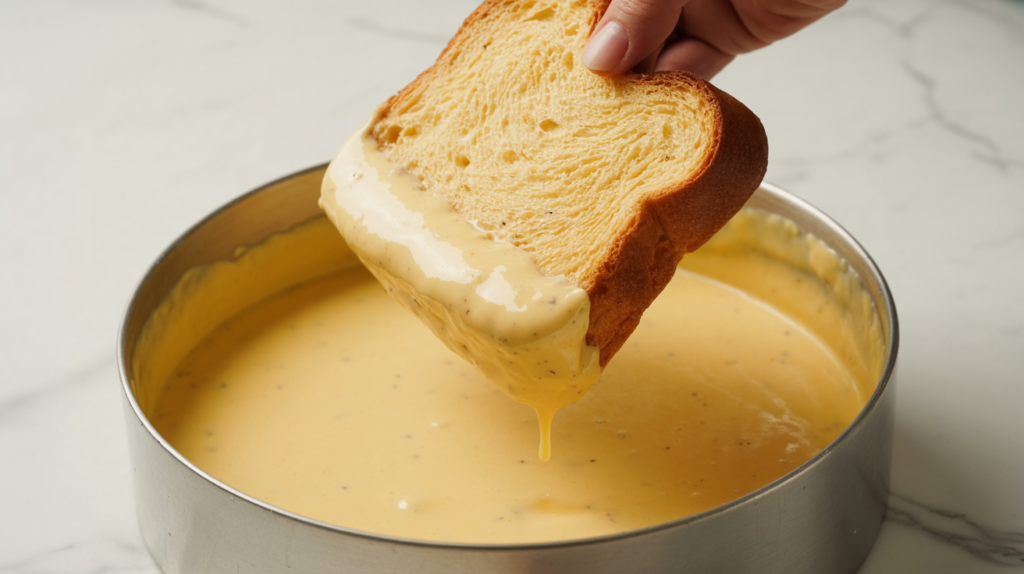
To achieve the kind of golden-brown perfection found in the best cafes, focus on these quick tips that transform soggy slices into custardy greatness.
The secret is stale bread. Using bread that is a day or two old prevents the slices from immediately disintegrating when they hit the custard. If you only have fresh bread, toast it lightly in the oven for a few minutes before soaking.
Soak correctly. The goal is an even, deep soak without full saturation. Dip the thick slices long enough for the custard to penetrate the center, but not so long that the bread becomes flimsy.
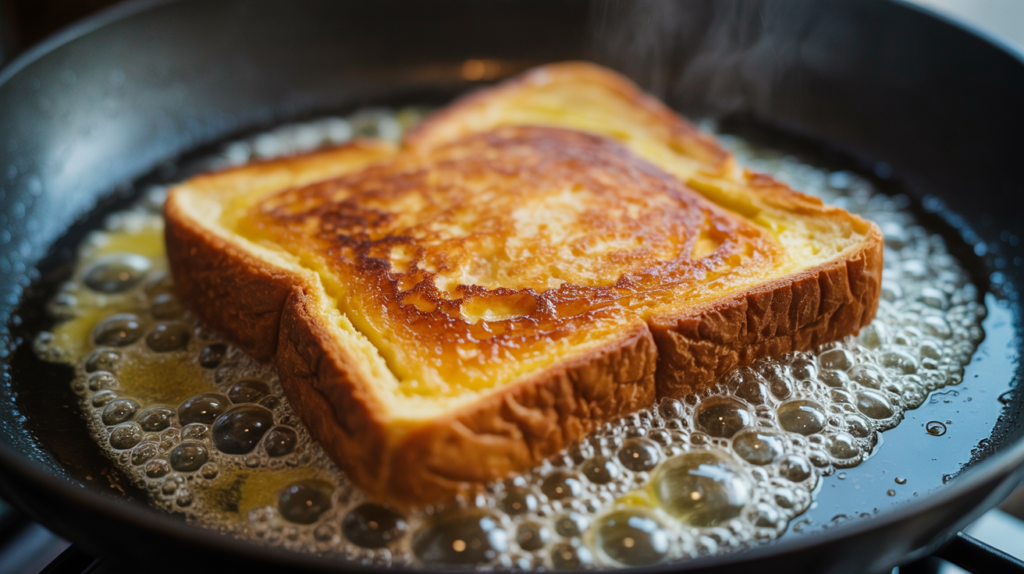
Do not rush the cooking. Cook the French Toast over medium, consistent heat. This allows the heat to fully penetrate the center and cook the custardy interior through before the exterior burns.
Serving Suggestions
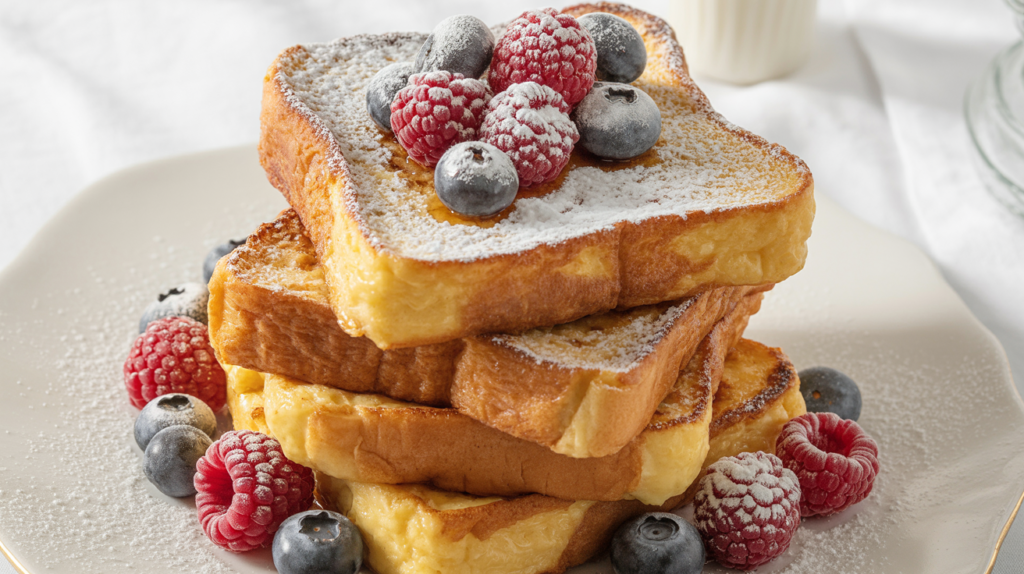
Serving French Toast beautifully enhances the enjoyment of this comforting classic. Presentation should focus on height, color, and texture.
Stack the slices neatly, slightly overlapping them, to show off the golden crust and create an appealing height on the plate.
Always include a colorful component. A scattering of fresh raspberries, sliced strawberries, or blueberries adds a pop of color and necessary fresh acidity.
Serve the syrup warm and in a small pitcher on the side, allowing guests to drizzle it themselves. Powdered sugar sifted over the top is the non-negotiable final touch.
Perfect Pairings / Meal Ideas
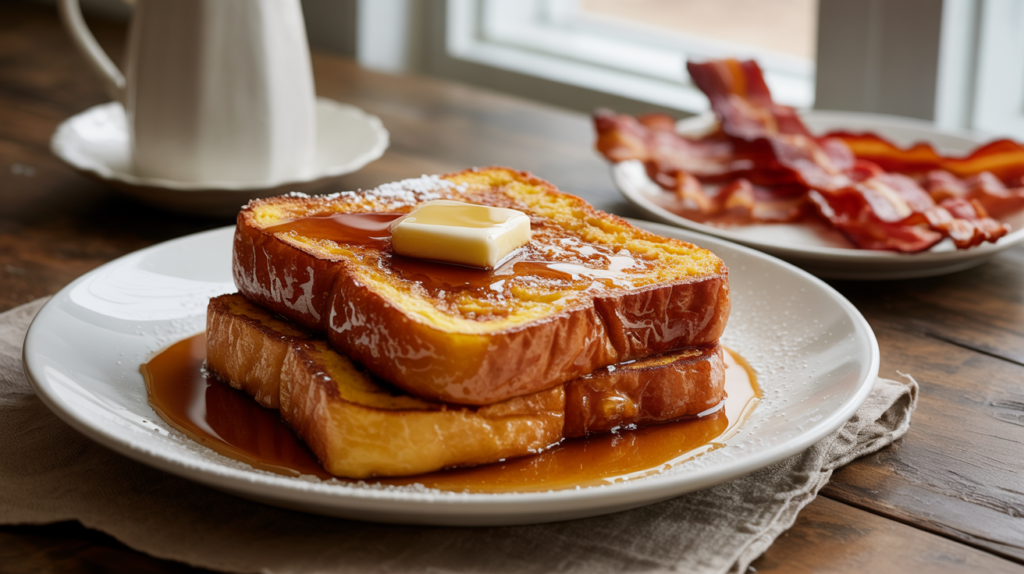
The sweetness of the French Toast makes it an ideal counterpart to savory, salty side dishes, creating a traditional and well-rounded breakfast spread.
The most classic pairing is a side of crispy bacon, sausage links, or ham. The salty, savory protein cuts the sweetness of the syrup beautifully.
A simple side of scrambled eggs or a light frittata ensures you start your day with plenty of balanced protein alongside your sweet, custardy slices.
While French Toast is a weekend brunch star, sometimes you crave a completely different kind of rich, comforting meal later in the day. For an incredibly decadent and satisfying dish, you might want to try our Best Fettuccine Alfredo recipe. It delivers a similar level of creamy indulgence.
Presentation Tips
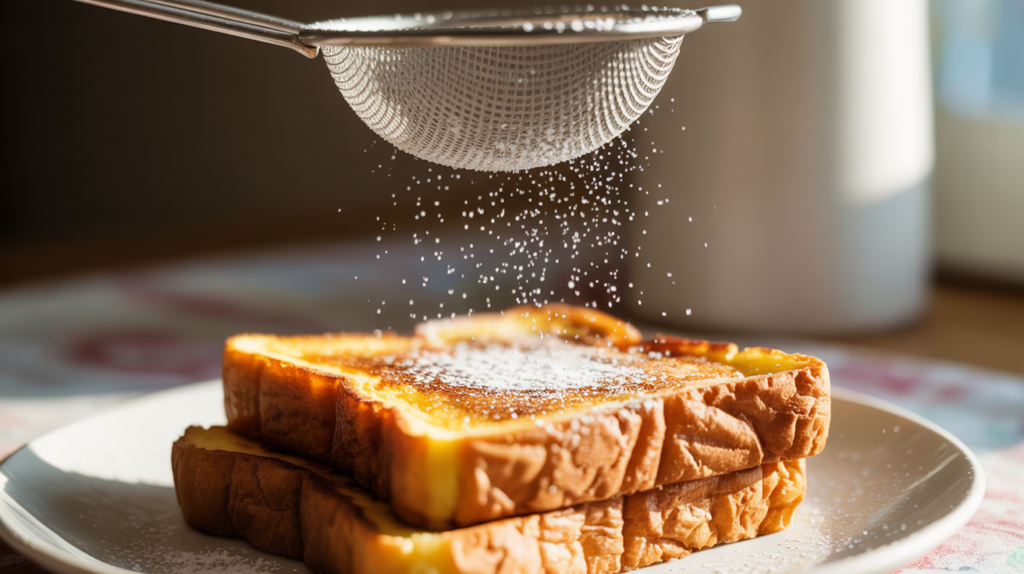
Making your Homemade French Toast look magazine-worthy is easy with these visual tips.
Use a simple, white plate. This allows the golden-brown crust and the colorful fruit toppings to stand out dramatically.
When dusting with powdered sugar, use a fine-mesh sieve and hold it high above the plate. This creates a beautiful, even dusting like fresh snow.
For an extra touch of indulgence, melt a small piece of butter and drizzle it over the top stack right before serving, ensuring a beautiful sheen and a rich flavorPro Tips & Fun Facts
- The Ultimate Custard: For extra rich and flavorful custard, swap a quarter of the milk for plain Greek yogurt or a couple of tablespoons of melted vanilla ice cream.
- Make Ahead: You can prepare the egg custard mixture the night before. Storing it in the fridge allows the flavors to deepen, giving you a super-fast morning prep.
- Butter and Oil Mix: Cook your French Toast using a mix of half butter and half neutral oil (like canola). The oil prevents the butter from burning too quickly, allowing you to achieve a perfect, even golden crust.
Pro Tips & Fun Facts
- The Ultimate Custard: For extra rich and flavorful custard, swap a quarter of the milk for plain Greek yogurt or a couple of tablespoons of melted vanilla ice cream.
- Make Ahead: You can prepare the egg custard mixture the night before. Storing it in the fridge allows the flavors to deepen, giving you a super-fast morning prep.
- Butter and Oil Mix: Cook your French Toast using a mix of half butter and half neutral oil (like canola). The oil prevents the butter from burning too quickly, allowing you to achieve a perfect, even golden crust.
Why You Should Try the French Toast Recipe
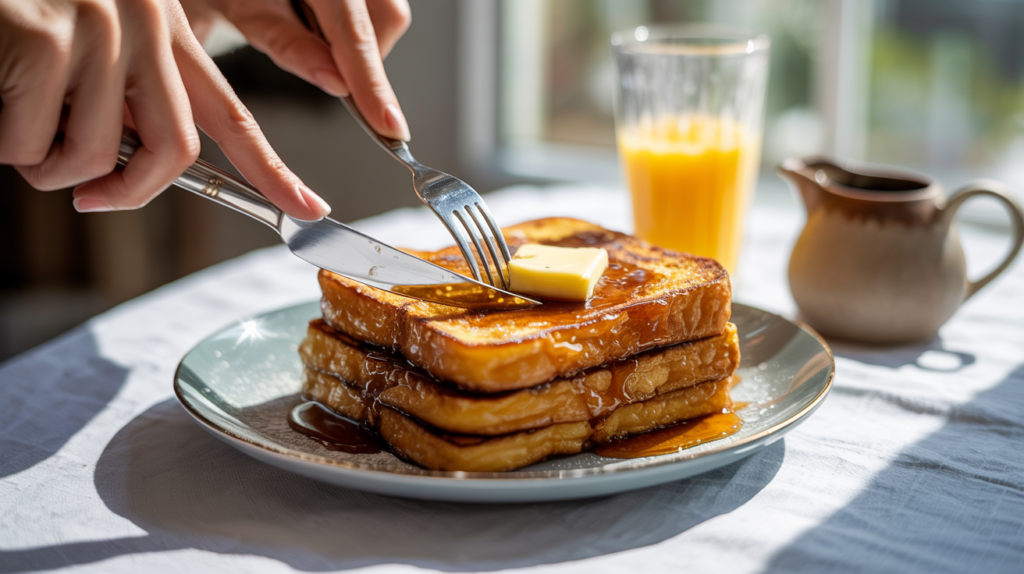
Learning how to make French Toast properly is a skill that will bring joy to your kitchen and your family for years to come. It’s a true comfort food classic.
It’s an easy, economical way to create a sweet, satisfying meal that tastes far more luxurious than its ingredients suggest. That perfect blend of crispy crust and custardy center is unmatched.
Stop skipping breakfast or settling for cereal. Treat yourself and your loved ones to this delicious French Toast. It is the ultimate power-packed start to any day.
If you liked this recipe, you may also enjoy…
- Best Best Banana Bread Recipe | Moist, Easy & Delicious Homemade Banana Loaf Recipe
- Best Easy Baked Salmon with Lemon Butter Recipe
- Best Homemade Béchamel Sauce Recipe – Creamy French White Sauce Recipe
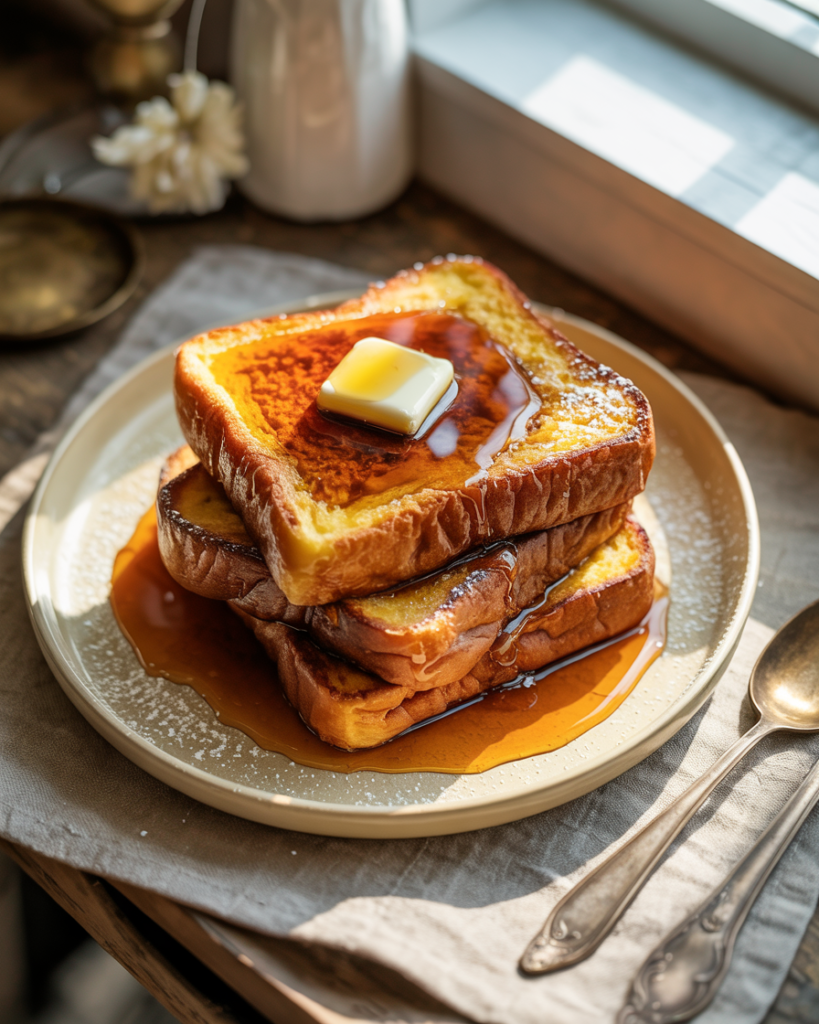

Best Easy Homemade French Toast Recipe Step By Step
Description
This recipe teaches you how to make French toast that rivals the best brunch spots. Thick slices of rich brioche are soaked in a vanilla-cinnamon custard and pan-fried in butter until golden brown and slightly crisp on the edges, with a soft, creamy center.
Ingredients
The Bread
The Custard Base
For Cooking & Serving
Instructions
-
Step 1: Prepare the Custard
In a shallow baking dish or a wide bowl (flat bottom is best), whisk together the eggs, milk, heavy cream, sugar, vanilla extract, cinnamon, nutmeg, and salt. Whisk vigorously until the eggs are completely broken down and the mixture is uniform in color. This ensures no stray bits of egg white appear on your toast.
-
Step 2: Heat the Pan
Place a large non-stick skillet or griddle over medium heat 175 C. Add 1 Tbsp of butter and 1/2 Tbsp of oil. The oil helps stabilize the butter so it doesn't burn. Allow the butter to foam and subside slightly.
-
Step 3: The Dip
Dip each slice of bread into the custard mixture. For thick brioche, allow it to soak for about 15 seconds per side. You want the bread to absorb the liquid and feel heavy, but not so saturated that it falls apart.
-
Step 4: The Fry
Flip the bread and cook for another 2-3 minutes on the second side. The toast should puff up slightly as the egg cooks. Press gently; it should bounce back, indicating the custard inside is set. Serve immediately on warmed plates.
Nutrition Facts
Servings 4
- Amount Per Serving
- Calories 420kcal
- % Daily Value *
- Total Fat 22g34%
- Saturated Fat 12g60%
- Sodium 410mg18%
- Total Carbohydrate 45g15%
- Dietary Fiber 2g8%
- Sugars 16g
- Protein 14g29%
* Percent Daily Values are based on a 2,000 calorie diet. Your daily value may be higher or lower depending on your calorie needs.
Note
Bread Choice: If you cannot find Brioche or Challah, Texas Toast or a sturdy sourdough also works well. Avoid thin sandwich bread as it will disintegrate.
Staling Tip: If your bread is fresh, lay the slices out on a wire rack for an hour before cooking to dry them out, or toast them in a low oven 100 C for 10 minutes.
Keep Warm: If cooking for a crowd, place cooked slices on a wire rack set over a baking sheet in a 100 C oven to keep them crisp while you finish the rest.
