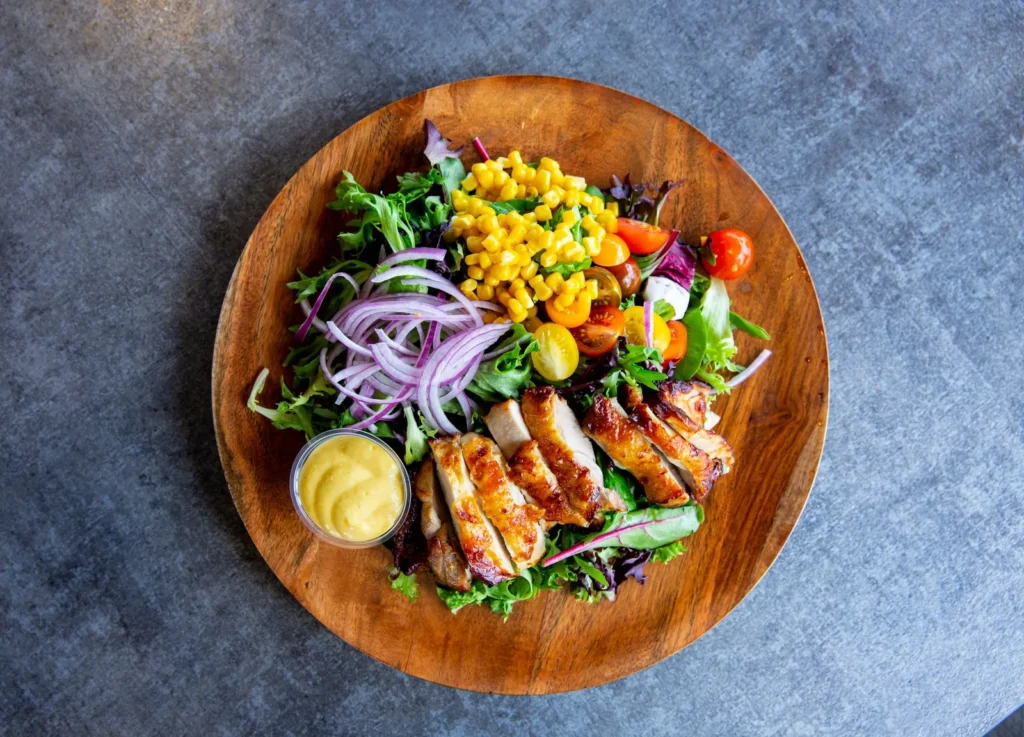
The best weeknight solution I keep coming back to is honey mustard chicken breasts because they cook in about 35 minutes and use pantry staples. You get a savory-sweet glaze that caramelizes under the broiler without needing a marinade longer than 10 minutes. This method gives you a juicy interior and a lacquered surface that reads as far more effort than it is.
We're building the sauce from prepared mustard, honey, a little acid, and oil so the meat stays moist through the bake. The technique matters more than the ingredient count: a quick sear followed by a short oven finish prevents the pale, rubbery result most people associate with boneless chicken. You'll walk away with a repeatable plan for honey mustard chicken breasts that fits busy nights.
Why You'll Love These Honey Mustard Chicken Breasts
- One sheet pan and one skillet keep cleanup to a single wipe-down.
- The glaze uses equal parts honey and mustard, so balancing it takes no guesswork.
- Bone-in or boneless both work; the timing shift is only about 8 minutes.
- Leftovers slice cleanly over salads or grain bowls for two extra quick lunches.
- The flavor leans familiar enough for kids yet sharp enough for adults who want edge.
Ingredients You'll Need
- 4 boneless skinless chicken breasts (about 680 g / 1.5 lb), patted dry
- 3 tbsp Dijon mustard (60 g) – gives the sharp base note
- 3 tbsp honey (63 g) – balances the mustard and aids browning
- 1 tbsp whole grain mustard (16 g) – adds texture and mild bite
- 2 tbsp olive oil (28 g), divided – one for searing, one for the sauce
- 1 tbsp apple cider vinegar (15 ml) – cuts the sweetness
- 2 cloves garlic, minced – aromatic without overpowering
- 1/2 tsp salt (3 g) – seasoned after searing to protect the crust
- 1/4 tsp black pepper (1 g) – fresh cracked holds up better under heat
- 1 tbsp fresh parsley, chopped – finishing color and herb lift
Ingredient Substitutions
Dijon mustard: Replace with an equal weight of yellow mustard for a softer, more classic ballpark tang. Yellow mustard carries less acidity, so add an extra 1/2 tsp of vinegar to keep the glaze from reading flat. The color stays paler and the crust will brown slightly less, but the cook time stays identical. Making this honey mustard chicken breasts at home is surprisingly straightforward once you know the key steps.
Honey: Use an equal volume of maple syrup if you need a vegan-friendly sweetener. Maple brings a darker, earthier note and loosens faster under heat, so watch the broiler closely to avoid scorching. Expect a deeper brown surface and a less sharp top layer. The honey mustard chicken breasts works well for weeknight cooking when time is limited.
Olive oil: Swap with an equal amount of avocado oil for a higher smoke point during the sear. Avocado oil stays stable at medium-high heat without the slight bitterness olive oil can take on past its limit. The flavor difference is minimal in a glazed dish like this.
Apple cider vinegar: Substitute white wine vinegar in the same 1 tbsp measure for a cleaner sharpness. White wine vinegar is more aggressive, so cut it to 2 tsp if your mustard is already acidic. The glaze tightens the same way and the chicken won't taste noticeably different.
Step-by-Step Instructions
- Heat 1 tbsp olive oil in a 30 cm / 12 inch skillet over medium-high heat until it shimmers, about 1 minute. Sear the patted-dry breasts 2 minutes per side until golden and crispy at the edges; this builds a base the glaze clings to.
- Whisk Dijon, whole grain mustard, honey, remaining 1 tbsp oil, vinegar, and garlic in a small bowl until smooth. Brush half the mixture over the seared breasts, coating the top and sides evenly.
- Transfer the skillet to an oven preheated to 200°C / 400°F and bake 12 minutes. The surface should look set and the edges opaque.
- Brush the remaining glaze on top, then switch the oven to broil on high for 3 minutes. Pull them when the top bubbles and shows golden and crispy lacquer spots, not blackened patches.
- Rest the chicken on a cutting board for 5 minutes so the juices redistribute. Slice or serve whole with parsley scattered over the top.
Pro Tips
Pound the thicker end of each breast to a even 2 cm thickness so the thin tip doesn't dry while the center cooks through. Even thickness is the single biggest factor in avoiding chalky chicken.
Use a silicone brush rather than a pastry brush; the glaze is sticky and silicone rinses clean in 30 seconds while bristles trap mustard. You'll reuse it weekly if you cook like this often.
Check doneness with a probe thermometer instead of guessing by color. Pull the skillet at 74°C / 165°F internal and the broiler finish will carry it the rest of the way.
Read about safe poultry handling from The Kitchn before scaling this up for a crowd. Their breakdown of rest times saves you from dry batch cooking.
If your honey is crystallized, warm it 10 seconds in the microwave so it whisked smooth. Lumpy honey leaves bare spots on the breast that burn instead of glaze.
Common Mistakes to Avoid
Skipping the sear puts pale chicken straight into the oven where it steams instead of browning. The fix is a medium-high heat skillet for 2 minutes per side before any sauce touches the meat.
Broiling with the rack too high scorches the honey before the center is safe to eat. Move the rack one level below the top and watch the last 90 seconds closely.
Cutting immediately after baking lets the juices run onto the board instead of staying in the meat. Rest the pieces for 5 minutes and you'll slice moist chicken, not a puddle.
Serving Suggestions
Plate the breasts with brussels sprouts roasted in the same oven for a matching sweet-tangy side. The pan drippings mix with their edges better than any separate sauce.
For a lighter plate, slice the cooled chicken over romaine with the leftover glaze thinned with 1 tsp water as dressing. It holds up chicken bake leftovers the same way if you made extra.
Round the meal with chicken goujons night rotated into the week so the kids get a crunchy option while adults keep the glazed version. Both use mustard in the coating for continuity.
Storage and Reheating
Refrigerate cooked honey mustard chicken breasts in an airtight container for up to 3 days. Cool them to room temperature within 2 hours of cooking, then seal and chill to keep the glaze from weeping.
Reheat in a 180°C / 350°F oven for 10 minutes until the center hits 74°C / 165°F again. The microwave works but softens the lacquer, so use it only for sliced lunch portions.
Freeze individual portions wrapped in foil then bagged for freeze for up to 2 months. Thaw overnight in the fridge before reheating so the honey doesn't separate during the warm-up.
Recipe Variations
Smoky Version
Add 1 tsp smoked paprika to the glaze and swap the Dijon for a smoked mustard if you can find it. The breasts take on a backyard-grill note without any outdoor equipment, and the broiler deepens the color in the same 3 minutes.
Mustard Ribs Twist
Use the same ratio of honey and mustard as a rub base for mustard ribs on a separate night to keep flavor continuity. Apply it in the last 20 minutes of a low oven so the sugar doesn't run off the bones.
Noodle Pairing
Slice the baked breasts over chicken noodles tossed with the pan drippings thinned by 2 tbsp stock. You get a one-two dinner plan where the second night reuses the flavor profile in a different format.
Caesar Side Swap
Serve with caesar chicken style romaine on the side instead of sprouts for a creamy contrast. The cool lettuce offsets the warm lacquer and needs no extra dressing if you use the pan juice.