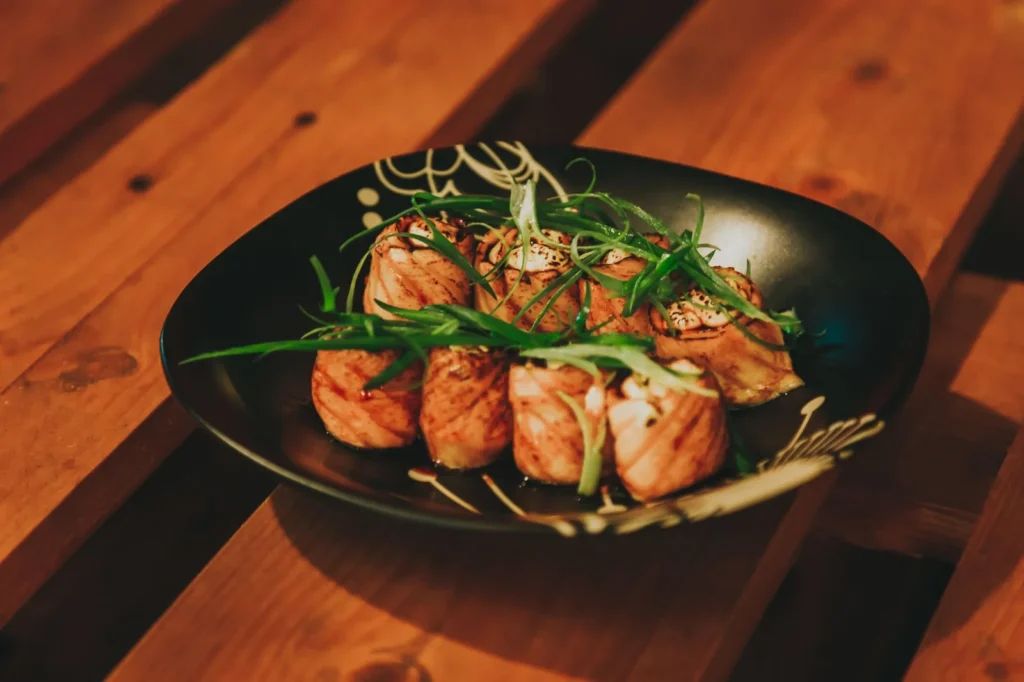
A honey ginger salmon recipe should give you a glossy, sticky glaze and a tender flake without any guesswork. This version uses a short marinade, a quick broil, and a spoonful of pan sauce so the fish stays moist. You get a weeknight dinner that looks like more effort than it is.
The balance comes from honey for sweetness, fresh ginger for heat, and rice vinegar to keep the glaze from turning cloying. Salmon carries those flavors well because its fat renders into the sauce as it cooks. The result is a fillet with caramelized edges and a clean, bright finish. If you enjoyed this, our traditional baked garlic is worth trying next. Making this honey ginger salmon at home is surprisingly straightforward once you know the key steps.
Why You'll Love These Honey Ginger Salmon
- Ready in about 25 minutes from fridge to plate with minimal prep.
- Uses one baking sheet and one small saucepan, so cleanup stays short.
- The glaze thickens on its own, no cornstarch slurry required.
- Works as a warm dinner or cold next-day salmon salad base.
Ingredients You'll Need
- 4 skin-on salmon fillets (about 6 oz each, 1 inch thick at the center)
- 3 tbsp honey
- 2 tbsp fresh ginger, peeled and finely grated
- 2 tbsp low-sodium soy sauce
- 1 tbsp rice vinegar
- 1 tbsp toasted sesame oil
- 2 cloves garlic, minced
- 1 tbsp olive oil
- 2 scallions, thinly sliced
- 1 tsp sesame seeds
- Pinch of black pepper
Ingredient Substitutions
Honey: Replace with an equal amount of maple syrup for a slightly less sweet, more earthy glaze. Maple reduces a bit thinner than honey, so simmer the sauce 1 minute longer to reach the same cling. The color stays lighter and the flavor reads more woodsy than floral. The honey ginger salmon works well for weeknight cooking when time is limited.
Fresh ginger: Use 1 tsp ground ginger if you have no fresh root, though the sauce loses the fine heat and fibrous bite. Ground ginger browns faster, so add it with the garlic off medium-low heat to avoid a bitter edge. Expect a smoother but flatter taste overall. Storing leftover honey ginger salmon correctly keeps it tasting good for days.
Low-sodium soy sauce: Swap in coconut aminos using a 1:1 ratio for a gluten-free, milder version. Coconut aminos is less salty and a touch sweet, so add a small pinch of salt to the marinade to keep the glaze from tasting flat. The final sheen will look the same but the savory depth drops.
Toasted sesame oil: Use an equal amount of avocado oil if you need a neutral fat. You lose the nutty aroma that defines the garlic butter salmon contrast, so add 1 tsp toasted sesame seeds at the end for some of that note. The texture and cook time stay identical.
Step-by-Step Instructions
- Pat the salmon fillets dry with paper towels and place them skin-side down on a lined sheet pan. Dry surfaces help the glaze adhere instead of sliding off during broiling.
- Whisk honey, grated ginger, soy sauce, rice vinegar, sesame oil, and garlic in a small bowl until smooth. Brush half the mixture over the fillets, covering the top and sides.
- Let the salmon sit at room temperature for 10 minutes while you heat the broiler to high and position a rack 6 inches from the element.
- Broil the fillets for 8–10 minutes until the top turns deep amber and the flesh flakes when pressed with a fork at the thickest part.
- Simmer the remaining glaze in a small saucepan over medium-low heat for 3 minutes until it coats a spoon and bubbles thickly.
- Rest the fillets for 2 minutes, then spoon the reduced sauce over them. Scatter scallions, sesame seeds, and black pepper on top before serving.
Pro Tips
Broil only after the oven has fully preheated, since salmon firms quickly and uneven heat leaves the center raw. A steady high heat gives you golden and crispy edges without drying the middle.
Use a microplane for the ginger so it melts into the sauce instead of leaving stringy bits on the fish. Fine ginger also prevents burnt flecks under the broiler.
Reserve the second half of the glaze raw until after cooking, as explained in the sheet pan techniques guides, so you get a fresh bright layer on top.
Choose fillets of equal thickness so they finish at the same time. If one piece is thinner, pull it at 7 minutes and let the rest go longer.
Common Mistakes to Avoid
Skipping the dry pat leaves a watery film that steams the salmon instead of glazing it. Always blot the fillets so the sauce grips the surface.
Brushing all the glaze on before broiling can burn the honey before the fish cooks through. Keep half back for the final spoonful.
Broiling too close to the element chars the top in 3 minutes while the center stays cold. Keep the rack at least 6 inches down. For another easy option, check out our baked salmon lemon.
Serving Suggestions
Plate the fillets over steamed jasmine rice to catch the extra sauce. A side of brussels sprouts adds a crunchy contrast to the soft salmon.
For a lighter plate, serve with a cucumber ribbon salad dressed in rice vinegar. The cool vegetables balance the warm, sweet glaze.
Leftover slices fold into lemon butter bowls with greens the next day without tasting reheated.
Storage and Reheating
Refrigerate cooked fillets in an airtight container for up to 3 days. Cool them within 2 hours of cooking to stay food safe.
Reheat in a 150°C / 300°F oven for 8 minutes until the center reaches 60°C / 140°F. Avoid the microwave if you want the glaze to stay tacky rather than rubbery.
The honey ginger salmon recipe freezes poorly once sauced, but plain cooked fillets freeze for up to 1 month in a sealed bag. Thaw overnight before reheating.
Recipe Variations
Spicy Version
Add 1 tsp red chili flakes to the glaze with the garlic for a warm backend heat. The honey tempers the burn so the ginger still reads clear. Serve with extra scallions to soften each bite.
Citrus Version
Replace rice vinegar with fresh orange juice and add 1 tsp lime zest. The sauce turns brighter and a little thinner, so reduce it 1 minute longer. The fillets get a sunny, rounder flavor.
Sheet Pan Meal
Place broccoli florets around the salmon before broiling for a complete tray. The vegetables pick up the dripping glaze and char at the edges. Use parmesan salmon timing as a backup if your oven runs cool.
Glazed Tacos
Flake the cooked fillets into warm corn tortillas with slaw and a squeeze of lime. The sticky pieces hold together better than plain poached salmon. Top with the reduced sauce instead of mayo.