History Garlic Butter Baked Shrimp Recipe
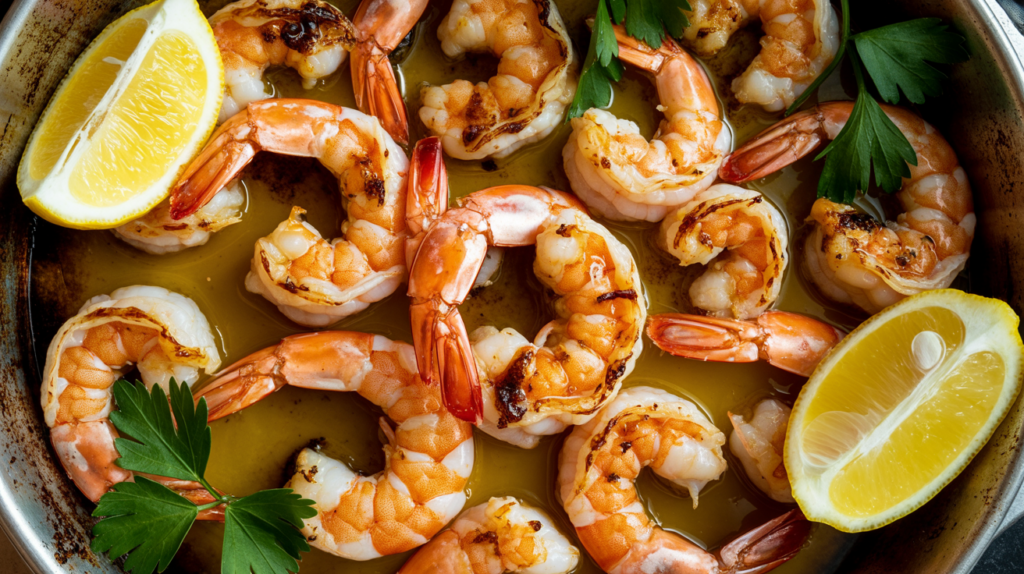
The history of pairing seafood with rich butter and garlic is ancient, drawing inspiration from Mediterranean and European cooking traditions. Think of the classic French escargots or Italian scampi, where butter and garlic are the undeniable stars.
The rise of the Garlic Butter Baked Shrimp as a quick, standalone American dish is more recent, coinciding with the popularization of easy, sheet-pan dinners and simple seafood recipes in home kitchens.
It represents a streamlined approach to seafood preparation. Instead of laborious pan-frying, this recipe embraces the oven, allowing the garlic butter sauce to permeate the shrimp evenly as it bakes.

This evolution turned what was once a complex, saucy appetizer into a minimal-effort, maximum-flavor main course. The Garlic Butter Baked Shrimp is truly a modern classic of the weeknight dinner repertoire.
Best Ingredients for Garlic Butter Baked Shrimp
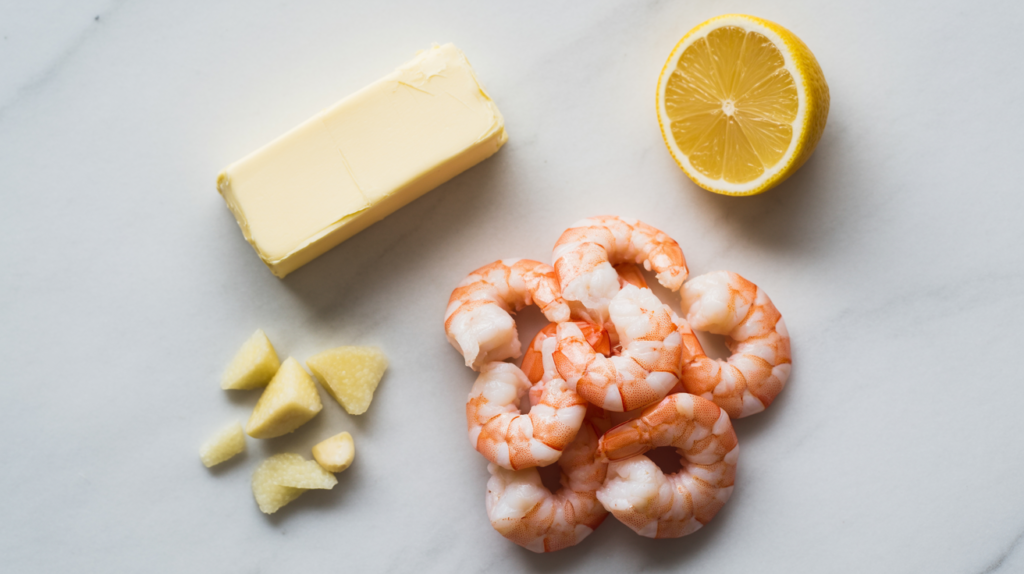
The success of a recipe as simple as Garlic Butter Baked Shrimp depends entirely on the quality and preparation of a few core ingredients.
First and foremost is the shrimp itself. Always opt for large or jumbo shrimp that are peeled and deveined. Crucially, they must be patted absolutely dry before seasoning to prevent steaming and to ensure a perfect, tender result.
The base of the flavor is, naturally, the butter. Use high-quality, unsalted butter. This allows you complete control over the final salt level and provides a purer, richer foundation for the sauce.
For the defining flavor, use freshly minced garlic—never jarred or powdered. Fresh garlic is vital for achieving that deep, aromatic pungency that makes this dish so appealing.
A non-negotiable finish is a squeeze of fresh lemon juice. This simple addition provides a sharp, bright acidity that masterfully cuts through the richness of the butter and enhances the seafood’s natural flavor.
Taste & Texture Highlights
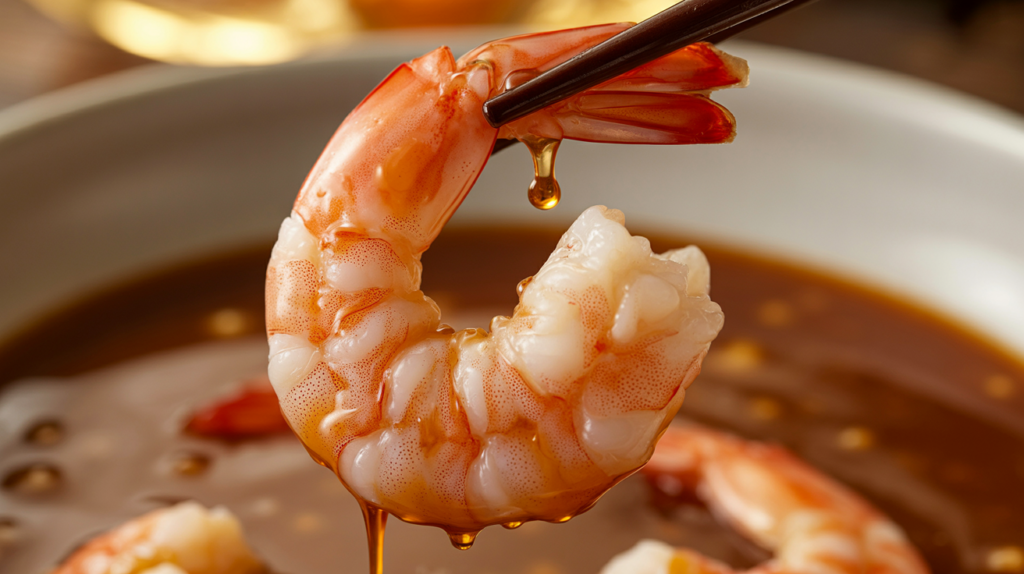
The final result of the Garlic Butter Baked Shrimp is a harmonious blend of simple textures and a deeply satisfying savory flavor.
The texture is the primary appeal. The shrimp should be perfectly tender and succulent, snapping slightly when bitten into, a clear sign of proper cooking. Overcooked shrimp is rubbery; this recipe delivers juicy perfection.
The flavor profile is intensely savory, buttery, and aromatic. The garlic, roasted slightly in the butter, develops a sweet complexity that permeates the shrimp.
You should feel a slight, pleasant warmth on the palate, which usually comes from a pinch of red pepper flakes. This heat adds necessary depth without becoming overwhelming.
The finishing note is the bright, zesty tang of the lemon. This acidity balances the richness, leaving a clean, appetizing finish that encourages the next bite.
Flavor Combinations That Work
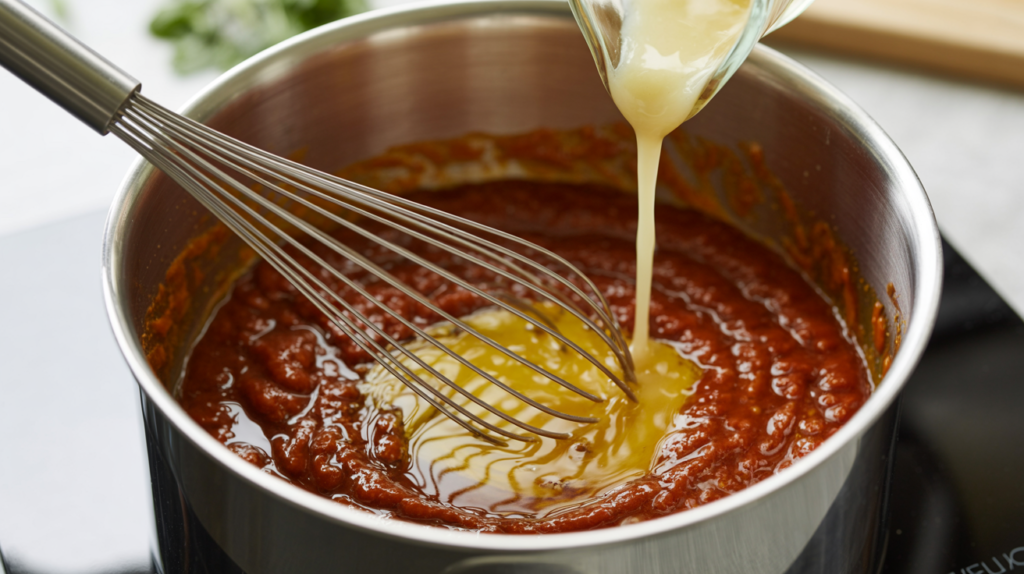
While the classic Garlic Butter Baked Shrimp is a masterpiece, its straightforward preparation makes it highly adaptable to slight variations and additions.
For a nutty, umami twist, sprinkle a layer of freshly grated Parmesan cheese over the shrimp halfway through the baking process. It melts into a savory crust.
Adding a small amount of sun-dried tomato paste to the butter mixture introduces a sweet-tart complexity that pairs wonderfully with the aromatic garlic.
A quick infusion of dry white wine (like Pinot Grigio) into the melted butter sauce before pouring it over the shrimp adds a sophisticated, acidic complexity that complements the seafood beautifully.
To increase the herbaceous depth, blend in a mix of fresh parsley and oregano. The earthy, clean notes of the herbs elevate the rich garlic butter sauce.
Health Benefits of Garlic Butter Baked Shrimp
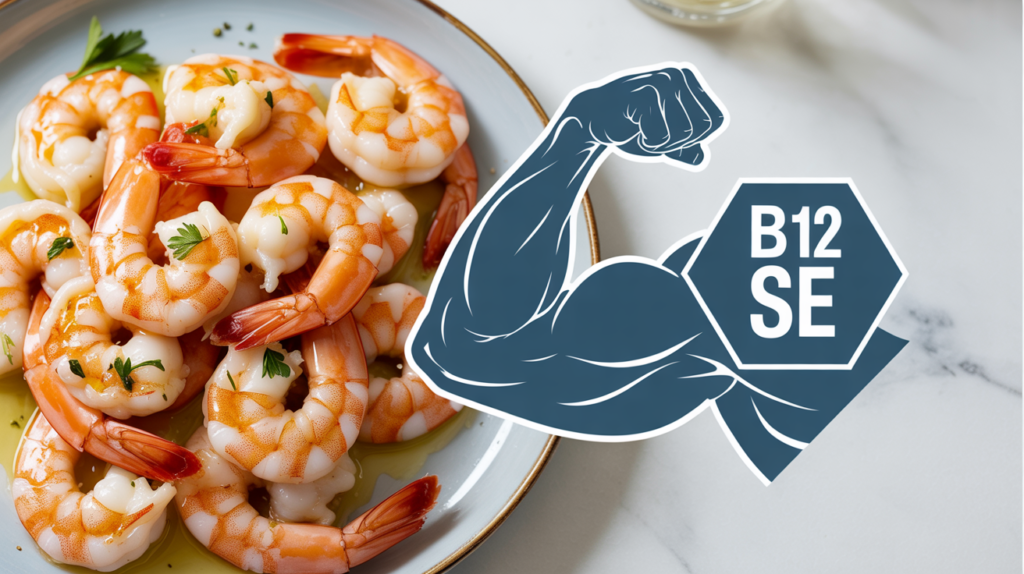
These Garlic Butter Baked Shrimp offer a clear advantage as a healthy, high-protein meal, especially when paired with simple sides.
Shrimp itself is an excellent source of lean protein, crucial for satiety, muscle maintenance, and supporting a healthy metabolism. It is naturally very low in calories.
The seafood is packed with essential micronutrients, including high levels of Selenium (an important antioxidant) and Vitamin B12, which supports nerve and blood cell health.
The inclusion of fresh garlic provides known beneficial compounds like allicin, contributing to the dish’s flavor and offering potential anti-inflammatory benefits.
Since the shrimp is baked and not deep-fried, this method keeps the overall fat content moderate, focusing on the flavor delivered by the garlic butter rather than unnecessary oils.
Nutrition Facts & Calories
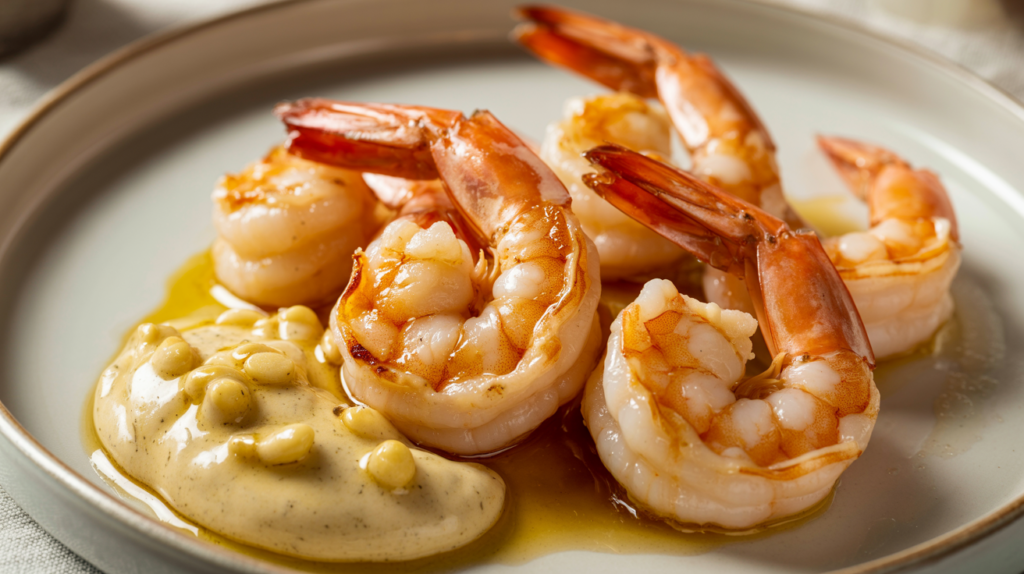
The nutritional breakdown of Garlic Butter Baked Shrimp is defined by its high protein-to-fat ratio, making it a fantastic choice for calorie-conscious diners.
The bulk of the protein—the most satiating macronutrient—is provided by the large shrimp, which have minimal fat of their own.
The calories are mainly derived from the butter used to create the decadent sauce. This provides essential dietary fats and delivers the intense flavor.
The shrimp is notably rich in Iodine and Copper, minerals important for thyroid function and iron absorption, respectively.
Specific, detailed nutritional information with exact vitamin and mineral contents is provided in the comprehensive recipe card. This recipe successfully proves that a meal can be both incredibly flavorful and a healthy, protein-packed choice.
For another high-protein dinner option that requires minimal cleanup, we highly recommend our Baked Salmon with Lemon Butter recipe, which you can find here: Baked Salmon with Lemon Butter .
Quick Tips for Making Garlic Butter Baked Shrimp
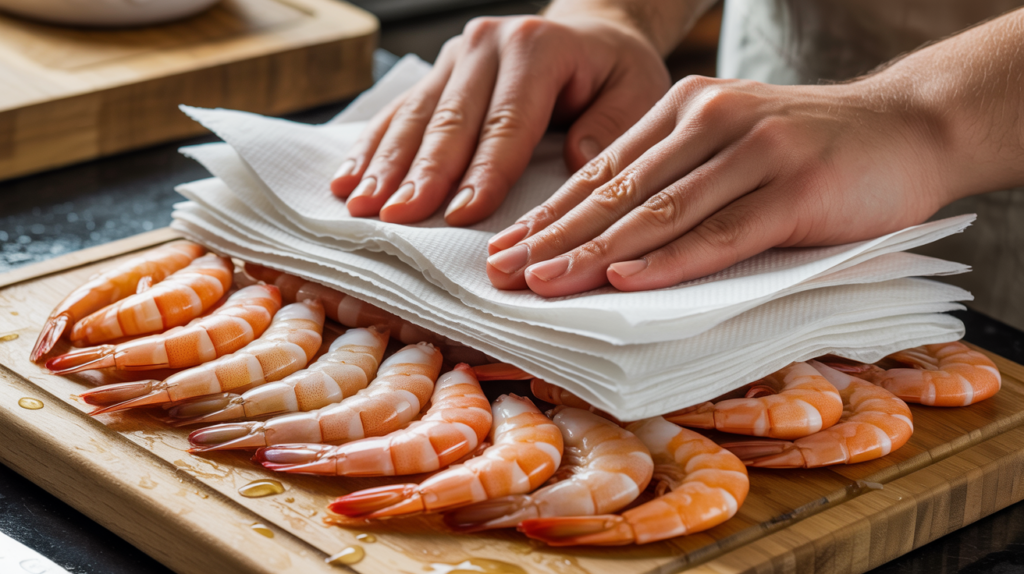
Ensuring your Garlic Butter Baked Shrimp is perfectly cooked and tender every time relies on three easy, but critical, steps.
The most important rule is to pat the shrimp dry! Use paper towels to remove all surface moisture. This step is non-negotiable to achieve a slightly caramelized, perfectly seasoned exterior instead of a watery, steamed mess.
Use a high oven temperature, typically $205^\circ\text{C}$ ($400^\circ\text{F}$). High heat allows the shrimp to cook quickly and evenly, maximizing tenderness before the moisture evaporates.
Never overcook the shrimp. Set a timer for 10 minutes and check them. They should be opaque and pink. Remove them immediately to prevent them from becoming rubbery and tough.
To guarantee maximum garlic flavor, mix the garlic and butter together first, then toss the shrimp into the fragrant mixture just before baking.
Serving Suggestions
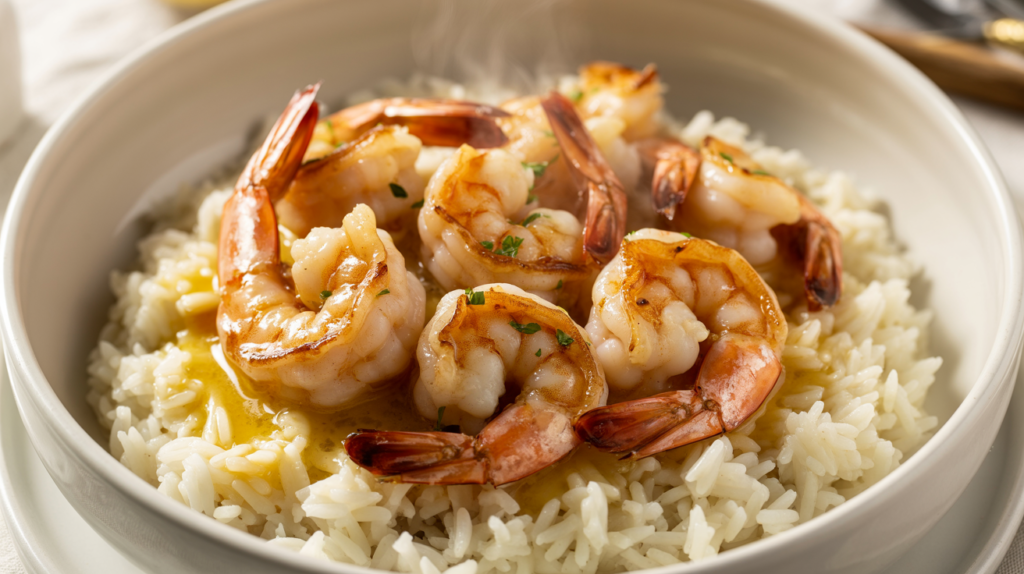
The luxurious simplicity of Garlic Butter Baked Shrimp makes it an incredibly versatile dish, suitable for everything from a family dinner to a holiday spread.
The classic, most satisfying way to serve it is over a bed of fluffy, warm rice or alongside a generous helping of crusty, warm bread. The rice and bread are essential for soaking up the rich garlic butter sauce.
For a lighter meal, pair the shrimp with zucchini noodles (zoodles) or a low-carb side like cauliflower rice. This reduces the carbohydrates without sacrificing any of the savory flavor.
It can also be served as an appetizer. Use small bamboo skewers to plate the shrimp and provide forks for dipping into the remaining golden butter sauce.
For a full dinner, serve the shrimp with a bright, crisp side like a simple arugula or spinach salad with a tangy vinaigrette.
Perfect Pairings / Meal Ideas
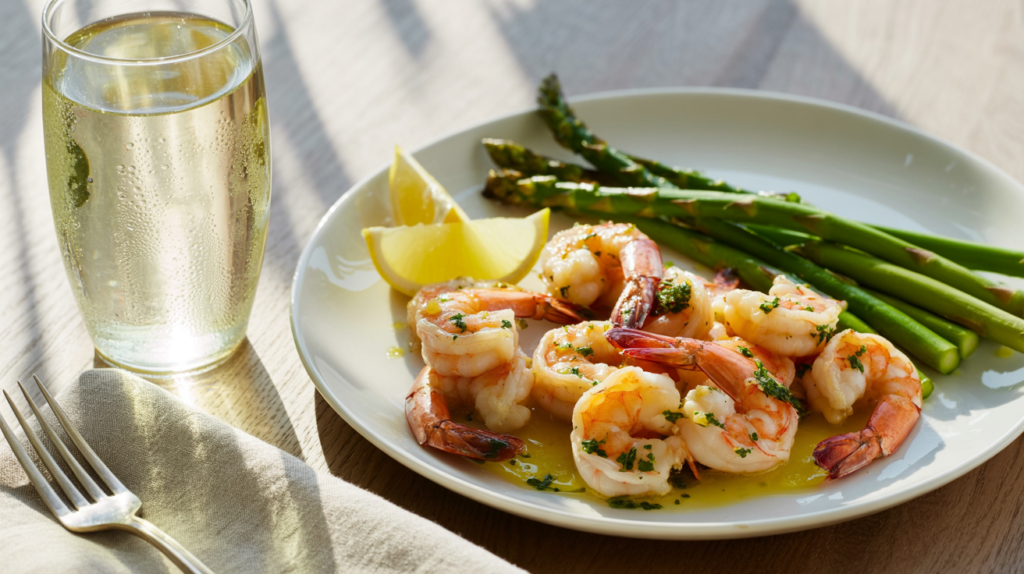
The savory richness and subtle acidity of the Garlic Butter Baked Shrimp require specific pairings that offer a clean, refreshing contrast.
The ultimate beverage pairing is a clean, dry white wine such as a Sauvignon Blanc or an Italian Pinot Grigio. Its sharp acidity is superb at cutting through the rich melted butter.
For non-alcoholic options, serve a homemade ginger-lemon spritzer or sparkling water with a generous amount of fresh mint and lime. The bubbles and zest are refreshingly clean.
Ideal side dishes should be simple and green. Think steamed asparagus, roasted green beans, or tender broccoli florets, all prepared simply with salt and a touch of lemon.
For a comforting meal, serve the baked shrimp alongside a scoop of creamy polenta or risotto that is prepared without too much additional butter.
Presentation Tips
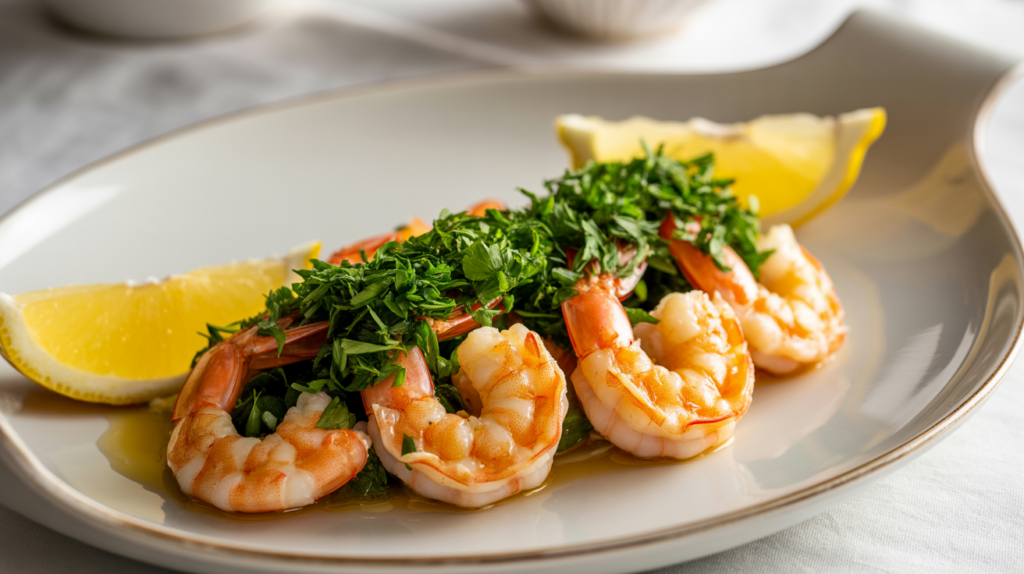
A visually appealing presentation for Garlic Butter Baked Shrimp emphasizes its fresh ingredients and the rich, golden sauce.
Serve the shrimp in the actual baking dish (if it’s attractive) or transfer them to a warm, white platter. Ensure the pan sauce is drizzled generously over the top.
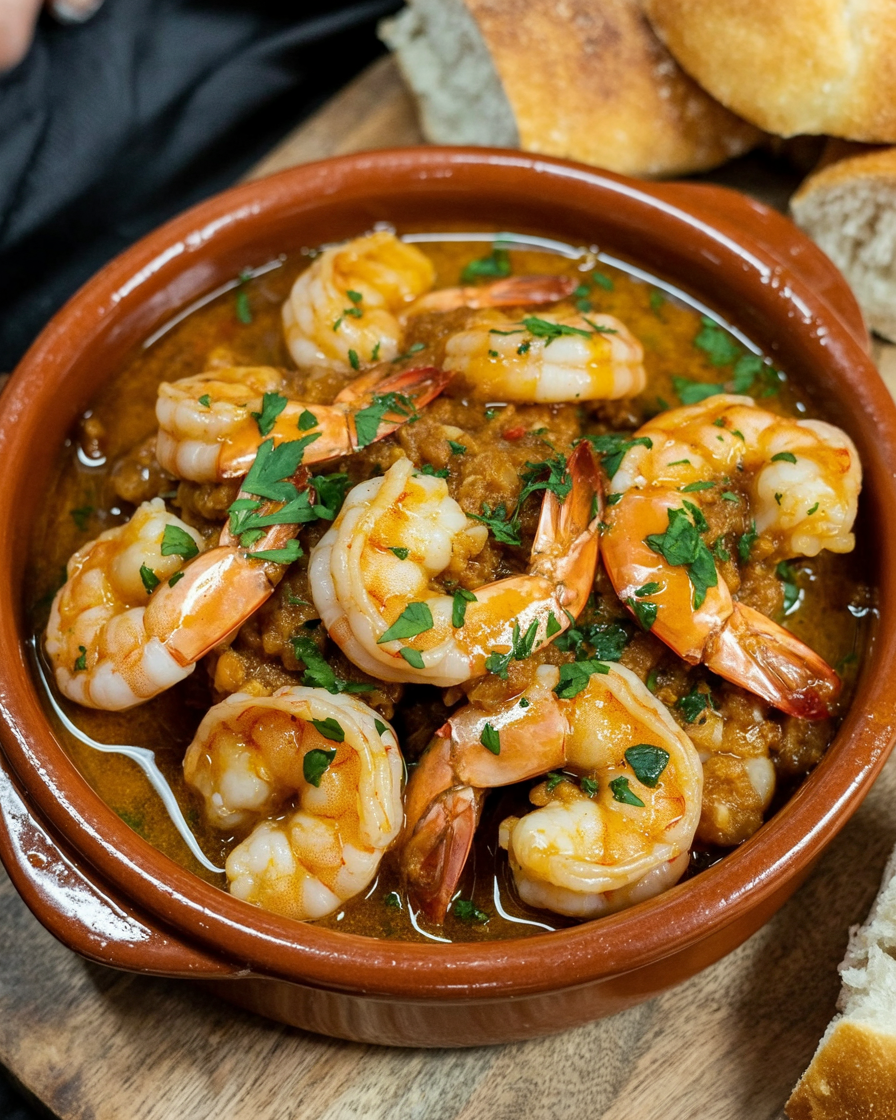
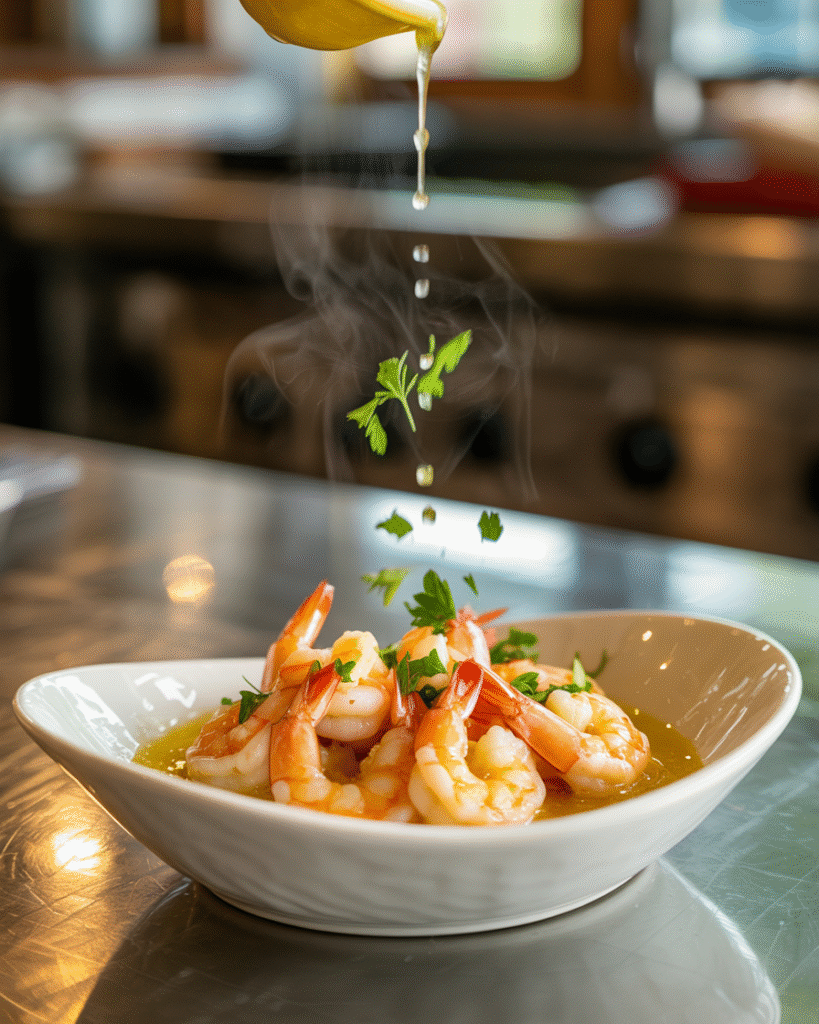
The dish must be finished with a final, bright flourish: a generous sprinkle of freshly chopped parsley. The vibrant green creates a stunning contrast against the pink shrimp and golden butter.
Always include a few wedges of fresh lemon on the side of the platter. This adds beautiful color and allows diners to customize the final level of zesty acidity.
The arrangement should look rustic but deliberate, highlighting the plump, perfectly cooked shrimp nestled in their flavorful sauce.
Pro Tips & Fun Facts
Did you know that the “vein” in shrimp is actually its digestive tract? It is removed for cleanliness and a better overall eating experience, not because it poses a significant health risk.
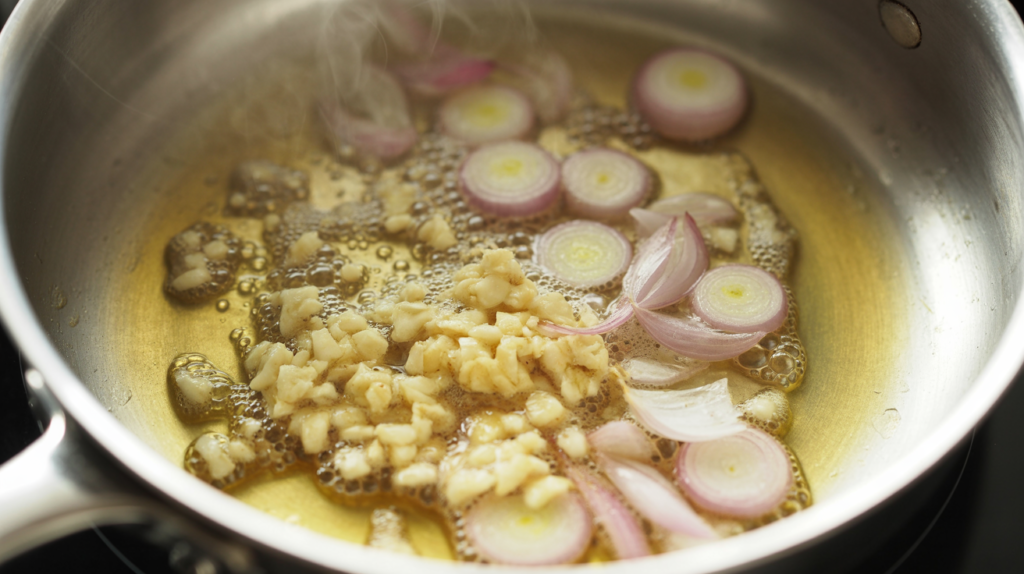
A key chef’s tip for the sauce: infuse a small amount of shallot along with the garlic into the butter. The shallot adds a subtle sweetness and depth of flavor that is highly prized.
To get the most aromatic flavor from your butter, melt it slowly over low heat with the minced garlic and herbs, allowing it to infuse for about five minutes before tossing with the shrimp.
For entertaining, this baked shrimp recipe can be easily doubled or tripled. Just ensure you use a large enough sheet pan so the shrimp is always arranged in a single, uncrowded layer for even baking.
Why You Should Try Garlic Butter Baked Shrimp
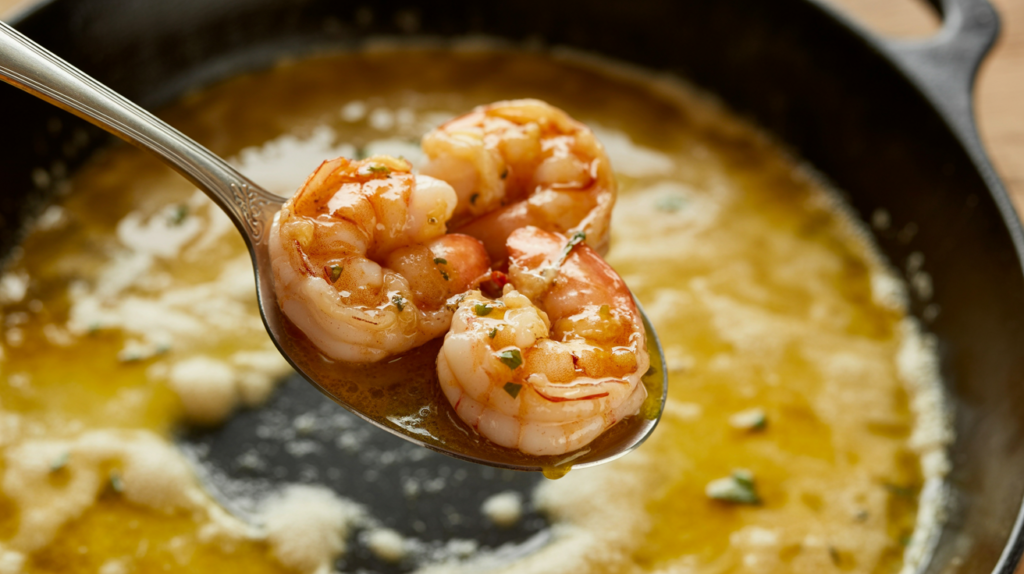
This Garlic Butter Baked Shrimp is the essential recipe for anyone seeking a gourmet-level dinner that requires virtually zero stress and minimal prep time.
It delivers on every promise: tender, juicy shrimp swimming in a rich, incredibly aromatic garlic butter sauce. It’s pure, satisfying flavor.
This is the perfect high-protein, low-carb solution that proves fast food can be fresh, healthy, and unbelievably delicious.
Stop wondering what to make tonight! Embrace the simplicity and luxury of perfectly baked seafood.

Garlic Butter Baked Shrimp
Description
This recipe for Garlic Butter Baked Shrimp utilizes a high-heat oven to ensure the shrimp cooks quickly and retains its perfect, juicy snap. The savory garlic butter sauce infuses deep aromatic notes, making this a highly satisfying, low-carb, and gluten-free dinner solution.
Ingredients
Instructions
-
Prepare the Aromatic Butter Base (Infusion)
In a medium bowl, combine the melted butter, minced garlic, salt, pepper, and smoked paprika (if using). Add 1 tablespoon of the fresh parsley. Whisk well to ensure the aromatics are fully suspended in the fat.


-
Prep the Shrimp for Adhesion (Moisture Management)
Preheat the oven to 200°C (400°F). Line a baking sheet with aluminum foil. Pat the shrimp completely dry with paper towels. Add the dry shrimp to the butter mixture and toss gently until every piece is fully coated.

-
Arrange and Flash Bake (Thermal Velocity)
Spread the shrimp in a single, non-overlapping layer on the prepared baking sheet. Place the pan in the center rack of the oven. Bake for 6 to 8 minutes.
-
Timing Cue: Begin checking at the 6-minute mark.
-

-
Check Doneness (Protein Coagulation)
The shrimp is perfectly cooked when it curls into a "C" shape and turns entirely opaque pink. Texture Cue: The flesh should be firm yet resilient and springy. Remove immediately.

-
Finish and Serve (Acid and Garnish)
Remove the pan from the oven. Immediately drizzle the 1 tablespoon of fresh lemon juice over the hot shrimp. Use a spatula to scrape the shrimp and the melted butter sauce into a serving dish. Garnish with the remaining 1 tablespoon of fresh parsley. Serve hot.

Nutrition Facts
- Amount Per Serving
- Calories 320kcal
- % Daily Value *
- Total Fat 18g28%
- Saturated Fat 11g56%
- Cholesterol 225mg75%
- Sodium 450mg19%
- Total Carbohydrate 3g1%
- Sugars 1g
- Protein 35g70%
* Percent Daily Values are based on a 2,000 calorie diet. Your daily value may be higher or lower depending on your calorie needs.
Note
Shrimp Size Adjustment: If you use very large shrimp (U10 count), the baking time may need to be extended slightly, possibly up to 10 minutes.
Add Spice: For a touch of heat, sprinkle a pinch of red pepper flakes into the butter mixture during Step 1.
Sauce Pairing: Always serve this dish with crusty bread or rice to soak up the leftover, delicious garlic butter sauce.
Herb Alternatives: While parsley is standard, fresh dill or chives are excellent alternatives that pair well with the butter and lemon flavors.